Best Bait for Trout Fishing in Streams
There's nothing quite like the crisp air of a Kentucky morning, the sound of a babbling stream, and the anticipation of a trout bite. But let's be honest, standing there, gazing into that clear water, sometimes figuring out what those finicky trout want to bite can feel like a guessing game that's more frustrating than relaxing. You've tried a few things, maybe even watched others catch fish while your line stays still, and it leaves you wondering if you're missing some secret trick. This guide is here to unravel that mystery, offering you a comprehensive look at the best baits for trout fishing in Kentucky's streams, helping you choose the right presentation to turn those frustrating moments into memorable catches.
Understanding Stream Trout Behavior and Diet
Before we even talk about specific baits, it's crucial to get inside a trout's head, so to speak. Stream trout, whether they're wild or recently stocked, operate on instinct and opportunity. Their world is dictated by water flow, available food sources, and refuge from predators. Knowing this helps you present your bait in a way that looks utterly irresistible, rather than just another piece of debris floating by.
Trout Diet in Kentucky Streams
Trout in Kentucky streams are opportunistic feeders. They're constantly on the lookout for an easy meal, and what constitutes "easy" changes with the seasons and the specific stream environment. Think about it: a wild brook trout in a small mountain stream might primarily feast on aquatic insects, small minnows, and terrestrial insects that fall into the water. A rainbow trout in a larger, stocked stream might be accustomed to a wider variety, including commercial pellets from the hatchery, making them a bit less picky initially.
Their natural diet is incredibly diverse, from tiny nymphs and larvae clinging to rocks to larger insects like grasshoppers and crickets that tumble into the water. Small baitfish, crawfish, and even earthworms washed in by rain are all on the menu. This variety means that a successful angler needs to be flexible and have a few options in their tackle box. What works one day might not work the next, and what works in one section of a stream might be ignored just a few bends down. It's a constant learning curve, but that's part of the fun, right?
Reading the Water and Trout Lies
Trout aren't just swimming aimlessly; they have preferred "lies" or spots where they feel safe, can conserve energy, and ambush food. These spots are typically characterized by a combination of cover, current breaks, and access to food lanes. Look for deeper pools, the downstream side of large rocks or fallen logs, undercut banks, and current seams where faster water meets slower water. These are prime feeding zones.
When you're approaching a stream, take a moment to observe the water. Is it clear and low, meaning trout are likely skittish and hugging cover? Or is it slightly stained and higher after a rain, which might make them bolder and more willing to venture out? Your choice of bait and how you present it will depend heavily on these observations. A stealthy approach with a natural bait might be key in clear, low water, while a more aggressive presentation with a spinner might be effective in higher, murkier conditions. Understanding where trout hold and feed is just as important as the bait you choose.
Seasonal Influences on Trout Feeding
Just like us, trout's appetites change with the seasons. Spring often brings higher water levels and a surge of aquatic insect hatches, making nymphs and worms excellent choices. As the water warms in summer, terrestrial insects become more prominent, and trout might move to deeper, cooler pools, making minnows or larger lures more effective. Fall can be a fantastic time, with trout becoming more aggressive as they prepare for winter, and their diet can broaden again. Winter fishing often means slowing down your presentation considerably, as trout metabolism slows in the cold water.
For a deeper dive into what different species of trout prefer throughout the year, check out our guide on Trout Fishing in Kentucky: Rainbow, Brook, Brown and Lake Trout. The key takeaway here is that there's no single "best" bait year-round. Adaptability is your greatest asset. Keeping a keen eye on insect activity, water temperature, and flow will give you valuable clues about what the trout are likely feeding on and what baits will mimic those natural food sources most effectively.
Natural Baits for Stream Trout
When it comes to stream trout, sometimes the simplest, most natural approach is the best. These are the baits that trout encounter daily in their environment, making them inherently attractive and often irresistible. They tap into a trout's most basic instincts.
Worms and Nightcrawlers
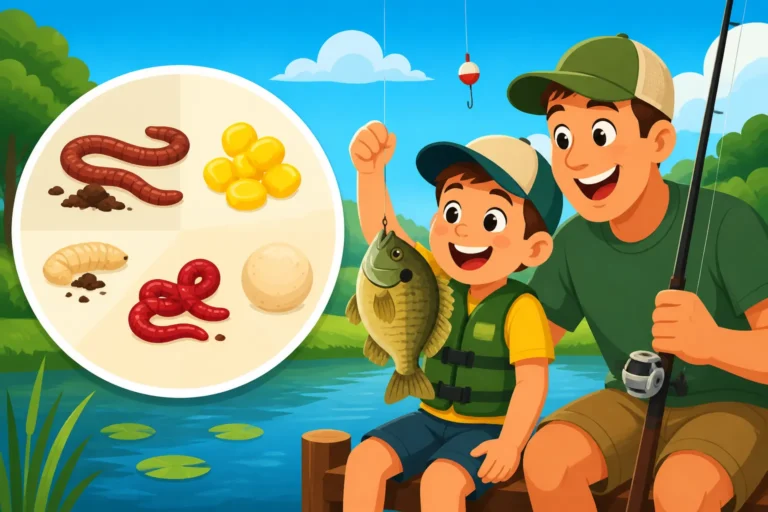
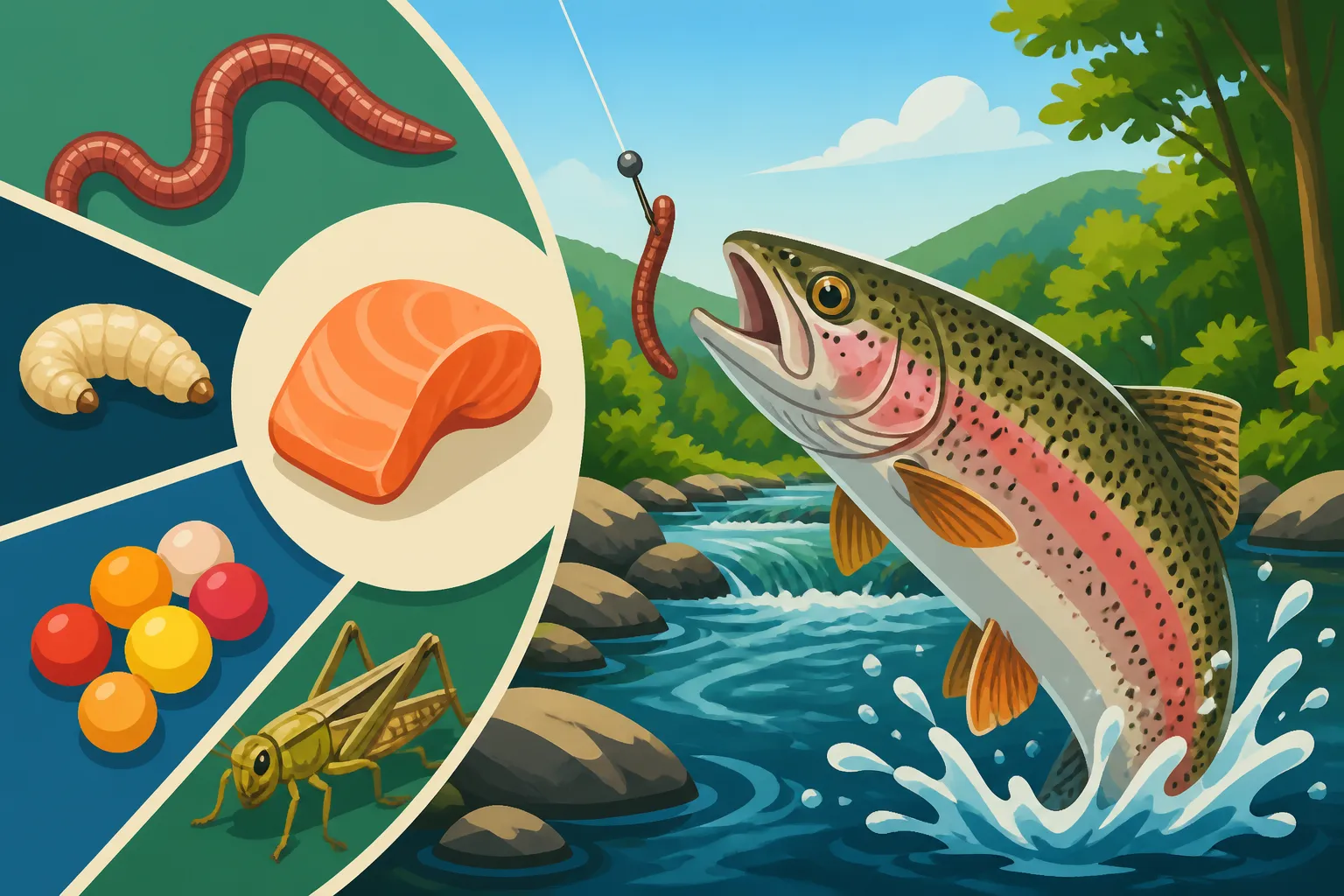
Ah, the classic earthworm. There's a reason why worms are probably the first bait many of us ever used – they're incredibly effective, especially for stream trout. After a rain, worms get washed into streams, becoming a readily available and protein-rich meal. Trout recognize this as a natural food source, and they're rarely shy about hitting a properly presented worm. Smaller red wigglers or garden worms are often ideal for smaller streams and more finicky trout, while pieces of larger nightcrawlers can work wonders in bigger water or for larger, more aggressive fish.
The beauty of a worm is its natural action in the water. It wiggles and twitches, creating vibrations and visual appeal that trout can't ignore. Rigging them on a small hook (size 8-12 is often good), perhaps with a split shot or two just enough to get it down, and letting it drift naturally with the current can be deadly. You're trying to replicate a worm that's been dislodged from the bank and is tumbling helplessly downstream. You can often find a good selection of hooks and split shot on sites like Amazon, making it easy to stock up for your next trip.
Insects and Larvae
Stream trout are voracious insect eaters, and mimicking these natural food sources can lead to incredible success. This category is vast, but some standout natural insect baits include:
- Grasshoppers and Crickets: During summer and early fall, these terrestrials are often found near stream banks. A live grasshopper or cricket gently floated on the surface, perhaps with a tiny float, can trigger explosive topwater strikes. The key is a delicate presentation that makes it look like it just fell in.
- Mealworms and Wax Worms: While not typically found in streams, these larvae are popular among anglers, especially for stocked trout. They're easy to keep, relatively inexpensive, and trout find them very appealing. They're particularly effective when drifted with a bit of current or even fished under a small bobber in slower pools. Their soft bodies and slight movement make them enticing.
- Hellgrammites and Mayfly Nymphs: These are true aquatic insects that live in the stream. Catching them can be a challenge, but if you do, they are gold. Hellgrammites, the larvae of dobsonflies, are tough, active, and a favorite of larger trout. Mayfly nymphs, especially larger stonefly nymphs, can also be rigged and drifted effectively. Their natural presence in the water makes them an easy target for hungry trout.
Minnows and Small Baitfish
For larger, more aggressive trout, especially brown trout that are known predators of other fish, small minnows can be an irresistible meal. When targeting trophy trout in streams or larger creek sections, a live minnow fished under a float or drifted slowly through deeper pools can be incredibly effective. Species like shiners, dace, or even small creek chubs work well. The movement and flash of a live minnow can attract attention from a distance, triggering a predatory response that other baits might not.
The key to fishing minnows is keeping them lively and presenting them naturally. A small single hook (size 4-6) through the dorsal fin or lips allows the minnow to swim freely. Use just enough weight to get it down to the strike zone without hindering its movement. This approach requires patience, but the reward of a big trout on a minnow is often well worth the wait.
Corn and Cheese
While not truly "natural" to a trout's diet in the wild, corn and cheese are remarkably effective, particularly for recently stocked trout. Hatchery-raised trout are often fed pellet food, and the yellow color and scent of corn or the strong aroma of cheese (especially Velveeta or processed cheese balls) can mimic elements of their familiar diet. Many anglers swear by these baits, especially in high-pressure public streams where trout have seen every other bait imaginable.
Fishing corn typically involves a few kernels strung onto a small hook, again drifted naturally. Cheese can be pinched onto a hook or used in a special spring-loaded bait holder designed to keep it on. While some purists might scoff, there's no denying their effectiveness, especially when the trout are being finicky. It's an easy and often cheap option for a casual day of fishing.
Artificial Baits for Stream Trout
Sometimes, you want to cover more water, or the trout just aren't hitting anything natural. That's when artificial baits shine. These lures are designed to mimic the flash, vibration, or profile of natural prey, triggering a trout's predatory instincts even when they aren't actively feeding.
Spinners and Spoons
Spinners and spoons are probably the most iconic artificial lures for trout fishing in streams. Their primary appeal lies in their flash and vibration, which simulates a fleeing baitfish or insect. They work by creating an irresistible visual and sensory disturbance in the water.
- Spinners: Brands like Rooster Tail, Mepps, and Panther Martin are absolute classics. The blade spins as you reel, creating flash and vibration that trout zero in on. For stream fishing, smaller sizes (1/16 oz to 1/8 oz) are generally best. They're excellent for covering water, casting into pools, or working along current seams. The key is to retrieve them just fast enough to get the blade spinning, allowing them to flutter and flash enticingly.
- Spoons: Tiny Kastmaster or Little Cleo spoons (1/16 oz to 1/8 oz) can also be highly effective. They wobble and flash on the retrieve, mimicking a wounded baitfish. They cast well, even into the wind, and can be retrieved with a steady pull or with a stop-and-go action to add more erratic movement. Both spinners and spoons are fantastic choices for active trout, especially when the water is a bit stained or higher, providing an aggressive presentation. You can often find a wide variety of these popular brands on Amazon.
Small Jigs
Jigs are incredibly versatile and can be deadly for stream trout, especially when fished slowly or in deeper pockets. They come in various shapes and sizes, usually with a lead head and a soft body (often made of marabou, bucktail, or soft plastic).
- Marabou Jigs: These are probably the most popular for trout. The soft marabou feathers breathe and undulate in the water with the slightest movement, looking like a living creature. White, black, olive, and chartreuse are popular colors. They're best fished on light line (2-4 lb test), casting upstream and allowing the current to carry the jig naturally downstream, occasionally twitching the rod tip to impart action. This technique, sometimes called "drift fishing," is extremely effective.
- Micro Jigs with Soft Plastics: Tiny jig heads (1/32 oz or 1/64 oz) paired with small soft plastic bodies, like micro grubs or worms, can also be highly effective. The subtle action of the plastic, combined with a slow drift, can tempt even the most cautious trout.
Soft Plastics (PowerBait, Gulp!)
When we talk about soft plastics for trout, we often mean scented baits like Berkley PowerBait and Gulp! These aren't just plastic; they're infused with powerful scents and flavors designed to attract trout and make them hold on longer. They're especially popular for stocked trout who are used to pellet food and respond well to strong scents.
- PowerBait: Available in dough form, nuggets, or small worm shapes, PowerBait comes in an incredible array of colors (chartreuse, rainbow, pink, white are popular). The dough is often fished on a small treble hook (or a single hook, molding it to hide the point), suspended off the bottom with a small split shot or an egg sinker above a swivel. The buoyant nature of PowerBait allows it to float enticingly just above the stream bed.
- Gulp!: These baits are biodegradable and designed to release scent more effectively than traditional plastics. Gulp! Alive! Minnows, worms, or trout nuggets can be fished like natural baits—drifted, retrieved slowly, or even tipped on a small jig. They offer a strong scent trail, which can be crucial in attracting trout in stained water or from a distance.
Flies
While primarily the domain of fly anglers, understanding that trout key in on flies is essential. Even if you're spin fishing, knowing the common insect hatches can inform your spinner or jig color choices. Flies come in various forms:
- Nymphs: These mimic the larval stage of aquatic insects, which make up a huge portion of a trout's diet. Often fished sub-surface with weight to get them down.
- Dry Flies: These imitate adult insects that float on the surface, triggering thrilling topwater strikes.
- Streamers: Larger flies that mimic minnows or crawfish, often used for bigger, more aggressive trout.
Even if you're not using a fly rod, the principles of presenting a small, natural-looking offering that drifts freely with the current are universal. Sometimes, tying a tiny nymph or wet fly ahead of a very small split shot can be an incredibly effective way to fool wary trout using spinning gear. If you're looking to delve deeper into this specialized area, our guide on How to Fly Fish for Stocked Trout could provide some valuable insights, even for stream applications.
Matching Bait to Conditions and Presentation Tips
The perfect bait is only perfect if it's presented correctly for the current conditions. Being able to adapt to what the stream is telling you and how the trout are reacting is the mark of a truly successful angler.
Clear vs. Murky Water
Stream clarity is one of the biggest factors in bait selection and presentation.
- Clear Water: When the water is crystal clear and low, trout are much more easily spooked and have excellent visibility. This calls for finesse. Use smaller baits, lighter line (2-4 lb test monofilament or fluorocarbon leader), and a stealthy approach. Natural baits like small worms, tiny nymphs, or micro jigs in natural colors (olive, brown, black) are often best. Present them with a natural, drag-free drift that doesn't scream "fake." Overly flashy or noisy lures might scare them away.
- Murky Water: After a rain or in naturally turbid streams, trout rely more on scent and vibration. This is where you can get a bit more aggressive. Brighter colored baits (chartreuse, orange, pink PowerBait, bright spinners), scented soft plastics (Gulp!), and baits that create a lot of vibration (spinners, small spoons) can be highly effective. The trout's reduced visibility means they're less likely to be spooked by a bolder presentation, and the extra flash or scent helps them locate your offering.
High vs. Low Water Levels
Water levels directly impact where trout hold and how they feed.
- High Water/Fast Current: When streams are high and running fast, trout often move to quieter water, like eddies, behind large rocks, or in flooded shoreline vegetation, to escape the main current. They're also looking for easy meals washed in by the higher flow. Larger, heavier baits that can get down quickly and stay in the strike zone are good here—think larger worms, minnows, or heavier spinners that can hold their depth. Sometimes, a larger, more visible bait is necessary to cut through the powerful currents and catch a trout's eye.
- Low Water/Slow Current: In low water conditions, trout become extremely wary and concentrate in deeper pools or under heavy cover. They're often more selective, scrutinizing anything that floats by. This again calls for small, natural baits and meticulous presentations. Light line, long leaders, and a very subtle drift are essential. You might even need to downsize your hook. This is where patience and precise casting really pay off.
Table: Stream Trout Bait Comparison
To help visualize your options, here's a quick comparison of popular stream trout baits:
| Bait Type | Pros | Cons | Ideal Conditions | Target Trout Species |
|---|---|---|---|---|
| Worms/Nightcrawlers | Highly natural, universally effective, good scent. | Can be messy, sometimes attract smaller fish, need live storage. | All-around, especially after rain or stained water. | All (especially stocked) |
| Grasshoppers/Crickets | Excellent topwater action, very natural. | Seasonal, can be hard to find/keep alive. | Summer, clear water, near banks. | Wild and stocked |
| Minnows | Great for larger, predatory trout, strong visual. | Requires live storage, can be bulky, may attract other species. | Deeper pools, targeting trophy browns. | Larger Brown, Rainbow |
| Corn/Cheese | Very effective for stocked trout, easy to use. | Less natural, scent can be strong, may not appeal to wild trout. | Heavily stocked streams, high-pressure areas. | Stocked Rainbow |
| Spinners/Spoons | Cover water quickly, flash/vibration attracts. | Can be snag-prone, less effective for wary trout in clear water. | Moving water, stained conditions, aggressive trout. | All (especially active) |
| Small Jigs | Versatile, subtle action, good for deeper water. | Requires finesse to present naturally, can be light to cast. | Slow currents, deeper pools, finicky trout. | All |
| PowerBait/Gulp! | Strong scent appeal, buoyant, vibrant colors. | Less natural action, mostly targets stocked trout. | Stocked ponds/streams, high-pressure, still water. | Stocked Rainbow |
Presentation is Key
No matter what bait you choose, how you present it is paramount.
- Natural Drift: For most baits, especially natural ones and jigs, aim for a natural, drag-free drift. Cast upstream and allow the bait to float downstream at the same speed as the current, minimizing line drag. This makes it look like a natural food item dislodged from the stream bed.
- Stealth: Approach stream banks quietly and keep a low profile. Trout are incredibly sensitive to vibrations and shadows. Wear natural colors.
- Light Line: Generally, lighter line (2-6 lb test) is better for stream trout. It's less visible to the fish and allows for a more natural presentation. Consider a fluorocarbon leader for added invisibility, particularly in clear water.
- Sharp Hooks: Always use sharp hooks! Trout mouths can be surprisingly tough, and a dull hook will lead to missed bites. You can pick up a sharpening stone, often available on Amazon, to keep your hooks in prime condition.
- Targeting Specific Spots: Don't just cast randomly. Target those trout "lies" we talked about: eddies, current seams, undercut banks, and deep pools.
- Experiment: If one bait isn't working, don't be afraid to switch. Change colors, sizes, and bait types until you find what the trout are biting on that day. Sometimes, just a slight change can make all the difference. For more detailed tips on gear and techniques, you might find our article on Spin Fishing for Trout: Gear and Technique helpful.
Trout fishing in Kentucky's beautiful streams is a truly rewarding experience, and having the right bait and presentation strategy can elevate your success significantly. Whether you're a fan of traditional worms or prefer the flash of a spinner, understanding the trout's behavior and adapting to stream conditions will always put you in the best position for a great day on the water.
Disclaimer
This article is for general informational purposes only and does not constitute professional advice. Laws, prices and regulations vary by location and change over time. Consult a qualified professional for guidance on your specific situation.