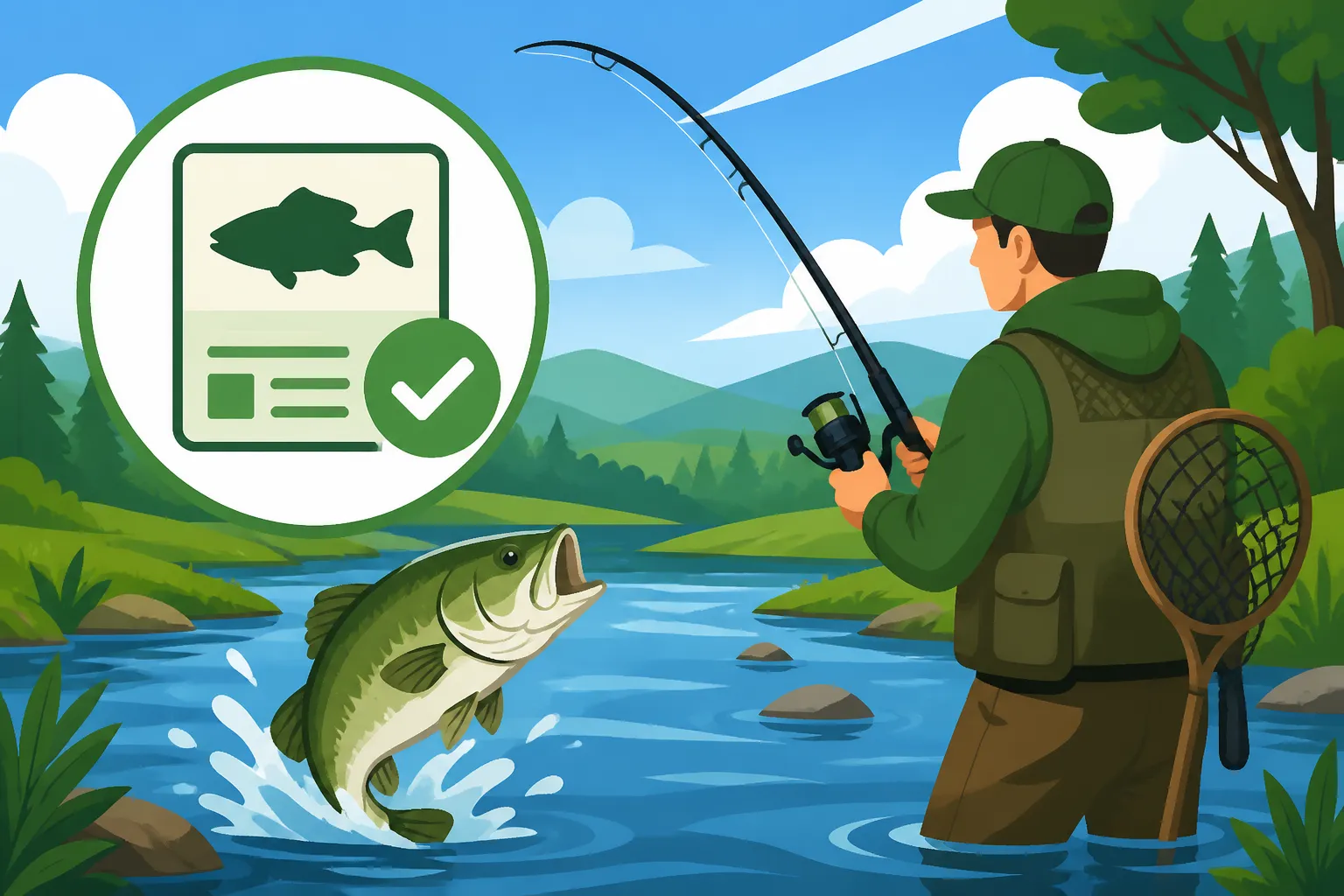
Kentucky Fishing License Needed for Public Lakes and Rivers
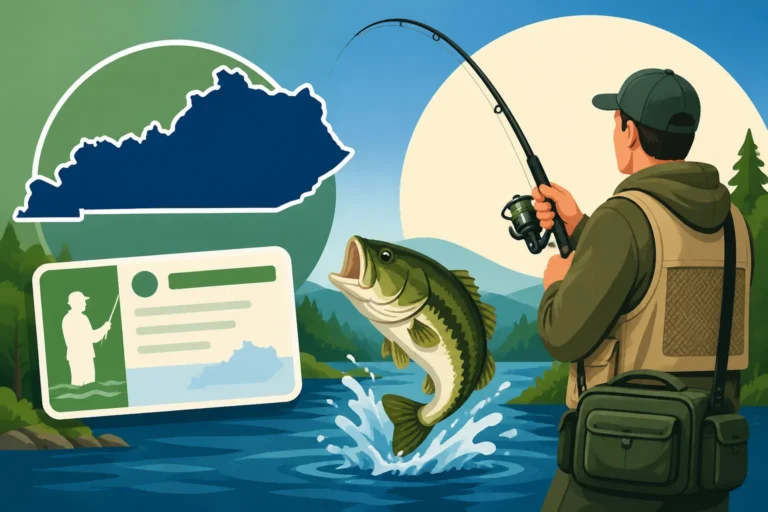
It's a common misconception, especially for folks new to fishing or just visiting Kentucky, to assume that if you're not on a designated "fishing lake" or don't plan on keeping fish, you might not need a license. But here's the plain truth: if your line hits any public lake, river, or stream in the Commonwealth, you absolutely need a valid Kentucky fishing license. This guide is here to clear up the confusion and explain why this rule exists, what counts as public water, and how to stay on the right side of the law so you can enjoy your time on the water without a worry.
Why a Fishing License Matters Beyond Just the Law
Alright, let's get real for a moment. Nobody likes paying for licenses or permits, right? It can feel like just another hurdle between you and a peaceful day on the water. But when it comes to your Kentucky fishing license, it's so much more than just a bureaucratic checkbox. It's truly the backbone of everything good happening in our state's waterways. Think of it less as a fee and more as a direct investment in the very thing you love to do.
Funding Conservation Efforts
Every single dollar collected from fishing license sales in Kentucky goes directly back into the Kentucky Department of Fish and Wildlife Resources (KDFWR). This isn't just a government general fund; this is specific, targeted funding for vital conservation programs. We're talking about things like fish stocking programs that ensure there are plenty of bass, crappie, and trout for everyone to catch year after year. It also funds habitat restoration projects that clean up our rivers and lakes, making them healthier environments for fish to thrive. Without these funds, our beloved fishing spots would quickly become barren. Imagine showing up to your favorite honey hole only to find no fish, or worse, a degraded ecosystem. Your license prevents that future by directly supporting the biologists, technicians, and conservation officers who work tirelessly to maintain and improve Kentucky's aquatic resources. It's really all about ensuring sustainable fishing for generations to come, and it helps fund critical research to understand fish populations and their needs.
Protecting Fish Populations
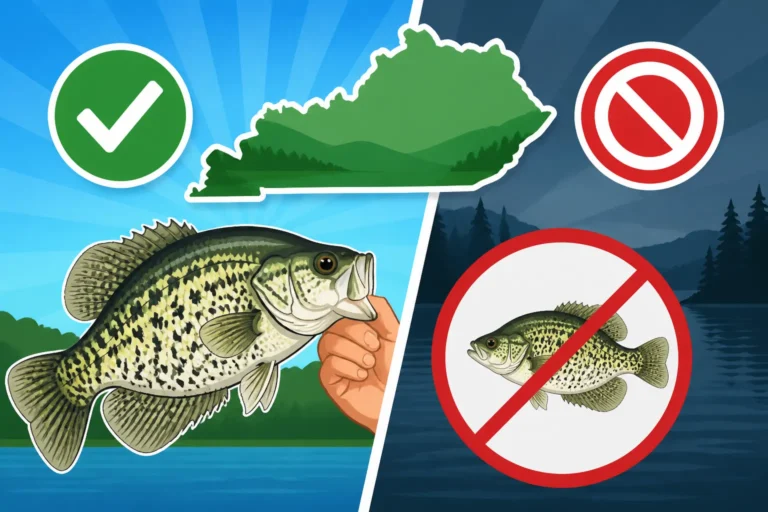
Beyond the dollars and cents, fishing licenses are a crucial tool for managing and protecting our fish populations. When you purchase a license, you're essentially registering as an angler, and that data helps the KDFWR understand how many people are fishing, where they're fishing, and indirectly, the pressure on different species. This information is vital for setting appropriate catch limits and seasons, like the statewide bass limit: 12 inches, 6 fish a day, or the Kentucky crappie daily limit rules. It's a delicate balance; too much pressure on a species could deplete it, while too little could lead to overpopulation and unhealthy fish. Having a clear record of licensed anglers also makes it easier for game wardens to enforce these regulations, ensuring that everyone is playing by the rules. If someone is caught exceeding limits or using illegal methods, it impacts everyone else's opportunity to enjoy a healthy fishery. Your license is part of a system designed to keep our waters teeming with fish, preventing overfishing and maintaining healthy ecosystems across the state.
What Counts as "Public Water" in Kentucky?
This is where some of the biggest misunderstandings crop up. You might be standing on what looks like private property, casting into a stream that runs through it, and think you're exempt. But the legal definition of "public water" is much broader than you might expect, and it's essential to understand it to avoid a ticket. Generally, if the water isn't entirely enclosed within private land and owned by a single entity (and even then, there are nuances), it's likely considered public.
Navigable Rivers and Major Lakes
Any water body that's considered "navigable" falls squarely into the public category. This includes all the major rivers that crisscross Kentucky, like the Kentucky River, the Green River, and most notably, the mighty Ohio River. If you're dropping a line into the Ohio River, whether from the bank near Louisville or a boat near Paducah, a license is unequivocally required. The same goes for our massive reservoir lakes – think Kentucky Lake, Lake Barkley, Lake Cumberland, and Herrington Lake. These aren't just large bodies of water; they are public resources managed by state and federal agencies for recreation, power generation, and flood control, meaning they are absolutely license-required waters. Even if you're fishing from a privately-owned dock on one of these lakes, if your hook is in the public water, you need that license. It's really that simple: if a boat can travel it, or if it's a major impoundment, assume it's public.
State Parks and Wildlife Management Areas
Kentucky is blessed with an incredible network of state parks and wildlife management areas (WMAs), many of which feature fantastic fishing opportunities. Places like Taylorsville Lake State Park, Barren River Lake State Park, or Green River Lake State Park offer accessible fishing from piers, banks, or boat ramps. While these areas are publicly owned and managed for recreation, they are still considered public waters, and yes, your Kentucky fishing license is a must. Even smaller ponds or lakes found within state parks or WMAs, which might seem more secluded, are part of the public domain. These areas are specifically designed to provide public access to fishing, hiking, and other outdoor activities, and the KDFWR utilizes license funds to manage these specific fishing locations to ensure healthy fish populations and maintain public amenities like boat ramps and fishing piers. So, next time you plan a trip to a state park fishing spot, double-check that your license is current.
Understanding Shared Border Waters
Things can get a little tricky when you're fishing waters that border other states. Kentucky shares significant bodies of water with Tennessee, Ohio, Indiana, Illinois, Missouri, Virginia, and West Virginia. For example, a large portion of Dale Hollow Lake is in Kentucky, but it also spans into Tennessee. The Ohio River forms Kentucky's northern border with Ohio, Indiana, and Illinois. The general rule of thumb for these shared waters is that you typically need a license from the state you are physically in, or, in some specific cases, a reciprocal agreement might be in place allowing you to use either state's license. However, these agreements are not universal and vary by specific water body and state. For instance, while some parts of the Ohio River have reciprocity for certain species, it's always safest to assume you need a Kentucky license if you're fishing on the Kentucky side or in waters designated as Kentucky's jurisdiction. It's truly a complex area, and it's always best to research the specific rules for Tennessee-Kentucky fishing license reciprocity rules or other border waters before you go. This diligence helps you avoid an awkward conversation with a game warden.
Exceptions and Special Scenarios When You Don't Need One
While the rule of thumb is "if it's public, get a license," there are indeed a few specific situations where you might be exempt. It's important to know these details, not just to save a few bucks, but to understand the thought behind these specific allowances.
Youth Anglers
Kentucky is really dedicated to getting kids interested in fishing, and they've made it easy for our younger generations to cast a line. Children under the age of 16 are generally not required to have a fishing license in Kentucky. This is fantastic news for families because it means you can take your little ones out for their very first fishing adventure without the added step of purchasing a license for them. This policy encourages youth participation in outdoor activities and fosters a love for fishing from an early age, which is crucial for the future of conservation. However, even if they don't need a license, they still need to abide by all the statewide bag and size limits by fish species. So, while your 10-year-old might not need a license, they can't just keep an unlimited number of bass! Always remember to check the specific regulations for the water you're fishing, even for the youngest anglers, to ensure everyone has a fun and legal outing. You can find more details in the Kentucky fishing license requirements for kids.
Private Ponds and Landowners
This is perhaps the most common source of confusion. If you're fishing in a completely private pond that is entirely enclosed within your own private property, and you are the landowner, then generally, you do not need a Kentucky fishing license. The same applies if you have explicit permission from the landowner to fish their entirely private, enclosed pond. The key here is "entirely enclosed" and "private." This means the pond cannot have any inlets or outlets connecting to public waters, and it must be on land owned by a private individual or entity.
However, the moment that pond connects to a public stream, river, or lake, even intermittently, it usually falls under the jurisdiction of the KDFWR, and a license becomes necessary. So, if your "private" pond overflows into a creek that leads to the Ohio River, you'd likely need a license. It's crucial to understand this distinction. Simply being on private land doesn't automatically mean the water is exempt. If you're a landowner with a truly private, enclosed pond, you don't need a license, and often neither do your invited guests. But always verify the specific status of the water body to be absolutely sure. This is where the nuanced rule of license-required waters versus private ponds really comes into play.
Kentucky Free Fishing Weekend
Every year, Kentucky offers a special gift to anglers: a statewide Free Fishing Weekend! During these two designated days, usually in early June, both residents and non-residents can fish Kentucky's public waters without needing a fishing license or a trout permit. It's an incredible opportunity for beginners to try fishing for the first time without the initial investment of a license, or for seasoned anglers to introduce friends and family to the sport. It’s also a great chance to explore new fishing spots you might not otherwise visit.
While the license requirement is waived, it's absolutely vital to remember that all other fishing regulations still apply. This includes bag limits, size restrictions, and gear restrictions for specific species and locations. So, if you're fishing Lake Barkley during Free Fishing Weekend, the Lake Barkley bass size limit exception in Kentucky still applies, for instance. It’s not a free-for-all; it’s just a free pass on the license itself. This weekend is a fantastic way to experience what Kentucky fishing has to offer and see firsthand why protecting our aquatic resources is so important. You can find the exact dates and more details in the Kentucky Free Fishing Weekend Guide.
Getting Your Kentucky Fishing License The Easy Way
So, you've decided it's time to get your license – great choice! The good news is that Kentucky has made the process relatively straightforward, whether you're a tech-savvy online shopper or prefer to handle things in person. Don't let the thought of bureaucracy deter you; in most cases, you can be licensed and ready to fish in a matter of minutes.
Online Purchase
For many people, the quickest and most convenient way to purchase a Kentucky fishing license is online. The Kentucky Department of Fish and Wildlife Resources has a user-friendly website where you can select your license type, enter your personal information, and complete the purchase in just a few steps. You can choose from various options, including an annual license, a 1-day license, or even add a trout permit if you plan on targeting trout in places like Lake Cumberland. Once purchased, you'll receive an electronic copy of your license that you can print out at home or simply save on your smartphone. Just make sure you have it accessible if a game warden asks to see it. It's quick, efficient, and means you can literally buy your license on the bank of the lake if you suddenly realize you forgot! This is by far the easiest method for how to buy a Kentucky fishing license online, and often, you can have your license in hand (or on your phone) in under five minutes. If you're looking for gear, you can even order some basic fishing supplies from Amazon while you're at it, maybe a new tackle box or some fresh line.
In-Person Vendors
If you prefer a more traditional approach, or if you simply don't have access to a printer or smartphone, you can easily purchase your Kentucky fishing license in person. There are numerous authorized license vendors located throughout the state. These typically include bait and tackle shops, sporting goods stores, county clerk offices, and even some large retailers that have a hunting and fishing section. Places like Walmart or local hardware stores often serve as vendors. When you go in person, you'll need to provide some basic identification, usually a driver's license or state ID, and the vendor will help you select the appropriate license type. They can print out a physical copy for you on the spot, so you walk away with a tangible license. This option is great if you have questions or want to chat with local experts about the best fishing spots or bait options while you're there. It’s also a good way to support local businesses, and while you're there, you might even find some deals on fishing gear that's also available on Amazon.
Understanding License Types
Kentucky offers a variety of fishing license types to suit different needs, and understanding them can save you money and ensure you're properly covered. The most common is the resident annual fishing license, which currently costs around $24.31 and covers you for an entire license year (March 1 to February 28). If you're only planning a short trip or visiting from out of state, a 1-day license (around $7.40 for residents or $15.86 for nonresidents) or a nonresident annual fishing license (around $58.14) might be more appropriate.
Then there's the Kentucky Trout Permit, which costs $10.57 for everyone and is required if you're targeting trout in any designated trout waters, even if you have a general fishing license. For seniors, there are special options like the Kentucky Senior Lifetime Sportsman's License or the Kentucky Senior Annual Sportsman's License. Choosing the right license type is important to avoid overpaying or being under-licensed. Always consider how often you plan to fish and what species you'll be pursuing before making your purchase. The Kentucky Fishing License Costs and Types guide can help you break down the options and pick what's best for your needs. You can often find great deals on fishing rods and reels on Amazon that pair well with your chosen license.
| License Type | Resident Annual Cost (approx.) | Nonresident Annual Cost (approx.) | Duration | Notes |
|---|---|---|---|---|
| Annual Fishing License | $24.31 | $58.14 | March 1 – Feb 28 | Covers all general fishing. |
| 1-Day Fishing License | $7.40 | $15.86 | 24 hours from purchase | Great for quick trips or visitors. |
| 7-Day Nonresident License | N/A | $37.00 | 7 consecutive days | Ideal for longer nonresident visits. |
| Trout Permit | $10.57 | $10.57 | March 1 – Feb 28 | Required in addition to a fishing license for trout. |
| Senior Annual Sportsman's | $12.00 | N/A | March 1 – Feb 28 | For Kentucky residents 65+. Includes fishing & hunting. |
| Senior Lifetime Sportsman's | $180.00 (one-time) | N/A | Lifetime | For Kentucky residents 65+. Includes fishing & hunting. |
Game Warden Enforcement and License Checks While Fishing
Look, nobody wants their peaceful day on the water interrupted by a game warden, but these dedicated professionals are out there for a reason: to ensure the health of our fisheries and the fair play of all anglers. They are an essential part of the conservation efforts funded by your license dollars. When they approach you, it's usually just a routine check, and having your license ready makes the process smooth and quick.
They're not trying to ruin your day; they're simply confirming that you're in compliance with regulations, which ultimately protects the resource for everyone. Always be polite and cooperative. They might ask to see your fishing license, check your catch for size and creel limits, and inspect your gear. If you're fishing without a license, the penalties for fishing without a license in Kentucky can range from fines to confiscation of gear, so it's really not worth the risk. A quick check of your license status before you head out, or having it easily accessible on your phone, can save you a lot of hassle.
They're looking for more than just a piece of paper; they're ensuring that the rules designed to protect our fish populations are being followed. This includes adherence to specific lake regulations that might differ from statewide limits, like those on Lake Barkley or Barren River Lake. Remember, these checks are for the greater good of Kentucky's fishing future, and it's a testament to the KDFWR's commitment to robust enforcement.
Wrapping Up Your Fishing License Journey
So there you have it. The bottom line is pretty clear: if you're casting a line into any public lake, river, or stream in Kentucky, you need a valid fishing license. It's not just a rule; it's an investment in the future of Kentucky's incredible fishing opportunities. From the mighty Ohio River to the tranquil waters of Lake Cumberland, every cast you make is into a system supported by those license dollars.
Understanding these requirements means you can focus on what really matters: enjoying the beauty of Kentucky's outdoors and the thrill of the catch. Whether you're a seasoned angler or just starting out, taking the simple step of purchasing your license ensures that you're contributing to the rich fishing heritage of the Bluegrass State. Happy fishing, friends, and tight lines!
Disclaimer
Please remember that fishing regulations and license requirements can change. Always consult the official Kentucky Department of Fish and Wildlife Resources website or regulation guide for the most current and accurate information before heading out on your fishing trip. This guide is for informational purposes only and should not be considered legal advice.