Kentucky Nonresident Fishing License Guide
Venturing to Kentucky to enjoy its incredible lakes and rivers for a fishing trip is an absolute dream for many anglers, but navigating the licensing requirements from out-of-state can feel like a maze. It’s a common frustration, wondering if your home state license works, what kind of permit you truly need, and how much it will all cost. This comprehensive guide is here to clear up all that confusion, walking you through every detail of obtaining and understanding your Kentucky nonresident fishing license.
Understanding Why a Nonresident License is Necessary
It’s easy to assume that if you have a valid fishing license in your home state, it might somehow cover you when you cross state lines, especially if you're just dipping a toe in or visiting for a short while. Unfortunately, that's almost never the case when it comes to state-managed natural resources like fish populations. Kentucky has its own set of rules and regulations designed to protect its unique aquatic ecosystems and fund conservation efforts, which means everyone, resident or not, needs to play by those rules.
The Basics of Kentucky's Licensing System
Kentucky’s fishing license system, overseen by the Kentucky Department of Fish and Wildlife Resources (KDFWR), is pretty standard for state wildlife agencies, but it's crucial to understand how it functions. Essentially, when you purchase a fishing license, you're contributing directly to the management, conservation, and stocking programs that keep Kentucky's waters teeming with fish. This includes everything from monitoring fish populations in major reservoirs like Kentucky Lake and Lake Cumberland to maintaining public access points and boat ramps along the Ohio River. Without these funds, the incredible fishing opportunities that draw so many to the Bluegrass State wouldn't be sustainable.
Each license has a specific term – usually annual, but also shorter options exist – and is tied to the state's license year, which runs from March 1st to the last day of February the following year. This means if you buy an annual license in August, it will still expire at the end of February, not a full year from your purchase date. This is a common point of confusion for new anglers or those visiting from out of state, so always double-check the expiration date. It's not just about having a piece of paper; it's about being part of the conservation solution that benefits everyone who enjoys Kentucky's beautiful outdoors. You can learn more about the overall process in our general guide on how to get a fishing license in Kentucky.
Why Your Home State License Won't Cut It
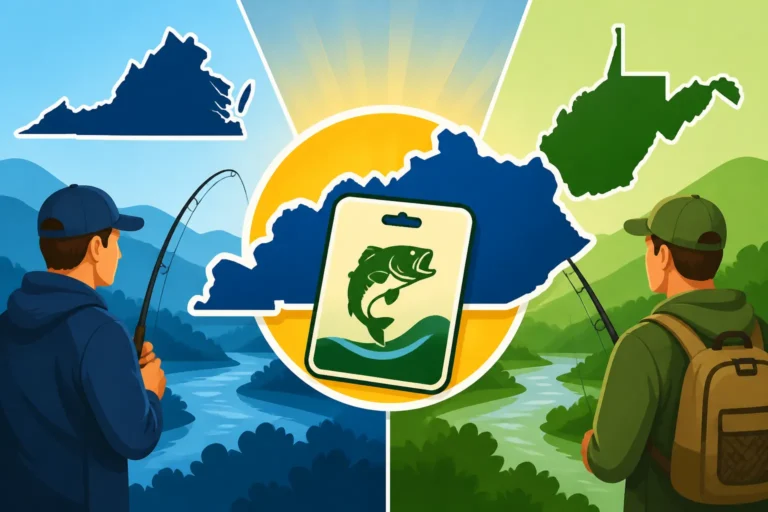
This is one of the biggest misconceptions we hear from folks coming to fish in Kentucky. Many assume there's some kind of universal reciprocity, or that if they're only fishing for a day or two, it doesn't really matter. The truth is, with very few specific exceptions for waters shared with neighboring states, your license from Indiana, Ohio, Tennessee, or any other state is simply not valid for fishing in Kentucky waters. Each state has its own independent wildlife management authority, and their licenses are designed to fund their specific conservation programs.
Imagine if every state honored every other state's license – the system would quickly become unsustainable. Kentucky needs its own revenue to manage its own fisheries. So, whether you're casting for bass in Lake Barkley, chasing crappie in Barren River Lake, or trying to land a trophy catfish on the Ohio River, if you're in Kentucky waters, you need a Kentucky license. This applies to everyone aged 16 and over. Even if you're just planning a quick weekend trip, that proper licensure is a non-negotiable part of responsible angling. Getting caught without the correct license can lead to fines and other penalties, so it's always best to be prepared and compliant from the start.
Types of Nonresident Fishing Licenses Available
Kentucky understands that not every out-of-state angler is looking to commit to a full year of fishing in the Bluegrass State. That’s why they offer a range of license types designed to fit various trip durations and angling interests. Choosing the right one can save you money and ensure you're covered for your entire stay. It’s always smart to assess your plans before you buy, especially if you’re thinking about multiple short trips versus one long vacation.
Annual Nonresident Fishing License
For those who plan to make Kentucky a regular fishing destination, perhaps visiting several times throughout the license year, the annual nonresident fishing license is usually the most cost-effective choice. This license provides coverage from March 1st of one year through the end of February of the following year, regardless of when you purchase it within that period. If you’re a serious angler who loves the challenge of Kentucky’s diverse fisheries, from the big reservoirs to the smaller streams, this is your best bet.
Many anglers who live close to the Kentucky border, or those with family and friends in the state, find immense value in the annual option. It removes the hassle of buying a new license every time you visit and often pays for itself after just a couple of trips compared to purchasing multiple short-term licenses. Just remember that the KDFWR license year doesn't run for a full 365 days from purchase; it always aligns with the state's March 1st to February 28/29th cycle. Knowing the Kentucky Fishing License Year and Renewal Dates will help you plan your purchase effectively. Currently, the Kentucky Nonresident Annual Fishing License Costs $58.14, which is a pretty good deal for year-long access to some of the best fishing in the country.
Short-Term Nonresident Options: 1-Day and 7-Day Licenses
For the casual visitor or someone just passing through, Kentucky offers convenient short-term nonresident fishing licenses. These are perfect if you're only planning a single day of fishing, a weekend getaway, or a slightly longer vacation that won't span the full license year. These options are incredibly popular because they allow flexibility without forcing you to pay for more coverage than you need.
The Kentucky Nonresident 1-Day Fishing License Costs $15.86, making it ideal for a spontaneous outing or if you're just testing the waters. It's a great option for those who might be visiting family and decide to spend an afternoon by the lake. For slightly longer trips, the Kentucky Nonresident 7-Day Fishing License Costs $37. This seven-day permit is often perfect for a week-long vacation, giving you plenty of time to explore different spots or fish multiple days during your stay. These short-term licenses specify the exact start and end dates of their validity, so there’s no confusion about when you’re covered. They're designed to be straightforward and easily accessible, ensuring that even a quick trip to Kentucky can include some angling fun without breaking the bank on an annual license you won't fully utilize.
Additional Permits You Might Need
While a general fishing license gets you access to most Kentucky waters, certain specific angling pursuits require additional permits. These are separate purchases, often called "stamps" or "permits," and are crucial for targeting particular species or fishing in special management areas. Ignoring these can lead to the same penalties as fishing without a primary license, so it's vital to be aware of them.
The most common additional permit is the trout permit. If you plan to fish for trout in any of Kentucky's designated trout waters, including popular spots like Lake Cumberland or specific cold-water streams, you absolutely need this permit, regardless of your residency status. The Kentucky Trout Permit Guide details where and when this is required. It's an affordable add-on, currently costing $10.57 for everyone, residents and nonresidents alike. This ensures that the specific and often more intensive management efforts for trout fisheries are adequately funded. Always double-check the regulations for the specific body of water you intend to fish, as some lakes have special rules or species management plans that might entail unique requirements.
Nonresident Fishing License Costs and Where to Buy Them
Getting your Kentucky nonresident fishing license is usually a pretty straightforward process, but it helps to know the exact costs and all your purchasing options beforehand. Nobody wants to be scrambling at the last minute or, worse, arriving at the water only to realize they’re not properly licensed. Let’s break down the prices and the various ways you can secure your permit.
Current Nonresident License Prices
Understanding the costs involved is key to planning your fishing budget. Kentucky's nonresident fishing licenses are priced to reflect the value of accessing the state's diverse fisheries while also contributing to their ongoing conservation. Here's a quick rundown of the main nonresident license types and their current prices:
| License Type | Cost (Effective March 1, 2024 – February 28, 2025) | Validity Period |
|---|---|---|
| Annual Nonresident Fishing | $58.14 | March 1 to February 28/29 |
| 1-Day Nonresident Fishing | $15.86 | 24 hours from selected start time |
| 7-Day Nonresident Fishing | $37.00 | 7 consecutive days from selected start time |
| Nonresident Trout Permit | $10.57 | Same as base fishing license, required for trout |
These prices are subject to change, so it's always a good practice to check the official KDFWR website before your trip to confirm the most up-to-date figures. As mentioned, the annual license provides the best value if you plan multiple visits within the license year, whereas the 1-day or 7-day options are perfect for shorter, more focused trips. Remember, the trout permit is an additional cost on top of your chosen base fishing license if you intend to fish for trout in designated waters.
Online Purchase Process and What Information You Need
The easiest and most convenient way to purchase your Kentucky nonresident fishing license is online, directly through the KDFWR website. This method allows you to buy your license 24/7 from anywhere with an internet connection, long before you even set foot in Kentucky. This saves you time and ensures you’re legal before you ever make that first cast.
To complete an online purchase, you’ll typically need the following information:
- Full Name and Address: As it appears on your government-issued ID.
- Date of Birth: To verify age and eligibility.
- Social Security Number (SSN) or Customer ID: This is a standard requirement for licensing in most states, primarily for compliance with federal mandates and to prevent duplicate licenses or fraud. If you've purchased a license in Kentucky before, you might have an existing customer ID.
- Driver's License or State ID Number: To verify residency and identity.
- Payment Method: A valid credit or debit card.
Once purchased, you'll receive an electronic copy of your license, which you can usually print out or keep on your mobile device. Many anglers find it reassuring to have a physical copy, especially if they plan to fish in areas with unreliable cell service. It’s quick, efficient, and definitely the recommended route for securing your Kentucky fishing license. If you're looking for more general details, check out our guide on how to buy a Kentucky fishing license online.
In-Person Purchase Options at Local Vendors
While online is incredibly convenient, sometimes you prefer to buy in person, or perhaps you're already in Kentucky and realize you need a license. No problem! There are numerous authorized license vendors scattered throughout the state, making it easy to pick one up. These vendors are typically bait and tackle shops, sporting goods stores, county clerk offices, and even some Walmart locations.
When purchasing in person, you'll need to bring a valid form of identification, such as your driver's license, and likely your Social Security Number, as these are required for verification. The staff at these locations are usually very knowledgeable and can help you select the right license type for your needs, including any necessary permits like the trout permit. This can be particularly helpful if you have specific questions about local regulations or need last-minute advice on bait and tackle. For example, many local bait shops often carry specialized regional baits or lures, and you might even find some useful fishing accessories on the spot, perhaps even from brands like Amazon that also sell a lot of fishing gear online. Just look for signs indicating "Kentucky Fishing Licenses Sold Here" or inquire with the store staff.
Reciprocity and Border Water Rules for Nonresidents
One area that causes a lot of head-scratching for out-of-state anglers is the concept of reciprocity, especially when fishing shared border waters. It’s not a simple blanket rule, and understanding the nuances can save you a lot of grief (and potential fines). Kentucky shares significant waterways with several neighboring states, and the rules can vary depending on where you cast your line.
Fishing Waters Shared with Neighboring States
Kentucky shares borders with seven different states, and many of these borders are defined by rivers or lakes, creating unique situations for anglers. While general reciprocity (where one state’s license is valid in another) is rare, specific agreements often exist for these shared waters. It's crucial not to assume anything and to always check the specific regulations for the body of water you plan to fish.
For instance, the Ohio River forms Kentucky's entire northern border with Ohio, Indiana, and Illinois. Generally, if you are fishing the main stem of the Ohio River (not tributaries or embayments), a valid fishing license from either Kentucky or the bordering state (Ohio, Indiana, or Illinois) is usually honored. This means if you have an Ohio fishing license, you can fish the Ohio River without needing a separate Kentucky license, as long as you remain within the main channel. However, this often doesn't extend to tributaries that flow into the Ohio River or impoundments that are entirely within one state's boundary. For example, if you fish an Ohio tributary flowing into the Ohio River, you need an Ohio license. If you then fish a Kentucky creek flowing into the Ohio River, you'd need a Kentucky license. This can get tricky, so understanding the Ohio Anglers Fishing in Kentucky Waters rules or similar for other states is key.
Similarly, Kentucky shares the Mississippi River with Missouri, and the Big Sandy River with West Virginia. For Dale Hollow Lake, which straddles the Kentucky-Tennessee border, specific reciprocal agreements are in place. These agreements allow anglers licensed in either Kentucky or Tennessee to fish the entire lake, regardless of which side of the state line they are on. This is a fantastic benefit for anglers and simplifies things immensely. Our guide on Tennessee-Kentucky Fishing License Reciprocity Rules goes into much greater detail on these specifics. Always carry proof of your license, regardless of which state you bought it from, and be prepared to show it if a game warden asks.
Specific Rules for Major Border Lakes and Rivers
Beyond the general shared water agreements, some specific large border lakes and rivers have their own detailed rules due to their popularity and unique management. These are often destinations for nonresident anglers, making it even more important to be informed.
Take Dale Hollow Lake, for example. This beautiful lake is a premier smallmouth bass fishery and is jointly managed by Kentucky and Tennessee. As mentioned, a valid license from either state allows you to fish the entire lake. This includes not just the main lake body but also any coves or arms that extend into either state. This reciprocity is a huge convenience for anglers and makes planning a trip much simpler. You don't need to worry about accidentally crossing an invisible line and becoming unlicensed.
The Ohio River, as Kentucky's northern aquatic boundary, also deserves special attention. While the reciprocity for the main stem is generally understood, issues can arise with specific dam tailwaters or certain tributaries. Anglers fishing directly below a dam on the Kentucky side might still be considered within Kentucky's jurisdiction, potentially requiring a Kentucky license even if they hold an Ohio or Indiana license. Always check for specific regulations pertaining to dams or particular sections of the river. These specifics are usually clearly outlined on the KDFWR website or in their annual fishing guide. It's truly a complex situation that requires careful attention to detail.
Important Regulations and Exceptions for Nonresident Anglers
Beyond simply having the right license, understanding Kentucky's fishing regulations is paramount. These rules, covering everything from bag limits to gear restrictions, apply to everyone, resident or nonresident, and are designed to ensure sustainable fish populations for future generations. Ignorance of the law is never an excuse, especially when a game warden is checking licenses on the water.
Statewide Bag and Size Limits That Apply to Everyone
When you're fishing in Kentucky, you're expected to abide by the statewide regulations for various species. These are the default rules, unless a specific lake or river has an exception. These limits are put in place for a good reason – to prevent overfishing and maintain healthy fish populations.
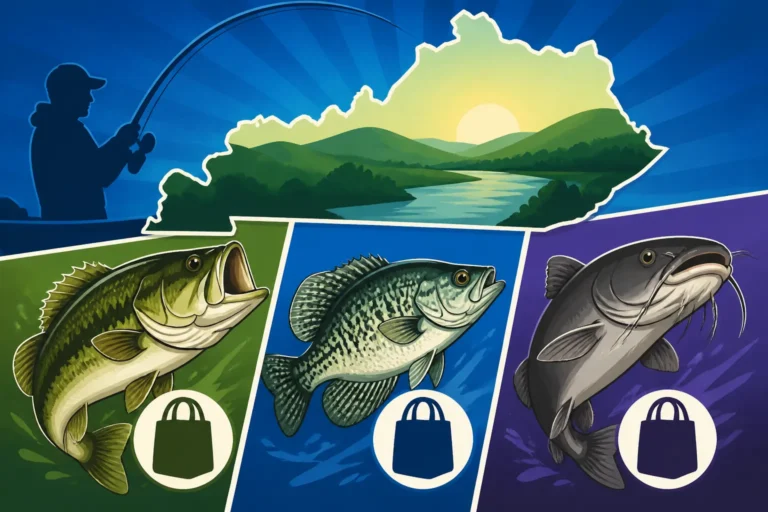
For popular species like largemouth bass, smallmouth bass, crappie, and catfish, there are specific daily creel limits (the number of fish you can keep per day) and minimum size limits (the smallest fish you can legally keep). For example, the statewide bass limit is usually 6 fish per day, with a 12-inch minimum size limit. Crappie often have a daily limit of 20 fish with no statewide size minimum, while catfish limits might include a total number with only one or two allowed over a certain trophy size. You can find detailed breakdowns of these limits in our Statewide Bag and Size Limits by Fish Species guide. It's your responsibility to know these numbers before you hit the water. Having a ruler or measuring tape handy is always a good idea, and if you’re unsure, it’s best to release the fish.
Lake-Specific Rules and Exceptions to Watch Out For
Here’s where things can get a little tricky, even for seasoned Kentucky anglers. While statewide limits provide a baseline, many popular lakes and rivers have their own unique, site-specific regulations. These exceptions are put in place by KDFWR biologists to address the specific needs of a particular fishery, often due to unique population dynamics, stocking programs, or habitat conditions.
For example, while the statewide bass limit is 12 inches, certain lakes like Lake Barkley have a stricter 15-inch minimum size limit for bass. Barren River Lake also has a specific 10-inch minimum size limit for crappie, differing from the statewide "no size limit" rule. These exceptions are critical to know. Ignoring them could result in catching and keeping fish that are perfectly legal elsewhere in the state, but illegal on that specific body of water. Before heading out, especially to a new fishing spot, always consult the current Kentucky Fishing Guide provided by the KDFWR. This guide, available online or at license vendors, details all these lake-specific regulations. A few minutes of research can prevent a costly mistake and ensure you're fishing responsibly. Understanding Why Kentucky Fishing Limits Vary From Lake to Lake is a crucial part of being an informed angler.
Understanding Kentucky's Free Fishing Weekend for Nonresidents
Kentucky does host a "Free Fishing Weekend" annually, typically in the first week of June. This is a fantastic initiative designed to introduce new people to the joy of fishing and encourage families to get outdoors. During this designated weekend, both residents and nonresidents can fish Kentucky waters without needing a state fishing license. It's a rare exception to the general licensing rule, and it's a great opportunity for out-of-state visitors to experience Kentucky's fishing firsthand without the upfront cost of a license.
However, it's important to understand that while the license requirement is waived, all other fishing regulations still apply. This means bag limits, size limits, and any lake-specific rules are still in effect. You still need to carry your identification, and if you plan to fish for trout in designated trout waters, you still need a trout permit, as that is a separate stamp for a specific species, not a general fishing privilege. The Kentucky Free Fishing Weekend Guide provides all the details, including exact dates, and helps you plan a fun, compliant trip during this special event. It's a wonderful chance to enjoy Kentucky's waters, but don't let the "free" aspect lull you into thinking all rules are suspended.
What Happens If You Fish Without a Nonresident License?
It might seem like a minor infraction to fish without the proper license, especially if you're just visiting. However, wildlife agencies take this very seriously, and for good reason. Fishing licenses are a cornerstone of conservation funding, and fishing without one undermines the efforts to maintain healthy fisheries for everyone. For nonresidents, the consequences can be particularly impactful, potentially dampening an otherwise enjoyable trip.
Penalties and Fines for Non-Compliance
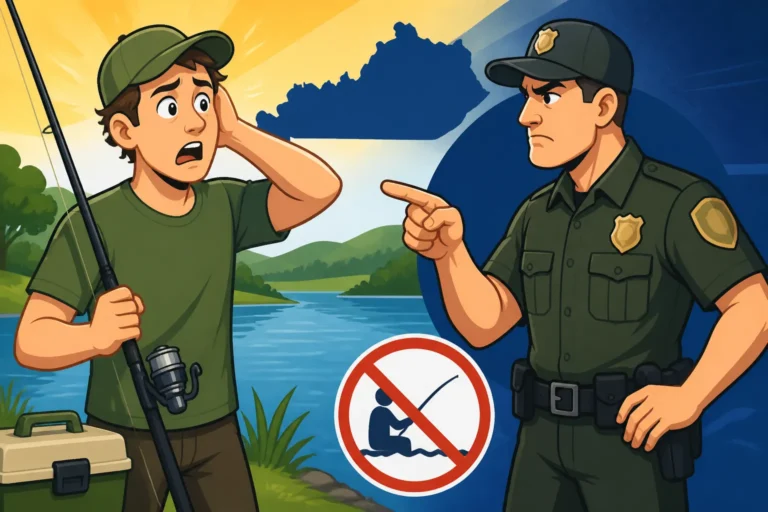
Getting caught fishing without a valid Kentucky fishing license, or without the necessary additional permits like a trout stamp, is considered a violation of state law. This is not just a polite request for you to buy a license; it's a legal requirement with actual consequences. The specific penalties can vary depending on the severity of the offense, whether it's a first-time violation, and if other infractions (like exceeding bag limits or fishing in a closed area) are also present.
Typically, you can expect a fine. These fines can range from a nuisance amount to hundreds of dollars, potentially even more if combined with other violations. Additionally, the game warden might confiscate your fishing gear, and in some cases, your catch. Repeated offenses or more serious violations could even lead to your fishing privileges being suspended in Kentucky, or potentially even in your home state through interstate compacts. It's truly not worth the risk. A small investment in a license, even a 1-day or 7-day option, is far less expensive and stressful than dealing with a citation and fines. Our article on Penalties for Fishing Without a License in Kentucky outlines these consequences in more detail, serving as a stark reminder of the importance of compliance.
Game Warden Checks and What to Have Ready
Game wardens, officially known as conservation officers in Kentucky, are state law enforcement officers with the authority to enforce all wildlife and boating laws. They regularly patrol Kentucky's lakes, rivers, and streams, both on land and water, and they have the right to stop and check anglers for compliance. This isn't meant to harass anglers; it's a vital part of ensuring fair play and conservation.
When a game warden approaches you, whether you’re on the bank, in a boat, or even on a dock, remain calm and cooperative. They will typically identify themselves and ask to see your fishing license and possibly your photo identification. If you have kept any fish, they might also ask to inspect your cooler or livewell to ensure you are within the legal bag and size limits. It's important to have your license readily accessible, either a physical printed copy or a digital copy on your phone. Having your photo ID with you is also critical for verification. If you've purchased your license online, ensure your phone is charged so you can display the digital copy, or better yet, print a backup. They may also ask about your fishing methods to ensure you're using legal gear. Being prepared and cooperative makes the interaction quick and easy, allowing you to get back to fishing.
Planning Your Kentucky Fishing Trip as an Out-of-Stater
Now that you're well-versed in the licensing aspect, let's talk about the fun part: planning your actual fishing adventure in Kentucky! The state offers such a diverse array of fishing opportunities, from massive reservoirs known for trophy bass to serene streams filled with trout. Knowing when to visit, what to bring, and where to go can make all the difference in having a memorable and successful trip.
Best Times to Visit and Target Species
Kentucky's fishing seasons offer something year-round, but certain times of year are definitely better for specific species. As an out-of-stater, aligning your trip with the peak bite for your target fish can greatly enhance your experience.
- Spring (March-May): This is arguably the most popular time for many species. Bass fishing, particularly largemouth and smallmouth, really heats up as they move to shallower waters for the spawn. Crappie also go on a strong bite during their spawn in late spring, making it a prime time for these delicious panfish. Trout fishing is also excellent as waters warm slightly, and stocking efforts are often in full swing. This is when places like Kentucky Lake: The State's Top Bass Fishing Destination truly shine.
- Summer (June-August): As temperatures rise, many fish move to deeper, cooler waters. This is prime time for catfishing, especially on the Ohio River and large lakes like Kentucky Lake, where trophy blue and channel catfish are actively feeding. Night fishing for bass and crappie can also be very productive during the warmer months.
- Fall (September-November): The "fall turnover" can be challenging but also incredibly rewarding. Bass and crappie become very active again as water temperatures cool, feeding heavily before winter. This can be a great time for less crowded waters and aggressive fish.
- Winter (December-February): Don't count winter out! While many anglers pack it in, cold-water species like sauger and walleye become highly active, especially in tailwaters below dams and in deeper lake sections. Lake Cumberland, for example, offers fantastic winter trout fishing.
Considering what fish species you're most interested in catching will help you narrow down the best time to book your trip and purchase your Kentucky Fishing License Costs and Types accordingly.
Essential Gear and Tackle for Kentucky Waters
Bringing the right gear can make or break a fishing trip. While you don't need to overpack, having versatile equipment that can handle Kentucky's varied waters is a smart move for nonresidents.
- Rods and Reels: A medium-action spinning rod (6'6" to 7'0") paired with a 2500-3000 size reel spooled with 8-12 lb monofilament or braided line is a great all-around setup for bass, crappie, and many panfish. If you're targeting bigger catfish, a heavier action rod with a larger baitcasting reel and stronger line (20-50 lb braid) is essential.
- Lures and Baits:
- Bass: A selection of soft plastics (worms, creature baits), spinnerbaits, crankbaits, and topwater lures will cover most situations. Brands like Strike King, Zoom, and Rapala are always solid choices.
- Crappie: Small jigs (1/16 to 1/8 oz) in various colors (chartreuse, white, black/chartreuse) are deadly, especially when tipped with a live minnow.
- Catfish: Live bait (shad, bluegill), cut bait, chicken livers, and various stink baits are popular. You can often find these at local bait shops.
- Trout: Small inline spinners (e.g., Mepps, Rooster Tail), powerbait, or small artificial flies if fly-fishing.
- Terminal Tackle: A variety of hooks (EWG, Kahle, treble), sinkers (bullet, split shot, egg), swivels, and bobbers will be useful.
- Essentials: Don’t forget a good pair of pliers, line cutters, a measuring tape or bump board, a landing net, a cooler with ice, sunscreen, insect repellent, and a first-aid kit. A reliable fishing backpack or tackle box, perhaps one you ordered from Amazon for convenience, will keep your gear organized.
- Weather Appropriate Clothing: Kentucky weather can change quickly. Layered clothing, rain gear, and waterproof footwear are always a good idea, no matter the season.
Top Fishing Spots Popular with Nonresidents
Kentucky is blessed with an abundance of fantastic fishing locations, and many draw anglers from across the country. As a nonresident, focusing on some of the more well-known spots can often guarantee a great experience due to their consistent productivity and amenities.
- Kentucky Lake & Lake Barkley: These two massive reservoirs, connected by a canal, are legendary for bass and crappie. Nonresidents flock here for the incredible largemouth bass fishing, particularly in spring and fall. Crappie fishing is also world-class. Both lakes offer extensive public access, numerous boat ramps, and plenty of lodging options. Our article on the Best Fishing Spots in Kentucky highlights these and many others.
- Lake Cumberland: Known as the "Houseboat Capital of the World," Lake Cumberland is also an exceptional fishery, especially for striped bass and trout. The lake's deep, cold waters provide an ideal habitat for these species, and the KDFWR actively stocks it with trout.
- Ohio River: For anglers looking for a different experience, the mighty Ohio River offers incredible catfishing opportunities, with chances to land trophy blue and flathead catfish. It's also known for sauger, especially in the tailwaters below dams. Access is plentiful from numerous city parks and boat ramps along the Kentucky shoreline, particularly near cities like Louisville and Paducah.
- Dale Hollow Lake: Straddling the Kentucky-Tennessee border, Dale Hollow is famous for its smallmouth bass, holding the world record for the species. Its clear, deep waters and abundant rocky structure make it a challenging but rewarding destination for smallmouth enthusiasts. Remember the reciprocity rules for this lake!
- Barren River Lake: Located in south-central Kentucky, this lake is known for its excellent crappie and bass fishing, often providing a quieter experience than the larger, more crowded lakes.
No matter where you choose to fish, a little pre-trip research on local conditions, current patterns, and specific regulations will go a long way in ensuring a memorable and successful Kentucky fishing adventure.
Disclaimer
The information provided in this guide is for general informational purposes only and is subject to change. While we strive to keep our content accurate and up-to-date, fishing regulations, license costs, and dates can be altered by the Kentucky Department of Fish and Wildlife Resources (KDFWR) at any time. It is always the angler's responsibility to verify the most current regulations and licensing requirements directly with the KDFWR before engaging in any fishing activities. We recommend consulting the official KDFWR website or their annual fishing guide for the latest information.