What Happens at a License Check on the Water?
For many of us who love to cast a line in the beautiful waters of Kentucky, the thought of encountering a game warden out on the lake or river can bring a little flutter of nerves. It's totally natural to wonder exactly what happens during a license check on the water, especially if you're new to fishing or haven't been stopped before. This guide is here to demystify the process, explain what Kentucky Department of Fish and Wildlife Resources (KDFWR) conservation officers look for, and help you feel completely prepared and confident for any interaction.
Understanding the Role of Game Wardens and Why Checks Occur
Let's face it, nobody wants to be stopped, but conservation officers, often called game wardens, are an essential part of keeping our fisheries healthy and ensuring everyone plays by the rules. Their primary goal isn't to ruin your day, but to protect Kentucky's natural resources and ensure fair access and opportunity for all anglers.
The Importance of Enforcement for Healthy Fisheries
Think about it this way: if there were no rules or no one to enforce them, our lakes and rivers would quickly be overfished, and precious fish populations could dwindle. Those limits on how many bass you can keep, or the specific size restrictions for crappie on certain lakes, are all in place for a reason. They're scientifically determined to allow fish to reproduce and thrive, ensuring there are plenty of fish for future generations to enjoy. Game wardens are the frontline defense for these regulations. They're making sure that the hard work of biologists and conservationists pays off, and that the fishing experiences we cherish today can continue. They also ensure everyone who benefits from these resources contributes through proper licensing, which funds these very conservation efforts. For a deeper dive into all the rules, check out our guide on Kentucky Fishing Regulations Explained.
Common Triggers for an On-Water Interaction
While game wardens do perform random checks, there are often specific reasons or observations that might lead them to approach your boat or bankside setup. It's not usually personal, but part of their routine patrol or responding to potential concerns.
- Routine Patrols: This is the most common. Wardens are out on the water, just like you, covering their assigned areas. They might simply pull up to every few boats they see to perform routine checks, ensuring compliance across the board. It's like a police officer patrolling a highway – they're just present and visible.
- Observing Your Fishing Activity: They might see something from a distance that prompts a closer look. This could be anything from someone visibly landing a large number of fish, using what appears to be unusual gear, or fishing in a restricted area. For example, if you're pulling in one big bass after another and loading them into a cooler without any apparent measuring, it might pique their interest to ensure you're within the Statewide Bag and Size Limits by Fish Species.
- Boat Ramps and Access Points: Wardens often station themselves at popular boat ramps, especially during peak seasons or busy weekends. This is a highly efficient way for them to check numerous anglers as they launch or return, making sure everyone has their valid Kentucky Fishing License Guide before heading out or verifying catches upon return.
- Responding to Calls or Complaints: Sometimes, wardens are responding to tips from other concerned citizens or landowners. While you might not know it, someone could have reported suspicious activity in your area, and the warden is simply investigating. It’s rare, but it happens.
The On-Water Encounter: What to Expect When a Warden Approaches
So, you see the KDFWR boat heading your way. Take a deep breath! This isn't usually an adversarial encounter. These officers are typically professional and courteous, and if you're prepared, the whole process will be quick and painless.
The Initial Approach and Your Responsibilities
When a game warden approaches, they'll usually signal you to stop. If you're in a boat, they might use a siren or a marine horn, or simply pull alongside and make eye contact while holding up their badge.
- Remain Calm and Cooperative: The most important thing you can do is stay calm. There's no need to panic or try to hide anything. Simply acknowledge their presence and stop what you're doing. If you're actively fishing, carefully put your rod down.
- Maintain Control of Your Vessel (if applicable): If you're operating a boat, slow down, stop, and maintain a safe distance. Be prepared to hold your position, especially if there's current or wind. Ensure your boat's engine is in neutral or off, and be ready to tie up if they indicate you should.
- Hands Visible: Keep your hands where the warden can see them. This is a standard safety protocol for any law enforcement interaction and helps ensure a smooth, non-threatening exchange.
- Be Polite: A simple "Good morning/afternoon, Officer" goes a long way. Treat them with respect, and you'll likely receive the same in return.
What Wardens Will Typically Ask For and Inspect
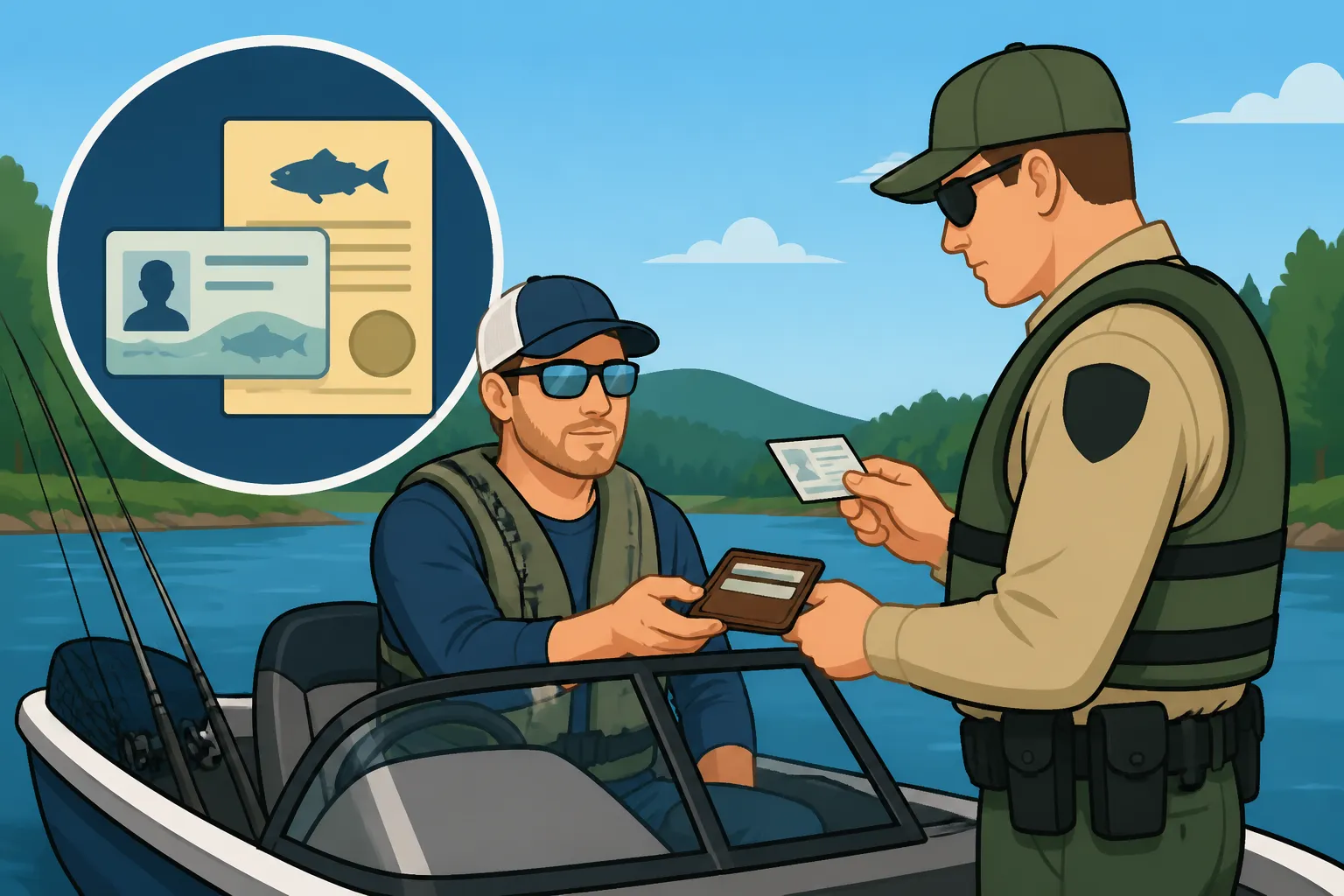
Once they've safely pulled alongside, the warden will introduce themselves and explain why they've stopped you. They'll typically ask for a few key things. This is precisely what's covered in our internal post, What Wardens Check When They Stop an Angler?.
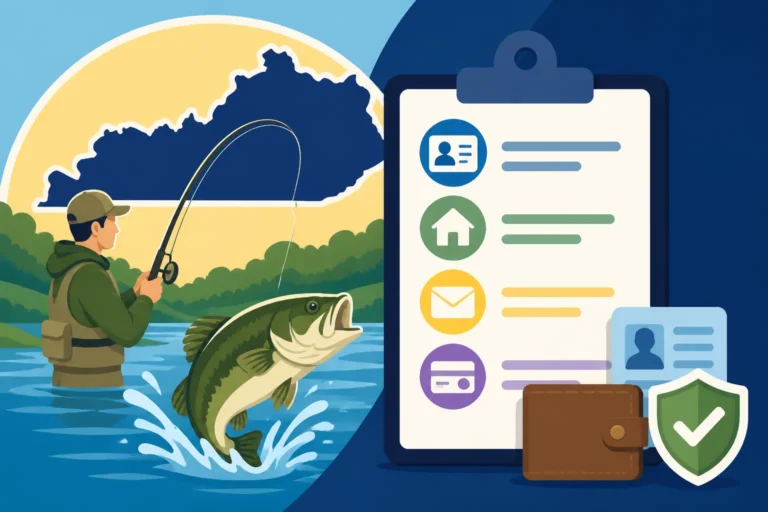
- Your Fishing License and Photo ID: This is almost always the first request. Have your valid Kentucky fishing license ready. Whether it's a physical paper copy or a digital version on your phone, make sure it's accessible. They'll also ask for a photo ID, like your driver's license, to verify your identity and residency. Remember, the license year typically runs from March 1st to the last day of February, so always double-check your expiration date before heading out.
- Trout Permit (if applicable): If you're fishing in designated trout waters or have trout in your possession, they will also ask to see your Kentucky Trout Permit Guide. This is a separate endorsement needed in addition to your general fishing license.
- Boat Registration and Proof of Ownership (if applicable): If you're in a boat, they'll ask to see your boat's registration. Make sure it's current and readily available. This is crucial for verifying that the vessel is legally operated.
- Safety Equipment Inspection: This is a big one. Game wardens are also enforcing boating safety laws. They will check for required safety equipment, which includes:
- Life Jackets: Ensure you have enough Coast Guard-approved life jackets for every person on board, and that they are easily accessible and in good condition. If you have kids under 12, they must be wearing a life jacket while the boat is underway. You can find excellent options, often at competitive prices, on sites like Amazon. For a full rundown, see our article on Life Jacket Rules for Boats in Kentucky and Kentucky Boating Safety Gear Checklist.
- Fire Extinguisher: Boats with enclosed engine compartments or permanently installed fuel tanks generally require a marine-grade fire extinguisher.
- Sound-Producing Device: You'll need a whistle, horn, or other device capable of producing an audible signal.
- Navigation Lights: If it's near dusk, dawn, or dark, they'll check that your navigation lights are working.
- Throw Cushion/Type IV PFD: Boats 16 feet or longer (unless it's a canoe or kayak) typically need one throwable flotation device.
- Fish Inspection: They'll want to see any fish you've caught. Be prepared to show them the contents of your livewell or cooler. They'll be checking for:
- Species Identification: Making sure you haven't mistakenly kept a protected species.
- Size Limits: Verifying that your fish meet any minimum or maximum size requirements for that particular body of water and species. Have a measuring device handy, which you can easily purchase from places like Amazon, to ensure your catch is legal before it hits the livewell.
- Bag Limits: Counting your catch to ensure you haven't exceeded the daily creel limit for each species.
Essential Documents and Equipment for a Smooth Check
Being prepared is key to a stress-free interaction. Think of it like packing your fishing tackle – you wouldn't go out without your lures, so don't go out without your essential documents and safety gear.
Your Fishing License and Identification
Having your fishing license readily available is non-negotiable. It's the most basic requirement for legal fishing in Kentucky.
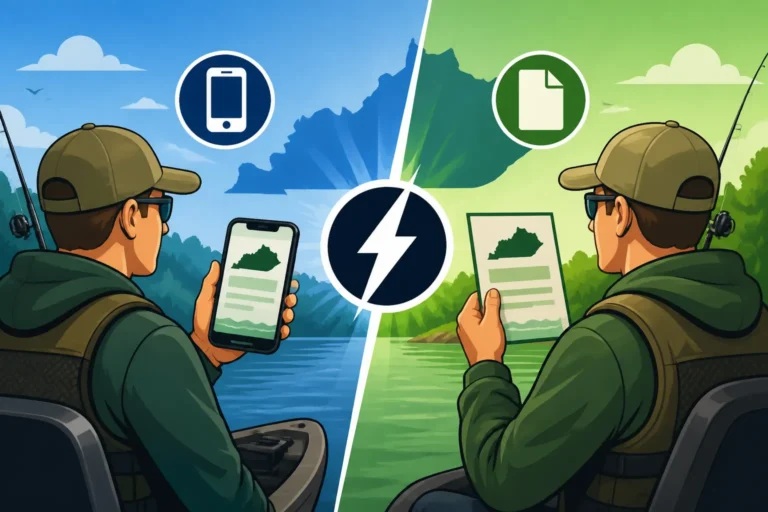
- Physical vs. Digital Licenses: Kentucky allows for both! You can carry a physical copy that you've printed out after purchasing online or received from a vendor. Or, you can have a digital copy stored on your smartphone. Many anglers prefer the digital option for convenience, but make sure your phone is charged and readable. This is specifically covered in Digital vs Printed Kentucky Fishing License on the Water. Just make sure you know how to access it quickly, especially if you're out on a bright, sunny day and glare is an issue.
- Photo Identification: Always carry a valid form of photo ID, such as a driver's license or state ID card. The warden needs to verify that the person whose name is on the license is indeed you. This is also important if you need to explain your residency for a resident vs. Kentucky Nonresident Fishing License Guide.
- Trout Permit: If you're targeting trout, or fishing in waters where trout are present (like some sections of Lake Cumberland or specific streams), you'll need this endorsement. It's a small additional cost, but absolutely necessary. You can often add it when you How to Get a Fishing License in Kentucky or even afterwards online.
Required Boating and Safety Equipment
Beyond your fishing credentials, if you're in a boat, kayak, or canoe, you'll need to meet specific safety requirements. These are designed for your safety and the safety of others on the water.
- Life Jackets (PFDs): As mentioned, every person on board needs a Coast Guard-approved Personal Flotation Device (PFD). They must be in serviceable condition, meaning no rips, tears, or broken buckles, and the right size for the intended wearer. Think about keeping them in an easily accessible storage compartment, not buried under a pile of gear. You can find a wide range of PFDs, from basic vest types to inflatable options, on Amazon or at local sporting goods stores. Our article on Essential Safety Gear for Every Boat in Kentucky provides a handy checklist.
- Fire Extinguisher: Most powerboats require at least one Type B-I fire extinguisher. Check your vessel's specific requirements, especially if it has an inboard engine, fuel tanks, or galleys.
- Sound-Producing Device: A whistle or air horn is mandatory to signal other boaters or alert for help. These are small, inexpensive items that are often overlooked.
- Navigation Lights: If you're on the water between sunset and sunrise, or during periods of restricted visibility, your boat's navigation lights (red/green bow lights and an all-around white stern light) must be operational. Test them before you launch!
- Throwable Flotation Device: Boats 16 feet and longer (excluding canoes and kayaks) must have one Type IV throwable PFD (like a cushion or ring buoy) on board, immediately available for use.
Here's a quick summary table of what to keep readily accessible:
| Category | Item | Notes |
|---|---|---|
| Personal | Kentucky Fishing License | Physical or digital copy, easily accessible. |
| Photo Identification | Driver's license or state ID. | |
| Kentucky Trout Permit | Required for trout fishing/possession. | |
| Boating Safety | Life Jackets (PFDs) | One Coast Guard-approved, serviceable PFD per person (kids under 12 wearing). |
| Fire Extinguisher | Required on most powerboats. | |
| Sound-Producing Device | Whistle or horn. | |
| Navigation Lights | Functional if operating between sunset/sunrise or in low visibility. | |
| Throwable PFD (Type IV) | For boats 16 feet and over (excl. canoes/kayaks). | |
| Boat Registration/Title | Current and available. | |
| Fishing Specific | Measuring Device (Ruler/Tape) | Essential for verifying fish size limits. Good options on Amazon. |
| Cooler/Livewell | For inspection of catches. |
Navigating Common Concerns and Preventing Issues
Even with the best intentions, sometimes things can go wrong or lead to misunderstandings. Knowing how to handle these situations can prevent a minor inconvenience from becoming a major headache.
What to Do If Your License is Lost or Expired
This is a common fear, and thankfully, Kentucky has systems in place to help.
- Lost License: If you realize you've lost your fishing license while on the water, don't panic. First, double-check if you have a digital copy on your phone. If not, the KDFWR system allows wardens to look up your license by your name and date of birth. While it's always best to have proof in hand, they can often verify it. For details, read What to Do If You Lose Your Kentucky Fishing License. If you're heading out and realize it's gone, you can quickly purchase a duplicate or reprint online before you even leave the house.
- Expired License: This is a tougher situation. If your license has expired, you are, technically, fishing without a license. This can lead to Penalties for Fishing Without a License in Kentucky, which can include fines and potentially even confiscation of gear. The Kentucky fishing license year runs from March 1 to February 28, so it's easy to forget that renewal date. Many anglers set a reminder on their phone or calendar for late February to renew their license online.
- Kids and Licenses: Don't forget the rules for younger anglers! In Kentucky, residents under the age of 16 do not need a fishing license. However, non-residents who are 12 and older do need a license. This is an important detail, especially when taking the family out. Our guide on Kentucky Fishing License Requirements for Kids has all the specifics.
Handling Bag and Size Limit Compliance
This is where a good measuring device and a clear understanding of regulations come into play.
- Know the Rules: Before you even launch, check the KDFWR fishing guide for the specific lake or river you're fishing. Many larger lakes have site-specific regulations that differ from statewide limits. For example, Lake Barkley has specific bass size limits that vary from other waters. There's nothing more frustrating than catching a great fish only to find out it's illegal to keep.
- Measure Immediately: When you catch a fish you intend to keep, measure it immediately and accurately. A small, retractable measuring tape or a stick-on ruler on your boat can be invaluable. Don't eyeball it! If it's borderline, it's always safer to release it. You can pick up reliable measuring tools from Amazon before your next trip.
- Keep Your Catch Separated: If you're targeting multiple species with different limits, try to keep them somewhat separated in your livewell or cooler. This makes it easier for you and the warden to verify limits without having to dig through everything.
- Release Unwanted Fish Promptly: If a fish is undersized, oversized, or you simply don't want to keep it, release it as quickly and gently as possible to maximize its chances of survival.
Addressing Other Potential Issues
Sometimes issues arise that aren't directly related to licenses or fish.
- Boating Under the Influence (BUI): Just like driving a car, it's illegal and incredibly dangerous to operate a boat while impaired. Wardens are always on the lookout for signs of BUI, and the penalties are severe.
- Illegal Gear: Be sure you're using legal fishing methods and gear. Using more than the allowed number of lines, using illegal types of nets, or snagging fish are all prohibited. If you're unsure about a certain piece of equipment, it's best to consult the KDFWR regulations or ask a warden directly.
- Respecting Private Property: While not always an on-water check item, wardens do respond to complaints about trespassing. Be mindful of where you're anchoring or wading, and always respect private property lines.
By staying informed, being prepared, and approaching any interaction with a game warden with a calm and cooperative attitude, you can ensure your time on Kentucky's beautiful waters remains enjoyable and free of unnecessary stress. Happy fishing, everyone!
Disclaimer
The information provided in this guide is for general informational purposes only and does not constitute legal advice. While we strive to offer accurate and up-to-date information, fishing regulations and laws in Kentucky can change. It is always the angler's responsibility to consult the official Kentucky Department of Fish and Wildlife Resources (KDFWR) regulations and local ordinances before engaging in any fishing activities. Compliance with all applicable laws is essential.