Where to Catch Walleye on Lake Cumberland
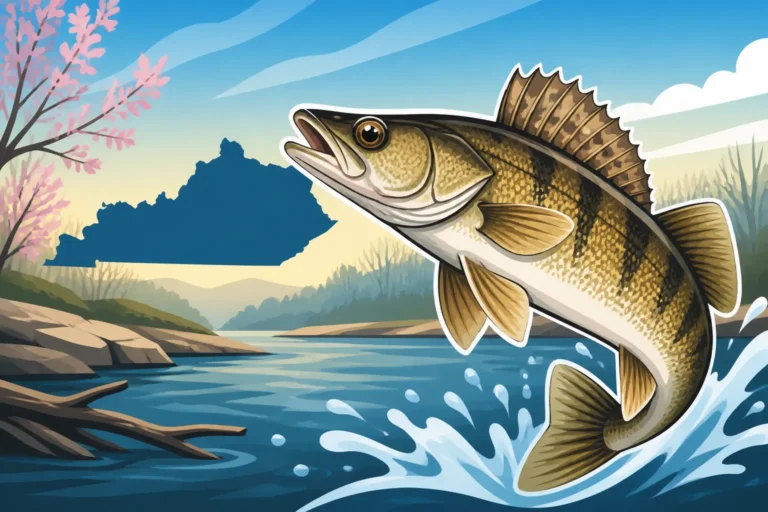
Finding walleye on Lake Cumberland can feel like searching for a needle in a haystack, especially when you're faced with its immense size and incredible depths. This sprawling reservoir, known for its pristine, clear waters and challenging fishing, often leaves anglers scratching their heads, wondering where these elusive, toothy predators hide. But don't you worry, because this comprehensive guide is here to break down exactly where and how to increase your chances of success, making your next trip to Lake Cumberland a truly rewarding walleye hunt.
Understanding Walleye Behavior on Lake Cumberland
Before you even think about dropping a line, it's really helpful to get inside the head of a Lake Cumberland walleye. These fish aren't like your typical aggressive bass; they're often much more subtle, light-sensitive, and prefer specific habitat features. Their behavior changes dramatically with the seasons, water temperature, and even the time of day, making them a fascinating, albeit sometimes frustrating, target. Knowing their patterns is your first step to unlocking this lake's walleye potential.
Seasonal Movements and Preferred Depths
Walleye in Lake Cumberland are masters of adapting to their environment, constantly moving between shallow feeding grounds and deeper, more comfortable holding areas. In the spring, when water temperatures start climbing into the high 40s and low 50s, these fish make their way to shallower rocky areas to spawn. This is a prime time to target them, as they become more concentrated and aggressive. As the lake warms into summer, they'll retreat to cooler, deeper water, often suspending over structure or hugging the bottom in 30-60 feet, or even deeper, especially during the brighter parts of the day.
Come fall, as the water cools, walleye will start to spread out, often moving to shallower points and flats during low light conditions to feed before winter truly sets in. And in winter? They’ll typically be found deep, often relating to main lake humps, points, and channel swings, where they can be targeted with vertical presentations. It’s a constant dance with the thermometer and the sun, and if you can learn the steps, you're well on your way to success.
Key Forage and Habitat Preferences
Walleye are opportunistic feeders, but in Lake Cumberland, their diet is largely driven by the available baitfish. Threadfin and gizzard shad are major players, and walleye will follow these schools throughout the lake. However, don't underestimate the importance of other prey like alewives or even smaller panfish, especially for larger walleye.
As for habitat, walleye are drawn to structure. Think deep rocky points, submerged humps, ledges, creek channel edges, and even old timber fields that offer ambush points. The clearer waters of Lake Cumberland mean they often prefer areas with some cover or turbidity during the day to avoid bright sunlight. Understanding the nuances of where walleye are found is crucial, and you can often find great insights into general patterns by looking at a broader Kentucky Fishing Regulations Explained guide or specific discussions on Lake Cumberland: Kentucky's Best All-Around Fishing Lake.
Top Walleye Hotspots on Lake Cumberland
Lake Cumberland is absolutely massive, covering over 50,000 acres, so just saying "Lake Cumberland" isn't exactly a precise fishing spot. To truly maximize your chances, you need to know the specific areas that consistently produce walleye. These aren't secrets by any means, but they are locations where the combination of forage, structure, and depth create ideal conditions for walleye to thrive at various times of the year.
The Wolf Creek Dam Area and Tailwater
Without a doubt, the area around Wolf Creek Dam and its tailwater below is a perennial walleye hotspot. The release of water from the dam creates current, which concentrates baitfish and, in turn, draws in walleye. This makes the area a fantastic option, particularly in spring and fall, but it can produce year-round.
Below the dam, in the Cumberland River itself, walleye can often be found in the deeper holes and eddies where they can escape the current but still ambush passing bait. Anglers often fish from the bank or from boats, casting jigs, crankbaits, or live bait. Remember, fishing here requires an understanding of specific flow rates and safety protocols due to the powerful water releases. When the dam is generating power, the current can be very strong. However, don't forget the main lake side of the dam as well; the sheer depth and rocky structure right near the dam can hold walleye that aren't quite ready to commit to the current. Many local guides listed on platforms like FishingBooker specialize in this precise area.
Deep Water Humps and Points in Main Lake Basins
As the seasons progress, especially in summer and early winter, many walleye move out to the main lake basins and relate to deep water humps, long tapering points, and submerged islands. These are typically structures that rise significantly from the surrounding bottom, providing prime ambush locations. You'll often find them in 25-60 feet of water, sometimes even deeper.
To find these spots, a good fish finder is absolutely essential. Look for distinct changes in depth, baitfish schools, and isolated cover like submerged timber or rock piles on your electronics. Places like the large main lake humps near the mouth of Otter Creek or the deep points around the Jamestown Marina can be highly productive. These spots require precise boat control and presentation, often involving vertical jigging or slow trolling.
Major Creek Arms: Caney Fork, Fishing Creek, and Indian Creek
The larger creek arms on Lake Cumberland, such as Caney Fork, Fishing Creek, and Indian Creek, are excellent walleye territories, especially during the spring spawn and throughout the fall. These arms offer a variety of habitats, from shallower flats and rocky banks to deeper channels that wind through the coves.
In the spring, walleye will move into the shallower portions of these creeks, seeking out gravel beds and rocky areas to spawn. Later in the year, they'll retreat to the creek channels, relating to drops-offs, ledges, and submerged timber. Fishing the mouths of these creeks where they meet the main lake is often productive, as it serves as a staging area. Don't be afraid to explore the entire length of these arms; sometimes the best spots are further back from the main lake, away from heavy boat traffic.
Effective Techniques and Seasonal Strategies
Catching walleye on Lake Cumberland isn't usually about blind casting; it's a strategic game of matching your technique to the conditions, the season, and the specific area you're fishing. Being versatile and willing to adapt your approach is key to consistently putting these fish in the boat.
| Season | Typical Depth (Feet) | Preferred Technique | Best Baits/Lures | Time of Day | Notes |
|---|---|---|---|---|---|
| Spring | 10-25 | Casting, Trolling | Jigs, Crankbaits, Live Minnows | Dawn/Dusk, Overcast | Walleye move shallow for spawning; target rocky banks, points, and creek mouths. More aggressive bite. |
| Summer | 30-60+ | Trolling, Vertical Jigging | Deep-diving Crankbaits, Spoons, Crawler Harnesses | Early Morning, Night | Walleye seek cooler, deeper water. Look for suspended schools or fish relating to deep structure. |
| Fall | 15-40 | Casting, Trolling | Crankbaits, Jigs, Live Shad | Dawn/Dusk, Overcast | Walleye become active feeders before winter. Target points, humps, and creek channels, especially during low light. |
| Winter | 40-70+ | Vertical Jigging | Blade Baits, Heavy Spoons, Jigs | Mid-day | Walleye are concentrated deep on main lake structure. Slow, subtle presentations are often most effective. |
Trolling for Deep-Water Walleye
Trolling is perhaps one of the most consistent ways to catch walleye on Lake Cumberland, especially during the summer and fall when fish are often suspended or spread out in deeper water. This method allows you to cover vast amounts of water and present your bait to a wide range of depths.
The key to successful trolling on Lake Cumberland is to match your lure depth to where the fish are holding. Deep-diving crankbaits are a staple, often used with planer boards to spread out your lines and cover more area. Consider long-lining Rapala Deep Tail Dancers, Bandit Walleye Deep, or other deep-running lures that can reach depths of 20-30 feet or more. You'll want to troll slowly, typically between 1.5 and 2.5 miles per hour, adjusting your speed until you find what triggers bites. Sometimes, using an inline planer board system can help you present your baits even further out and away from the boat, which can be critical in Lake Cumberland's clear waters.
Another effective trolling setup involves using a bottom bouncer with a crawler harness. This is particularly deadly when walleye are hugging the bottom on humps or ledges. The bottom bouncer keeps your bait (usually a nightcrawler) just off the bottom, enticing those bottom-oriented fish. Finding the right trolling speed and depth can be a game-changer, and guides often have these dialed in; if you're ever looking for a local expert, many can be found on FishingBooker.
Vertical Jigging and Live Bait Presentations
When walleye are concentrated on specific pieces of structure, like a deep hump or a channel swing, vertical jigging can be incredibly effective. This technique involves positioning your boat directly over the fish you see on your electronics and dropping a jig or spoon straight down to them.
Blade baits, heavy spoons, and bucktail jigs are all excellent choices for vertical jigging. The presentation is usually a lift-and-drop motion, letting the lure fall on a semi-slack line to create a fluttering action. Pay close attention to your electronics, as bites can often be very subtle – just a slight "thump" or a feeling of added weight. Live bait, especially minnows or nightcrawlers fished on a slip-bobber rig or a simple plain hook and split shot, can also be deadly when vertically fished in tight to structure. This is often a go-to method during colder months when fish are less active. You can find more specific advice on jigging techniques in guides like How to Jig for Sauger in Cold Water, which shares similar principles.
Night Fishing for Walleye
Walleye are notoriously light-sensitive, which makes night fishing an incredibly productive strategy, especially during the summer months when they retreat to deep water during the day. As the sun sets, walleye often move shallower to feed under the cover of darkness.
For night fishing, focus on rocky points, shallow humps, and the edges of creek channels. Trolling shallow-running crankbaits or casting stickbaits like a Rapala Husky Jerk or Smithwick Rattlin' Rogue in baitfish patterns can be highly effective. Another excellent technique is casting jigs tipped with a grub or a live minnow near lighted docks, which often attract baitfish. Be sure to have all your safety gear, navigational lights, and headlamps in order before heading out after dark. A quiet approach is paramount, as noise can easily spook fish in the clear water.
Essential Gear for Lake Cumberland Walleye
Having the right gear won't guarantee you a walleye every time, but it will certainly improve your chances and make the experience much more enjoyable. Lake Cumberland walleye fishing often demands specific setups to handle the lake's depths, clear water, and the sometimes subtle bites of these fish.
Rods, Reels, and Line Choices
For Lake Cumberland walleye, you'll generally want a versatile setup that can handle both trolling and jigging. A medium-light to medium power spinning rod, around 6'6" to 7' in length, with a fast action tip is a great all-around choice. This provides enough backbone to fight a decent fish but enough sensitivity to detect those faint bites. Paired with a 2000 or 2500 series spinning reel, spooled with 8-10 pound braided line and a 6-8 pound fluorocarbon leader, you'll have a sensitive and strong combination. The braid offers incredible sensitivity for feeling subtle bites, while the fluorocarbon leader is virtually invisible in the clear water.
For trolling, a medium power, moderate action casting rod, around 7' to 8'6" in length, paired with a line-counter reel, is ideal. This allows you to precisely control your lure depth. Spool these with 10-12 pound monofilament or fluorocarbon, as the stretch can be beneficial when trolling to absorb shock from waves or sudden strikes. You can often find general recommendations for various species in a broader guide on Best Rods and Reels for Kentucky Fishing.
Lures, Baits, and Terminal Tackle
Your tackle box for Lake Cumberland walleye should be well-stocked with a variety of options. As mentioned, deep-diving crankbaits are essential, especially in natural baitfish colors like silver, blue/chrome, or perch patterns. Don't forget some brighter colors like firetiger for stained water or aggressive fish. For jigging, pack an assortment of 1/4 to 1/2 ounce jigs (or heavier for very deep water), along with soft plastic grubs, paddle tails, and minnow imitation bodies. Blade baits and spoons in silver, gold, and white are also crucial for vertical presentations.
Live bait is often indispensable, especially for finicky walleye. Fresh live minnows (shiners or fatheads) are a top choice, as are nightcrawlers, which are deadly on crawler harnesses. Consider bringing some leeches as well. As for terminal tackle, ensure you have a selection of small, sharp hooks (Aberdeen or Kahle style), split shot weights, swivels, and slip bobbers.
Essential Electronics and Boat Setup
On a lake as vast and deep as Lake Cumberland, good electronics are not just helpful; they are absolutely critical. A quality fish finder with GPS capabilities is non-negotiable. Look for models with side imaging and down imaging, which will allow you to scan wide areas for structure and fish, as well as get a detailed view directly below your boat. Brands like Humminbird and Lowrance offer excellent options. The GPS will help you mark productive spots, navigate safely, and return to specific waypoints. For more on this, you might check out resources like Fish Finders and Electronics for Kentucky Lake Fishing, as many principles apply here too.
For boaters, a reliable trolling motor, preferably with GPS spot-lock capabilities, will be a game-changer. It allows you to hold your position precisely over a deep hump or along a contour line without constantly running your main engine. This quiet operation is also less likely to spook fish in the clear water. Beyond that, make sure your boat is equipped with all necessary safety gear, including life jackets, navigation lights, and a first-aid kit.
Disclaimer
Fishing conditions and regulations in Kentucky can change. While we strive to provide the most current and accurate information, it's always your responsibility to verify all rules, regulations, and licensing requirements with the Kentucky Department of Fish and Wildlife Resources before you head out on the water. Stay safe and enjoy your time fishing!