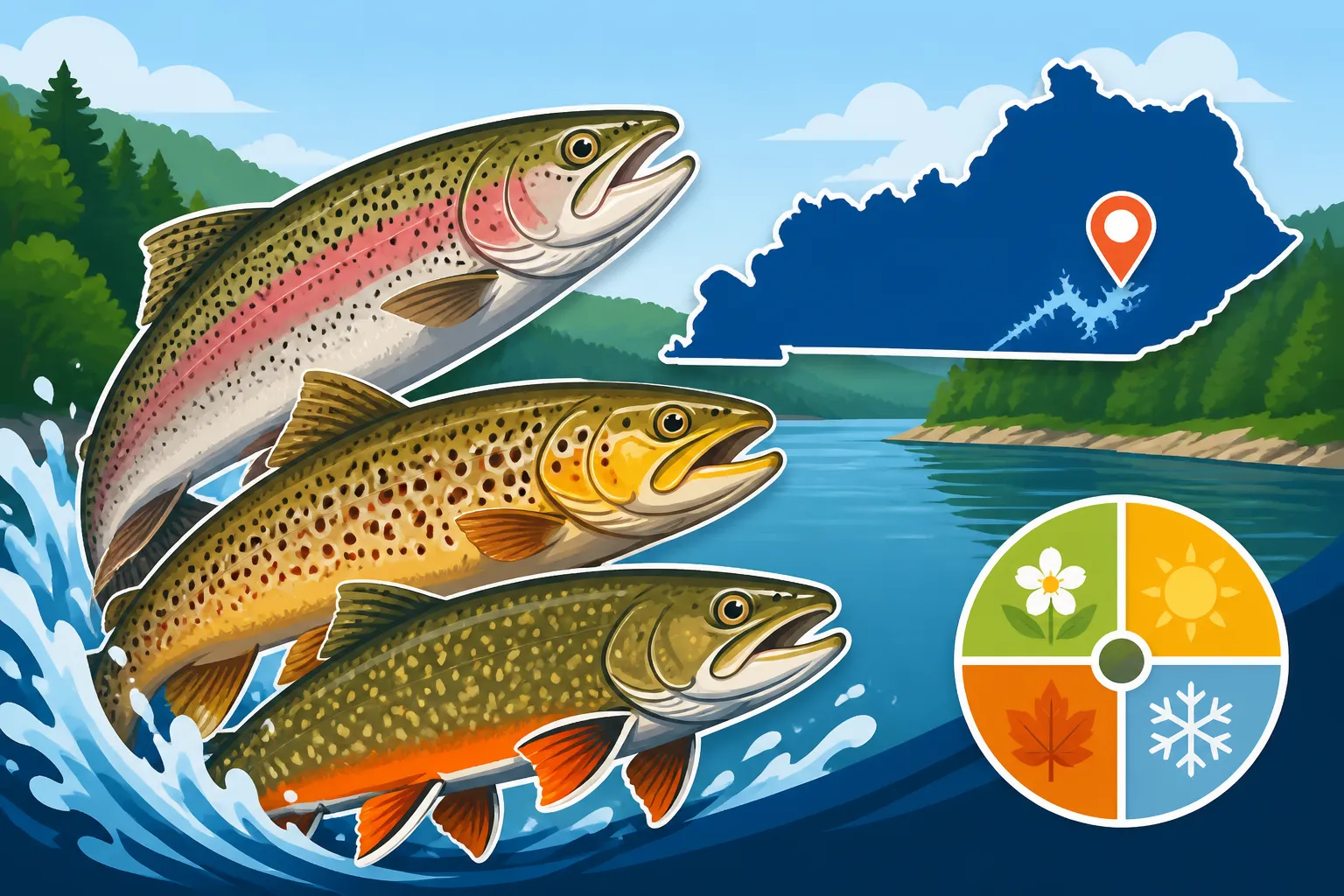
What Trout Are Stocked at Lake Cumberland Each Season
There's nothing quite like the thrill of a trout biting your line, especially when you're out on the expansive, crystal-clear waters of Lake Cumberland. Many anglers, both seasoned veterans and eager newcomers, often wonder what exact species of trout they can expect to encounter and, more importantly, what the Kentucky Department of Fish and Wildlife Resources (KDFWR) is doing to keep this premier fishery thriving. It can be a little confusing trying to figure out the stocking details, especially with so many rumors flying around, but understanding the stocking program is key to a successful and enjoyable trip. This guide is designed to demystify the trout stocking process on Lake Cumberland, shedding light on the species you'll find, the efforts behind their presence, and how you can best target them throughout the seasons.
The Trout Species Calling Lake Cumberland Home
Lake Cumberland, with its deep, cold waters, provides an exceptional environment for certain trout species that thrive in cooler temperatures. While not all trout species can survive year-round in every part of Kentucky, the unique characteristics of Lake Cumberland, particularly its vast depth and the cold-water discharge from Wolf Creek Dam, create perfect conditions for a robust trout fishery. This has allowed the KDFWR to focus on stocking specific species that have proven to be highly successful and popular with anglers.
Rainbow Trout: The Colorful Mainstay
When you talk about trout fishing in Lake Cumberland, the first species that usually comes to mind, and for good reason, is the rainbow trout. These beautiful fish, known for their iridescent stripe along their sides and their acrobatic fights once hooked, are the backbone of Lake Cumberland's trout program. They are consistently stocked in significant numbers because of their adaptability and their willingness to bite a variety of baits and lures, making them a favorite for anglers of all skill levels. The KDFWR ensures a steady supply of rainbows to maintain the fishery, often stocking thousands upon thousands of these fish throughout the year.
The reason rainbow trout do so well here is twofold: the consistent cold water and their relatively fast growth rate. While they don't reproduce naturally in large numbers in the main lake, the continuous stocking program makes up for it. Anglers often find rainbow trout congregating in the cooler, deeper sections of the lake, especially near the dam and in the lower reaches of major creek arms during warmer months. During the cooler seasons, they might spread out more, offering fantastic opportunities for those willing to brave the chill. Catching a shimmering rainbow on Lake Cumberland is a truly rewarding experience, whether you're using a simple worm and bobber setup or intricate fly-fishing patterns.
Brown Trout: The Elusive Challenge
While rainbow trout are the workhorses of the stocking program, brown trout offer a different kind of thrill for the dedicated angler. These trout are famed for their beautiful, spotted patterns and their reputation for being a bit more elusive and harder to catch than their rainbow cousins. Brown trout are known to grow to impressive sizes, offering a potential trophy catch that can really test your angling skills. They are also stocked in Lake Cumberland, though typically in lesser numbers than rainbows, primarily to provide that exciting challenge and diversify the fishery.
Brown trout often exhibit more predatory behavior, tending to be less inclined to hit artificial baits right away and frequently preferring live bait or larger lures that mimic forage fish. They are also masters of camouflage and can be found lurking around structure, waiting to ambush prey. Many anglers consider a large brown trout from Lake Cumberland a prized catch, a testament to their patience and skill. If you're looking to target these wily fish, you'll need to think about their habits – they're not always found in the same spots as rainbows, often preferring even deeper, darker holes or areas with more cover. Pursuing a Lake Cumberland brown trout is definitely a step up in the angling game.
Occasional Surprises: The Idea of Other Trout Species
Now, you might be wondering about other trout species. While rainbow and brown trout are the stars of the show in Lake Cumberland, there's sometimes discussion about other types. However, it's crucial to understand that lake trout are generally not stocked in Lake Cumberland by the KDFWR. Their natural habitat often requires even colder, deeper, and more oxygen-rich waters than Lake Cumberland provides on a consistent year-round basis, making it difficult for them to thrive here. You're far more likely to find your angling success with the robust populations of rainbows and browns.
Sometimes, anglers might encounter other species like brook trout or even a rare hybrid, but these are exceptions rather than the rule for Lake Cumberland itself. Brook trout, for example, are typically found in much smaller, colder, high-gradient mountain streams, not large reservoirs like Cumberland. So, while it's fun to dream about an unexpected catch, your focus for trout in Lake Cumberland should squarely remain on the delightful rainbows and the challenging brown trout that are specifically managed for this incredible fishery.
Kentucky's Stocking Program: Keeping the Waters Alive
The thriving trout fishery in Lake Cumberland isn't a happy accident; it's the direct result of a dedicated and continuous stocking program overseen by the KDFWR, in partnership with federal hatcheries. This effort ensures that anglers have consistent opportunities to catch trout, sustaining the lake's reputation as a prime fishing destination. Understanding the mechanics of this program can give you a better appreciation for the effort involved and even help you predict where and when fish might be present.
The "Why" Behind the Stocking
You might ask, "Why do they stock so many trout?" The answer lies in the unique characteristics of Lake Cumberland and the life cycle of trout. While the lake provides excellent habitat in terms of cold water, especially in its deeper sections and the tailwater below the dam, it doesn't offer adequate natural spawning grounds for trout to reproduce in sufficient numbers to support a vibrant fishery. Most of the stocked trout are sterile or have very limited reproductive success in the lake itself. Therefore, without continuous stocking, the trout population would dwindle rapidly.
The KDFWR's primary goal with this extensive stocking program is to enhance recreational fishing opportunities for residents and visitors alike. It's about ensuring that when you purchase your Kentucky Fishing License Guide and your Kentucky Trout Permit Guide, you have a genuine chance to catch these beautiful and exciting fish. This creates a significant economic benefit for the region, drawing anglers from all over who are looking for a quality trout fishing experience. The consistency of the stocking means anglers can plan trips, perhaps even finding guides through services like FishingBooker, with confidence that there will be fish to pursue.
Understanding Stocking Schedules and Sizes
The KDFWR doesn't just dump a truckload of fish in once a year and call it a day. The stocking program for Lake Cumberland is a carefully orchestrated effort. Stockings typically occur throughout the year, though often with a greater frequency during the cooler months when trout are less stressed by warmer surface temperatures and have a better chance of dispersing and acclimating. These stocking events often involve thousands of fish at a time, ensuring a continuous supply.
The size of the trout stocked can vary, but generally, they are "catchable size," meaning they are large enough for anglers to target immediately. This usually ranges from 8 to 12 inches for rainbows, with some larger browns also being released to supplement the trophy fishery. These fish grow rapidly once in the lake, especially if they find an abundant food source, often surprising anglers with their size later in the season. Keeping an eye on the KDFWR's stocking reports can be a huge advantage for planning your Kentucky Fishing Seasons: What to Catch Each Month and getting on fresh fish shortly after they've been introduced.
The Role of the Wolf Creek National Fish Hatchery
A massive component of Lake Cumberland's incredible trout fishery is the Wolf Creek National Fish Hatchery, located right below the Wolf Creek Dam. This federal hatchery is a powerhouse, producing millions of trout annually, a significant portion of which are destined for Lake Cumberland and its tailwaters. It's a truly impressive operation, and it's open to the public, offering a fascinating glimpse into the lifecycle of trout and the monumental effort required to sustain fisheries like Lake Cumberland's.
The hatchery raises both rainbow and brown trout from eggs to catchable size. Their advanced facilities and dedicated staff ensure that healthy, robust fish are available for stocking. This collaborative effort between federal and state agencies is a shining example of successful fisheries management. When you're fishing on Lake Cumberland, particularly near the dam, you're enjoying the direct benefits of the hatchery's tireless work. It's no exaggeration to say that without the Wolf Creek National Fish Hatchery, the phenomenal trout fishing we enjoy on Lake Cumberland simply wouldn't exist.
Best Seasons and Strategies for Lake Cumberland Trout
Knowing what trout are stocked is one thing, but knowing when and how to catch them is the real trick! Lake Cumberland offers fantastic trout fishing opportunities year-round, but your approach will definitely need to adapt with the seasons. The Kentucky Fishing Regulations Explained are your go-to for daily limits and size restrictions, but let's dive into some seasonal and tactical advice for these feisty fish.
Seasonal Breakdown for Trout Fishing
- Spring (March-May): This is often considered one of the prime times for trout on Lake Cumberland. The water temperatures are rising, but still cool enough for trout to be active and spread out. They might move closer to the surface or into shallower coves as they become more comfortable. This is a great time for trolling with small spoons or crankbaits, or casting inline spinners from the bank. The Kentucky's Lake Cumberland Trout Season Explained really starts to heat up during these months.
- Summer (June-August): As surface water temperatures rise, trout will seek refuge in the deeper, cooler sections of the lake, often congregating near the thermocline (the layer where water temperature changes rapidly). Targeting them requires different tactics, often involving downriggers or heavy jigs to reach those depths. Fishing early mornings or late evenings, especially in the tailwaters below the dam, can also be very productive as the surface water is cooler during these times. Don't forget, even in summer, the deep water remains cool enough for them.
- Fall (September-November): Many anglers consider fall to be another peak season. The lake begins to cool down, and trout become more active and less concentrated in the deepest holes. They'll start feeding aggressively in preparation for winter. Trolling, casting, and even some fly-fishing in the right conditions can be highly effective. The vibrant fall foliage around the lake just adds to the experience, making for picturesque fishing trips.
- Winter (December-February): Don't let the cold deter you! Winter Trout Fishing at Kentucky's Lake Cumberland can be surprisingly good. While fewer anglers are out, the trout are often concentrated in specific areas, especially near the dam and in deep channels. Vertical jigging with small spoons or soft plastics can be incredibly effective. Patience is key, but the reward of a fresh trout on a chilly day is worth it. Plus, you'll often have the lake almost entirely to yourself!
Gear and Techniques for Lake Cumberland Trout
When it comes to tackle, versatility is your friend. A light to medium-light spinning rod and reel combo, spooled with 4-8 lb monofilament or fluorocarbon line, is generally a great all-around setup. For bait, Best Bait for Trout Fishing in Streams often includes corn, worms, powerbait, or small minnows, and these work wonderfully in Lake Cumberland as well. Artificial lures like small inline spinners (e.g., Mepps, Rooster Tail), spoons (e.g., Kastmaster, Little Cleo), and small crankbaits are also highly effective, especially for trolling.
For those who enjoy How to Fly Fish for Stocked Trout, the tailwater section below Wolf Creek Dam is a world-renowned fly-fishing destination. However, you can also have success fly fishing from a boat in the main lake, particularly during cooler months when trout are closer to the surface. Streamer patterns that imitate baitfish, nymphs, and even dry flies during hatches can all entice strikes. The key is to match the hatch or imitate the forage available. If you're looking for an experienced guide to help you with these techniques, a quick search on FishingBooker could link you up with local experts who know Lake Cumberland's secrets.
Navigating the Deep Waters: Finding Trout
Lake Cumberland is massive, boasting over 50,000 acres of water and more than 1,255 miles of shoreline, making it one of the largest man-made lakes in the country. Finding trout here means understanding their preferred habitat. As mentioned, they love cold water. In summer, this means finding deep ledges, submerged creek channels, and the areas near the dam outflow where the water is consistently cold. Fish finders and sonar are invaluable tools for locating these depths and even spotting schools of baitfish that trout might be feeding on.
During spring and fall, when water temperatures are more uniform, trout might venture into shallower water, especially early and late in the day. Look for points, humps, and the mouths of creeks. The Best Trout Fishing Spots on Lake Cumberland, Kentucky will often be areas with good structure and access to deeper, cooler water. Don't be afraid to experiment with different depths and presentations until you find what the fish are responding to. Remember, persistence often pays off more than anything else when chasing trout in a big lake.
Beyond the Stocked Fish: Lake Cumberland's Trout Ecosystem
While the stocking program is vital, there's more to Lake Cumberland's trout story than just hatchery fish. The lake and its surrounding waters, particularly the tailwater, create a complex and fascinating ecosystem where these trout truly thrive, growing into impressive specimens that offer incredible challenges and rewards for anglers.
The Tailwater Fishery Below Wolf Creek Dam
Perhaps the crown jewel of Kentucky's trout fishing, and intimately connected to Lake Cumberland, is the Cumberland River tailwater below Wolf Creek Dam. This section of the river is a cold, oxygen-rich environment due to the dam's discharge, making it ideal for trout to not just survive, but truly flourish and even reproduce naturally in some areas. Here, you'll find larger, often wilder, trout that have grown up in the river or have migrated from the main lake. It's an entirely different fishing experience from the main lake, known for its strong currents and bigger fish.
Many anglers specifically target the tailwater for trophy brown and rainbow trout, often using specialized techniques like drift fishing with artificial flies or carefully presented live bait. The fish here are often more pressured and therefore more cunning, requiring precision and finesse. It’s a testament to the KDFWR’s careful management, working with the Wolf Creek National Fish Hatchery, that this world-class tailwater fishery exists, offering a complementary experience to the main lake. This area is so popular that you might even consider hiring a local guide through platforms like FishingBooker to navigate the currents and understand the local bite patterns.
Conservation and Sustainable Fishing Practices
With such a vibrant fishery, it's incredibly important for all anglers to practice responsible and sustainable fishing. This means not only adhering to the Kentucky Fishing Regulations Explained regarding creel limits and size restrictions but also embracing catch-and-release practices, especially for larger, older fish. While stocked trout are often intended for harvest, returning some of those impressive catches, particularly the larger brown trout, helps to maintain the quality of the fishery for future generations.
Using proper handling techniques when releasing fish, such as minimizing air exposure and handling them gently with wet hands, can significantly increase their survival rates. Beyond individual actions, supporting organizations that work for aquatic conservation and advocating for clean water policies ensures that Lake Cumberland remains a healthy and productive environment for trout and all other aquatic life. Lake Cumberland: Kentucky's Best All-Around Fishing Lake isn't just about the quantity of fish; it's about the quality of the resource and the experience it provides.
Understanding Your Kentucky Trout Permit Costs
Before you even cast a line, it’s vital to ensure you’re properly licensed. Fishing for trout in Kentucky, including in the bountiful waters of Lake Cumberland, requires not only a standard Kentucky fishing license but also a special trout permit. This is a common point of confusion for new anglers, but it’s a straightforward requirement that helps fund the very stocking programs we’ve been discussing.
The Standard Fishing License Requirement
First and foremost, any resident or non-resident angler aged 16 and older needs a valid Kentucky fishing license to fish in public waters. This license is your basic entry ticket to fishing in the Commonwealth. There are different options, such as an Kentucky Resident Annual Fishing License Costs $24.31 or a Kentucky Resident 1-Day Fishing License Costs $7.40, depending on how long you plan to be on the water. Non-residents also have their own options, like the Kentucky Nonresident Annual Fishing License Costs $58.14. It's crucial to pick the one that best suits your trip duration. Remember, these licenses are valid from March 1st of one year to the last day of February the following year.
The Mandatory Trout Permit
On top of your general fishing license, if you plan to fish for trout, you absolutely must purchase a trout permit. This isn't just a suggestion; it's a legal requirement. The Kentucky Trout Permit Costs $10.57 for Everyone, whether you're a Kentucky resident or an out-of-state visitor. This permit helps directly fund the trout stocking programs carried out by the KDFWR, ensuring that those beautiful rainbow and brown trout continue to be released into waters like Lake Cumberland. Think of it as a direct investment in the fishery you're enjoying!
It's a common misconception that if you're only targeting trout for a single day, a one-day fishing license might cover it. But no, the trout permit is always an additional requirement. So, if you buy a Kentucky Resident 1-Day Fishing License Price, you still need to add the trout permit if your goal is to catch trout. You can often buy both simultaneously when you purchase your license online, at a county clerk's office, or from a licensed vendor.
What About Kids and Seniors?
The rules around licenses and trout permits for children are quite clear: Do Kids Need a Fishing License in Kentucky? The answer is no, if they are under the age of 16. However, if a child under 16 wants to fish for trout, they do still need a trout permit. It’s a bit of an exception but important to remember. So, while your 10-year-old doesn't need a full fishing license, if they want to reel in a rainbow at Lake Cumberland, they will need that specific trout permit.
For seniors, Kentucky offers some fantastic options. Residents aged 65 and older have access to reduced-cost annual licenses or even a Kentucky Senior Lifetime Sportsman's License Cost, which bundles fishing, hunting, and the trout permit all into one convenient, long-term purchase. This is a significant benefit for older anglers who plan to enjoy Kentucky's outdoors for years to come.
Understanding these license and permit requirements is not just about avoiding Penalties for Fishing Without a License in Kentucky; it's about contributing to the conservation efforts that make Kentucky fishing, especially for trout on Lake Cumberland, so exceptional. Always double-check current regulations before heading out, as rules can occasionally change.
Table: Stocked Trout Species and Typical Characteristics in Lake Cumberland
To give you a quick overview of what to expect, here's a table summarizing the main trout species stocked in Lake Cumberland:
| Trout Species | Primary Stocking Status | Typical Size at Stocking | Growth Potential | Primary Food Source | Angling Challenge |
|---|---|---|---|---|---|
| Rainbow Trout | Heavily & Consistently Stocked | 8-12 inches | Good (up to 20+ inches) | Insects, Crustaceans, Small Fish, Pellets | Moderate, Readily Bites |
| Brown Trout | Regularly Stocked (Fewer Numbers) | 8-15 inches | Excellent (up to 30+ inches) | Small Fish, Larger Insects, Crayfish | High, More Elusive |
This table provides a quick reference, but remember that fish behavior can always vary based on conditions, time of year, and even individual fish personality!
Disclaimer
Please remember that fishing regulations, stocking schedules, and local conditions can change. Always check the official Kentucky Department of Fish and Wildlife Resources (KDFWR) website or contact them directly for the most current and accurate information before planning your trip. This guide is for informational purposes only and should not be considered a substitute for official regulations.