Best Bream Fishing Coves on Lake Cumberland, Kentucky
Finding those perfect bream coves on a vast lake like Lake Cumberland can feel like searching for a needle in a haystack, especially with its extensive shoreline and deep, clear waters. It's easy to get overwhelmed trying to pinpoint where these feisty panfish gather for a good bite. This guide is here to cut through the confusion and show you exactly where to find the most productive bream fishing spots on Lake Cumberland, along with the strategies you'll need to reel them in.
Lake Cumberland's Bream Fundamentals: Understanding the Habitat
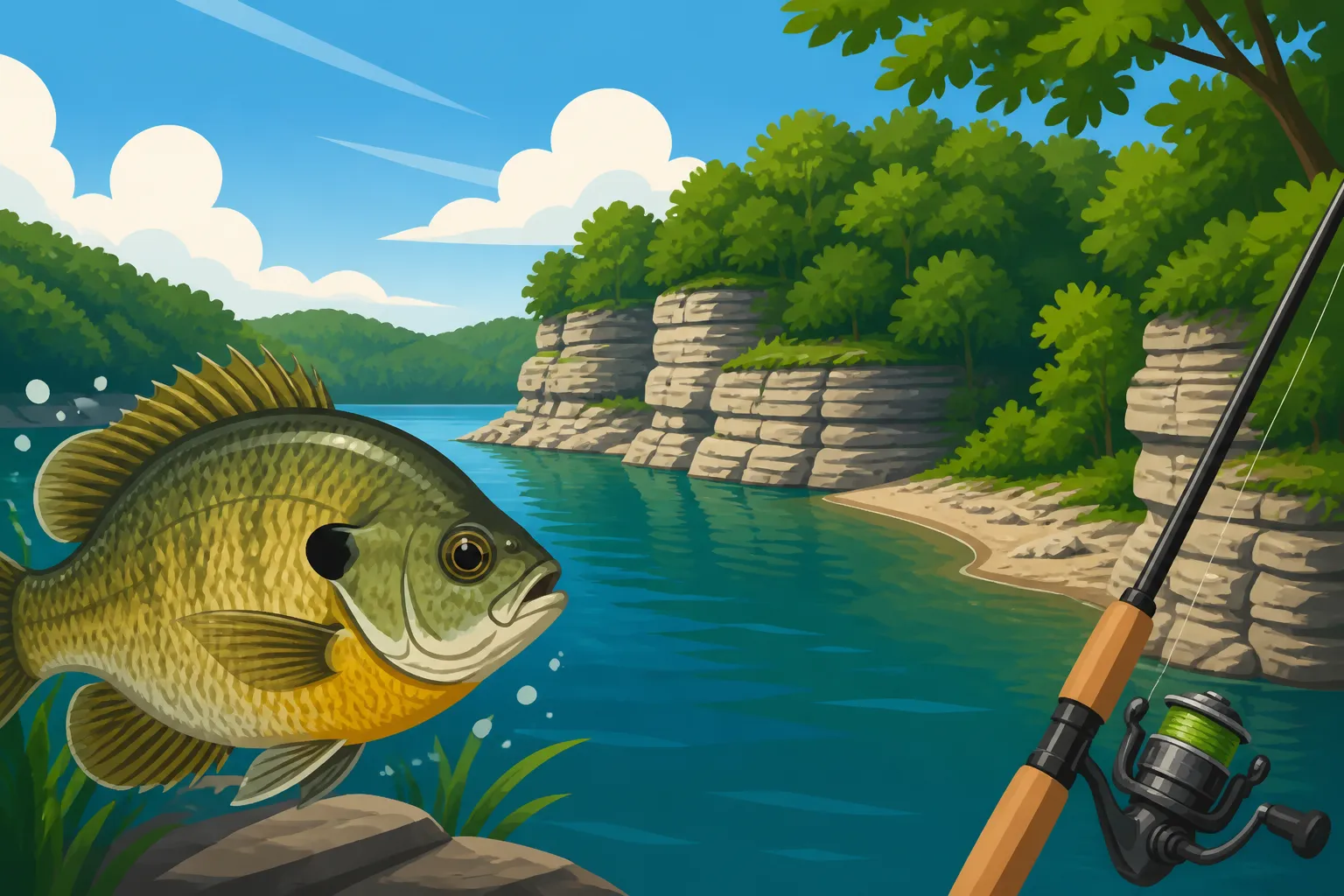
Lake Cumberland is a jewel of Kentucky, renowned for its incredible deep-water fisheries and sprawling beauty. But when you’re targeting bream, also known as sunfish or bluegill, you need a different approach than you would for the lake’s famous bass or walleye. Bream are creatures of comfort, often found near specific types of cover and structure that offer both food and protection. Understanding these preferences is the first step to a successful outing.
The Deep, Clear Water Challenge for Bream
Unlike shallower, murkier lakes, Lake Cumberland's deep, clear waters present a unique challenge and opportunity for bream anglers. The clarity of the water means bream can be a bit warier, making stealth and presentation important. It also means they'll often relate to structure at different depths depending on light penetration and water temperature. While you might expect bream to always be shallow, on Lake Cumberland, they’ll utilize deeper cover more frequently than in other lakes, especially during the brighter parts of the day or in the warmer months. These fish are constantly seeking out that comfortable zone where food is abundant, and predators are less likely to spot them.
Key Habitat Features: Cover and Structure
Bream, regardless of the water body, are almost always found near some form of cover or structure. On Lake Cumberland, this can mean a lot of different things. Think about natural elements like submerged timber, rock outcroppings, brush piles, and weed lines. These natural havens provide excellent ambush points for feeding on insects and small invertebrates, as well as crucial shelter from larger predatory fish like bass and striped bass. Additionally, man-made structures like boat docks, fallen trees near shore, and even riprap around bridges or causeways can be absolute magnets for bream. They offer shade, food sources, and protection, making them prime targets for your efforts. The more complex and varied the cover, often the better the fishing.
Unlocking Lake Cumberland's Bream Hotspots: Specific Coves and Areas
With over 1,200 miles of shoreline, narrowing down the best bream fishing coves on Lake Cumberland can feel daunting. But seasoned anglers know there are certain areas that consistently produce. These coves often share similar characteristics: they have a good mix of shallow, protected water, plenty of natural and man-made cover, and a reliable food supply. Let's explore some of these prime locations from east to west across this magnificent body of water.
Eastern Lake Coves: Indian Creek and Wolf Creek
Starting on the eastern end of Lake Cumberland, near the Wolf Creek Dam area, you'll find some truly fantastic bream opportunities. Indian Creek is a standout, known for its extensive coves and arms that wind far back, offering plenty of protected water. Here, you'll encounter numerous boat docks, submerged brush, and rocky banks that create ideal bream habitat. The shallower back sections of Indian Creek can be particularly productive during the spring spawn, as bream move up to build their nests. As you move into summer, look for bream to pull off these shallower areas and relate to the deeper edges of the docks or submerged timber in the main creek channel.
Wolf Creek, located just a bit further east, is another excellent choice. While it's famous for its trout fishing opportunities downstream from the dam, the upper reaches and numerous large coves within Wolf Creek itself hold an impressive population of bream. The key here is to explore the smaller secondary coves and pockets within the larger creek arm. These often have shallower, warmer water with plenty of laydowns, stumps, and rocky shorelines. Anglers often find success drifting slowly with live bait or small jigs, targeting visible cover or subtle changes in depth. You might even stumble upon an old road bed or creek channel that still holds some hidden bream treasures.
Central and Western Lake Areas: Harmon Creek and Otter Creek
Moving towards the central and western portions of Lake Cumberland, Harmon Creek presents a vast network of coves and protected waters that are perfect for bream. This area, located roughly in the middle section of the lake, is known for its gently sloping banks and a good mix of both natural and artificial structures. Many private docks line the shores of Harmon Creek, and these are absolute magnets for bream, providing consistent shade and cover. Target the pilings, the areas under floating docks, and any brush piles that homeowners might have sunk nearby.
Further west, closer to the Jamestown and Russell Springs areas, Otter Creek offers yet another excellent bream fishery. Otter Creek is characterized by a mix of bluffs, rocky points, and more gradual, timber-filled coves. The bream here will utilize all of these features. During the warmer months, the shaded areas along bluff walls can hold suspended bream, while the shallower, timber-rich pockets are great during the spawn and on overcast days. Don't overlook the many smaller feeder creeks that flow into Otter Creek; these can create current breaks and carry in nutrients, attracting schools of hungry bream. It's often fruitful to spend time slowly dissecting these areas, looking for submerged vegetation or subtle drop-offs where bream might be congregating.
Mastering the Seasons for Cumberland Bream
Just like any other fish species, bream on Lake Cumberland behave differently depending on the season. Water temperature, light penetration, and food availability all play a crucial role in where they'll be found and how aggressively they'll bite. Adapting your strategy to the time of year is paramount for consistent success. You can't expect to catch them in the same spots in January as you would in May!
Spring Spawning Frenzy in Shallow Coves
Spring is arguably the most exciting time to target bream on Lake Cumberland. As the water temperatures begin to rise, typically reaching the mid-60s Fahrenheit, bream move into the shallow coves and protected pockets to spawn. This is when they become most visible and aggressive, making them a prime target for anglers of all skill levels. You'll often find them concentrated in large beds, identifiable by circular depressions on the bottom in 1 to 5 feet of water. These beds are usually located near some form of cover like submerged brush, fallen trees, or even just a slight lip on the bank.
During the spring spawn, focus your efforts on the very backs of coves, along sun-drenched banks, and in shallow flats adjacent to deeper water. Presenting small jigs, crickets, or redworms under a bobber is incredibly effective. The fish are often so focused on reproduction and protecting their nests that they'll strike almost anything that comes close. This is also a fantastic time for shore anglers, as many of these productive spawning areas are accessible from the bank. It's a truly exhilarating experience to watch your bobber disappear as a feisty bream takes the bait!
Summer's Deeper Patterns and Shady Retreats
Once the scorching heat of summer arrives and the water temperatures soar, bream in Lake Cumberland tend to move a bit deeper to find more comfortable, cooler water and more consistent shade. They won't completely abandon the shallow coves, but they will relate more tightly to the deeper edges of structure within those coves. Think about the deeper sides of boat docks, especially those with brush piles sunk nearby. They'll also congregate around submerged timber in 8 to 20 feet of water, or seek refuge in the shade of overhanging trees along bluff walls.
During summer, precision becomes more important. Instead of casting broadly, try to drop your bait or jig directly into the shaded pockets or tight against structure. Fishing vertically can be very effective. Look for areas where feeder creeks enter the main lake, as these can provide cooler water and a consistent food source. Early mornings and late evenings are often the best times for summer bream fishing, as the fish may move slightly shallower during these periods of lower light. Midday can still be productive, but you’ll need to target those deep, shady spots.
Fall Transition and Winter Holds
As fall approaches and the water temperatures begin to drop again, bream will once again become more active and start feeding heavily in preparation for winter. They'll often school up in larger groups and can be found transitioning between their summer haunts and deeper wintering grounds. Early fall can see them shallower, chasing baitfish and insects, but as the water cools further, they'll move towards deeper structure. Look for them around steep drop-offs, the edges of main lake points, and deeper brush piles. The bite might not be as aggressive as during the spring spawn, but the fish you catch can often be larger and in excellent condition.
Winter bream fishing on Lake Cumberland, while less popular, can still be productive for the dedicated angler. The fish will typically hold in very deep water, often congregating in large schools around humps, channel bends, and prominent submerged structures in 20-50 feet of water or even deeper. They’ll be much less active, so a slow, subtle presentation is key. Small jigging spoons or tiny vertically jigged ice jigs tipped with a grub or a wax worm can entice a bite. It takes patience and a good fish finder to locate these winter schools, but when you do, you can often catch quite a few. Remember to dress warmly and prioritize safety when fishing in colder conditions.
Gear Up for Success: Rods, Reels, and Rigging for Bream
To truly enjoy bream fishing on Lake Cumberland and maximize your chances of success, having the right gear is essential. You don't need expensive, high-tech equipment, but a setup tailored for panfish will make a world of difference in your ability to detect bites and land these spirited fighters.
Light Tackle and Line Choices
For bream fishing, an ultralight spinning rod and reel combo is your best friend. A rod in the 5-foot to 6-foot range with a fast or moderate-fast action will provide the sensitivity needed to feel subtle bites and the backbone to handle surprisingly strong bream. Pairing this with a small spinning reel, sized 500 to 1000, spooled with light monofilament line is ideal. Monofilament in the 2 to 4-pound test range is usually perfect. It offers enough strength for bream, has a bit of stretch to absorb sudden runs, and is thin enough for good casting distance with tiny baits.
Many anglers might consider braid, but for bream, its lack of stretch can sometimes cause hooks to pull free from their delicate mouths, especially for less experienced anglers. If you prefer braid for its sensitivity, consider a 6-pound test braid with a 2-4 pound fluorocarbon leader for better shock absorption and less visibility in Lake Cumberland's clear waters. The key is to keep everything light and balanced, allowing for delicate presentations and maximum feel.
The Best Baits and Lures for Lake Cumberland Bream
When it comes to baits for Lake Cumberland bream, a few classics consistently outperform the rest. Live bait is often king, especially when the bite is slow or you're targeting specific beds during the spawn. Crickets are a perennial favorite, as are small redworms or pieces of nightcrawlers. These natural offerings are irresistible to bream. Simply hook them lightly through the head or a small section of the body to allow for natural movement.
For artificial lures, tiny jigs are incredibly effective. Think about 1/32 or 1/64 ounce jig heads, often paired with small plastic grub bodies, tubes, or soft plastic insect imitations. Colors like chartreuse, white, black, and various shades of green or blue work well, but it's always good to experiment to see what the fish prefer on any given day. Small spinners, like Beetle Spins, can also be productive, especially when bream are actively feeding. The flash and vibration can attract fish from a distance. Don't forget tiny spoons for vertical jigging in deeper water, particularly during the colder months. Matching the hatch, or at least the general size of available forage, is always a good rule of thumb.
Strategic Approaches: Techniques and Tips for Productive Bream Fishing
Knowing where the bream are is only half the battle; knowing how to present your bait effectively is crucial. Bream can be finicky, especially in clear water, so a thoughtful approach will yield far better results than simply casting and hoping for the best.
Targeting Structure: Docks, Brush Piles, and Submerged Timber
On Lake Cumberland, effectively targeting structure is the bread and butter of bream fishing. Docks are fantastic starting points. Cast your bait or jig as close to the pilings as possible, or better yet, skip your bait underneath floating docks to reach the shaded areas where bream often congregate. Work your bait slowly, letting it fall naturally. If homeowners have brush piles sunk near their docks, those are goldmines. These offer multiple layers of cover and often hold large schools of bream.
Submerged timber, whether it's fallen trees along the bank or standing timber left over from when the lake was impounded, is another key structure. Pay close attention to any visible logs or stumps, and then use your fish finder to locate additional submerged trees that might not be visible from the surface. Cast your bait so it lands just beyond the timber and retrieve it slowly, allowing it to bump and crawl over the branches. Often, the biggest bream will be holding tight to the densest cover. The more intricate the cover, the more time you should spend working it thoroughly.
Reading the Water and Locating Bream Beds
Reading the water is a skill that develops with experience, but even beginners can start by looking for visual cues. During the spring spawn, keep an eye out for those tell-tale circular depressions on the lake bottom in shallow, protected coves. These are bream beds, and where there's one, there are often many. The fish protecting these nests will be highly aggressive. For those with boats, a quality fish finder can be invaluable. Look for schools of fish holding tight to structure or subtle humps and ledges. Small, individual fish arches might be scattered bream, but tighter clusters usually indicate a school.
Another important aspect of reading the water is understanding the role of current and wind. While Lake Cumberland isn't known for strong currents, subtle movements of water can position fish. Bream will often face into a light current, waiting for food to drift by. Wind can also push baitfish, and thus bream, into certain areas. A light breeze rippling the surface can also help obscure your presence from wary fish. Don't forget about water clarity; if the water is unusually clear, you might need to use lighter line and a more subtle presentation, or focus on deeper or more heavily shaded areas. Checking the lake's current conditions and past fishing reports can also provide valuable insights into where the fish have been biting.
Planning Your Perfect Bream Adventure on Lake Cumberland
A successful fishing trip often comes down to good planning. From understanding the rules and regulations to knowing how you’ll access the water and where to get supplies, a little preparation goes a long way.
Accessing the Lake: Boat Ramps and Shoreline Fishing
Lake Cumberland offers numerous public boat ramps, making it relatively easy to launch your boat and explore the many productive coves. Popular ramps like those at Wolf Creek Dam, Jamestown Marina, State Dock, and Conley Bottom Resort provide good access to different parts of the lake. Make sure your boat and trailer are in good working order before you head out, and always check for any specific ramp rules or fees. For instance, launching and retrieving your boat requires specific etiquette, especially on busy weekends. You can find comprehensive details about these access points and other useful information in our guide on Lake Cumberland Boat Ramps and Access Points in Kentucky.
If you prefer to fish from the bank, don't despair! While a boat offers more flexibility, there are still many excellent shoreline fishing opportunities for bream. Public access points, parks, and even some campgrounds around the lake offer bank fishing access. Look for areas with gentle slopes and plenty of natural cover like fallen trees or rocky outcroppings. The backs of coves, especially during the spring spawn, can be highly productive for shore anglers. Just be mindful of private property and adhere to all posted signs. Some marinas also have public fishing piers that can be great spots for kids and beginners targeting bream.
Hiring a Guide for Lake Cumberland Bream
For those who are new to Lake Cumberland or simply want to maximize their time on the water, hiring a local fishing guide can be an invaluable investment. A professional guide will have intimate knowledge of the lake, including current patterns, the best coves for bream, and the most effective techniques for the season. They can provide all the necessary gear, take you directly to the fish, and offer hands-on instruction to improve your skills. This is especially helpful if you're targeting a specific species like bream, as a guide can help you avoid distractions and focus on the productive areas.
If you're considering a guided trip, platforms like FishingBooker can be an excellent resource. You can browse various charter options, read reviews from other anglers, and compare prices to find a guide that fits your needs and budget. Many guides specialize in panfish trips, making them perfectly suited to help you find those honey holes for bream. Even if you have your own boat, a half-day trip with a guide can be a fantastic way to learn the ropes of a new lake and gain insights you might not discover on your own for years. It's truly one of the fastest ways to shorten the learning curve and start catching more fish.
Regulations and Responsible Angling Practices
Before you even think about dropping a line in Lake Cumberland, it's absolutely crucial to understand the rules. Kentucky has specific fishing regulations that are designed to protect fish populations and ensure healthy fisheries for generations to come. Ignoring these rules can lead to fines and legal trouble, so always be prepared.
Kentucky's Fishing License Requirements
First and foremost, anyone aged 16 or older needs a valid Kentucky fishing license to fish on Lake Cumberland. There are different types of licenses available, including annual, one-day, and even multi-day options, depending on your needs. For instance, a Kentucky Resident Annual Fishing License Costs $24.31, which provides year-round access to the state's waters. Non-residents also have options, such as the Kentucky Nonresident 1-Day Fishing License Costs $15.86. It’s simple to obtain a license online through the Kentucky Department of Fish and Wildlife Resources website, or you can purchase one in person at various vendors across the state. Always carry your license with you when you’re fishing, whether it's a physical copy or a digital one on your phone. Game wardens frequently check for licenses, and it's best to be prepared.
Catch Limits and Fish Care for Bream
While bream are generally abundant, Kentucky does have statewide regulations regarding daily creel limits to manage populations. For crappie, for example, there's a daily limit of 20 fish statewide. However, for most other sunfish species like bluegill, there isn't a statewide daily limit in Kentucky, which is great news for those looking to stock up for a fish fry! That said, it's always a good idea to practice responsible catch and release, especially for the larger "breeder" fish, to ensure future generations of healthy populations. Only keep what you can realistically consume, and handle any fish you plan to release with care, minimizing their time out of water.
When you're keeping fish, be sure to have a cooler with ice ready to properly store your catch. This helps maintain the quality of the meat and keeps the fish fresh until you're ready to clean them. Always check for any specific site-specific regulations for Lake Cumberland itself before you go, as sometimes particular lakes or sections of rivers might have special rules that supersede the general statewide guidelines. Staying informed protects both you and the fishery.
| Season | Typical Location | Preferred Depth | Best Baits/Lures | Notes |
|---|---|---|---|---|
| Spring | Shallow coves, protected flats, spawning beds | 1-5 feet | Crickets, Redworms, Small Jigs (1/32-1/64 oz) | Bream are active and aggressive, visible beds |
| Summer | Deeper edges of docks, submerged timber, shaded banks | 5-20 feet | Crickets, Worms, Tiny Jigs, Small Spinners | Focus on shade and cover, early/late day best |
| Fall | Transition areas, points, deeper brush piles | 8-25 feet | Crickets, Worms, Small Jigs, Jigging Spoons | Fish schooling, feeding heavily before winter |
| Winter | Deep humps, channel bends, significant submerged structure | 20-50+ feet | Tiny Jigging Spoons, Micro Jigs (tipped) | Slow, subtle presentation, fish finder crucial |
Disclaimer
Fishing conditions and regulations in Kentucky can change. Always consult the latest official Kentucky Department of Fish and Wildlife Resources publications or website before heading out on your fishing trip to ensure you have the most current information. Safety should always be your top priority on the water.