Printable Checklist of Fishing Rules to Bring on Your Trip
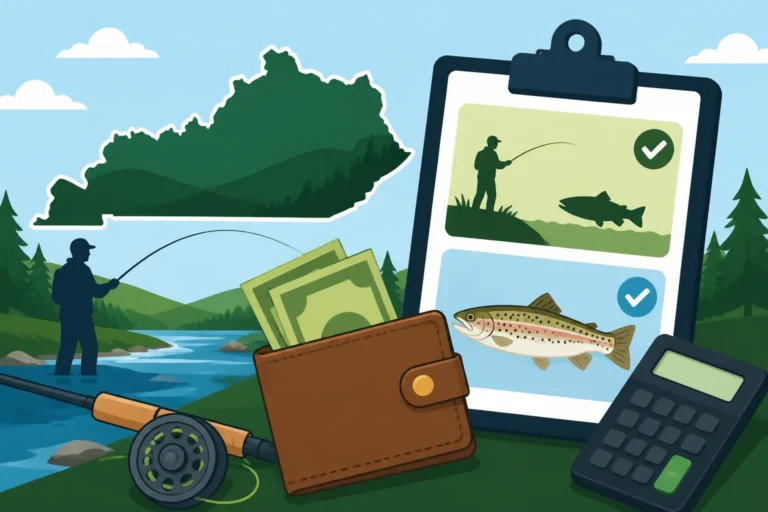
It’s a familiar scenario: you’re packed, rods rigged, bait in the cooler, and as you pull away from the ramp, a nagging thought creeps in – "Did I remember everything? Are the rules the same here?" The sheer volume of Kentucky fishing regulations can be daunting, and nobody wants to cut a great day short with an unexpected fine. This guide is designed to be your comprehensive, printable checklist, ensuring you're fully prepared and compliant for every fishing adventure in the Bluegrass State.
Why a Fishing Rules Checklist is Your Best Buddy on the Water
Let's be honest, trying to remember every single fishing regulation, especially when you're visiting a new lake or river, can feel like studying for a pop quiz you didn't know you had. The Kentucky Department of Fish and Wildlife Resources (KDFWR) does an incredible job of managing our waterways, but with management comes rules, and those rules can sometimes change or have unique exceptions. Having a physical or digital checklist on hand isn't just about avoiding trouble; it's about peace of mind, allowing you to focus on the joy of fishing rather than worrying about compliance.
Avoiding Common Misunderstandings and Penalties
One of the biggest headaches for any angler is facing a game warden check when you're unknowingly in violation. Maybe you thought your license was still valid, or perhaps you weren't aware that Lake Barkley has a special size limit for bass. These small oversights, while often unintentional, can lead to penalties for Fishing Without a License in Kentucky or fines for exceeding bag limits. A checklist acts as your personal audit, prompting you to verify these critical details before you even cast your first line. It's not about being overly cautious; it's about being a responsible and informed angler who respects our natural resources and the regulations put in place to protect them.
Keeping Track of Statewide vs. Lake-Specific Rules
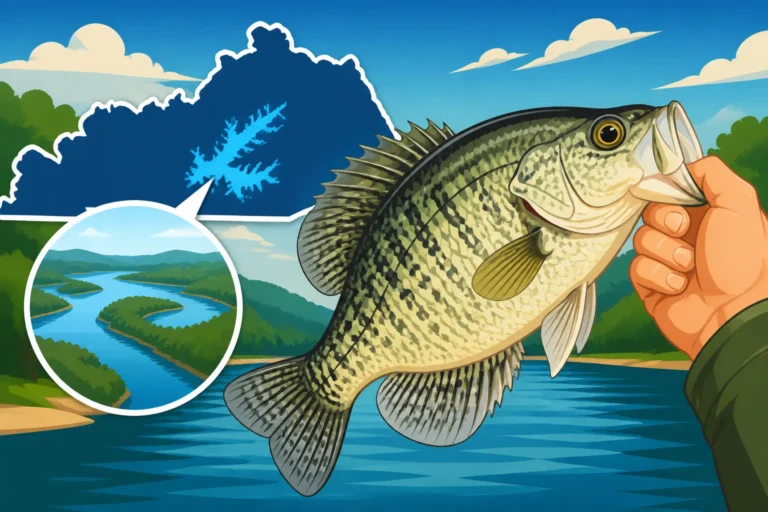
Kentucky is blessed with an incredible diversity of fishing opportunities, from the massive Kentucky Lake to smaller community ponds and winding rivers. The challenge is that while many regulations are statewide, many popular bodies of water have their own unique rules tailored to their specific fisheries. For instance, the Kentucky Crappie Daily Limit Rules might be statewide, but then you have a specific Barren River Lake Crappie Size Limit in Kentucky that you absolutely need to know if you're fishing there. This can be incredibly confusing! Your checklist needs a dedicated section to jot down these site-specific nuances, ensuring you're not caught off guard by a regulation unique to your chosen fishing spot.
Staying Organized and Prepared for Unexpected Checks
Imagine being out on the water, having a fantastic day, and then a KDFWR officer pulls up for a routine check. Your heart might skip a beat, even if you know you're doing everything right. Having your documentation readily accessible and knowing you're compliant instantly makes the interaction smooth and pleasant. A well-organized angler with their license, permits, and knowledge of regulations on hand demonstrates respect and preparedness. Consider a waterproof pouch, easily found on Amazon, to keep all your important documents safe and dry, making them quick to retrieve when asked during those routine Kentucky Game Warden Checks: What to Have on Hand. This simple step saves you the frantic search through a wet tackle box or backpack.
Your Essential Pre-Trip Fishing License & Permit Checklist
The foundation of any legal fishing trip in Kentucky starts with the right license and permits. This isn't just a formality; it's how the KDFWR funds conservation efforts, fish stocking programs, and habitat improvements across the state. Without a valid license, you're not only breaking the law but also missing out on contributing to the health of our fisheries.
Verifying Your Kentucky Fishing License Status
Before you head out, the absolute first thing on your list should be to confirm that your Kentucky Fishing License Guide is current. Kentucky's fishing license year runs from March 1st to the last day of February. It's so easy to lose track, especially if you only fish occasionally or your birthday doesn't align with the renewal period. Did you buy an annual license last year? Is it still valid? Or maybe you're considering a 1-day pass for a quick trip. Understanding your options, like the Kentucky Resident Annual Fishing License Costs $24.31 versus a shorter-term option, is key. You can easily check the validity and purchase or renew your license online through the KDFWR website. This quick check takes minutes and can save you a significant fine and hassle.
Don't Forget the Trout Permit if You're Targeting Trout
For those who love the thrill of catching trout, especially in our beautiful cold-water streams or the famed Lake Cumberland, there's an extra step. In addition to your regular fishing license, you'll need a Kentucky Trout Permit Guide. This isn't optional; it's a mandatory requirement for anyone fishing for or possessing trout. The permit costs the same for residents and non-residents, and it's a small price to pay for the chance to fish in our excellent trout waters, which are regularly stocked and managed by the KDFWR. Make sure it's printed or accessible digitally on your phone, alongside your main fishing license. You can usually add a trout permit to your fishing license during the purchase process, whether you're buying it online or at a local vendor.
Special Considerations for Non-Residents and Youth
If you're visiting Kentucky from out of state, the rules for non-residents are slightly different, and it's vital to be aware of them. A Kentucky Nonresident Annual Fishing License Costs $58.14, for example, but there are also shorter options like the 1-day or 7-day licenses, which might be more economical for a vacation. Always make sure you're getting the correct license type for your residency status. What about the younger anglers in your group? Good news for families: Do Kids Need a Fishing License in Kentucky? Anglers under the age of 16 are exempt from needing a fishing license! This is fantastic for introducing the next generation to the joys of fishing without an extra barrier. However, even if they don't need a license, they still need to adhere to all bag and size limits, so make sure they understand the rules too.
Key Fish Species Bag & Size Limit Checklist
Once your license and permits are squared away, the next big hurdle is remembering the specific regulations for the fish you're hoping to catch. This is where most anglers, even experienced ones, can trip up, especially with the variations between water bodies.
Statewide Bass, Crappie, and Catfish Regulations
Kentucky has overarching statewide regulations for popular species like bass, crappie, and catfish, which serve as a baseline. For instance, the Kentucky Statewide Bass Size and Daily Limit Rules state that for most waters, you can keep six bass per day, and they must be at least 12 inches long. Similarly, the Kentucky Crappie Daily Limit Rules typically allow for 20 crappie per day, with no statewide size minimum in most places. When it comes to the feisty catfish, the Kentucky Catfish Daily Limit and Trophy Fish Rule usually allows for 15 catfish per day, but with a special provision: only one of those can be 25 inches or longer. Knowing these general rules is a great start, and you should always assume they apply unless you've specifically confirmed a local exception.
Crucial Lake-Specific Exceptions to Remember
Here’s where your checklist becomes absolutely invaluable. Many of Kentucky’s premier fishing lakes have unique regulations designed to protect and enhance their specific fish populations. For example, if you're planning a trip to the western part of the state, you'll want to be aware of the Lake Barkley Bass Size Limit Exception in Kentucky. While the statewide bass limit is 12 inches, Lake Barkley has a 15-inch minimum for largemouth and smallmouth bass. Another common one is the Barren River Lake Crappie Size Limit in Kentucky, which sets a 10-inch minimum, differing from the statewide "no minimum" rule. These lake-specific rules are often posted at boat ramps and marinas, but having them on your checklist before you even leave home ensures you're ready. Always double-check the KDFWR website for the latest updates on specific water bodies you plan to fish.
Identifying Your Catch to Stay Within Limits
It sounds simple, but correctly identifying your catch is crucial to adhering to bag and size limits. Is that a largemouth or a spotted bass? Is it a white crappie or a black crappie? While many anglers can easily tell these apart, sometimes in the heat of the moment, or for newer anglers, it can be tricky. Some regulations differentiate between species, and knowing which one you have in hand is vital. If there's any doubt, it's always best to err on the side of caution or release the fish. A small, laminated fish identification guide, which you can easily find on Amazon, can be a great addition to your tackle box, especially for species with similar appearances or if you're introducing kids to fishing.
Here's a quick reference table for some common statewide limits, but remember to always verify site-specific rules for your chosen fishing location!
| Species | Statewide Daily Limit | Statewide Size Limit (Minimum) | Common Lake Exceptions (Examples) |
|---|---|---|---|
| Largemouth Bass | 6 | 12 inches | Lake Barkley: 15 inches |
| Smallmouth Bass | 6 | 12 inches | Lake Barkley: 15 inches |
| Crappie | 20 | None | Barren River Lake: 10 inches |
| Channel Catfish | 15 (combined with blue/flathead) | None (except 1 over 25 inches) | Some lakes may have more restrictive trophy rules |
| Blue Catfish | 15 (combined with channel/flathead) | None (except 1 over 25 inches) | Some lakes may have more restrictive trophy rules |
| Flathead Catfish | 15 (combined with channel/blue) | None (except 1 over 25 inches) | Some lakes may have more restrictive trophy rules |
| Trout | 8 | None (varies by water) | Some streams have specific catch-and-release or slot limits |
Always consult the official KDFWR Fishing & Boating Guide for the most current and specific regulations for your fishing destination.
Boat and Safety Equipment Checklist
For those taking to Kentucky's expansive lakes and winding rivers in a boat, there's another layer of regulations to consider: boat registration and essential safety equipment. These rules are in place not just for compliance, but most importantly, for your safety and the safety of everyone else on the water.
Required Safety Gear for All Kentucky Boats
Safety should always be your top priority on the water. The Life Jacket Rules for Boats in Kentucky are non-negotiable and designed to save lives. You must have a U.S. Coast Guard-approved life jacket for every person on board your vessel, and they must be readily accessible. Furthermore, children under 12 years of age are generally required to wear a life jacket while the boat is underway. Beyond life jackets, other essential safety items include a sounding device (like a whistle or horn), navigation lights if you're out after dark, and a fire extinguisher for motorboats with enclosed fuel compartments or engines. It’s always a good idea to pack a basic first-aid kit as well; you can find excellent compact marine-specific kits on Amazon. Reviewing the Kentucky Boating Safety Gear Checklist before each trip is a smart habit to cultivate.
Essential Documents and Registration for Your Vessel
Just like your fishing license, your boat needs to be legally registered to be on Kentucky waters. The Kentucky Boat Registration Requirements Explained dictate that all motorized vessels, and sailboats 16 feet or longer, must be registered with the county clerk's office. Make sure your current registration decal is displayed correctly on your boat, and always carry your registration card on board. If you're a new boat owner, familiarize yourself with the Kentucky Boat Titling and Registration Rules well in advance. Having your paperwork in order prevents any issues during a routine check by a KDFWR officer, ensuring your day on the water isn't interrupted by administrative concerns.
Planning for Emergency Situations on the Water
While we all hope for smooth sailing, preparing for the unexpected is part of responsible boating. Beyond the required safety gear, think about what you'd need in an emergency. This could include a fully charged cell phone (in a waterproof case!), a marine radio for larger bodies of water, a spare paddle or oar, an anchor with sufficient line, and a basic tool kit for minor repairs. Knowing where the nearest boat ramps or safe harbors are can also be critical. Taking a Kentucky Safe Boating Certificate course is highly recommended, especially for younger operators or anyone born after January 1, 1975, as it covers critical safety information and often fulfills specific legal requirements. Being prepared not only keeps you safe but also gives you the confidence to truly enjoy your time on Kentucky's beautiful waters.
Disclaimer
The information provided in this guide is for general informational purposes only and does not constitute legal advice. While we strive to keep the information accurate and up-to-date, fishing regulations are subject to change. It is the angler's sole responsibility to consult the official Kentucky Department of Fish and Wildlife Resources (KDFWR) website or current printed regulations guide for the most accurate and up-to-date rules before engaging in any fishing activities. Compliance with all federal, state, and local laws is mandatory.