Site-Specific Regulations Every Angler Should Check First
It’s a scenario every Kentucky angler knows well: you’ve spent hours poring over the statewide fishing regulations, confident you know the bag limits and size restrictions for your target species. You pack your gear, launch your boat, and head to a new lake, only to realize – sometimes through a friendly chat with a local, or worse, a game warden – that the rules you memorized don’t quite apply here. This guide is here to untangle that knot of confusion, helping you understand why site-specific regulations exist and, more importantly, how to find and follow them so your next fishing trip is enjoyable and legal.
Why Local Rules Matter More Than You Think
It can feel a bit like a bureaucratic headache, can't it? One minute you're thinking you've got a handle on all the statewide rules for fishing in Kentucky, and the next you find out that the lake you're heading to has completely different limits. But trust me, there's a really good reason for this, and it all comes down to the health of the fish populations and the quality of your fishing experience. These aren't just arbitrary rules designed to trip you up; they're carefully crafted by biologists to ensure sustainable fishing for everyone.
Think about it: every lake, river, and stream is its own unique ecosystem. The fish populations in a sprawling reservoir like Kentucky Lake are going to behave, grow, and reproduce differently than those in a smaller, deep-water lake like Herrington Lake, or a narrow, cold-water trout stream in eastern Kentucky. Factors like water temperature, nutrient levels, food availability, fishing pressure, and even the genetics of the fish themselves can lead to wildly different population dynamics. What works to manage bass in one lake might devastate the population in another. That’s why the Kentucky Department of Fish and Wildlife Resources (KDFWR) takes the time to study these individual bodies of water and implement site-specific regulations. These rules are put in place to protect fragile populations, allow certain species to reach larger sizes, or even to thin out overpopulated species for better overall health. It’s all about maintaining that delicate balance.
For instance, consider the infamous bass fishing at Lake Barkley. You might be accustomed to the statewide bass limit of 12 inches for largemouth and smallmouth, but if you head to Lake Barkley with that assumption, you'd be in for a surprise. Lake Barkley, and its sister lake, Kentucky Lake, have a specific 15-inch minimum size limit for largemouth bass. This stricter rule is designed to protect bass in a critical size range, allowing them to grow larger and contribute more to the spawning population, ultimately leading to bigger, healthier fish for anglers in the long run. It's a prime example of how local rules directly influence the quality of your catch. Without these tailored rules, some of Kentucky's most prized fisheries could quickly be overfished, diminishing the very resource we all enjoy. If you're planning a trip there, make sure you understand the nuances of the Lake Barkley Bass Size Limit Exception in Kentucky to avoid any issues.
How to Find Kentucky's Site-Specific Fishing Regulations
Navigating the waters of Kentucky’s fishing regulations can seem like a daunting task, especially when you factor in all those site-specific rules. But honestly, it's not as hard as it sounds, and there are some really reliable ways to get the most up-to-date information before you even wet a line. The key is to be proactive and make checking the rules part of your pre-trip ritual. Trust me, a few minutes of preparation can save you a lot of hassle and potential fines down the road.
First and foremost, your absolute best friend is the official Kentucky Department of Fish and Wildlife Resources (KDFWR) website. This is the authoritative source for all regulations, statewide and site-specific. They have a comprehensive "Kentucky Fishing & Boating Guide" that's updated annually. You can usually download a PDF version, which I highly recommend. It's searchable, easy to navigate, and you can keep it on your phone or tablet for quick reference even when you're out on the water. Many anglers even print out the specific pages for the lake they're visiting and keep them in their tackle box. This guide isn't just a list of rules; it often includes maps, stocking information, and helpful tips that are invaluable. For a general overview, checking the Kentucky Fishing Regulations Explained is a great starting point, but always drill down for your specific destination.
Beyond the website, grab a physical copy of the Kentucky Fishing & Boating Guide. These free booklets are widely available at most county clerks' offices, sporting goods stores like Cabela's or Bass Pro Shops, and even many local bait and tackle shops across the state. Having a hard copy can be really handy, especially if you're in an area with spotty cell service. I often pick one up every year just to flip through it and see what's new. You might even want to order a waterproof version of a lake map from Amazon to pair with your rulebook, so you have all your essential information in one place.
Another fantastic, often overlooked resource is your local bait and tackle shop or marina near your fishing destination. These folks are usually lifelong anglers themselves and live and breathe the local waters. They know the regulations inside and out, can tell you what's biting, and are often aware of any recent changes or special conditions that might not have made it into the latest printed guide yet. Don't be shy; strike up a conversation! They love to share their knowledge. If you're heading to a popular spot like Lake Barkley, for instance, the marinas there will be a treasure trove of information about specific sauger runs or white bass limits.
Finally, while online fishing forums and social media groups can be great for getting tips on techniques and hot spots, always cross-reference any regulation information you get there with official KDFWR sources. Anglers mean well, but sometimes outdated information or misunderstandings can spread. You don't want to get a ticket because you relied on a post from last year's season. Before any big trip, I make it a habit to perform a quick search for "Checking Current Regulations Before a Fishing Trip" to remind myself to double-check. It's also a good idea to create a Printable Checklist of Fishing Rules to Bring on Your Trip to ensure you're fully prepared.
Common Site-Specific Differences to Watch For
When you're planning a fishing trip in Kentucky, it’s not enough to just know the general statewide rules; you absolutely have to dive into the site-specific regulations for the body of water you intend to fish. These local rules can vary wildly and often apply to the species, size, and number of fish you can keep. Ignoring them isn't just bad etiquette; it can lead to hefty fines and a ruined day on the water.
Let's look at some of the most common variations you'll encounter for popular game fish:
Bass Size and Creel Limits
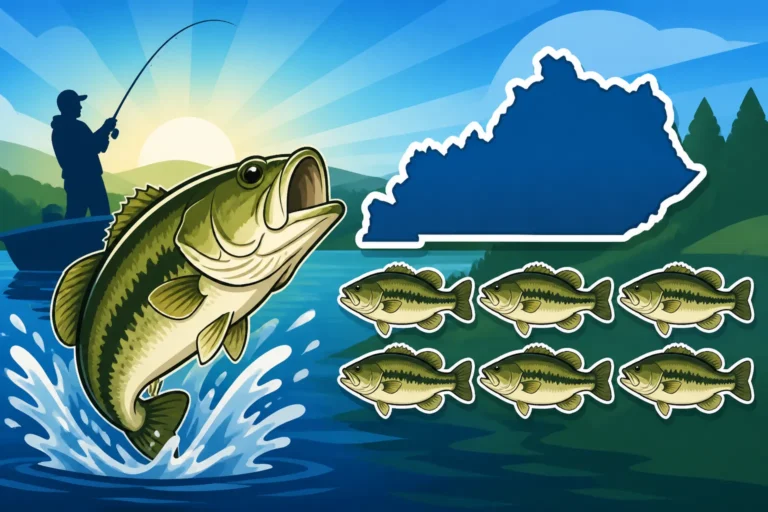
Bass are arguably the most popular game fish in Kentucky, and their regulations are where you'll see some of the most significant site-specific differences. While the statewide rule for largemouth and smallmouth bass is typically a 12-inch minimum size limit and a daily creel limit of 6 fish, several prominent lakes have their own unique restrictions.
- Lake Barkley and Kentucky Lake: These massive reservoirs are a prime example. Instead of the statewide 12-inch minimum, they both enforce a 15-inch minimum size limit for largemouth bass. This regulation is crucial for protecting the trophy bass fishery these lakes are famous for, allowing fish to reach larger sizes before they can be harvested. Anglers who are used to keeping 13 or 14-inch bass from other lakes will quickly find themselves on the wrong side of the law here if they're not careful. If you're targeting bass on these waters, it's vital to check the Kentucky Statewide Bass Limit: 12 Inches, 6 Fish a Day article and then specifically consult the rules for these lakes.
- Dale Hollow Lake: This renowned smallmouth bass fishery, shared with Tennessee, also has its own distinct regulations that differ from Kentucky's statewide limits. Often, these involve slot limits or different minimum sizes to protect the exceptional smallmouth population. Always consult the specific KDFWR guide pages for Dale Hollow Lake before you go.
These variations are why a conversation with a local tackle shop owner can be so invaluable. They'll tell you about these specific nuances that might catch an unsuspecting angler off guard.
Crappie Size and Daily Limits
Crappie are another beloved species in Kentucky, especially during the spring spawn. While the statewide daily creel limit for crappie (both black and white) is 20 fish, there isn't a statewide size limit, which can lead to some confusion when you encounter a lake with specific rules.
- Barren River Lake: This lake stands out as a critical example. Unlike most other waters, Barren River Lake has a 10-inch minimum size limit for crappie. This regulation is in place to help grow larger, healthier crappie populations and prevent the harvest of juvenile fish. If you're fishing here and keeping crappie under 10 inches, you'll be in violation. It's a stark contrast to the Statewide Crappie Limit: No Size Minimum Except One Lake and precisely why you need to check. The article on Barren River Lake Crappie Size Limit in Kentucky goes into more detail.
- Other Lakes: While most other lakes adhere to the 20-fish daily limit with no size restriction, it's always prudent to double-check. Sometimes, during periods of high crappie population boom or bust, the KDFWR might implement temporary restrictions or special research regulations that could alter limits in specific areas.
Catfish and Trout Regulations
Even for species with relatively consistent statewide rules, site-specific exceptions can pop up.
- Catfish: For channel, blue, and flathead catfish, the statewide daily creel limit is usually 15 fish in aggregate, with only one blue or channel catfish over 25 inches. However, some individual lakes or river sections might have different trophy regulations or special research zones. For instance, the Ohio River, a massive waterway forming Kentucky's northern border, has immense catfish populations, and while it mostly follows statewide rules, its sheer size and shared border with other states mean it’s always wise to confirm. Understanding the nuances of Kentucky Catfish Daily Limit: 15 Fish, Only 1 Over 25 Inches is a good start, but be prepared for potential local variations.
- Trout: Trout fishing, especially in Kentucky's stocked waters like Lake Cumberland and numerous cold-water streams, is almost entirely governed by site-specific rules. These can dictate everything from daily limits (often lower than other species, like 5 fish per day), size limits, and even tackle restrictions. Many trout streams are designated as "catch-and-release only" or have "artificial lures only" rules, sometimes even requiring single, barbless hooks. If you're planning on trout fishing, you absolutely need a Kentucky Trout Permit Guide in addition to your regular license, and you must review the specific regulations for the stream or lake you intend to visit. Lake Cumberland's trout fishery, for example, has very specific rules that ensure its sustainability.
To help illustrate some of these differences, here's a quick comparison table:
| Species | Statewide Daily Limit | Statewide Size Limit | Lake Barkley Bass Limit | Barren River Lake Crappie Limit | Lake Cumberland Trout Limit (Example) |
|---|---|---|---|---|---|
| Largemouth/Smallmouth Bass | 6 fish | 12-inch minimum | 6 fish, 15-inch minimum | (N/A) | (N/A) |
| Crappie | 20 fish | No size limit | (N/A) | 20 fish, 10-inch minimum | (N/A) |
| Channel/Blue Catfish | 15 fish (aggregate) | Only 1 over 25 inches | (N/A) | (N/A) | (N/A) |
| Trout | 8 fish | No size limit | (N/A) | (N/A) | 5 fish, 15-inch minimum for Brown Trout (varies) |
Note: Trout regulations are highly variable by stream and stocking program. The Lake Cumberland example is illustrative and specific rules should always be verified with KDFWR.
This table really highlights how crucial it is to check those specific details. Heading out on the water unprepared can turn a relaxing day into a stressful encounter with a game warden.
The Consequences of Not Knowing and How to Stay Compliant
It's a common oversight, really. You're excited for a day on the water, you've got your gear, your bait, maybe even some snacks and drinks. You assume you're good to go because you bought your Kentucky Fishing License Guide online, perhaps even picked up a Kentucky Trout Permit Guide if you're targeting those cold-water beauties. But here's the kicker: having the right license is just the first step. Not knowing or, worse, ignoring the specific regulations for the body of water you're fishing can lead to some pretty significant headaches, ranging from embarrassing situations to costly legal troubles.
Penalties for Non-Compliance
The most immediate consequence of not adhering to site-specific regulations is a citation from a KDFWR Conservation Officer (game warden). These aren't just polite warnings; they often come with fines. For example, if you're caught with an undersized bass on Lake Barkley or a crappie under 10 inches on Barren River Lake, you could be facing a fine for each illegal fish. These fines can quickly add up, especially if you've had a successful day of fishing and are unknowingly in possession of multiple illegal fish. It's not just about the money, though; violations can sometimes lead to points on your record, and repeated offenses could even jeopardize your fishing privileges in the future. Nobody wants to be the subject of a Game Warden Enforcement and License Checks While Fishing story, especially if you genuinely didn't know the rules.
Beyond the fines, there's the moral aspect. These regulations exist for a reason: to protect the very resource we all cherish. Keeping undersized fish, for instance, can prevent them from reaching spawning age, impacting future generations of fish. It disrupts the natural balance and can actively harm the fishery that you, and countless others, want to enjoy. Compliance isn't just about avoiding a ticket; it's about being a responsible steward of Kentucky's natural resources.
Building Your Pre-Trip Compliance Routine
So, how do you make sure you're always in the know and avoid those unpleasant surprises? It’s all about building a simple, repeatable pre-trip routine.
- Identify Your Target Water: Before you even think about packing, clearly identify exactly which lake, river, or stream you'll be fishing. Is it Kentucky Lake? Barren River Lake? A specific section of the Cumberland River?
- Consult the Official Guide: Go directly to the KDFWR website or open your physical copy of the Kentucky Fishing & Boating Guide. Navigate to the section dedicated to that specific body of water. Don't skim! Read through the size limits, daily creel limits, and any special regulations (like gear restrictions for trout) for each species you intend to target.
- Cross-Reference (if needed): If you heard a tip from a friend or saw something on a forum, briefly check if the official guide mentions anything similar. If it doesn't, assume the official guide is correct.
- Set Your Alarms/Notes: If a particular lake has a unique size limit (like the 15-inch bass rule on Lake Barkley), make a mental note, or even put a sticky note on your rod case. Ensure you have a reliable measuring device on your boat or in your tackle box – you can find excellent, durable ones on Amazon.
- Educate Your Companions: If you're fishing with friends or family, especially kids, make sure they understand the rules too. It's not just about your compliance; everyone on your boat or in your fishing party needs to be aware. Even during a Kentucky Free Fishing Weekend Guide, when licenses aren't required, all other regulations like size and creel limits still apply!
By taking these few extra steps, you transform from an angler who might get lucky with the rules into an informed, responsible, and compliant participant in Kentucky's vibrant fishing scene. It’s about more than just avoiding a fine; it’s about contributing to the long-term health and enjoyment of our incredible fisheries.
Disclaimer
Please remember that fishing regulations, including site-specific rules, can change. While this guide aims to provide accurate and up-to-date information, it is essential that you always consult the official Kentucky Department of Fish and Wildlife Resources (KDFWR) website or their annual Fishing & Boating Guide before each fishing trip. This ensures you have the most current regulations for the specific body of water you intend to fish.