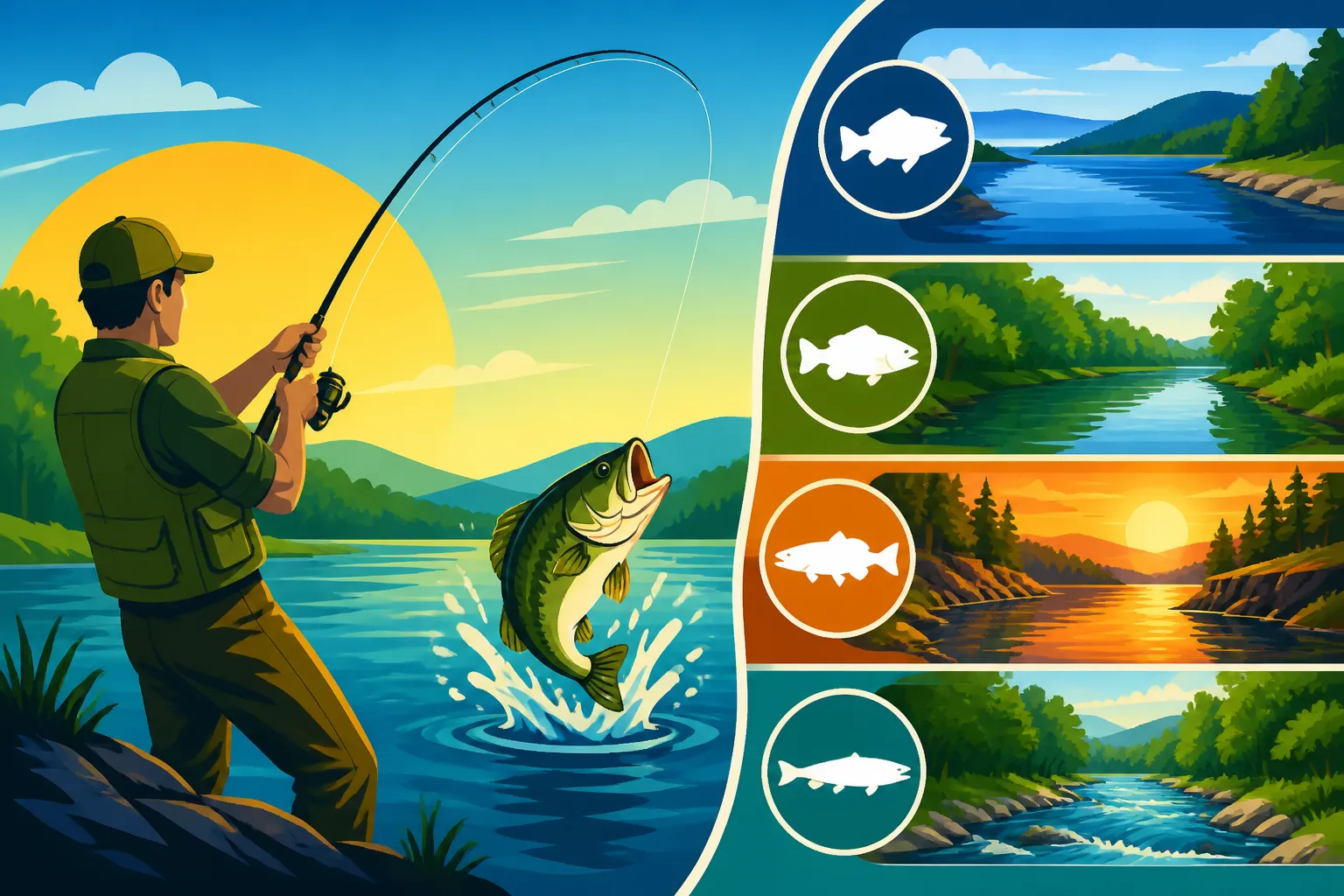
Kentucky Fishing Rules by Lake and Water
There’s nothing quite as frustrating as heading out for a peaceful day on the water, only to realize you’re unsure if your catch, your gear, or even your very presence there complies with all the rules. Kentucky’s diverse waters offer incredible fishing, but the regulations can sometimes feel like a moving target, varying not just by species, but by the specific lake, river, or stream you're visiting. This comprehensive guide is here to untangle the complexities, walking you through the critical fishing rules and regulations that apply across Kentucky’s many beautiful fishing spots.
Understanding Kentucky's General Fishing Regulations
Before we dive into the nitty-gritty of site-specific rules, it's absolutely essential to grasp the overarching framework of Kentucky's fishing regulations. These are the baseline rules set by the Kentucky Department of Fish and Wildlife Resources (KDFWR) that apply across most public waters unless explicitly stated otherwise. Think of these as your foundational knowledge before you ever wet a line.
Statewide Bag and Size Limits for Common Species
Kentucky has established statewide bag and size limits for many of its most popular game fish, and these are often what trips up new anglers or those visiting from out of state. It's not just about how many fish you can keep, but often how big or small they must be to legally land in your cooler. For instance, the general rule for largemouth and smallmouth bass in most waters is a 12-inch minimum size limit and a daily creel limit of six fish in combination. This means if you catch a bass under 12 inches, it needs to go back into the water, no questions asked. This regulation is put in place to ensure fish have a chance to grow and reproduce, maintaining healthy populations for future generations of anglers.
Crappie, another favorite among Kentucky anglers, typically has a statewide daily limit of 20 fish, with no minimum size limit in most waters. This might seem generous, but crappie populations can fluctuate rapidly, and this limit helps manage their numbers. Catfish, including channel, blue, and flathead, often share a combined daily limit of 15 fish, with a special rule allowing only one blue or channel catfish over 25 inches to be kept per day. This "trophy fish" rule is a conservation effort aimed at protecting the largest, most productive breeding fish. These statewide guidelines are your starting point, but always remember that specific lakes or rivers might have even stricter, or sometimes different, rules. For a detailed breakdown, check out the article on Statewide Bag and Size Limits by Fish Species.
The Importance of a Valid Fishing License
This might seem like a no-brainer, but you’d be surprised how many folks get caught without one. In Kentucky, if you're 16 years of age or older, you absolutely must possess a valid Kentucky fishing license to fish in public waters. There are exceptions, of course, like during the annual Kentucky Free Fishing Weekend Guide, or if you're fishing on private waters where you have permission. But for general public fishing, that license is your golden ticket. Without it, you’re not only risking a fine, but potentially having your gear confiscated, which is a truly miserable experience.
The KDFWR offers various license types, from annual resident licenses to short-term nonresident options, and even combination hunting and fishing licenses. There’s also the critical addition of a trout permit if you plan on targeting trout in designated trout waters. You can purchase these licenses easily online, at many local sporting goods stores, or even by visiting county clerks' offices. It’s always a good idea to keep a physical copy or a digital version on your phone readily accessible, as game wardens frequently conduct license checks. Imagine the disappointment of landing a prize catch only to have your day ruined by a citation because you forgot this simple step.
General Gear and Methods Permitted
Kentucky's fishing regulations also cover the types of gear and methods you can use. Generally, sport fishing in Kentucky is permitted with rod and reel, pole and line, or gigging (for rough fish only). However, there are specific limitations. For instance, you can typically use up to two lines in the water at any given time, though some specific waters or special seasons might alter this. The use of certain nets, traps, or other commercial fishing methods is strictly prohibited for recreational anglers.
When it comes to bait, live bait like minnows, worms, and crickets are usually fair game, as are artificial lures. However, there are sometimes restrictions on the use of certain types of bait in specific waters, particularly those managed for trout. For example, some designated trout streams might only allow artificial lures or flies during certain seasons to protect the fishery. Understanding these general rules for gear and methods prevents you from accidentally violating regulations and ensures your fishing practices are sustainable and ethical. Always double-check the current KDFWR fishing and boating guide, which you can often find a copy of on sites like Amazon, or directly download from the KDFWR website, before trying out new techniques or visiting unfamiliar waters.
Lake-Specific Bass Regulations You Can't Ignore
While the statewide bass limits provide a baseline, many of Kentucky's most popular fishing lakes have their own unique regulations designed to enhance their specific bass fisheries. These differences are often implemented to address particular biological or angling pressure concerns in those bodies of water. Ignoring these lake-specific rules can quickly turn a successful fishing trip into a legal headache.
Kentucky Lake and Lake Barkley's Unique Bass Rules
When you talk about bass fishing in Kentucky, Kentucky Lake and Lake Barkley are often at the top of the list. These massive reservoirs, part of the Tennessee River system, are renowned for their largemouth and smallmouth bass. However, their immense popularity and unique ecological characteristics mean they have specialized regulations. For a significant portion of the year, both lakes adhere to the statewide 12-inch minimum size limit for bass, with a daily creel limit of six fish. But it's not always that straightforward.
For example, Lake Barkley has, at times, implemented a protective slot limit or a different minimum size for its bass. These regulations are subject to change, so consulting the most current KDFWR guide is paramount before heading out. The reason for these variances is often to improve the size structure of the bass population. A slot limit, for instance, might require anglers to release all bass within a certain size range (e.g., 13-16 inches) while allowing them to keep smaller or larger fish. This allows the intermediate-sized fish to grow into larger, more desirable "trophy" fish, which also helps to manage forage populations. These nuanced rules highlight why a quick glance at statewide regulations isn't enough when planning a trip to these premier bass fishing destinations.
Other Major Reservoirs with Special Bass Management
Beyond Kentucky Lake and Lake Barkley, several other prominent reservoirs across the state have tailored bass regulations. Consider lakes like Dale Hollow Lake, which is famous for its world-class smallmouth bass fishing. Due to its exceptional smallmouth fishery, Dale Hollow often has more restrictive length limits and lower creel limits for smallmouth bass than the statewide general regulations. Anglers often face a 16-inch minimum size limit and a daily creel limit of two smallmouth bass, significantly different from the standard. These rules are crucial for protecting the lake's unique and highly valued smallmouth population.
Another example is Lake Cumberland. While also a fantastic fishery, its bass regulations might focus on different objectives, such as promoting growth in both largemouth and smallmouth. Herrington Lake, known for its deep waters and diverse fishery, might have its own specific management strategies that influence bass limits, possibly due to unique forage bases or angling pressure patterns. The key takeaway here is that each major body of water in Kentucky is often managed as a distinct fishery. Local factors, scientific data, and angler feedback all play a role in shaping these specific rules, and staying updated is part of being a responsible angler.
Why These Variances Exist
It’s easy to get frustrated when the rules seem to change from one lake to the next. "Why can't it just be the same everywhere?" you might ask. But there's a good reason behind these variances. Different lakes have different biological capacities, water quality, forage bases, and angling pressures. A "one size fits all" approach simply wouldn't work to maintain healthy fish populations and quality fishing experiences across such diverse environments.
For instance, a lake with high fishing pressure might need stricter size limits to prevent overharvesting of juvenile fish, giving them time to reach maturity and spawn. Conversely, a lake with an overabundance of smaller, stunted bass might benefit from a slot limit that encourages anglers to keep smaller fish, thinning the population and allowing the remaining fish to grow larger. These regulations are dynamic, based on ongoing research, fish population surveys, and management goals set by the KDFWR. Their aim is always to optimize the fishery, ensuring that Kentucky continues to offer some of the best fishing opportunities in the country. Therefore, before you embark on your next bass fishing adventure, especially to a new lake, always consult the current regulations for that specific body of water.
Crappie Limits: Why Every Lake is a Little Different
Crappie are another beloved panfish in Kentucky, prized for their delicious taste and fun fight. Just like with bass, while there are statewide guidelines for crappie, many of Kentucky's lakes have their own site-specific regulations, making it vital to check before you fill your cooler.
Statewide Crappie Rules and the Barren River Lake Exception
The general statewide rule for crappie in Kentucky is a daily creel limit of 20 fish, with no minimum size limit. This allows anglers to keep a good number of these tasty fish, which reproduce quickly and can sometimes become overpopulated if not managed. However, this general rule has notable exceptions, and one of the most prominent is at Barren River Lake.
At Barren River Lake, anglers targeting crappie face a 10-inch minimum size limit and a daily creel limit of 20 fish. This is a significant difference from the statewide "no size limit" rule. Why the change? Barren River Lake has a history of crappie populations that benefit from a size limit to ensure more fish reach a larger, more desirable size. By protecting crappie until they reach 10 inches, the KDFWR aims to improve the quality of the fishery, providing anglers with bigger slab crappie. This is a classic example of how local conditions and management objectives dictate specific regulations. You can learn more about this specific rule in the Barren River Lake Crappie Size Limit in Kentucky article.
Seasonal Patterns and How They Influence Regulations
While crappie regulations are generally year-round, understanding seasonal patterns is crucial for ethical angling and often influences how effective regulations are. During the spring spawn, for instance, crappie move into shallow water, becoming much easier targets for anglers. This increased vulnerability during their reproductive period sometimes leads to specific considerations in management plans, though not always to explicit seasonal rule changes on paper.
The KDFWR constantly monitors crappie populations, especially during and after the spawn. If biologists observe a decline in average size or overall numbers, it might trigger discussions about implementing or adjusting size or creel limits. For instance, if a lake’s crappie are consistently being harvested before they reach reproductive maturity, a minimum size limit might be imposed to ensure successful spawning. While you might not see regulations change monthly, the biological seasons are always a backdrop for why these rules are in place and why they might evolve over time. This dynamic management ensures a sustainable fishery for all.
Tips for Navigating Varied Crappie Limits
With varying crappie limits, it’s easy to feel overwhelmed. My best advice? Treat every new lake as if it has unique rules, and make checking those rules your first step. Before you even pack your crappie jigs and minnows, hop online to the KDFWR website or grab a copy of their current fishing guide. These guides are usually available for free at most tackle shops, KDFWR offices, and even some public boat ramps.
Another helpful tip is to invest in a good fish measuring board. You can find excellent, durable options on Amazon that clearly mark common size limits, making it easy to quickly check your catch. Don't rely on guesswork, especially with a 10-inch rule like at Barren River Lake. An accidental keeper that's undersized is still a violation. When in doubt, release the fish. It’s always better to be safe than sorry, and it helps ensure there are plenty of crappie for everyone to enjoy in the future.
Catfish Catch Limits and Trophy Rules Across Kentucky
Catfish are a truly iconic species in Kentucky, offering fantastic angling opportunities from quiet farm ponds to the mighty Ohio River. Whether you're after a delicious channel cat for dinner or a monstrous blue cat to test your tackle, understanding the specific limits, especially the nuances of trophy fish rules, is critical.
Statewide Catfish Rules: Blues, Channels, and Flatheads
Kentucky's statewide regulations for catfish often group channel, blue, and flathead catfish together for a combined daily creel limit. This limit is typically 15 fish in total for these three species. However, a very important "trophy fish" rule applies: only one blue or channel catfish over 25 inches can be kept per day. This specific regulation is designed to protect the largest, most prolific breeding fish, allowing them to contribute more to the overall population. Flathead catfish are generally exempt from this 25-inch trophy rule, allowing anglers to keep all legal-sized flatheads within the 15-fish combined limit.
This 25-inch rule for blue and channel catfish means that if you're out jug fishing or tightlining, and you catch three catfish over 25 inches, you can only keep one of them. The other two, regardless of how impressive they might be, must be immediately released. This is a powerful conservation tool, helping to ensure that the genetics for large catfish continue to thrive in Kentucky's waters. It's a prime example of how specific rules target species characteristics to ensure long-term sustainability. For more on the general rules, check out Kentucky Catfish Daily Limit and Trophy Fish Rule.
Ohio River's Trophy Catfish Management
The Ohio River, forming Kentucky's northern border, is renowned as a true trophy catfish destination. It's where some of the largest blue and flathead catfish in the state are caught, attracting anglers from all over. Given its status as a shared waterway with neighboring states like Ohio, Indiana, and Illinois, the Ohio River often has harmonized regulations. While Kentucky's trophy catfish rule (one blue or channel cat over 25 inches) generally applies, specific stretches or pooled areas of the river might have slight variations.
The sheer size and habitat diversity of the Ohio River contribute to its ability to produce such enormous catfish. Management strategies here focus not only on protecting those trophy-class fish but also on ensuring sustainable harvest given the significant angling pressure. Anglers targeting these giants often use heavy-duty gear and specialized techniques, and knowing the regulations becomes even more crucial when you might be battling a fish that could set a personal best or even a state record. Always verify the most current KDFWR guide for Ohio River specific rules, especially if you plan to fish near state lines, as reciprocity agreements can sometimes come into play.
Specific Lake Catfish Regulations
While the Ohio River takes the spotlight for trophy catfish, many other Kentucky lakes boast excellent catfish populations that are managed with the statewide 15-fish, one-over-25-inch rule in mind. Lakes like Kentucky Lake, Lake Barkley, Lake Cumberland, and even smaller impoundments all offer great catfishing. These lakes provide diverse habitats for channel, blue, and flathead catfish, from deep main lake channels to shallow creek arms.
Occasionally, a specific lake might have a deviation, though it's less common for catfish than for bass or crappie. These deviations would typically be implemented if a particular lake's catfish population was showing signs of stress or if a specific management goal needed to be achieved (e.g., reducing an overpopulated small channel cat fishery). The KDFWR continually assesses fish populations in these waters. For most of these lakes, however, sticking to the statewide 15-fish combined limit and the one-fish-over-25-inches rule will keep you in compliance. It’s always a good practice to download the latest regulation guide to your phone or print a copy before you head out, just to be sure.
Trout Regulations: Special Waters and Permits
Trout fishing in Kentucky offers a unique and often beautiful experience, especially in the cold-water streams and tailwaters that support these magnificent fish. However, targeting trout comes with its own set of distinct regulations, including special permits and specific rules that differ significantly from general warm-water fishing.
Trout Permits and Stocked Waters
If you plan to fish for trout in Kentucky, whether in a stream or a lake that's regularly stocked, you absolutely need a Kentucky Trout Permit in addition to your regular fishing license. This isn't just a suggestion; it's a mandatory requirement for anyone over 16 years old. The revenue generated from these permits goes directly towards funding the KDFWR's trout stocking programs, which are vital for maintaining viable trout fisheries in a state where natural trout reproduction is limited to a handful of unique cold-water habitats.
Kentucky stocks various species of trout, primarily rainbow trout, but also brown and brook trout in certain areas. Popular stocked waters include the tailwaters below major dams, such as the Cumberland River below Lake Cumberland, and numerous smaller streams and lakes across the state. These stocking efforts ensure that anglers have opportunities to catch trout, even in waters that wouldn't naturally sustain them. The daily creel limit for trout is typically 8 fish, but this can be much more restrictive in designated "trophy" or "catch-and-release" trout streams. Learn more about it in the Kentucky Trout Permit Guide.
Special Regulations for Designated Trout Streams
Some of Kentucky's most pristine trout waters, particularly certain cold-water streams, fall under very specific, often restrictive, regulations. These are frequently designated as "special regulation trout waters" or "catch-and-release only" streams. The goal here is usually to foster a trophy fishery, protect wild trout populations, or provide a unique angling experience where conservation is paramount.
For example, on certain stretches of the Cumberland River or some smaller mountain streams, you might find regulations that specify "single hook artificial lures only" or "fly fishing only." These rules often prohibit the use of live bait, which can be more harmful to trout populations, and encourage ethical catch-and-release practices. There might also be extremely tight size limits (e.g., only one fish over 20 inches, or all fish must be released). These streams are often monitored closely by KDFWR biologists and game wardens. If you're venturing into any designated trout water, it is absolutely non-negotiable to check the specific regulations for that exact stretch of water, as even a small tributary could have different rules from the main river.
Trout Fishing Seasons and Methods
While the general fishing license year in Kentucky runs from March 1st to the last day of February, trout fishing doesn't necessarily have distinct "seasons" in the same way some other species do. Stocking occurs throughout the year in many waters, allowing for year-round trout fishing opportunities. However, the best times to fish for trout and the methods you can use often depend on water temperature and specific regulations.
During colder months, trout fishing in tailwaters like the Cumberland River can be exceptional, as the consistent cold-water discharge provides ideal conditions. In smaller streams, spring and fall are often prime. As mentioned, specialized methods might be required in designated waters. For instance, fly fishing is a popular and often preferred method, especially in areas where artificial lures are mandated. Many anglers also find great success with ultralight spinning gear, using small inline spinners or spoons. Regardless of your chosen method, always prioritize the health of the fish. If you're practicing catch and release, handle trout minimally, keep them in the water as much as possible, and use a de-hooking tool to minimize stress. Responsible angling ensures these beautiful fisheries remain vibrant.
River Systems: Unique Rules for Flowing Waters
Fishing in river systems, especially large ones like the Ohio and Cumberland, presents a different set of challenges and, consequently, a different layer of regulations compared to still-water lakes. Understanding these can be particularly tricky, especially when you're dealing with border waters shared with other states.
Ohio River's Reciprocity and Unique Rules
The Ohio River is a powerhouse fishery, and because it forms Kentucky's northern border, it involves agreements with Ohio, Indiana, and Illinois. This is where reciprocity rules come into play, and they are a huge relief for anglers. In general, if you have a valid fishing license from Kentucky OR one of the bordering states (Ohio, Indiana, Illinois) that borders the Ohio River, you can fish the main stem of the Ohio River without needing a license from the other state. This means if you're an Indiana angler with an Indiana license, you can fish the Kentucky side of the Ohio River and vice versa. However, this reciprocity often does not extend to tributaries or embayments of the Ohio River. If you venture into a creek that empties into the Ohio but is entirely within Kentucky's borders, you must have a Kentucky license.
Beyond reciprocity, the Ohio River has specific regulations for certain species, like paddlefish snagging seasons and size/possession limits, or specialized commercial harvest rules that recreational anglers need to be aware of. Given the river's status as a major migratory pathway and diverse ecosystem, these rules are often complex and designed to manage a wide range of species. It's not uncommon to find information specifically addressing Ohio Anglers Fishing in Kentucky Waters or similar articles for other bordering states, emphasizing the importance of understanding these shared water regulations.
Cumberland River and Other Major Rivers
Beyond the Ohio, Kentucky has other significant river systems, most notably the Cumberland River. While much of the Cumberland River flows into Lake Cumberland, the tailwater section below the dam is a nationally recognized cold-water trout fishery. Here, as mentioned before, special trout regulations apply, including potential bait and tackle restrictions and specific size and creel limits for trout. Upstream sections, or other major rivers like the Green River or the Kentucky River, generally follow statewide regulations for warm-water species like bass, crappie, and catfish, unless a specific local impoundment or stretch has been designated for special management.
However, river fishing always adds an element of flow and current that lake fishing doesn't. While not strictly "regulations," understanding how current affects fish behavior and using appropriate techniques becomes vital. For instance, fishing below dams often requires specific knowledge of safe boating practices and knowing what to expect in terms of water releases, which can dramatically change conditions and fishing success. Always exercise caution and respect the power of river currents.
Navigating Border Waters with Neighboring States
Kentucky shares borders with seven other states: Illinois, Indiana, Missouri, Ohio, Tennessee, Virginia, and West Virginia. While the Ohio River has its own reciprocity, other border waters, particularly the massive reservoirs shared with Tennessee like Dale Hollow Lake and part of Kentucky Lake, have their own agreements. For these shared lakes, you generally need a valid fishing license from either Kentucky or Tennessee. This means if you're fishing Dale Hollow, a Tennessee fishing license will suffice, even if you're on the Kentucky side of the lake, and vice-versa.
However, it's crucial to understand that while your license might be reciprocal, the fishing regulations (size limits, creel limits, season dates for certain species) might default to the regulations of the state whose water you are actively fishing in or could be a harmonized set of rules. For example, Dale Hollow Lake, despite being a border water, often has very specific, harmonized smallmouth bass regulations agreed upon by both Kentucky and Tennessee. This is a common point of confusion for anglers. Always check the current fishing guides for both states if you plan on fishing these large border reservoirs. Ignorance of the law is not an excuse, and a game warden from either state can enforce the applicable regulations.
Private Ponds vs. Public Waters: What You Need to Know
A common misconception among anglers is that all fishing requires a license and follows the same rules. This simply isn't true, especially when it comes to the distinction between private ponds and public waters in Kentucky. Understanding where you stand is crucial to avoid accidental violations.
Fishing License Requirements for Private vs. Public
This is the most significant difference: generally, you do not need a Kentucky fishing license to fish in a private pond that you own, or that is owned by a family member (parent, grandparent, sibling, spouse, or child) who lives on the property, or if you have direct permission from the landowner to fish their private pond. This is because these waters are considered private property, and the KDFWR's licensing requirements primarily apply to public waters managed by the state.
However, the definition of a "private pond" is critical. It must be entirely enclosed on private land, with no inflow or outflow connecting to public waters, or at least no public access to any such connection. If a pond connects to a public stream or river, even intermittently, it might be considered public water, or at least under KDFWR jurisdiction. It's a common mistake for anglers to assume a pond is private when it's technically a public water body or connected to one, therefore requiring a license. When in doubt about whether a body of water qualifies as genuinely "private," err on the side of caution and either get a license or consult the KDFWR. For more clarity on this, the article on License-Required Waters Versus Private Ponds is a great resource.
Landowner Permissions and Access
Even if a pond is undeniably private and doesn't require a license, you always need permission from the landowner to fish it. Fishing on private property without permission is trespassing, which carries its own legal consequences. This isn't a KDFWR fishing regulation issue, but a general property law issue. A simple phone call or a polite request can prevent a lot of trouble. Most landowners are happy to let respectful anglers fish their ponds, especially if you offer to share some of your catch or help with pond maintenance.
If you don't own the property, and it's not a family member's land, you must secure explicit permission before casting a line. This extends beyond just ponds; if you're bank fishing a public stream or river that flows through private land, you need permission to access that bank. Public waters guarantee public fishing rights, but they don't always guarantee public access across private land to get to those waters. Always be respectful of private property and seek permission.
Stocking and Management in Private Waters
Owners of private ponds have a lot more leeway when it comes to managing their fisheries. They can stock their ponds with various fish species without needing KDFWR permits (though there might be restrictions on stocking certain invasive species). Many private pond owners actively manage their ponds for optimal fishing, often stocking them with bass, bluegill, and catfish. They can also set their own "rules" for fishing on their property, such as catch limits or size restrictions, which supersede state regulations for their private waters.
This freedom allows for highly tailored fishing experiences. For instance, a pond owner might want to grow trophy bass, so they might ask you to release all bass over 15 inches, or keep as many smaller bluegill as you can to help the bass grow. Or they might want to ensure a healthy population of eating-sized catfish. It’s important to communicate with the landowner about their specific management goals and adhere to any rules they’ve established for their property. This flexibility is what makes private pond fishing such a unique and often rewarding experience in Kentucky.
How to Stay Informed: Resources for Anglers
Given the dynamic nature and varying nuances of Kentucky's fishing regulations, staying informed is perhaps the most crucial "rule" of all. It can feel like a full-time job keeping up, but thankfully, there are excellent resources available to make it easier.
KDFWR Website and Regulation Guides
The Kentucky Department of Fish and Wildlife Resources (KDFWR) website is your absolute go-to resource. They publish an annual Kentucky Fishing & Boating Guide, which is the official source for all current fishing and boating regulations. This guide is usually available as a free PDF download on their website and is updated annually, typically around March 1st, coinciding with the start of the new license year. It details statewide limits, lake-specific exceptions, special trout regulations, river rules, and everything in between.
I can’t stress enough how important it is to consult this guide. Don't rely on outdated information from a few years ago or hearsay from a friend. Regulations change! What was true last year might not be true this year. Bookmark the KDFWR website on your phone, so you can quickly pull it up while on the water if a question arises. Many anglers even download the PDF directly to their phone, ensuring access even without cell service. You can often pick up a printed copy at KDFWR offices, bait and tackle shops, and even some county clerks' offices. If you prefer a physical copy, consider grabbing one when you buy your next batch of fishing supplies from a local store or even searching for the latest version on Amazon.
Checking Local Signage at Ramps
While the official guide is comprehensive, many specific lakes or public access points will have signage posted at boat ramps, fishing piers, or parking areas that reiterate or highlight important site-specific regulations. These signs often point out unique size limits for bass or crappie, special restrictions for trout, or even temporary closures or advisories. It’s always a good practice to take a minute to read these signs, even if you think you know the rules.
Sometimes, these signs might contain the most up-to-date information, particularly if a temporary regulation or an emergency closure has been put in place. They serve as a final reminder before you launch your boat or cast your line. These signs are there to help you stay compliant and often provide contact information for the local KDFWR office if you have further questions. Ignoring them isn't an excuse if you're caught violating a rule.
The Role of Game Wardens and License Checks
Kentucky's game wardens (Conservation Officers) are the dedicated professionals responsible for enforcing these fishing regulations. They are often out on the water or patrolling fishing access points, and they perform license and creel checks regularly. It's not uncommon to be approached by a game warden while fishing, whether you're on a boat, a kayak, or bank fishing. This is a routine part of their job, ensuring that Kentucky's precious natural resources are being managed sustainably. For more on what to expect, check out Game Warden Enforcement and License Checks While Fishing.
When a game warden approaches, be polite, cooperative, and have your license and any harvested fish readily accessible for inspection. They're not trying to ruin your day; they're ensuring fair play and the health of the fishery. If you're found to be in violation of a regulation, the consequences can range from a warning to significant fines, confiscation of your catch or gear, and even loss of fishing privileges. Remember, these officers are an invaluable part of conservation, and treating them with respect goes a long way. Their presence is ultimately for the benefit of all anglers, ensuring quality fishing for generations to come.
Kentucky Fishing Regulations at a Glance: Statewide vs. Lake Exceptions
To help visualize some of these differences, here's a handy table comparing some common statewide regulations with notable lake-specific exceptions.
| Species | Statewide General Regulation | Notable Lake-Specific Exceptions |
|---|---|---|
| Largemouth & Smallmouth Bass | 6 fish daily creel limit (combined), 12-inch minimum size limit. | Lake Barkley: Periodically has different slot limits or minimum sizes. Always check current KDFWR guide. |
| Dale Hollow Lake: 2 smallmouth bass daily creel limit, 16-inch minimum size limit. | ||
| Crappie | 20 fish daily creel limit (combined), no minimum size limit. | Barren River Lake: 20 fish daily creel limit, but with a 10-inch minimum size limit. |
| Catfish (Blue & Channel) | 15 fish daily creel limit (combined with flathead), only 1 over 25 inches. | Ohio River: Generally follows statewide one-over-25-inch rule, but check for harmonized rules with bordering states. |
| Trout | 8 fish daily creel limit (must possess trout permit). | Designated Trout Streams (e.g., specific Cumberland River stretches): Catch-and-release only, artificial lures only, or single-hook restrictions. Check specific stream regulations carefully. |
Disclaimer
The information provided in this guide is intended for general informational purposes only and is subject to change. While we strive to provide accurate and up-to-date information, fishing regulations in Kentucky are dynamic and can be altered by the Kentucky Department of Fish and Wildlife Resources at any time. It is solely the responsibility of the angler to consult the most current official KDFWR Fishing & Boating Guide or their website before engaging in any fishing activities to ensure full compliance with all applicable laws and regulations.