How to Rig a Jig for Crappie Fishing
There’s nothing quite as frustrating as heading out to your favorite Kentucky crappie spot, full of hope, only to find your carefully tied jig isn't getting any love. You know the fish are there, perhaps you've even seen them on the sonar, but they just aren't biting. It’s a common scenario, and often, the secret to turning those slow days into limit-catching triumphs lies in mastering how to rig a jig for crappie fishing. This guide will take you deep into the nuances of jig rigging, helping you understand crappie behavior, gear choices, and advanced techniques so you can confidently tackle any crappie fishing challenge across the Bluegrass State.
Understanding the Crappie and Their Habitat
Before we even talk about hooks and plastics, it's crucial to understand the fish you're targeting. Crappie aren't just one-dimensional creatures; their behavior changes with the seasons, water temperatures, and available cover. Knowing their habits is the first step in effective jig rigging.
Black vs. White Crappie Preferences
Kentucky is blessed with both black crappie and white crappie, and while they share many similarities, they do have some distinct preferences that can influence your jig choice and presentation. Black crappie, often recognized by their irregular black blotches, tend to favor clearer water and more dense vegetation or brush piles. They're more likely to hang out in areas with lots of submerged trees, thick grass beds, or even deep rock formations. Think of them as the introverts of the crappie world, preferring the seclusion of heavy cover. When targeting black crappie, a more subtle jig presentation, perhaps a slow fall or a gentle twitch, can be incredibly effective as you work through their preferred hiding spots.
White crappie, on the other hand, are typically found in murkier, more turbid waters and tend to relate more to open water structures like stumps, docks, bridge pilings, and creek channel drops. They have distinct vertical bars on their sides, making them easier to identify. These crappie are often more aggressive and prone to schooling in larger groups in open water, especially during feeding frenzies. For white crappie, covering more water with a slightly faster retrieve or a jig with more action can often yield better results. Understanding these subtle differences can help you fine-tune your approach, whether you're fishing the clearer waters of Lake Cumberland or the often-stained flows of the Ohio River backwaters.
Seasonal Movements and Where to Find Them
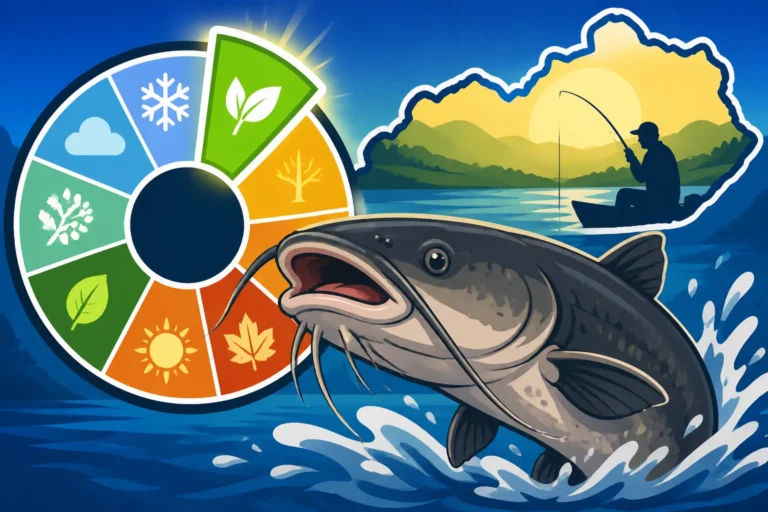
Crappie are creatures of habit, and their location shifts dramatically with the seasons. Ignoring these movements is a sure-fire way to spend a day casting to empty water. In spring, as water temperatures creep into the upper 50s and low 60s, crappie move shallow for the spawn. This is prime time to find them in less than 10 feet of water, often tucked into brush, reeds, or around shallow docks. A small jig fished under a bobber or lightly cast around these areas can be incredibly productive during the spring spawn run.
As summer heats up, crappie typically retreat to deeper, cooler waters. You'll find them suspended over creek channels, around deep timber, or near thermoclines in 15-30 feet of water. This is when vertical jigging directly over marked fish or slow trolling jigs can really shine. Fall sees a transition as water temperatures cool, and crappie become more active, moving to brush piles, creek channel edges, and secondary points to feed aggressively, often in shallower water than summer but deeper than spring. Finally, winter finds them grouped up in deep channels, under bridges, or suspending over massive brush piles, often in 30-50 feet of water or more. Knowing these patterns means you're always putting your jig in the strike zone, no matter the time of year.
Essential Crappie Jig Components
Thinking a "jig" is just one thing is like thinking all fishing rods are the same – it's far from the truth! A crappie jig is a system, and each component plays a critical role in its effectiveness. Let’s break down the individual parts.
Jig Heads: Weight, Hook Size, and Color
The jig head is the foundation of your crappie rig. It dictates the depth, fall rate, and presentation of your offering. Weight is paramount. For shallow water (under 10 feet) or when crappie are finicky, 1/32 or 1/16 ounce jig heads are often perfect for a slow, enticing fall. If you're fishing deeper water, battling current on a river, or trying to quickly get down to suspended fish, 1/8 ounce or even 1/4 ounce heads become necessary. The goal is to use the lightest jig head possible while still maintaining control and reaching the desired depth. Too heavy, and your bait falls unnaturally fast; too light, and you can't feel the bite or keep it in the strike zone.
Next is hook size. Crappie have relatively small, papery mouths, so a fine-wire, sharp hook is essential for good hooksets and minimizing damage. Most crappie jig heads come with hooks ranging from size #4 to #1, with #2 or #1 being common for larger crappie. You want a hook that's large enough to hold a fish, but not so large it impedes the action of your plastic or makes it difficult for a crappie to inhale. Finally, jig head color can be a subtle but impactful factor. Natural colors like black, brown, or olive work well in clear water, mimicking small baitfish or insects. Chartreuse, pink, or orange can be excellent attractors in stained or muddy water, or on overcast days. Sometimes, a plain lead head is all you need, but having a variety of colors in your tackle box is a smart move. You might also encounter different jig head styles, like classic round heads, minnow heads (which look more lifelike), or stand-up heads for bottom presentations. Each offers a slightly different profile and action, adding to your arsenal.
Soft Plastic Baits: Types, Sizes, and Action
The soft plastic body you thread onto your jig head is what truly brings your offering to life. There's an endless array of choices, but they generally fall into a few key categories. Grubs with curly tails are probably the most common and versatile. The tail provides a tempting flutter on the retrieve or on the fall, mimicking a swimming baitfish or insect larva. Sizes typically range from 1 to 3 inches. Tube jigs offer a bulkier profile with multiple tentacles, creating a subtle, pulsating action that can be deadly in brush piles or when fish are less aggressive. Minnow imitations, often called "shad darts" or "swim baits," are designed to look exactly like small baitfish, often with a paddle tail for a strong kicking action. These are fantastic when crappie are actively feeding on schools of shad.
Beyond the shape, size matters. Most crappie plastics are 1 to 2.5 inches. Smaller sizes are better for finicky fish or cold water, while larger profiles can attract bigger crappie or be more visible in murky water. Color is another vital consideration, and it’s one that crappie anglers debate endlessly. General rules of thumb include natural colors (smoke, clear, pearl) for clear water, and bright colors (chartreuse, orange, pink, electric chicken) for stained or muddy water or low light conditions. Some days, they want blue, other days green. Having a variety on hand, easily found on platforms like Amazon, allows you to experiment until you find what they prefer. Don't forget about scent! Many soft plastics come pre-infused with fish attractant, or you can add your own in liquid or gel form to give your jig an extra edge.
Line Selection: Mono, Fluoro, and Braid for Jigs
Your fishing line is the crucial connection between you and the crappie, and choosing the right type can significantly impact your success. Monofilament (mono) is a classic for a reason. It's affordable, has good knot strength, and its stretch provides a forgiving buffer when a crappie strikes, reducing the chance of tearing their soft mouths. For crappie jigs, 4-6 pound test mono is typically ideal, offering a good balance of strength and castability without being too visible.
Fluorocarbon (fluoro) has become increasingly popular, especially for its invisibility underwater. It shares a similar refractive index to water, making it nearly undetectable to wary crappie. Fluoro also has less stretch than mono, offering better sensitivity to subtle bites and more direct power for hooksets. The downside is it's generally more expensive and can be stiffer, making knot tying a bit trickier. A 4-6 pound test fluorocarbon leader, tied to a monofilament mainline, is a fantastic setup for maximizing stealth and sensitivity.
Braided line offers the ultimate in sensitivity and strength with virtually no stretch. This means you feel every tick, tap, and subtle change in your jig's movement. It's also incredibly thin for its breaking strength, allowing for longer casts and cutting through current better. However, braid is highly visible underwater, which can spook crappie in clear conditions. For this reason, many anglers use 6-10 pound braid as their mainline, tied to a 4-6 pound fluorocarbon leader using a small swivel or a strong connection knot like the FG knot. This gives you the best of both worlds: sensitivity and strength from the braid, and stealth from the fluoro leader. Always match your line to your jig weight and target crappie size. For instance, if you're fishing for Kentucky Crappie Daily Limit Rules with larger jigs in heavy cover, you might lean towards slightly heavier line.
Fundamental Crappie Jig Rigs
Now that we've got the components down, let's talk about putting them together. There are several basic jig rigging methods, each with its own advantages depending on the fishing situation.
The Simple Single Jig Rig
The single jig rig is your bread and butter, the most straightforward and often most effective setup for crappie fishing. It's simply one jig head with a soft plastic body tied directly to your mainline. This rig offers maximum sensitivity, as there's only one point of contact with the fish. It's excellent when crappie are finicky, in clear water, or when you need a precise presentation in tight cover.
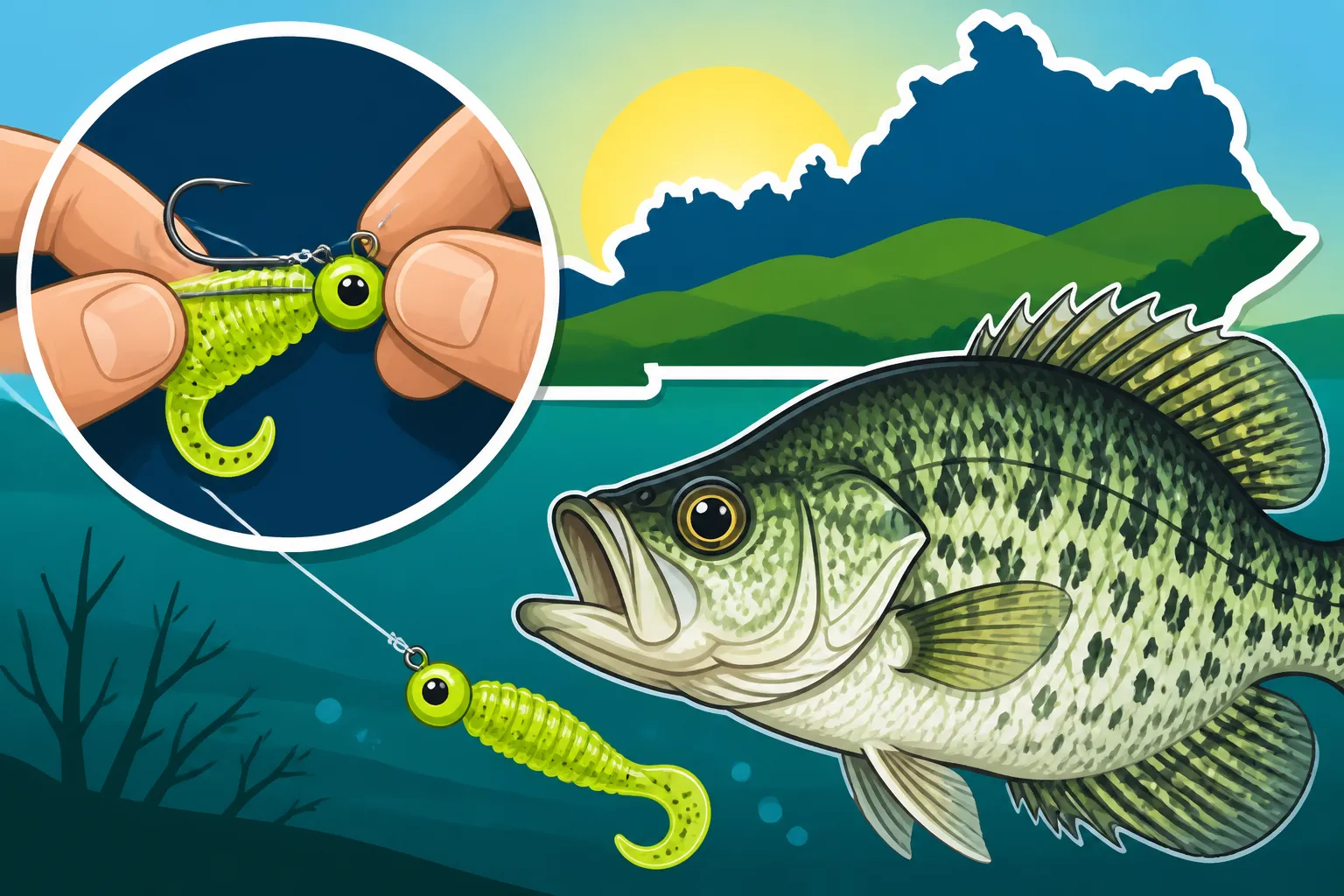
To rig it, simply tie your chosen jig head to the end of your fishing line using a strong, reliable knot. The Palomar knot is a popular choice among anglers for its strength and ease of tying, especially with fluorocarbon or braided lines. The Improved Clinch knot is another solid option for monofilament. Once tied, carefully thread your soft plastic bait onto the hook. The key here is to make sure the plastic body is straight on the hook, not twisted or bunched up. A crooked bait will spin unnaturally in the water, which can deter bites. Ensure the hook point exits the back of the plastic cleanly, leaving plenty of gap for a solid hookset. This simple setup is perfect for casting and retrieving, or for vertical presentations when you're targeting a specific depth. It also reduces tangles, which is a major bonus when you're casting repeatedly into brush. If you're just learning How to Jig for Crappie in Shallow Water, this is definitely where you'll want to start.
Double Jig Rig (The Tandem Advantage)
Sometimes, one jig isn't enough, especially when you're trying to cover more water, figure out the fish's preferred depth, or discover what color they're biting on. That's where the double jig rig, also known as a tandem rig, comes into play. This setup involves tying two jigs at different depths on the same line.
There are a couple of popular ways to create a double jig rig. One common method is to tie the bottom jig directly to the end of your line. Then, about 10-18 inches above the bottom jig, tie a dropper loop knot or a surgeon's loop knot directly into your mainline. Snip one side of the loop, and tie your second jig to that tag end. Make sure the tag end isn't too long, usually 4-6 inches, to prevent excessive tangling. Another option is to use a small three-way swivel. Tie your mainline to one eye, a short leader (10-18 inches) to the bottom jig to another eye, and a slightly shorter leader (4-8 inches) to your second jig from the third eye. The advantage here is that you can present two different colors, sizes, or even types of soft plastics simultaneously. For example, you might run a chartreuse grub on top and a white minnow imitation on the bottom. If one jig consistently gets hit, you know what they prefer. It's also great for finding the fish's depth zone quickly if they are suspended in a water column, as you're covering two depths with one cast. The main drawback is the increased potential for tangles, especially when casting or when fighting a fish. However, for sheer efficiency in locating active crappie, the double jig rig is hard to beat.
Slip Bobber Rig with a Jig
When crappie are holding tight to shallow cover like brush piles, submerged timber, or dock pilings, and they're finicky, a slip bobber rig combined with a jig can be an absolute game-changer. This rig allows you to present your jig precisely at a desired depth, keep it there longer, and detect even the most subtle bites.
The components are simple: a bobber stop, a small bead, a slip bobber, and your single jig rig. First, slide the bobber stop onto your mainline. This little piece of string or rubber is adjustable, allowing you to set the depth your jig will hang at. Next, slide on the small bead – this prevents the bobber stop from pulling through your slip bobber. Then, thread your mainline through the top and bottom eyes of your slip bobber. Finally, tie your single jig rig (jig head and plastic) to the end of your line. When you cast, the jig pulls the line through the bobber until the bobber stop hits the top of the bobber, suspending your jig at your predetermined depth. This is incredibly effective for fishing a specific depth repeatedly. For example, if you find fish consistently at 6 feet in a 10-foot brush pile, you can set your bobber stop to 6 feet and present your jig perfectly every time. The visual cue of the bobber dipping or twitching makes bite detection easy, which is great for beginners or when fish are barely mouthing the bait. This setup is particularly potent during the spring spawn when crappie are in shallow, often visible cover, making it a key technique to master for Kentucky Crappie Fishing: Spring Spawn Run Guide.
Advanced Jigging Techniques for Crappie
Knowing how to tie a jig is just the beginning; how you work that jig is what truly unlocks its potential. Different situations call for different presentations.
Vertical Jigging in Deep Water
When summer heat pushes crappie into deep water or winter cold makes them lethargic and grouped up in deep channels, vertical jigging becomes an indispensable technique. This involves positioning your boat directly over marked fish or structure and dropping your jig straight down to them. The key here is precision and sensitivity.
Start by using your fish finder and electronics to locate schools of crappie or submerged brush piles. Once you’re positioned, gently lower your jig directly into the strike zone. The ideal depth will be dictated by what your electronics are showing you. A slow, controlled fall is often critical, as many strikes occur as the jig descends. Pay close attention to your line – any subtle pause, twitch, or sudden slack could indicate a bite. Once the jig reaches the desired depth, you can impart action by slowly raising and lowering your rod tip, gently shaking it, or just holding it still for a few seconds. Experiment with different jigging motions to see what the crappie prefer. Sometimes a slight quiver is all it takes; other times, a more aggressive lift-and-drop works. Using a highly sensitive rod and braided line will help you detect those incredibly light bites that can feel like just a bit of extra weight on your line. Many anglers use a tactic called "tightlining" in these situations, which involves maintaining a taut line to feel those subtle takes, a method discussed more in-depth in Tightlining Techniques for Crappie Fishing.
Casting and Retrieving Around Structure
Perhaps the most common and enjoyable way to fish jigs for crappie is by casting and retrieving them around various types of structure. This allows you to cover water and actively search for fish that might be scattered or holding tight to cover. Crappie love structure – anything that offers cover, shade, or ambush points.
Target areas like submerged timber, brush piles, dock pilings, bridge supports, and even rock ledges. Cast your jig beyond the structure and retrieve it, aiming to bring the jig right past or through the fish-holding cover. The retrieve speed is crucial and often needs to be experimented with. A slow, steady retrieve can be effective, especially with curly-tailed grubs or paddle-tail swimbaits. Sometimes, a "stop-and-go" retrieve, where you reel a few turns then pause, allowing the jig to flutter down, triggers more strikes. Other times, a subtle twitching motion of the rod tip as you retrieve can make the plastic come alive. Always be prepared for a strike on the pause or as the jig falls. Vary your retrieve until you find what the crappie want on that particular day. If you're fishing a large lake like Kentucky Lake or Lake Barkley, casting around visible and submerged structures near creek channels can be incredibly productive for finding schools of active crappie.
Spider Rigging and Trolling with Jigs
When crappie are scattered over flats or suspended in open water, or when you simply want to cover a vast amount of territory to find active fish, spider rigging or slow trolling with jigs can be incredibly effective. This method is all about efficiency and presenting multiple baits at multiple depths simultaneously.
Spider rigging typically involves using several long rods (often 10-16 feet) fanned out from the front of the boat, each rigged with one or two jigs. The boat moves very slowly, often with an electric trolling motor, usually at speeds between 0.5 to 1.5 mph. Each rod presents a jig at a slightly different depth and distance from the boat, allowing you to quickly identify the crappie's preferred depth and location. Many anglers will tie on different color jigs or types of plastics on each rod until they determine what the fish are biting. This technique is particularly popular on large, open reservoirs like Kentucky Lake and Lake Barkley, where crappie might be spread out over vast flats or suspending over old creek beds. You can literally "spider out" your baits and pick off fish as you move over them.
Slow trolling is similar but often uses fewer rods and sometimes heavier jigs or even small crankbaits alongside your jigs. It's effective for covering long stretches of structure like creek channel edges or submerged humps. The constant, slow movement keeps the jigs in the water and provides a consistent action that can entice crappie. The key to both methods is maintaining a slow, controlled speed and constantly monitoring your electronics to ensure you're passing over fish or productive structure. You'll want to choose a reliable trolling motor and a set of quality rod holders to make these techniques as easy and effective as possible.
Selecting the Right Jig for Kentucky Waters
Kentucky is a diverse state with an incredible variety of fishing environments. What works in one lake might not be the best choice in another. Tailoring your jig selection to the specific waters and conditions is a hallmark of a seasoned crappie angler.
Specific Jig Choices for Popular Kentucky Lakes
Kentucky boasts some truly world-class crappie fisheries, and each one can have its own quirks. Let's look at a few popular destinations and what often works well.
On the mighty Kentucky Lake, known for its expansive waters and abundant crappie, anglers often find success with slightly larger jigs, perhaps 1/8 to 1/4 ounce, especially when fish are relating to deeper ledges or suspended over creek channels. Minnow imitations in pearl, chartreuse, or even a natural shad pattern are common producers. The sheer size of the lake means you're often covering vast areas, so jigs with good action on the retrieve, like a paddle-tail swimbait, can help crappie find your bait.
Lake Barkley, Kentucky Lake’s twin, also fishes very similarly for crappie, but sometimes the presence of sauger in the deeper channels can influence crappie behavior. Often, smaller jigs, 1/16 ounce or even 1/32 ounce, in more subtle colors like smoke or clear can be effective, especially when sauger are also targeted. However, during the spring, bright colors are still king in the shallow bays.
For the clear, deep waters of Lake Cumberland, where crappie can suspend at extreme depths, vertical jigging with smaller, more subtle jigs is often the ticket. Think 1/32 ounce or 1/16 ounce jigs in natural colors like junebug, bluegill patterns, or even glow-in-the-dark options for deep presentations. The clearer water often demands a more stealthy approach, and fluorocarbon leaders are a must.
Finally, Barren River Lake, another fantastic crappie fishery, often has specific regulations, such as the Barren River Lake Crappie Size Limit in Kentucky. Here, targeting brush piles and standing timber with tubes or grubs in chartreuse, white, or electric chicken is a local favorite, especially during the spring and fall migrations. The varying water clarity means you'll want to have both bright and natural options on hand. Always check the site-specific regulations for any lake you're fishing, as limits and sizes can vary!
Matching the Hatch and Water Conditions
"Matching the hatch" isn't just for fly fishing; it applies directly to crappie jigging too. This simply means trying to use jigs that imitate the natural food sources crappie are feeding on. In many Kentucky lakes, crappie primarily feed on small baitfish like shad, shiners, or minnows, along with various aquatic insects and crustaceans.
If you observe schools of baitfish flickering on your fish finder or around your boat, then a minnow-imitating soft plastic in a shad or silver color is a great starting point. If crappie are less active or water temperatures are cooler, they might be feeding on smaller, slower-moving insects or larvae, in which case a small grub or tube jig in a muted color could be more effective.
Water conditions also play a huge role. In clear water, crappie are more visually oriented, and natural, translucent colors like smoke, clear with glitter, or light greens and blues tend to work best. You want your jig to look as realistic as possible. In stained or muddy water, visibility is low, so you need to rely on vibration and brighter, more opaque colors. Chartreuse, orange, pink, and vibrant greens stand out better and give crappie a visual target. On overcast or cloudy days, even in clear water, brighter colors can sometimes be more effective because there's less light penetration. Conversely, on bright, sunny days, darker or more natural colors can be better as they create a subtle silhouette. Don't be afraid to experiment, and always have a variety of colors and patterns ready to switch out based on the conditions you encounter.
Troubleshooting Common Jigging Problems
Even the best anglers face challenges. If you're not getting bites or constantly getting hung up, it's time to troubleshoot your jigging strategy.
One of the most common frustrations is getting hung up in cover. Crappie love brush and timber, but so do your jigs! If you're constantly snagging, consider a few adjustments. First, try a weedless jig head, which has a small wire guard over the hook point. Alternatively, you can rig your soft plastic in a Texas-rig style, burying the hook point back into the plastic body. Another option is to use a lighter jig head that falls slower, allowing you more time to react and avoid snags. When fishing heavy cover, learn to "feel" your jig; if you bump a branch, gently lift your rod tip or give a slight slack to let the jig float over it before resuming your retrieve.
If you're experiencing missed bites (fish pecking at the bait but not getting hooked), your jig might be too large, or your hook might be too dull. Try downsizing your jig head and soft plastic. Crappie have small mouths, and sometimes a bulky bait is hard for them to inhale. Ensure your hooks are razor-sharp – a quick file can make a huge difference. You might also be setting the hook too early or too late; crappie bites can be incredibly subtle, often feeling like a slight pressure or just a "mushy" feeling on the line. Learn to react to anything unusual.
And what about the dreaded "no bites" scenario? This is when it's time to cycle through your variables. First, check your depth. Are you actually presenting your jig where the fish are? Consult your electronics. Second, change your color. If you've been using chartreuse, try white, then a natural color. Third, vary your retrieve. Speed up, slow down, add pauses, twitch it more, or try less action. Fourth, consider downsizing or upsizing your jig. Sometimes a tiny 1-inch grub is what they want, other times a larger 3-inch minnow imitation. Don't be afraid to change locations either; sometimes the fish just aren't biting where you are, and a short move to a different type of structure or depth can make all the difference. Patience and systematic experimentation are your best friends here.
Essential Gear Beyond the Rig
While the jig itself is the star, the supporting cast of gear ensures your crappie fishing experience is smooth, efficient, and successful.
Rod and Reel Combinations for Jigging
Choosing the right rod and reel is crucial for feeling those subtle crappie bites and efficiently working your jigs. For crappie jigging, you generally want a light to ultralight action spinning rod that is 6 to 7.5 feet long. The lighter action allows you to cast small, lightweight jigs effectively and provides a softer touch for crappie's delicate mouths, preventing hooks from tearing out.
A fast or extra-fast tip is usually preferred. This means the rod bends mostly in the top third, providing excellent sensitivity to detect faint bites and a quick hook-setting power. However, a moderate-fast tip can also be beneficial, especially for a slightly more forgiving action that helps prevent fish from pulling free. As for the reel, a small spinning reel in the 500 to 1000 size is perfect. These reels are lightweight, balance well with ultralight rods, and have smooth drags essential for fighting crappie on light line. A good quality reel will ensure a smooth retrieve and help you manage those delicate presentations. Brands like Shimano, Daiwa, or even specific crappie-focused combos found on Amazon are great places to start. For more detail, you can check out guides like Best Rods and Reels for Kentucky Crappie Fishing.
Electronics and Accessories for Crappie Anglers
Modern electronics have revolutionized crappie fishing, making it easier than ever to locate fish and structure. A good fish finder is almost a necessity, especially when targeting deep or suspended crappie. Look for units with down imaging and side imaging capabilities, which give you a clearer picture of what's beneath and around your boat. This allows you to pinpoint brush piles, channel edges, and individual crappie schools. GPS capabilities are also invaluable for marking productive spots and navigating back to them.
An electric trolling motor is another game-changer, especially for techniques like spider rigging or precise boat positioning over structure. Foot-controlled or remote-controlled models allow for hands-free operation, letting you focus on fishing. Features like spot-lock (GPS anchoring) are incredibly useful for staying put over a hot spot. Beyond the big-ticket items, consider accessories like rod holders for spider rigging, a long-handled landing net (crappie are notorious for coming unbuttoned at the boat), and a livewell or cooler to keep your catch fresh. These items, all readily available on platforms like Amazon, enhance comfort and efficiency on the water. For more information, explore resources like Best Fish Finders and Electronics for Kentucky Lake Fishing.
Tackle Box Essentials for Crappie Jigs
Having an organized and well-stocked tackle box specifically for crappie jigs can save you a lot of frustration and keep you fishing effectively. You don't want to be fumbling around when the bite is hot!
Your tackle box should, of course, be filled with a wide variety of jig heads. Aim for a range of weights (1/32, 1/16, 1/8 ounce) and hook sizes, as well as a selection of colors (plain lead, chartreuse, black, pink). Dedicate specific compartments to different jig head types to keep them organized. Next, stock up on an assortment of soft plastic bodies. This means various shapes (curly tail grubs, tubes, minnow imitations) and a comprehensive range of colors. Don't underestimate the power of trying something totally different when the bite slows. Many anglers will separate plastics by color or style into small, clear plastic bags within their tackle box for easy access.
Other essentials include extra spools of fishing line (mono, fluoro, or braid in appropriate pound tests), a good pair of line clippers or small scissors, and a selection of small swivels if you plan on using leaders. A hook sharpener is a must-have, as sharp hooks are critical for crappie. Don't forget a small bottle or tube of fish attractant; sometimes a little extra scent can make all the difference. Finally, a small first-aid kit is always a good idea when handling sharp hooks. Keeping your tackle box tidy means you spend less time searching and more time fishing.
| Jig Head Weight (Oz) | Typical Depth Range | Ideal Conditions | Retrieve/Action | Notes |
|---|---|---|---|---|
| 1/32 | 1-8 feet | Shallow, clear, calm | Slow, subtle fall, light twitch | Excellent for finicky fish; requires ultralight rod |
| 1/16 | 5-15 feet | General purpose, light current | Slow to moderate, versatile | Most common weight, good for all-around use |
| 1/8 | 10-30 feet | Deeper water, moderate current | Moderate to fast, faster drop | Good for quick depth reach, slightly less finesse |
| 1/4 | 20+ feet | Deep water, strong current | Fast drop, vertical jigging | Best for fast drops or strong currents; heavy feel |
Crappie Fishing Regulations in Kentucky
Before you hit the water, it’s absolutely essential to be familiar with Kentucky's fishing regulations. Not only does it keep you legal, but it also helps conserve our precious fisheries.
Statewide Crappie Limits and Exceptions
Kentucky has specific regulations for crappie to ensure sustainable populations. Generally, the statewide daily creel limit for crappie is 20 fish. This means you can keep up to 20 black or white crappie (or a combination of both) per person per day.
However, it’s really important to note that Kentucky generally does not have a statewide size limit for crappie. This means that, for most waters, you can keep crappie of any size up to your daily limit. However, there are crucial exceptions! Certain lakes or specific bodies of water in Kentucky might have special site-specific regulations, including different daily limits or minimum size limits, designed to manage their unique crappie populations. For instance, you should always check if you're fishing a lake like Barren River Lake, which has a specific Barren River Lake Crappie Size Limit in Kentucky. It's your responsibility as an angler to check the current Kentucky Department of Fish and Wildlife Resources (KDFWR) Fishing & Boating Guide before each trip to the specific waterbody you plan to fish. Ignoring these exceptions can lead to penalties and fines, so always double-check!
Licensing Requirements for Kentucky Anglers
To legally fish for crappie or any other fish in Kentucky's public waters, you must possess a valid Kentucky fishing license, unless you fall under a specific exemption. This goes for residents and non-residents alike, and applies to everyone aged 16 and older.
Kentucky offers various types of fishing licenses to suit different needs. The most common is the annual fishing license, which is valid from March 1st of one year through the last day of February the following year. If you plan on fishing more than a few times a year, this is usually the most cost-effective option. For shorter trips, such as a weekend getaway, you might consider a 1-day fishing license or, for non-residents, a 7-day fishing license. There are also special licenses for seniors and those with disabilities. If you're targeting trout, remember you'll also need a Kentucky Trout Permit on top of your fishing license. You can purchase your license easily online through the KDFWR website, at various sporting goods stores, county clerk offices, or even some bait shops across the state. It's a quick and simple process to get licensed. For a detailed breakdown of all the options, be sure to review the Kentucky Fishing License Guide or learn How to Buy a Kentucky Fishing License Online. Make sure you always have your license on your person (digital or physical copy) while fishing, as game wardens regularly conduct checks.
Disclaimer
The information provided in this guide is for general informational purposes only and is subject to change. Fishing regulations, license requirements, and fish populations can vary. Always consult the official Kentucky Department of Fish and Wildlife Resources (KDFWR) website or their current Fishing & Boating Guide for the most up-to-date and accurate information before planning any fishing trip. Adherence to all local, state, and federal laws is the sole responsibility of the angler.