What Month Do Kentucky Catfish Bite Best
There's nothing quite as frustrating as heading out to your favorite Kentucky fishing hole, rods rigged and anticipation high, only to find the catfish just aren't biting. It can feel like a game of chance, leaving you wondering if you picked the wrong day, the wrong bait, or simply the wrong time of year. But what if you could dramatically improve your odds by knowing precisely what month Kentucky catfish bite best? This comprehensive guide is here to shed light on those peak seasons, helping you time your trips for maximum success and make every cast count.
The Peak Catfish Season in Kentucky
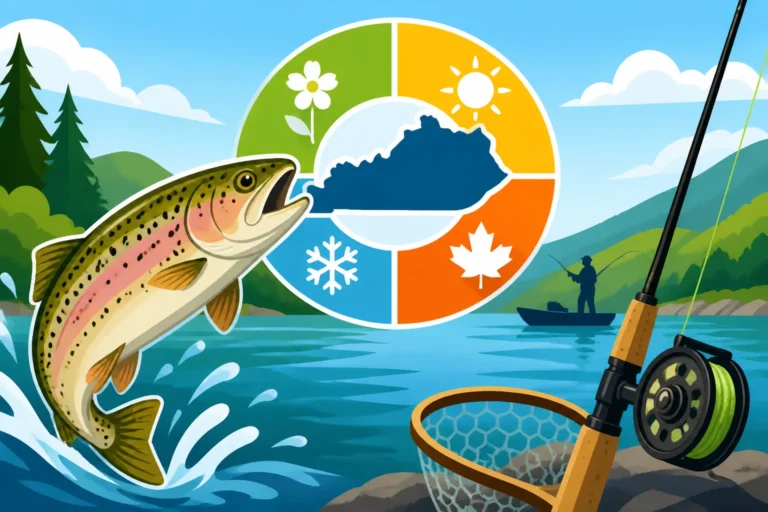
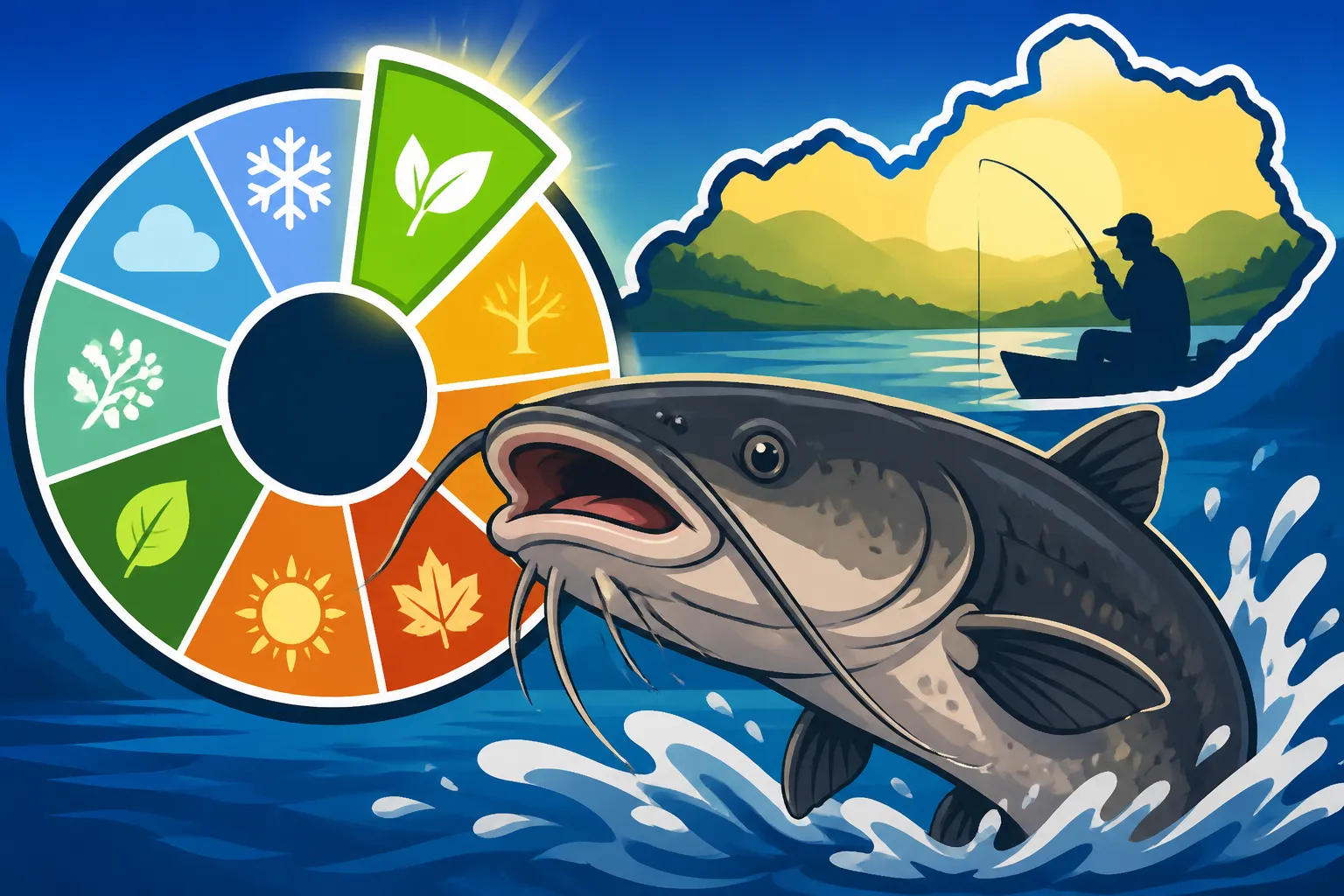
When it comes to consistently catching catfish in Kentucky, there's definitely a sweet spot in the calendar. While you can technically catch catfish year-round, their activity levels and feeding behaviors fluctuate dramatically with water temperature and spawning cycles. Understanding these shifts is key to knowing when to hit the water for the best results.
Spring Awakening: When Water Warms Up
As the chill of winter finally recedes, usually from late March through May, Kentucky's waters begin to warm, and catfish slowly but surely awaken from their lethargic state. This is a fantastic time for many anglers, as the fish are hungry and starting to move more actively.
In early spring, when water temperatures are typically in the 50s, you’ll find channel catfish often becoming the first to really get going. They'll start moving out of their deeper wintering holes and into shallower flats, creek mouths, and areas where sunlight penetrates and warms the water faster. They're looking for an easy meal to replenish energy stores after the cold months. As temperatures climb into the 60s, blue catfish will follow suit, and flatheads will also become more active, though they tend to be a bit later to the party. During this pre-spawn period, all three species are focused on feeding, making them excellent targets. Fresh cut bait, worms, and even prepared "stink" baits are all great options when the water first starts warming up. Look for them in areas with current or near submerged structure where they can ambush prey.
Summer Sizzlers: The Prime Feeding Frenzy
Without a doubt, the period from June through August generally offers the most consistent and often the best overall catfish action in Kentucky. This is when water temperatures are consistently warm, catfish metabolism is at its peak, and they are incredibly aggressive feeders, particularly after their spawning rituals.
After the spawn, which typically occurs in late spring to early summer for most species, catfish enter a post-spawn feeding frenzy. They've expended a lot of energy and are now ravenous, looking to pack on weight. This is especially true for blue catfish, which are known for their strong summer bite. Many anglers find success fishing through the day, but the absolute best action, particularly for trophy-sized blues and flatheads, often happens after dark during these warm months. Night fishing allows catfish to roam shallower waters more freely, escaping the heat and bright sun, and making them more accessible to bank and boat anglers alike. Techniques like trotlining and jug fishing, which are popular for catching multiple fish, are incredibly effective during these prime summer months when fish are actively moving and feeding. For serious summer catfishing on the Ohio River, you definitely want to explore Summer Catfish Fishing on the Ohio River in Kentucky for in-depth strategies.
Fall Feasting: Pre-Winter Preparations
Don't hang up your catfish rods just yet when summer fades! The September and October timeframe can also be exceptionally productive for Kentucky catfish. As air and water temperatures begin to cool slightly, catfish sense the approaching winter and engage in a significant feeding spree to fatten up. This "fall feasting" period can lead to some truly impressive catches, especially for larger fish.
During these months, catfish are often found in areas where they can easily access food while also being close to deeper water where they'll eventually retreat for winter. River channels, deep bends, and the edges of flats where they drop off into deeper sanctuaries are prime locations. The bite might not be as frantic as the summer nights, but the fish you hook in the fall are often substantial. You'll want to use similar baits to summer, like fresh cut bait or live bait for flatheads, but you might need to present them slightly slower and closer to the bottom as the water continues to cool. It's a fantastic time for anglers who enjoy a more relaxed pace but still want the thrill of a big catfish on the line.
Understanding Catfish Behavior Through the Seasons
To truly master catfish angling in Kentucky, it's not enough to just know when they bite best; you need to understand why. Their behavior is intrinsically linked to fundamental biological drivers.
The Critical Role of Water Temperature
Water temperature is arguably the single most important factor influencing catfish behavior. Like all cold-blooded fish, their metabolism, activity levels, and feeding desires are directly dictated by the temperature of the water around them.
- Cold Water (Below 50°F): In the coldest months of winter, catfish are quite lethargic. Their metabolism slows dramatically, and they conserve energy by congregating in deep holes, slack water, or thermal refuges. While you can catch them, they won't be actively chasing baits, and you'll need to present your offerings right on their nose, often with minimal movement. It's a challenging time, and patience is key.
- Warming Water (50-70°F): This is the sweet spot for increasing activity. As the water warms in spring, their metabolism picks up, and they begin to feed aggressively to recover from winter and prepare for spawning. This is a fantastic time for consistent action, as mentioned earlier.
- Warm Water (70-85°F): During the summer, catfish are highly active. Their metabolism is roaring, and they need to consume a lot of food to sustain themselves and grow. This high activity level translates into aggressive bites, especially during cooler periods like nighttime. However, excessively hot surface water can sometimes push them into deeper, cooler thermoclines during the day, especially in large reservoirs.
- Cooling Water (70-55°F): As fall progresses, the cooling water triggers a strong feeding response. Catfish recognize that winter is coming and will actively gorge themselves. They remain highly catchable during this period, often offering some of the best opportunities for larger fish before they go dormant again. Knowing how water temperature influences a fish's activity will give you a significant advantage in figuring out when and where to present your bait.
Spawning Cycles and Their Impact
Another critical factor is the catfish spawning cycle. Each species has a slightly different timeframe, and this period can temporarily affect their willingness to bite.
- Channel Catfish: Typically spawn from late May to July when water temperatures are between 70-75°F.
- Blue Catfish: Generally spawn from late May to early July, usually when water temperatures reach 70-75°F.
- Flathead Catfish: Often spawn a bit later, from June to August, in water temperatures ranging from 72-80°F.
During the actual spawning period, catfish can become quite territorial and focused on reproduction, often leading to a temporary lull in their feeding activity. This can be one of those frustrating times when you just can't seem to get a bite, even in prime locations. However, don't despair! Immediately after the spawn, when they've finished their reproductive duties, catfish become incredibly hungry and aggressive. This post-spawn period is a huge reason why summer is so productive for catfish in Kentucky. They need to recover lost energy and start packing on weight again. Understanding these cycles helps you anticipate when they might be less active and, more importantly, when they're about to turn on like a light switch.
Seasonal Feeding Patterns
Just like their activity levels, catfish feeding patterns change throughout the year, adapting to their metabolic needs and the availability of food.
- Spring: As spring waters warm, catfish are coming out of a long period of reduced feeding. They are often opportunistic, willing to hit a variety of baits as they seek to replenish their energy. Look for them moving into shallower areas where baitfish might be congregating.
- Summer: This is peak feeding time. High metabolism means they need constant food. They'll be actively hunting, both day and night, for anything from baitfish to crawfish to insects. This is when you can really capitalize on their aggressive nature, often finding them in a wider range of habitats from deep river channels to shallower flats at night. For the big Ohio River cats, you'll find plenty of insight in the "Kentucky Catfish Fishing: Ohio River and Kentucky Lake Guide".
- Fall: Catfish shift into a "gorging" mode, preparing for the lean winter months. They'll actively feed on whatever is available, and can often be found in deeper areas, but still willing to chase down a meal. This is a great time to target bigger fish as they pack on the pounds.
- Winter: Feeding is minimal. They'll take small, easy meals if they drift by, but they aren't expending much energy to hunt. Presentation becomes paramount, and patience is a virtue.
Top Techniques and Baits for Peak Catfish Season
Knowing when to fish is only half the battle; knowing how to fish effectively during those prime months is what truly brings success. Different situations call for different approaches.
Effective Rigs for River and Lake Catfish
The right rig can make all the difference, especially when you're trying to put your bait in front of a hungry catfish without getting constantly snagged.
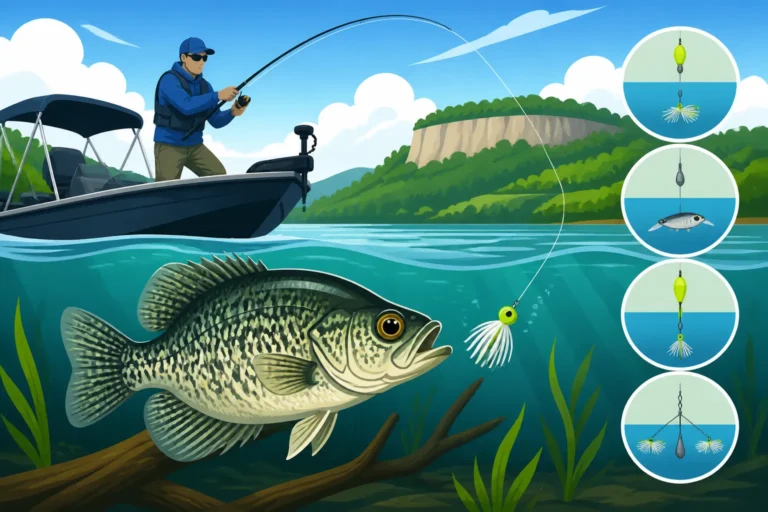
- Slip-Sinker Rig (Carolina Rig style): This is probably the most common and versatile rig for bottom fishing. A bullet or egg sinker slides freely on your main line, above a swivel, which is then tied to a leader and your hook. This setup allows the fish to pick up the bait and swim off without feeling the weight of the sinker, leading to more solid hooksets. It's excellent for both lakes and slower river sections.
- Three-Way Rig: For fishing in stronger currents, a three-way swivel is invaluable. One eye connects to your main line, another to a short leader (6-12 inches) with your sinker, and the third to a longer leader (12-24 inches) with your hook and bait. This keeps your bait slightly off the bottom and allows the current to present it naturally, preventing it from rolling or getting buried.
- Santee Cooper Rig: A variation of the slip-sinker rig, this adds a small float on the leader between the swivel and the hook. This is perfect for keeping your bait just off the bottom in areas with soft sediment or thick vegetation, making it more visible and less prone to getting lost. You can find pre-made versions or all the components you need to tie your own on Amazon.
- Set Lines: For those looking to cover more water or fish multiple baits, set lines like trotlines and jug lines are incredibly effective during the peak summer months. Just remember to check your local regulations for specific rules on these methods. If you're new to these, our guides like "How to Rig a Trotline for Catfish" and "Jug Fishing for Catfish: A Beginner's Guide" offer excellent starting points.
Choosing the Right Bait for Each Species
While there's certainly overlap, matching your bait to the catfish species you're targeting can significantly increase your catch rate.
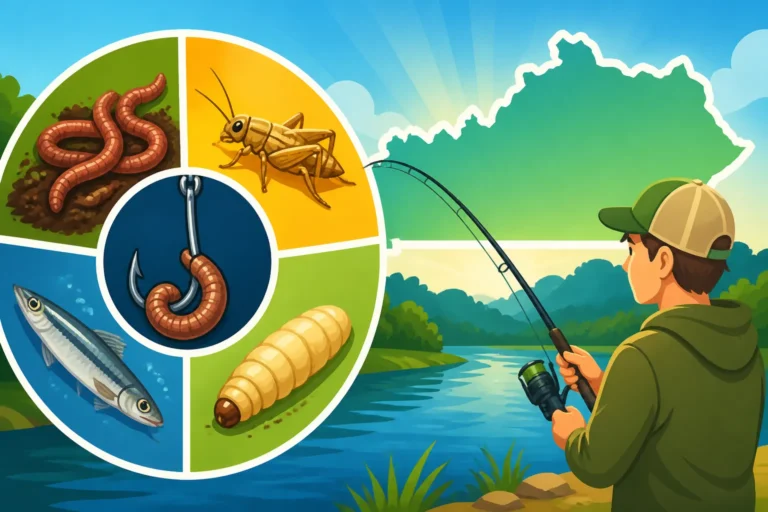
- Channel Catfish: These are the most widespread and often the most willing biters. They're not particularly picky. Classic baits include nightcrawlers, chicken livers (oh, the smell!), prepared "stink" baits, dough balls, and even hot dogs. If you're looking for a quick and easy bait solution, you can find a fantastic selection of pre-made stink baits on Amazon that are very popular.
- Blue Catfish: Especially the bigger ones, are primarily piscivores (fish-eaters). Fresh cut bait is king here. Shad, skipjack herring, perch, or any oily baitfish cut into chunks are irresistible to them. The fresher, the better! Live bait can also be effective, but cut bait is often easier to manage and just as potent. For chasing big blues on the Ohio River, make sure to check out "Best Bait for Blue Catfish Fishing".
- Flathead Catfish: These are the apex predators of the catfish world and have a strong preference for live bait. Live bluegill, sunfish, shad, carp, or suckers are your best bet. The bait needs to be lively and presented near structure where flatheads like to ambush their prey. You'll rarely catch a large flathead on stink bait or cut bait, so don't waste your time if a trophy flathead is your target. For more detailed advice, refer to "Best Bait for Flathead Catfish on the Ohio River".
Night Fishing and Daytime Strategies
The time of day you fish can be as important as the time of year, particularly during the warmer months.
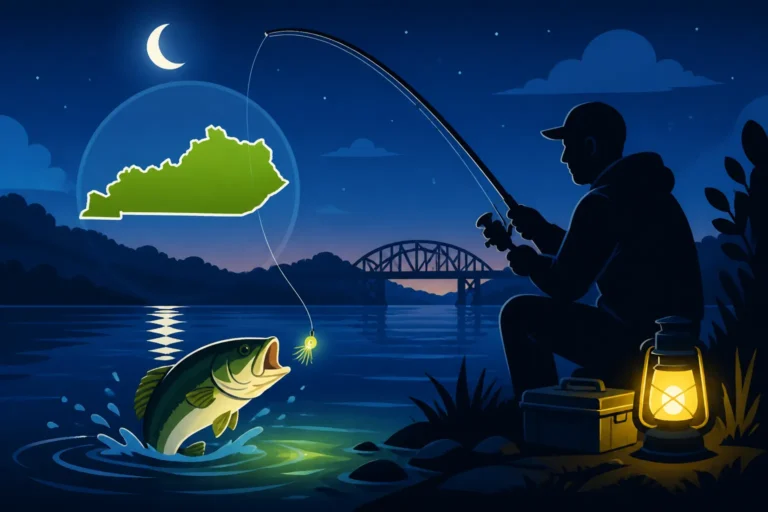
- Night Fishing: This is a golden opportunity, especially in summer. As the sun sets, larger catfish, particularly blue and flathead cats, often move out of deeper, cooler holding areas into shallower flats, humps, and submerged structure to feed. They feel safer under the cloak of darkness and can more easily ambush prey. This is the prime time for targeting trophy fish. Just remember your headlamp and some bug spray! Our article "Night Fishing Techniques for Catfish" offers some fantastic tips for getting started.
- Daytime Strategies: During the day, especially in bright sunlight, catfish tend to retreat to deeper, cooler water or seek out heavy cover like logjams, rock piles, or undercut banks. Look for them in river bends with scour holes, deep channels, or beneath dams where oxygenated water and current bring food. Bottom fishing techniques are paramount, placing your bait directly in their holding areas. While the bite might be slower than at night, patient daytime anglers can still land some impressive fish. I always make sure I have a good supply of sturdy hooks, like those readily available on Amazon, before hitting the water, whether day or night.
Key Kentucky Waters for Catfish Success
Kentucky is blessed with an abundance of fantastic catfishing waters, each with its own unique characteristics and opportunities. Knowing where to focus your efforts can make a huge difference in your success.
The Mighty Ohio River's Catfish Hotspots
When it comes to trophy catfish, especially blue catfish, the Ohio River is in a league of its own in Kentucky. This massive river system, with its deep channels, abundant current, and vast food sources, consistently produces some of the biggest catfish in the state, including multiple state records.
Anglers often find incredible success targeting the deep scour holes below the many dams along the river, such as those near Louisville, Markland, and Meldahl. These areas are rich in oxygen and constantly funnel baitfish, creating a perfect feeding ground for large blue and channel catfish. Beyond the dams, look for deep bends in the river, pronounced channel edges, and areas with significant submerged structure like old bridge pilings or log jams. The key is to find current breaks where catfish can rest out of the main flow but still dart out to grab passing food. For tackling those big Ohio River blue cats, you'll want some heavy-duty line, and you can usually find great deals on bulk spools on Amazon. Remember, river fishing requires heavier weights and robust gear to stand up to the current and the powerful fish that reside there. Diving deeper into "Best Catfish Holes on the Ohio River in Kentucky" will give you even more precise locations and tactics.
Kentucky Lake and Lake Barkley Prospects
These twin lakes in Western Kentucky are not just famous for bass and crappie; they are also fantastic catfish destinations, particularly for channel and blue catfish. While perhaps not producing the sheer trophy size of the Ohio River, they offer incredibly consistent action and a great chance at a cooler full of eating-sized cats.
On both Kentucky Lake and Lake Barkley, focus your efforts on the main lake channels, especially where they intersect with old creek channels or deep flats. Stump fields, submerged roadbeds, and ledges where shallower water drops off into deeper structure are all prime holding areas. During the warmer months, both lakes experience an excellent "Kentucky Lake Summer Catfish Bite". Anglers often find success drifting cut bait or chicken livers along these deeper contours during the day, or anchoring on points and flats at night when catfish move up to feed. These lakes are huge, so covering water effectively, perhaps with a good fish finder, can help you locate those prime catfish hangouts.
Other Productive Lakes and Rivers
Beyond the giants, Kentucky boasts numerous other lakes and rivers that offer excellent catfishing opportunities for those willing to explore.
- Lake Cumberland: While renowned for its trout and striper fishing, Lake Cumberland also holds a healthy population of channel and blue catfish, particularly in its upper reaches and major tributaries.
- Barren River Lake: Known for its diverse fishery, Barren River Lake offers good channel catfishing, especially in the creek arms and around submerged timber.
- Taylorsville Lake: This popular central Kentucky lake provides consistent action for channel catfish, often found in creek channels and around brush piles.
- Green River: Both the Green River Lake and the river itself below the dam are productive for channel catfish, and even some flatheads, especially in deeper holes and around logjams.
- Smaller Rivers and Creeks: Don't overlook the countless smaller rivers and creeks across Kentucky. Many hold excellent populations of channel catfish, offering fantastic bank fishing opportunities, especially after a rain when they move into shallower, more oxygenated water. These smaller waters can be a delightful change of pace, offering a more intimate fishing experience and the joy of finding your own hidden gem of a spot. Always remember to consult the Kentucky Catfish Limit: 15 Fish, Only 1 Over 25 Inches and other regulations for the specific body of water you're fishing.
Catfish Activity by Month in Kentucky (General Guide)
| Month | Water Temp Range (approx.) | Catfish Activity | Prime Species | Recommended Baits | Key Techniques |
|---|---|---|---|---|---|
| March | 40s-50s | Slow, deep holes | Channel, Blue | Cut bait, worms | Deep bottom fishing |
| April | 50s-60s | Increasing, pre-spawn | Channel, Blue, Flat | Cut bait, nightcrawlers, chicken liver, small live bait | Bottom fishing, near structure |
| May | 60s-70s | High, pre-spawn/spawn | Channel, Blue, Flat | Fresh cut bait, live bait, stink baits, prepared baits | Bottom fishing, drift, set lines |
| June | 70s-80s | Very High, post-spawn | All | Fresh cut bait, live bait, prepared baits, worms | Bottom, jug, trotlines, night fishing |
| July | 75s-85s | Very High | All | Fresh cut bait, live bait, prepared baits | Bottom, jug, trotlines, night fishing |
| August | 75s-85s | High | All | Fresh cut bait, live bait, prepared baits | Bottom, jug, trotlines, night fishing |
| September | 65s-75s | High, fall feeding | Channel, Blue, Flat | Cut bait, live bait, worms | Bottom fishing, drift, set lines |
| October | 55s-65s | Good, pre-winter feed | Channel, Blue, Flat | Cut bait, live bait, worms | Bottom fishing, slightly deeper |
| November | 45s-55s | Slowing, deeper | Channel, Blue | Cut bait, worms | Deep bottom fishing |
Disclaimer
Always remember that fishing conditions can vary greatly based on weather, specific water bodies, and other environmental factors. This guide provides general information and recommendations. Always check the latest regulations from the Kentucky Department of Fish and Wildlife Resources before heading out to ensure you're compliant with all local laws and limits.