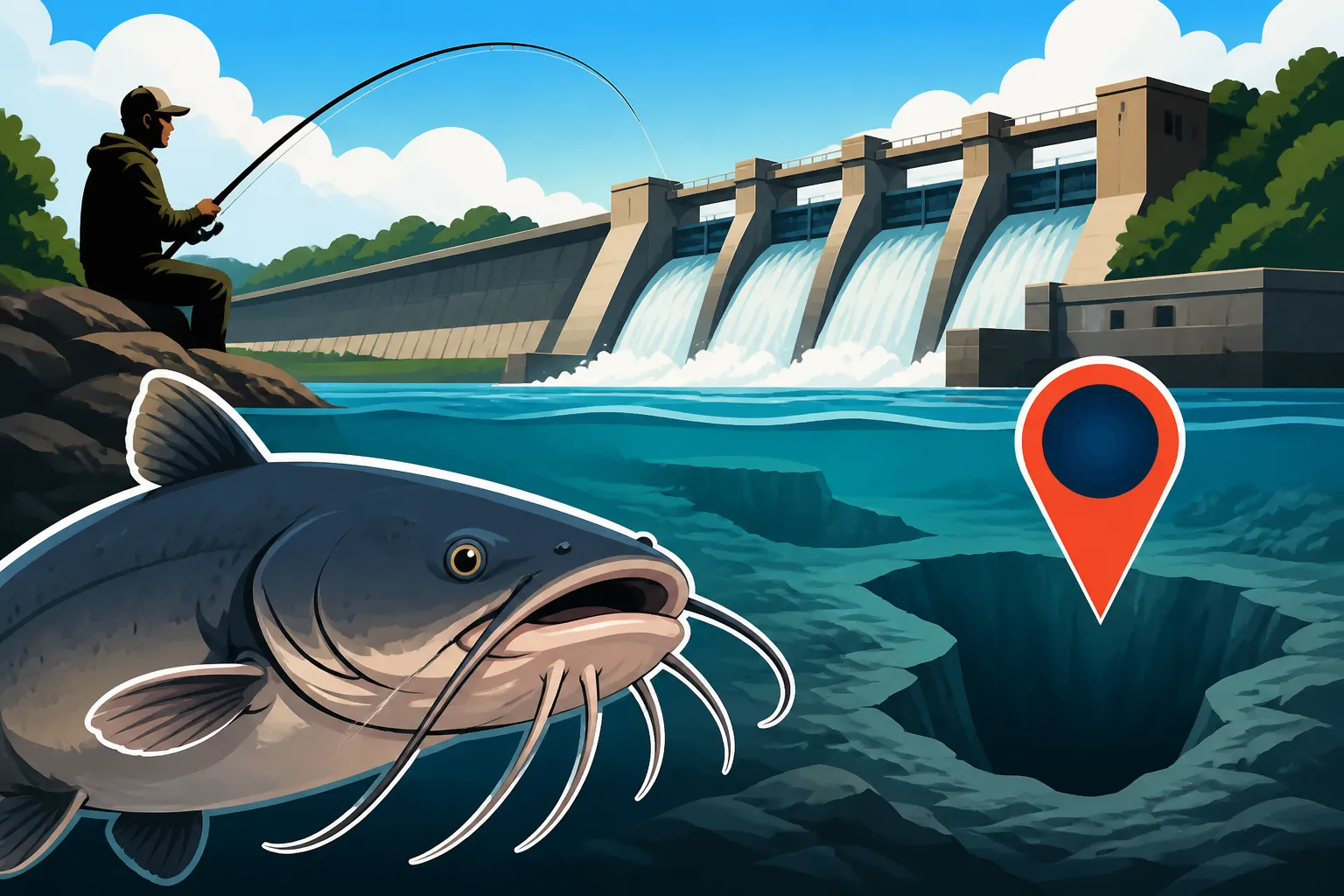
Best Catfish Holes Near the Kentucky Lake Dam
There's nothing quite like the thrill of a big catfish pulling hard on your line, especially when you're fishing in a legendary spot like Kentucky Lake. But let's be honest, trying to pinpoint exactly where those whiskered behemoths hang out, particularly around the dynamic and powerful dam area, can feel like searching for a needle in a haystack. This guide is designed to cut through the guesswork, revealing the most productive catfish holes near the Kentucky Lake Dam and offering practical advice to maximize your chances of a truly memorable catch.
Understanding Catfish Behavior Near the Kentucky Lake Dam
The Kentucky Lake Dam isn't just a massive concrete structure; it's a dynamic ecosystem that creates perfect conditions for a variety of fish, especially catfish. These areas are constantly changing due to water flow, current, and the presence of abundant food sources. Knowing why catfish are drawn to these spots is the first step in figuring out where to drop your line.
Why Dams Are Catfish Magnets
Dams, by their very nature, are natural attractors for catfish. Think about it: water is constantly being discharged, creating turbulent, oxygen-rich currents. This moving water disorients baitfish, sweeping them downstream and concentrating them into easily accessible feeding lanes for larger predators like blue, channel, and flathead catfish. The structures themselves, including the dam wall, riprap, and submerged debris, offer excellent ambush points and protection from strong flows. It's like a buffet line with built-in hiding spots for a hungry catfish.
Additionally, the varying depths created by dam operations mean there's always a comfortable zone for catfish, whether they're seeking cooler water in summer or warmer pockets in winter. The nutrient-rich water flowing over or through the dam also supports a robust forage base, from shad and skipjack herring to various bottom-dwelling invertebrates. It’s a complete package that makes the dam area a high-energy, high-reward fishing destination.
Key Factors Influencing Catfish Location
While the general area around the dam is fantastic, catfish aren't just randomly distributed. Their exact location is heavily influenced by a few critical factors you need to consider. The most important is current. Catfish, particularly the larger blues and flatheads, are powerful swimmers but prefer to conserve energy. They'll position themselves just out of the main current, in eddies, seams, or behind submerged structures, waiting for food to be swept past them. This means looking for current breaks – anything that disrupts the flow, from rock piles to old timber – is key.
Water temperature also plays a significant role. Catfish are cold-blooded, so their metabolism and activity levels are directly tied to the water temperature. During warmer months, they might be more active in the cooler, deeper channels, while in cooler seasons, they might seek slightly warmer, shallower areas or hug the bottom where temperatures are more stable. Understanding these nuances can help you refine your search. For those embarking on a fishing adventure, especially if you're exploring new waters around Kentucky, a platform like FishingBooker can connect you with local guides who have an intimate knowledge of these seasonal patterns and hot spots.
Prime Catfish Spots Around Kentucky Lake Dam
Now that we understand why catfish love dam areas, let's get specific about the prime locations right near the Kentucky Lake Dam where you're most likely to find them. These aren't just random guesses; these are tried-and-true zones favored by local anglers.
The Tailwaters Below the Dam
The tailwaters immediately below the Kentucky Lake Dam are arguably the most famous and productive catfish grounds. When the generators are running or floodgates are open, the sheer volume of water creates an incredibly powerful current that churns up the bottom and disorients baitfish. This is a blue cat paradise. Look for the deepest holes and scour areas created by this strong flow. Catfish will often sit on the edges of these deep pockets, just outside the most intense current, waiting for an easy meal.
The boil line, where the turbulent water from the gates or generators mixes with the main river flow, is another hotspot. It's often frothy and chaotic on the surface, but underneath, it's a feeding frenzy. Anglers often target these areas with heavy weights to get their bait down quickly. Be mindful of debris, as the current can bring down logs and other snags. Remember to always be aware of the generation schedule, as the water levels and currents can change dramatically and quickly.
Upstream Structure and Current Breaks
Don't make the mistake of only looking downstream. The water upstream of the dam, particularly near the gates or intake structures, can also hold trophy catfish. These areas typically have less current but feature significant structural elements like riprap, rock piles, and submerged concrete. Flathead catfish, in particular, love to hide in these types of cover, especially where there's slack water adjacent to a moderate current. They are ambush predators and will often lie in wait in these protected spots.
Look for eddies or swirling water behind any prominent points or pilings. These current breaks create pockets where baitfish can gather, and where catfish can comfortably sit without expending too much energy. While the tailwaters might be famous for quantity, these upstream structural areas can often produce some truly enormous, less-pressured flatheads and blues. When planning your trip, consulting resources like a Kentucky Fishing Regulations Explained guide is crucial, as specific rules might apply to fishing near dam structures.
Hidden Channels and Creek Mouths
Kentucky Lake is vast, and around the dam, there are often smaller, less obvious channels, ditches, and creek mouths that feed into the main flow. These areas, particularly on the edges of the main river channel, can be phenomenal catfish holes. During periods of heavy rain, these smaller tributaries can dump an influx of nutrients and baitfish into the lake, attracting catfish from the main body of water.
These "hidden" spots might not have the dramatic currents of the tailwaters, but they offer stable environments and concentrated food sources. Think about where smaller streams enter the lake, or where old river channels are submerged beneath the reservoir. Catfish will often follow these contours. If you're exploring these areas by boat, having a good fish finder is invaluable for identifying these subtle depth changes and submerged structures. You can also connect with a seasoned guide through FishingBooker to help you uncover these lesser-known, yet highly productive, spots.
Essential Gear and Techniques for Dam Catfishing
Fishing near the Kentucky Lake Dam requires specific gear and techniques to handle the powerful currents, often deep water, and the sheer power of the catfish you're likely to encounter. Don't show up with flimsy tackle and expect to land a monster blue!
Recommended Baits and Rigs
When it comes to catfish near the dam, fresh is best. Skipjack herring and shad are king. These baitfish are native to the waters and are what the catfish are naturally feeding on. Cut bait, especially fresh cut pieces of these fish, will release oils and scent that catfish can detect from a distance. For flatheads, live bait is almost always preferred. A frisky live bluegill or perch, hooked through the back or lips, presented near submerged cover, is often irresistible. If live bait is hard to come by, good quality commercial "stink baits" or punch baits can work wonders for channel catfish, especially in slightly slower current areas.
As for rigs, you'll need something robust. A traditional Carolina rig or an elaborate three-way swivel rig are popular choices. The key is to use enough weight to hold your bait firmly on the bottom, even in strong currents. This might mean 3-8 ounces of lead, sometimes even more. A heavy-duty, circle hook (typically 6/0 to 10/0 depending on your target size) is crucial for a good hookset and minimizing harm to the fish. Braided line, in the 50-80 lb test range, offers the strength and sensitivity needed to detect subtle bites in deep, moving water. For more specific setups, checking out a guide like "Best Catfish Rigs for the Ohio River" can provide excellent crossover advice for the Kentucky Lake system.
Boat vs. Bank Fishing Strategies
Fishing the Kentucky Lake Dam offers opportunities for both boat and bank anglers, but each requires a different approach.
Boat Fishing:
If you're in a boat, you have the advantage of mobility. This allows you to precisely position yourself over deep holes, along current seams, and close to submerged structure that bank anglers can't reach. Heavy anchoring is essential to stay put in the strong currents. Consider using a two-anchor system – one off the bow and one off the stern – for maximum stability. Drifting is another highly effective technique, especially for covering large areas of the tailwaters. By slowly drifting cut bait along the bottom, you can cover a lot of ground and present your bait to numerous catfish. Make sure your boat is properly registered and equipped with all necessary safety gear; you can review the Kentucky Boat Registration Requirements Explained for detailed information.
Bank Fishing:
Bank fishing near the dam, while more restricted, can still be incredibly productive. You'll want to focus on areas where the bank offers access to deeper water and good current breaks. Look for points that jut out into the current, allowing you to cast into seams, or areas with significant riprap where catfish might be holding. Heavier tackle is even more crucial here, as you'll often be casting long distances and fighting fish against the current without the ability to reposition your boat. A sturdy rod holder is a must, as a big catfish can easily pull a rod into the water!
Example Table: Catfish Baits and Techniques for Kentucky Lake Dam
| Catfish Species | Preferred Bait Type | Recommended Rig | Key Location Near Dam | Best Technique |
|---|---|---|---|---|
| Blue Catfish | Fresh Cut Shad/Skipjack, Live Perch | Carolina Rig (Heavy Weight), Three-Way Rig | Tailwater scour holes, main current seams | Bottom fishing, controlled drift |
| Channel Catfish | Worms, Stink Bait, Cut Bait | Carolina Rig (Moderate Weight), Slip Bobber | Eddies, current breaks, creek mouths | Bottom fishing, float fishing |
| Flathead Catfish | Live Bluegill/Sunfish, Live Perch | Live Bait Rig (Slip Sinker), Three-Way Rig | Upstream submerged timber, rock piles, slack water | Patient live bait presentation |
Timing Your Trip for Optimal Success
Knowing where to fish and what gear to use is a great start, but timing your visit to the Kentucky Lake Dam can make all the difference between a few nibbles and a truly epic day of catfishing.
Best Seasons and Water Conditions
While you can catch catfish year-round, certain seasons offer peak action around the Kentucky Lake Dam. Spring and fall are generally considered prime. In the spring, as water temperatures begin to rise, catfish become more active and move into shallower feeding areas before and after the spawn. The fall sees them actively feeding to put on weight for winter, and stable water temperatures often lead to aggressive bites. The "Kentucky Lake Summer Catfish Bite" can also be fantastic, especially at night when catfish move into shallower areas to feed.
Water conditions are equally important. Catfish thrive in moving water, so periods of generation at the dam are often your best bet. A slight stain or murkiness to the water can also improve your chances, as it provides cover for catfish and makes them less wary. However, extremely muddy or rapidly rising water after heavy rains can temporarily shut down the bite as fish become disoriented. Always check the Kentucky Dam generation schedule before heading out, as water flow dictates much of the action.
Navigating Crowds and Regulations
The Kentucky Lake Dam is a popular fishing destination, and with good reason. This means you might encounter crowds, especially on weekends and during peak seasons. If you prefer a more solitary experience, consider fishing during weekdays or very early mornings/late evenings. Night fishing for catfish can also be incredibly productive and often less crowded. For information on local guides who can help navigate crowded spots and find less-pressured areas, platforms like FishingBooker are a great resource.
Before casting a line, ensure you have the appropriate Kentucky Fishing License Guide. Always be aware of the latest Kentucky Fishing Regulations Explained, especially concerning bag and size limits for specific species, such as the Kentucky Catfish Daily Limit and Trophy Fish Rule. Regulations can sometimes have site-specific exceptions, so it's always wise to double-check. Respecting other anglers, keeping your area clean, and practicing responsible fishing are key to ensuring these incredible fishing grounds remain productive for generations to come.
Disclaimer
Fishing inherently involves risks. Always prioritize your safety on the water. Be aware of changing weather conditions, strong currents, and slick surfaces near the dam. Wear appropriate safety gear, including life jackets, and inform someone of your fishing plans. Always adhere to all local, state, and federal fishing regulations.