Best Spots for Ice Fishing in Kentucky During a Cold Winter
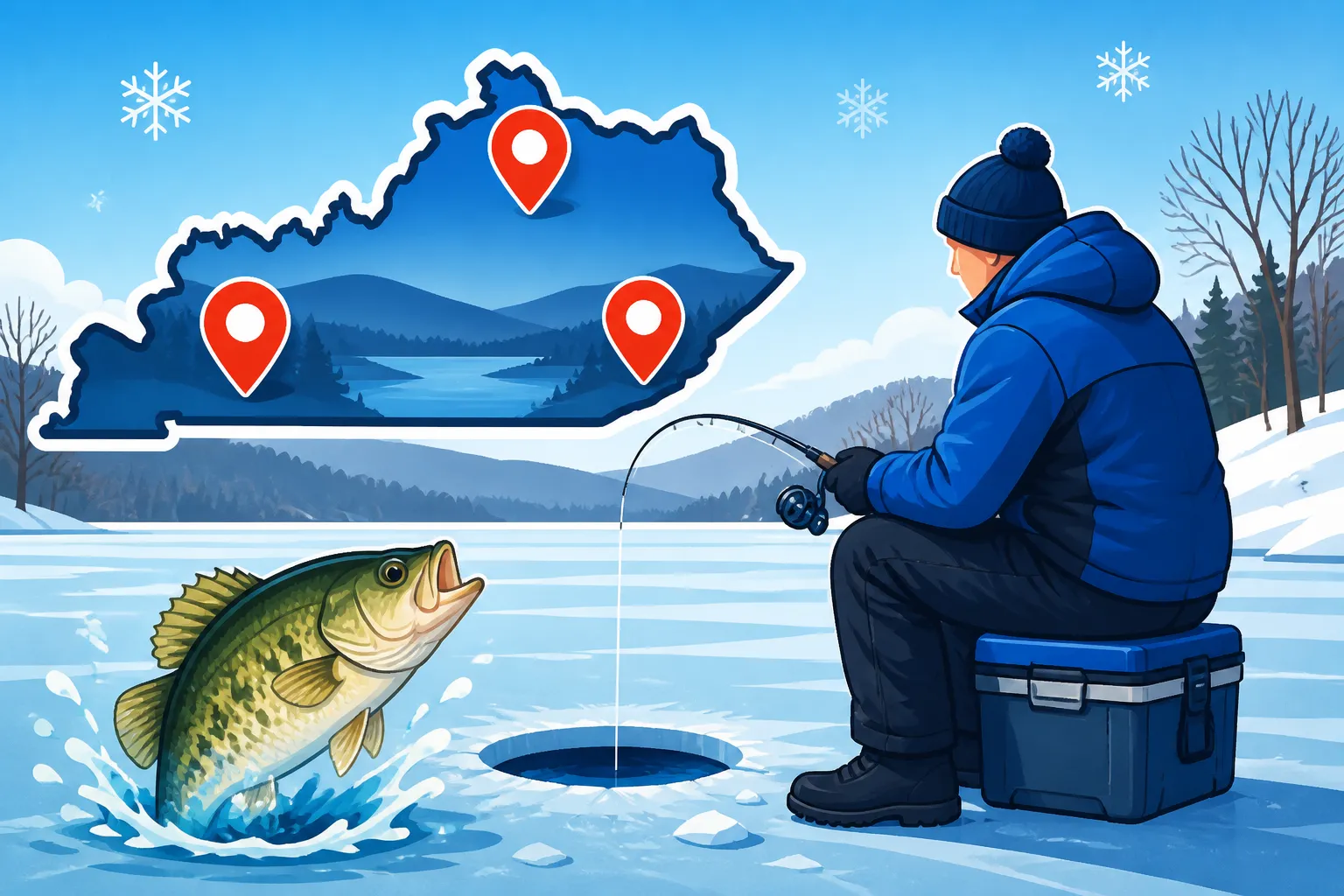
Oh, the dream of ice fishing in Kentucky! For many of us, it conjures images of tranquil winter mornings, bundled up tight, pulling panfish through a hole in the ice. But let's be real, Mother Nature in Kentucky can be a fickle beast, and consistent, safe ice is a rare and precious commodity here. This guide isn't about telling you that every winter brings guaranteed ice fishing; it's about giving you the realistic lowdown on where and how you might actually get out there safely and successfully when a real cold snap blesses us.
The Unique Challenges of Ice Fishing in Kentucky
If you're an angler in Kentucky, you know our winters are more "mild with occasional chills" than "deep freeze for months." This makes true, safe ice fishing a fleeting opportunity, often limited to very specific conditions and locations. It’s not like up north where lakes freeze solid for weeks or even months on end. Here, we live in hope of a prolonged cold snap, and then we have to be ready to act fast and wisely.
Understanding Kentucky's Climate for Ice Formation
Kentucky's position in the Upper South means we experience highly variable winter temperatures. We might get a week of 20-degree days, followed by a week in the 40s or 50s. This freeze-thaw cycle is the absolute enemy of stable ice. It weakens the ice, creates thin spots, and can make even seemingly solid surfaces dangerously unpredictable. Lakes and ponds that might freeze over can quickly become unsafe with just a couple of warmer days or a significant rain event. It’s a constant battle against the thermometer, and any ice you encounter often comes with a big asterisk regarding its integrity. You really have to pay attention to the forecast, not just for today or tomorrow, but for the entire preceding week or two.
Managing Expectations for Consistent Ice
Let's be honest, dreaming of multiple ice fishing trips a season in Kentucky is often just that – a dream. A truly "cold winter" here usually means maybe one or two decent stretches where the ice is thick enough to support an angler. And even then, those windows might only last a few days. You're not going to find long, sustained periods like you would in, say, Minnesota or Wisconsin. This makes preparation key; when the opportunity strikes, you need to be ready to go. Don't get discouraged if the ice never quite gets there; it's part of the Kentucky ice fishing experience. We often spend more time watching the weather apps than actually fishing through the ice, and that's just the reality of it.
When a Cold Snap Might Turn into an Opportunity
So, what does it take for ice fishing to become a real possibility in Kentucky? We're looking for an extended period – ideally at least five to seven consecutive days – where daytime temperatures stay below freezing (32°F / 0°C) and nighttime temperatures dip well into the teens or single digits. Wind also plays a huge role; windy conditions, even in cold weather, can prevent ice from forming uniformly or thicken properly. Still, when that deep cold settles in and the wind dies down, especially after a period of calm, clear nights, that's when you start to pay attention. These are the rare windows when the ice might reach that crucial 4 inches needed for safe foot travel. You'll want to check out our broader guide on Kentucky Fishing Seasons: What to Catch Each Month to understand how these cold snaps fit into the larger seasonal picture.
Prime Candidates When the Ice is Right
Given Kentucky's temperamental winters, our best bets for ice fishing are not the sprawling reservoirs, but rather smaller, shallower bodies of water that freeze more quickly and consistently. These spots, while not guaranteed, offer the highest probability of safe ice during extended cold spells.
Smaller, Shallower Lakes and Ponds: Your Best Bet
When it comes to ice fishing in Kentucky, think small. These are the true unsung heroes of our winter angling opportunities. Ponds and small lakes, especially those that are naturally shallow or have large shallow areas, are the first to freeze and the last to lose their ice. Their limited depth means the entire water column cools down faster, allowing for quicker and more uniform ice formation. We're talking about bodies of water that might only be 5 to 10 acres in size, with average depths of less than 15 feet.
For instance, many private farm ponds across the state fit this description perfectly. If you have permission from a landowner, these can be goldmines for panfish and even smaller bass. Remember, always get permission before stepping onto private property! Publicly accessible smaller lakes, like those found within many city or county parks, can also be good candidates. These often get stocked with a variety of species, making them appealing targets. You might even find some hidden gems that aren't widely advertised. This is where researching local community parks and smaller conservation lakes can really pay off.
State Park Lakes and Community Ponds
Kentucky is blessed with numerous state parks, many of which feature small lakes or ponds. These often receive regular stocking, providing excellent fishing opportunities during open water seasons, and sometimes, if the cold holds, for ice fishing too. Lakes such as Lake Linville near Berea, or Beaver Lake in Anderson County, are examples of smaller impoundments that might freeze more reliably than the massive reservoirs. Many smaller community lakes, often managed by local governments, also fall into this category. They might have a good population of bluegill, crappie, and even channel catfish that are active under the ice.
For anglers looking for these smaller, more accessible spots, a quick search on platforms like FishingBooker might reveal local guides or even just provide a good overview of lesser-known spots that local experts frequent. These platforms can sometimes highlight smaller bodies of water that aren't on every angler's radar but are known to locals for specific conditions. However, always double-check the current ice conditions yourself. Even if a spot is listed, ice safety is always your personal responsibility. You'll want to review the Kentucky Fishing Regulations Explained for any specific rules that might apply to these smaller, managed waters.
Larger Lakes: Rare Opportunities and Extreme Caution
While the big names like Kentucky Lake, Lake Barkley, or Lake Cumberland are fantastic for open-water fishing, they are generally not suitable for ice fishing. Their immense size, depth, and the constant flow of water (especially near dams or inlets) mean they rarely develop safe, widespread ice. If they do freeze over, it's typically only in very shallow, protected coves or backwater areas, and even then, the ice can be highly inconsistent and dangerous.
However, in the absolute coldest of Kentucky winters, you might hear whispers of safe ice on very specific, shallow coves on a larger lake, perhaps a spot tucked away from the main current on Taylorsville Lake or Green River Lake. This is truly a "locals only" situation, and you should only consider it if you are with someone intimately familiar with that exact spot, and after rigorous personal ice checks. The risks are significantly higher on larger bodies of water due to unpredictable currents, springs, and thermal inconsistencies. For more on these larger bodies of water during other seasons, check out our guides like Kentucky Lake: The State's Top Bass Fishing Destination or Lake Cumberland: Kentucky's Best All-Around Fishing Lake.
Prioritizing Safety on the Ice in Kentucky
I cannot stress this enough: ice fishing in Kentucky demands an absolute commitment to safety. The unpredictable nature of our ice means you can never assume anything. Being prepared isn't just a good idea; it's non-negotiable for your well-being.
Essential Ice Thickness and How to Check It
The absolute minimum ice thickness recommended for safe foot travel is 4 inches of clear, solid ice. This is for a single person walking. If you're bringing an auger, a bucket, a cooler, and a few pieces of gear, you're heavier than a single person, so a bit more thickness is always better. For groups, ATVs, or snowmobiles (though rare in KY), those minimums jump significantly higher.
Here's how you check:
- Visual Inspection: Look for clear, black ice. This is typically the strongest. Milky or opaque ice often contains air bubbles or is "snow ice," which is much weaker. Avoid discolored patches, especially near inlets, outlets, or areas with current.
- Spud Bar or Auger: You must carry a spud bar (a heavy chisel with a sharp point) and use it to test the ice ahead of you as you walk. Strike it forcefully. If it penetrates easily, the ice is too thin. Drill holes with an auger every few yards to measure the exact thickness. Don't rely solely on what you see at the shore.
- "Go-No Go" Rule: If you find less than 4 inches of solid ice, turn back. It's that simple. No fish is worth the risk of falling through.
Remember, ice thickness can vary dramatically even within a few feet. One spot might be 6 inches, and another 2 feet away could be 2 inches. Always test, test, and test again. You can also learn more about What Happens If You Fish Without a License in Kentucky in case you get checked by a game warden – having your license is part of being a responsible angler, even on the ice!
Gear for Personal Safety and Emergency Preparedness
Beyond just checking the ice, you need specific safety gear on your person at all times. This isn't optional; it's your lifeline.
- Ice Picks: These are paramount. Worn around your neck, they allow you to pull yourself out if you break through. They're inexpensive and could save your life.
- Rope: A length of sturdy rope (at least 50 feet) with a floatable throw bag is crucial. If someone else goes through, you can throw them the rope without approaching the edge yourself.
- Whistle: To call for help if you're in distress.
- Float Suit/Life Vest: If you're serious about ice fishing in Kentucky, invest in a float suit. These provide buoyancy and insulation, significantly increasing your survival time in cold water. Otherwise, wear a U.S. Coast Guard-approved life vest over your outer layers. Don't just have it in your bucket; wear it.
- First Aid Kit: A basic kit for cuts, scrapes, and other minor injuries.
- Change of Clothes: Kept in a waterproof bag, ideally in your car or a safe spot nearby. If you get wet, you'll need dry layers immediately to prevent hypothermia.
- Communication Device: A fully charged cell phone (in a waterproof case) or a two-way radio.
- Headlamp/Flashlight: If you're out near dawn or dusk.
Understanding what makes for Essential Safety Gear for Every Boat in Kentucky gives you a good foundation, but ice fishing adds another layer of critical, specialized equipment to that list.
The Buddy System and Communication
Never, ever ice fish alone in Kentucky. This is perhaps the most important safety rule of all, especially given our often-marginal ice conditions. Always go with a partner or a group, and make sure everyone knows the plan.
- Stay in Sight: Even if you're spreading out to cover more water, ensure you can always see your fishing partners.
- Inform Someone: Let someone at home know where you're going, who you're with, and when you expect to return. Give them a "call-in" time.
- Clear Communication: Discuss safety protocols beforehand. Who will do what if someone goes through? How will you signal for help?
A good partner can be the difference between a minor scare and a tragic accident. They can provide immediate assistance, throw you a rope, or go for help. Don't underestimate the power of human connection when facing unpredictable dangers.
Gear and Techniques for Successful Kentucky Ice Fishing
Once you've navigated the tricky world of ice safety, it's time to think about what you'll need and how you'll fish. While the principles are similar to ice fishing elsewhere, Kentucky's often thinner ice and targeted species might influence your choices.
Specialized Equipment for Thin Ice Conditions
Because Kentucky rarely sees exceptionally thick ice, you don't necessarily need the biggest, most powerful ice fishing gear. In fact, lighter, more portable equipment is often an advantage.
- Auger: A hand auger is perfectly sufficient for 4-8 inches of ice and is quieter and lighter than a gas or electric model. If you anticipate thicker ice (which is rare), a battery-powered auger like those from brands such as ION or Strikemaster offers efficiency without the fumes.
- Rods: Ultralight to light action ice fishing rods, typically 24-30 inches long, are ideal. They are sensitive enough to detect subtle bites from panfish and stout enough for smaller bass. You'll find a good selection when looking for the Best Rods and Reels for Kentucky Fishing in general, but specific ice fishing rods are shorter and have much more sensitive tips.
- Reels: Small spinning reels (500-1000 size) loaded with 2-4 lb test monofilament or fluorocarbon line are perfect. The thin line offers minimal visibility and allows your tiny baits to sink naturally.
- Shelter: A lightweight, portable pop-up ice shelter can offer protection from wind and increase comfort, especially during longer sessions. It's not strictly necessary, but it makes the experience much more enjoyable.
- Heater: A small, portable propane heater (like a Buddy Heater) can transform your shelter into a cozy haven. Always ensure adequate ventilation if using a heater.
- Sled: A plastic sled is invaluable for hauling your gear across the ice, especially if you're bringing a shelter, heater, and a bucket full of fish.
For a comprehensive list of specific items, check out guides on Best Ice Fishing Gear for Southern Lakes.
Target Species and Corresponding Baits/Lures
When the ice is on in Kentucky, you're primarily going to be targeting panfish and smaller game fish that stay active in cold water.
- Crappie: These are often a primary target. They'll hold in deeper parts of the lake or near submerged brush piles. Small jigs (1/32 to 1/16 oz) tipped with a small minnow, wax worm, or a plastic grub are deadly. Chartreuse, white, and black are popular colors. Remember to check Kentucky Crappie Daily Limit Rules before you head out.
- Bluegill/Sunfish: Abundant in smaller lakes and ponds, bluegill are fantastic for kids and offer consistent action. Tiny jigs (1/64 to 1/32 oz) tipped with a wax worm, maggot, or piece of corn are highly effective. You can often find them in shallower areas near weeds or structure.
- Bass (Largemouth/Smallmouth): While harder to consistently catch through the ice, smaller bass will hit aggressive presentations. Jigging spoons (1/8 to 1/4 oz) or larger lipless crankbaits can entice a strike. For more specific techniques, explore Winter Fishing Techniques for Bass.
- Catfish (Channel): Channel cats can also be caught through the ice, often near the bottom in deeper holes. Cut bait (like shad or pieces of bluegill), stink baits, or large worms on a dropper rig can work. Keep an eye on Kentucky Catfish Daily Limit and Trophy Fish Rule for your catches.
When choosing your tackle box setup, think about what species you're specifically targeting. Our guide on Best Tackle Box Setup by Species can help you refine your choices for ice fishing.
Adjusting Your Strategy for Warmer Ice
"Warmer ice" in Kentucky terms usually means surface temperatures hovering just above freezing during the day, or a period where the ice is only marginally thick. These conditions often translate to more lethargic fish that require subtle approaches.
- Slow Down: Fish metabolism slows drastically in cold water. Your jigging action should be minimal – tiny lifts, subtle twitches, or simply holding the bait still.
- Downsize Baits: Smaller baits often entice finicky fish. Think smaller jigs, tiny spoons, or micro-plastics.
- Stay Mobile (Safely): If you're not getting bites in one spot after 15-20 minutes, move to another. Drill new holes, check different depths, and explore different structures. Remember, safely moving on the ice is critical.
- Fish During Peak Warmth: While counterintuitive for ice fishing, in Kentucky's milder conditions, the warmest part of the day (usually midday to early afternoon) might offer the best bite windows as sunlight penetrates the ice. You'll often find information about What Fish Are Biting in Kentucky in February or other specific months helpful for timing your trips.
Consider using a service like FishingBooker to scout potential areas, as local guides might offer insights into specific techniques that work best during these warmer, transitional ice conditions. They're often clued into nuanced changes that can make all the difference.
Navigating Regulations and Ethical Practices
Even though ice fishing is a niche pursuit in Kentucky, all statewide and site-specific fishing regulations still apply. Being a responsible angler means knowing and following these rules, and always practicing good stewardship of our natural resources.
Understanding Kentucky's General Fishing Regulations
Just because the water is hard doesn't mean the rules are soft! Everything you'd normally abide by during open-water season applies to ice fishing. This includes:
- Fishing License: You absolutely need a valid Kentucky Fishing License Guide. There are no special exemptions for ice fishing, unless it's during the designated Kentucky Free Fishing Weekend Guide, which usually occurs in June and wouldn't involve ice.
- Bag and Size Limits: All statewide and site-specific bag and size limits for bass, crappie, catfish, and other species remain in effect. For example, if you're catching bass, you'll still need to adhere to the Kentucky Statewide Bass Size and Daily Limit Rules. Always check the current year's Kentucky Department of Fish and Wildlife Resources (KDFWR) Fishing & Boating Guide before you head out, as these regulations can change.
- Number of Poles: Generally, you're limited to two lines per angler, but always confirm this in the latest regulations guide.
- Protected Species: Know which species are protected or have special rules, even if they're not common ice fishing targets.
Game wardens do patrol, even in winter, and they'll be checking for licenses and adherence to limits. Being caught without the proper license or violating limits can result in fines and legal trouble.
Respecting Property and Leaving No Trace
Ethical angling extends beyond regulations to how we treat the environment and other people.
- Private Property: If you're fishing on a private pond, always ensure you have explicit permission from the landowner. Trespassing is illegal and gives all anglers a bad name.
- Public Access: When using public lands, respect boundaries and access points. Park legally and don't block roads or private drives.
- Leave No Trace: This is critical. Pack out everything you pack in. This includes bait containers, fishing line, food wrappers, and any broken gear. Never leave trash on the ice. Also, be mindful of discarded fish remains. If you're keeping fish, dispose of entrails properly (don't leave them on the ice for animals to scavenge or for future anglers to step on).
- Hole Awareness: Be mindful of the holes you drill. Avoid drilling excessively close to other anglers unless invited. When leaving, consider marking your holes if they might refreeze quickly, though in Kentucky's variable conditions, they often melt out before posing a refreeze hazard. If you use a fishing guide service through FishingBooker, they will almost certainly be experts in these local rules and practices.
Ice fishing in Kentucky is an adventure, a test of patience, and a deep appreciation for those rare, truly cold days. By prioritizing safety, knowing your spots, and respecting the rules, you can make the most of these fleeting winter opportunities.
Potential Ice Fishing Spots in Kentucky
| Lake/Pond Name | Type of Water | Typical Target Species | Key Considerations |
|---|---|---|---|
| State Park Lakes | Small to Medium | Bluegill, Crappie, Channel Catfish, Bass | Often stocked, public access, check KDFWR for details |
| Community Ponds | Small | Bluegill, Crappie, Catfish | City/county specific, check local ordinances, often stocked |
| Private Farm Ponds | Small | Bluegill, Crappie, Bass, Catfish | Require landowner permission, often excellent fishing |
| Shallow Coves of Larger Lakes | Large Lake Section | Crappie, Bluegill, Bass | EXTREME CAUTION NEEDED, highly variable ice, near main lake currents |
Disclaimer
The information provided in this guide is for general informational purposes only and is not a substitute for personal judgment or official regulations. Ice conditions are inherently unpredictable and can change rapidly. Always exercise extreme caution when venturing onto ice. Verify current ice thickness and safety with local authorities or experienced anglers. Adhere strictly to all Kentucky Department of Fish and Wildlife Resources regulations. Ice fishing can be dangerous, and you assume all risks associated with the activity.