Does Kentucky Have a Size Limit on Crappie?
Many anglers, especially those new to Kentucky waters or visiting from out of state, often find themselves scratching their heads when it comes to specific fish regulations. It's frustrating to think you're doing everything right, only to realize later you might have overlooked a crucial detail. When it comes to crappie, a favorite catch for so many, understanding the nuances of size limits in Kentucky is absolutely essential to avoid any unwelcome surprises. This comprehensive guide will clear up all the confusion, detailing exactly when and where crappie size limits apply and how you can stay on the right side of the rules.
Statewide Crappie Regulations in Kentucky
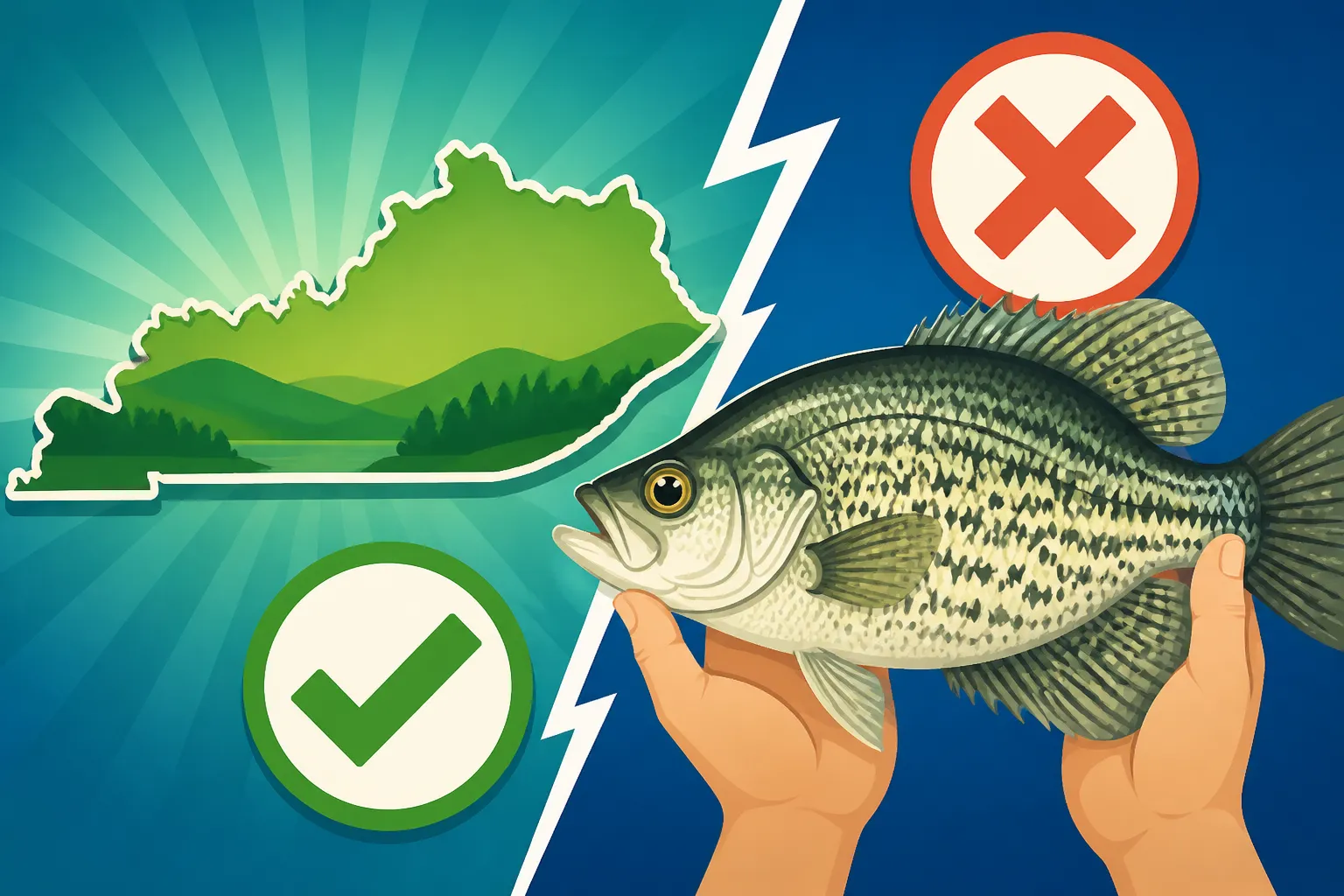
The first thing many anglers want to know is, "What's the general rule for crappie?" And honestly, it's pretty straightforward, but with a twist. Across the vast majority of Kentucky's beautiful lakes and rivers, you'll be happy to know that there isn't a statewide size limit for crappie. That's right, for most waters, you won't need to break out your measuring tape for every single crappie you pull in, which can be a relief when the bite is hot. It means you don't have to worry about the length of that little panfish you reeled in; if you want to keep it and it's within your daily bag limit, you can.
However, just because there isn't a minimum size doesn't mean it's a free-for-all. Kentucky's wildlife officials are very proactive in managing our fish populations, and that means paying close attention to daily catch limits, also known as creel limits. These limits are put in place to ensure sustainable fishing for everyone and to protect the long-term health of our crappie populations. So, while you might not be checking length, you'll definitely be counting every fish you keep. It’s a common misconception that if there's no size limit, you can fill your cooler to the brim, but that's not the case. Always remember the daily creel limit is there for a reason, even if the fish are small.
The reason for this approach is often rooted in the biology of crappie themselves. They are prolific spawners and can reproduce rapidly. In many smaller lakes and ponds, a lack of size limits helps manage populations, preventing overpopulation of stunted fish. It encourages anglers to keep smaller fish, which can thin out the population and allow the remaining fish to grow larger. This management strategy aims for a healthy balance, ensuring both good numbers and quality fish for future generations. It's a thoughtful approach that balances angler enjoyment with ecological responsibility, taking into account the unique characteristics of crappie populations in different bodies of water.
Understanding the Daily Creel Limit for Crappie
Even without a statewide size limit, the daily creel limit is a regulation you absolutely cannot ignore. Currently, across most Kentucky waters, anglers are allowed to keep a maximum of 20 crappie per person per day. This number includes both black crappie and white crappie, so you don't get 20 of each; it's a combined total. Imagine you're out on Kentucky Lake, having a fantastic day pulling in slab after slab. It's easy to lose track, especially when you're focused on the fun of reeling them in one after another. But exceeding that 20-fish limit can lead to some serious trouble, including fines and potential loss of your fishing privileges.
This daily limit is designed to spread the catch among more anglers and prevent a single individual from depleting a specific crappie population too quickly. It’s about conservation and fair access for all, ensuring everyone has a chance to enjoy the bounty of Kentucky's waters. For instance, if you're out with a buddy, your combined daily limit would be 40 fish. It's crucial to communicate and keep a running tally, especially when you’re really getting into them. A simple stringer or a cooler with an accurate count can save you a headache later. Some anglers even use clickers to keep track, which you can easily find on sites like Amazon, alongside other essential fishing gear. This 20-fish rule is a statewide staple, and understanding it is just as important as knowing the specific lake exceptions, which we'll cover next. You can find more details on this in the Kentucky Crappie Daily Limit: 20 Fish Statewide guide.
Why No Statewide Size Limit?
It might seem counterintuitive to some that there isn't a statewide minimum size for crappie, especially when other popular game fish like bass often have strict size restrictions. You might wonder why Kentucky would allow anglers to keep small crappie when they mandate minimum lengths for other species. The primary reason, as mentioned earlier, is often related to crappie population dynamics. Crappie are known for their "boom and bust" cycles. They can reproduce in massive numbers, particularly after a few good spawning years, leading to an overabundance of small, slow-growing fish. These fish compete intensely for food, and if left unchecked, can lead to a fishery full of stunted crappie that never grow beyond a few inches.
In such scenarios, if there were a minimum size limit, anglers would only be able to keep the larger, rarer fish, leaving the lake choked with smaller crappie that compete for food and never reach a desirable size. By allowing anglers to keep smaller crappie, fisheries biologists can actually help thin out the population, reducing competition and giving the remaining fish a better chance to grow larger and healthier. It's a management tool to prevent stunting. Think of it like gardening: sometimes you have to thin out young plants to allow the stronger ones to flourish. This strategy helps maintain a healthy ecosystem and ensures a more enjoyable fishing experience overall, as it leads to a higher proportion of quality-sized crappie in the long run. Of course, this isn't a one-size-fits-all solution, which brings us to the importance of lake-specific regulations.
Lake-Specific Crappie Size Limits: The Exceptions
Alright, this is where things get a little more nuanced, and where getting caught off guard can really happen. While the statewide rule is "no size limit," Kentucky fisheries managers have the authority to implement specific regulations on individual bodies of water to address unique local conditions or conservation goals. These exceptions are critical to know, and failing to check them before you cast a line could result in a citation. It's a common frustration for anglers that rules aren't uniform, but it's often for the greater good of that particular fishery, designed to optimize fishing opportunities and protect specific populations.
The most notable example of a lake with a specific crappie size limit in Kentucky is Barren River Lake. This lake is a prime example of how local conditions necessitate different rules. There are biological reasons why a size limit might be imposed on one lake but not another, such as different forage bases, water temperatures, or fishing pressure. Perhaps the crappie population in Barren River Lake historically struggled with recruitment or growth rates, prompting a protective measure. For anglers who frequent these specific waters, always having a current regulation guide or checking the Kentucky Department of Fish and Wildlife Resources (KDFWR) website is paramount. Forgetting this crucial step could turn a fantastic fishing trip into a rather expensive lesson.
Barren River Lake: The Key Exception
If you're planning a crappie trip to Barren River Lake, located near Bowling Green, listen up: this lake definitely has a crappie size limit. The Kentucky Department of Fish and Wildlife Resources (KDFWR) has implemented a 10-inch minimum size limit for crappie caught in Barren River Lake. This means any crappie you catch that measures less than 10 inches from the tip of its nose to the end of its tail must be immediately and carefully released back into the water. It’s not enough to just guess; you truly need to measure each fish. This regulation is specifically designed to protect the crappie population in Barren River Lake, ensuring that more fish reach a mature size before being harvested, thereby improving the overall quality and sustainability of the fishery.
Along with the size limit, Barren River Lake also maintains the statewide daily creel limit of 20 crappie per angler. So, you're looking at a double whammy: a minimum length and a maximum number. This particular regulation is detailed in the Barren River Lake Crappie Size Limit in Kentucky guide, and it's a perfect example of how crucial it is to check site-specific rules. Anglers who are used to simply counting their crappie in other lakes need to be extra vigilant here, making sure they have a reliable measuring device on hand. Failure to comply with this 10-inch minimum can lead to penalties, so always measure twice, keep once. This strict rule ensures that the crappie in Barren River Lake have a better chance to reproduce and contribute to a healthier, more robust population.
Other Lakes and Potential Future Changes
While Barren River Lake is the most prominent example with a specific crappie size limit right now, it's vital to understand that regulations can and do change. Fishery management is an ongoing process, and what's true today might be updated tomorrow based on scientific data, angler feedback, and the health of fish populations. For instance, while lakes like Kentucky Lake, Lake Barkley, and Lake Cumberland generally follow the statewide "no size limit" rule for crappie, their crappie populations are constantly monitored. Biologists conduct surveys, track spawning success, and analyze angler catch rates. If they observe trends suggesting a decline in larger fish or an overabundance of small ones, specific regulations, including size limits, could be introduced in the future to address these issues.
This is why the mantra "check before you go" is so important. Relying solely on past knowledge, or what your buddy told you last year, can be a recipe for disaster. The KDFWR publishes an annual fishing and boating guide, available both online and at many license vendors, that details all current regulations. It's a good idea to grab a fresh copy each year, or at least check their website. You can also look up general information on statewide rules in the Kentucky Fishing Regulations Explained article. Being proactive about checking for updates ensures you’re always fishing legally and contributing to responsible conservation practices for all of Kentucky's fisheries, including the Best Crappie Fishing Lakes in Kentucky.
Here's a quick comparison of crappie regulations:
| Regulation Type | Statewide (Most Lakes) | Barren River Lake |
|---|---|---|
| Size Limit | None (No minimum length) | 10-inch minimum |
| Daily Creel Limit | 20 crappie per person per day | 20 crappie per person per day |
| Fish Types Covered | Both Black and White Crappie | Both Black and White Crappie |
| Why This Rule? | Population control, prevents stunting, allows greater harvest flexibility | Protects larger spawners, enhances trophy potential |
Practical Tips for Staying Compliant and Enjoying Your Trip
Navigating fishing regulations, especially when they vary from one lake to another, can feel like a chore. But with a few simple habits and the right tools, you can ensure your fishing trips are always enjoyable and penalty-free. Nobody wants their relaxing day on the water ruined by a surprise visit from a game warden that ends with a ticket. The KDFWR game wardens are out there specifically to enforce these rules and ensure the longevity of our fisheries, so they're not just being difficult – they're doing their job to protect our natural resources. Understanding what they check, as outlined in the Kentucky Game Warden Checks: What to Have on Hand article, can also help you be prepared.
One of the best pieces of advice any seasoned Kentucky angler will give you is to assume nothing and verify everything. That sounds like a lot, but it really boils down to having a system. Whether you fish one lake exclusively or jump around to several, being prepared with the latest information is key. It's not just about avoiding fines; it's about being a responsible angler who respects the resource and helps ensure great fishing for years to come. This mindfulness contributes to the overall health of the ecosystem and ensures that future generations can enjoy the same fishing opportunities we do today.
Always Check Current Regulations Before You Go
Seriously, I cannot stress this enough: always check the latest regulations before you head out. This is perhaps the single most important piece of advice I can give any angler in Kentucky. The KDFWR updates its fishing and boating guide annually, typically around March 1st, when the new license year begins. These guides are available digitally on their website, as free printable PDFs, and physically at most places where you can buy a fishing license, like tackle shops, sporting goods stores, or even some Walmart locations. It's your official source for all rules, including the Statewide Bag and Size Limits by Fish Species.
Take a few minutes the night before your trip, or even while you're packing your gear, to pull up the KDFWR site on your phone or computer. Navigate to the fishing regulations section and double-check the rules for the specific body of water you intend to fish. Even if you've fished that lake a hundred times, a quick scan can confirm there haven't been any recent changes. Forgetting to do this can be a costly mistake, especially if you happen to be on a lake like Barren River Lake with its specific crappie size limit. A quick check of the "Checking Current Regulations Before a Fishing Trip" guide can make all the difference, helping you focus on the excitement of the catch rather than the anxiety of potential violations.
Essential Tools and Resources for Anglers
To make compliance as easy as possible, there are a few essential items and resources every crappie angler in Kentucky should have. First and foremost, a reliable measuring device is non-negotiable, especially if you plan to fish any waters with size limits. A simple, floating measuring board or a tape measure that adheres to the side of your boat or tackle box can be a lifesaver. You can find many options on Amazon, designed for durability and accuracy in a fishing environment. Having this readily accessible ensures you can quickly and accurately measure your catch without fumbling around, especially if you’re fishing for something like crappie, where quick release of undersized fish is important for their survival.
Secondly, keep a copy of the current KDFWR fishing guide handy. Whether it’s a printed physical copy tucked into your tackle box or a downloaded PDF on your phone, having it on the water means you can quickly reference any rule if a question arises. Many anglers print out just the pages relevant to their target species and preferred lakes, such as the pages on crappie regulations or the details for the Kentucky Crappie Fishing: Spring Spawn Run Guide. Thirdly, consider using a fish counter or a simple tally system if you're targeting crappie where only a creel limit applies. This helps you keep an accurate count as you catch and keep fish throughout the day, preventing accidental over-harvesting. These simple habits and tools are invaluable for a stress-free and legal day of fishing.
Finally, don't forget the importance of your actual fishing license! Make sure your Kentucky Fishing License Guide is up-to-date and easily accessible. Game wardens frequently perform license checks, and having your license, whether digital or physical, ready to go will save you a lot of time and potential hassle, allowing you to get back to enjoying your time on the water.
Disclaimer
The information provided in this guide is intended for general informational purposes only and is subject to change. While we strive to provide accurate and up-to-date information, fishing regulations in Kentucky are established and enforced by the Kentucky Department of Fish and Wildlife Resources (KDFWR) and can be modified at any time. It is the responsibility of every angler to consult the official KDFWR fishing and boating guide or their website for the most current and specific regulations before engaging in any fishing activities. Compliance with all applicable laws and regulations is mandatory.