Kentucky License Rules for Fishing Private Ponds
It’s easy to get tangled up in the red tape of fishing regulations, especially when you’re just trying to enjoy a peaceful afternoon casting a line. One of the most common questions I hear from folks, new anglers and seasoned veterans alike, is about private ponds in Kentucky. Do you really need a fishing license to drop a hook in a friend's farm pond or your own backyard oasis? It’s a valid concern, and the answer isn't always a simple yes or no. This guide is here to clear up that confusion, helping you understand when you’re good to go without a license and when it's best to play it safe and grab one.
Understanding the Basics: What Constitutes a "Private Pond" in Kentucky?
Before we dive into the nitty-gritty of licenses, it's crucial to understand what the Kentucky Department of Fish and Wildlife Resources (KDFWR) actually considers a "private pond." You might think it's straightforward – if you own the land, it's private. But in the eyes of the law, it can get a little more nuanced, especially concerning water flow and public access. This distinction is the bedrock of whether you need a license or not.
Defining Public vs. Private Waters
When we talk about fishing, the biggest legal difference between a public lake or river and a private pond comes down to two things: ownership and access. Public waters are, well, public! Think of mighty Kentucky Lake, the majestic Ohio River, or even your local community park pond. These bodies of water are typically managed by the state or federal government, and everyone has a right to fish them, provided they follow the rules and have the proper licenses. When you're fishing in these spots, a license is absolutely essential, as outlined in our comprehensive guide on Kentucky Fishing License Guide.
A truly private pond, on the other hand, is generally a body of water completely contained within private property, with no public access permitted and, crucially, no connection to public waterways. Imagine a small pond nestled deep in a farm field, fed only by rainfall or a private well, with no outflow into a creek or river. That's the ideal picture of a private pond for licensing purposes. It’s all about control – the landowner has full control over who comes and goes, and where the water itself originates and goes.
When Does a Pond Stop Being "Private"?
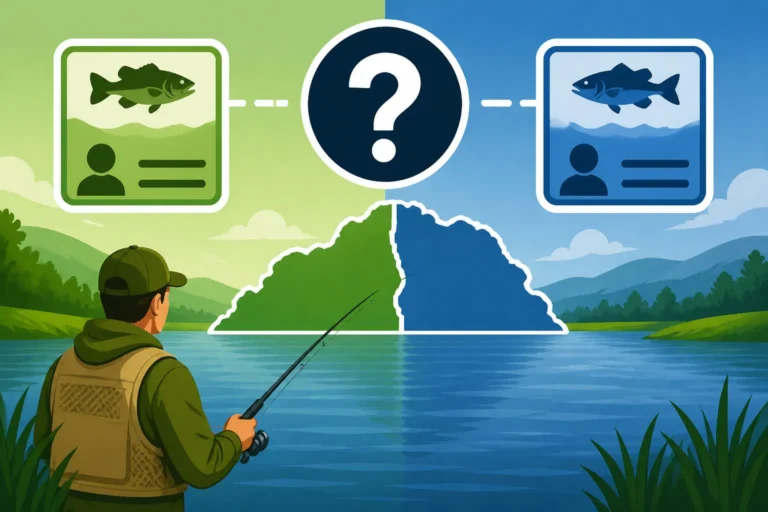
Here’s where it gets a bit tricky for many folks. A pond that seems private might not be in the KDFWR's eyes if it has certain characteristics. The main culprit for turning a "private" pond into one that might require a license is connectivity. If your pond flows into a public stream, river, or lake, even intermittently, it often loses its purely private status. This is because fish from public waters can swim into and out of your pond, making it a part of the larger public fishery system.
Another factor is public access, even if unintentional. If people can easily access the pond without trespassing, perhaps through an easement or a historical pathway, the KDFWR might consider it publicly accessible. This isn't just about legal right-of-way; it's about practical access. If it looks like anyone could fish there, then the waters might be subject to public regulations. This also applies to situations where a pond is on private land but has been designated by the state as a public fishing lake, even if it's managed through a lease or agreement. It's a fine line, and understanding these nuances is key to avoiding an unwelcome conversation with a game warden.
The Golden Rule: When You Don't Need a License for Private Ponds
Okay, let's get to the good news for many of you. There are indeed situations where you can enjoy fishing in Kentucky without having to buy a license. These scenarios revolve entirely around the concept of truly private waters and explicit permission. It’s a wonderful perk for those lucky enough to have access to these secluded fishing havens.
Fishing on Your Own Property
This is the clearest and most straightforward exception to the Kentucky fishing license rule. If you own the land, and the pond or lake on that land is entirely contained within your property, with no public access and no connection to public waterways (meaning no inflow or outflow from public streams or rivers), then you, as the landowner, do not need a fishing license to fish in your own private pond. This also extends to anyone living permanently on that property, like family members.
It’s your own personal fishing paradise, and you get to call the shots. You've invested in the land, maintained the pond, and you get to reap the rewards of those peaceful moments. Just remember, this is for your property only. If your pond straddles a property line, or if water flows directly into a public creek, then those rules about connectivity kick in, and things can get complicated. But for most backyard ponds and farm ponds completely owned and managed by you, enjoy the license-free relaxation!
Fishing with Permission on Fully Enclosed Private Ponds
This is the second big exception, and it's a fantastic one for when you get invited to fish a friend's or neighbor's pond. If you have explicit permission from the landowner to fish on a private pond that meets all the criteria mentioned above – fully contained on private property, no public access, no connection to public waters – then you, as their guest, also do not need a Kentucky fishing license. This is a common and much-loved scenario across rural Kentucky.
Imagine your buddy, Farmer John, invites you over to his place to try for some bass in his stock pond. As long as Farmer John owns all the land around that pond, it's fully enclosed, and it doesn't feed into the local creek that eventually leads to a public river, you're in the clear. Just make sure you always have that permission. A simple verbal "yes" from the owner is usually fine, but it never hurts to have a clear understanding to avoid any misunderstandings. This is precisely what we discuss in more detail under License-Required Waters Versus Private Ponds. It's a common courtesy, and good communication can save a lot of headaches, both with your host and potentially with any passing officials.
The Tricky Exceptions: When a License Is Required
Now, let's talk about those situations where what looks like a private pond might still require you to have a valid Kentucky fishing license. These are the nuances that often trip people up, leading to accidental violations. It's not about trying to trick anyone; it's about the state's responsibility to manage all fish populations, even those that seem isolated.
Ponds with Public Access or Connections to Public Waters
This is arguably the most common gray area. Let's say there's a lovely pond on private land, but a public road or park borders one edge, offering easy access to the water's edge. Even if the majority of the pond is on private property, if there's any area that allows public access, whether it's an official access point or just a spot where people commonly enter the water, then that pond is generally considered public for fishing purposes. In such a case, everyone fishing there needs a valid Kentucky fishing license.
Even more critical is the "connection" factor. Many seemingly private farm ponds or lakes have an inlet or an outlet that connects to a stream, creek, or river that eventually flows into a larger public body of water. Perhaps there's a culvert under a road, or a small ditch that carries overflow water during heavy rains. If fish can freely move between your pond and public waters, then the KDFWR considers the pond part of the public fishery. This means that a license is required, as the fish populations are no longer isolated and are part of the broader ecosystem managed by the state. It's about preserving the state's fishery resources as a whole, which means Kentucky Fishing Regulations Explained apply to these interconnected waters.
Special Cases: Fee Lakes and Pay-to-Fish Operations
Another scenario where you absolutely need a license, despite fishing on what might appear to be private property, is at commercial "fee lakes" or "pay-to-fish" operations. These are privately owned and operated businesses where you pay a fee (per hour, per day, or per pound of fish caught) to fish in their stocked ponds.
While the land and the ponds themselves are private, the operation is open to the public for a fee. Because they are open to the public, even if only to paying customers, the state requires all anglers age 16 and over to possess a valid Kentucky fishing license. These establishments are essentially acting as commercial fishing venues, and just like any other public fishing spot, they fall under the KDFWR’s licensing umbrella. It’s a bit like buying a movie ticket – you pay to get in, but you still need to follow general rules, and in this case, that includes having your license ready. So, if you're planning a fun day at a place like Doe Valley Lake or another local pay lake, make sure that license is in your wallet! If you forget it, you might find yourself out of luck or facing a fine, which is a key part of understanding Penalties for Fishing Without a License in Kentucky.
Table: Kentucky Private Pond License Requirements at a Glance
To make it a little easier to digest, here's a quick reference table summarizing when a license is and isn't needed for private ponds in Kentucky:
| Pond Characteristic | Public Access | Connection to Public Waters | License Required? | Common Scenario |
|---|---|---|---|---|
| Fully Private | No | No | No | Your own backyard pond, a friend's farm pond completely on private land. |
| Private, but Connected | No (private land) | Yes (to stream/river) | Yes | Farm pond with a ditch leading to a creek; pond on an easement. |
| Private, but Publicly Accessible | Yes | No (contained) | Yes | Pond on private land but with public road frontage or historical public access. |
| Fee Lake/Commercial | Yes (paying customers) | Varies (often contained) | Yes | Any "pay-to-fish" pond, regardless of connectivity. |
| Kids Under 16 | Varies | Varies | No | Kids under 16 generally don't need a license in Kentucky, even in public waters. See Kentucky Fishing License Requirements for Kids. |
Ensuring You're Compliant: Best Practices for Anglers
Alright, so we've covered the basics, the golden rules, and the tricky exceptions. The goal here is always to have a fun, stress-free day on the water, and part of that means being confident you’re following all the rules. Nobody wants an unexpected encounter with a game warden that could lead to fines or a ruined outing. Let’s talk about how to make sure you’re always on the right side of the law.
Verifying Pond Status and Owner Intent
The absolute best practice, especially when you’re fishing a pond that isn’t on your own property, is to simply ask. Talk to the landowner. They should know if their pond has any connections to public waterways, if there are any easements, or if it falls under any special KDFWR programs. A straightforward question like, "Does this pond have any connection to public streams, or is it entirely on your property with no public access?" can clarify a lot.
If the pond is connected to public waters or has public access, the owner might already be aware that a license is required. If they’re unsure, or if you still feel a bit uneasy, a quick check on the KDFWR website or even a phone call to their regional office can clear things up. It’s always better to take a few minutes to verify than to face the consequences later. Remember that when it comes to Game Warden Enforcement and License Checks While Fishing, ignorance isn't a valid excuse. Having that conversation beforehand shows you're a responsible angler.
What to Do If You're Unsure
Let's be realistic: sometimes, despite your best efforts, you might still find yourself wondering. Maybe the landowner is new to the area, or the pond's history is a bit murky. In these situations, my best advice is always to err on the side of caution. If there's any doubt in your mind about whether a particular pond truly qualifies as "private" under the KDFWR's strict definition, then go ahead and purchase a Kentucky fishing license.
An annual resident fishing license in Kentucky is quite affordable, and a 1-day license is even less. It's a small price to pay for peace of mind and knowing you're fully compliant with the law. You can easily purchase a license online through the KDFWR website, at most sporting goods stores like Cabela's or your local Walmart, or even pick up a good fishing book or map from Amazon before your trip to double-check areas. Think of it as an insurance policy for your fishing trip. You'll be ready for any public water you might encounter, and you won't have to worry about the legalities of that "maybe-private" pond. After all, the fun of fishing comes from enjoying the experience, not fretting over potential fines! When in doubt, just secure your Kentucky Fishing License Guide and fish with confidence.
Having a license means you're covered for all public waters, from sprawling reservoirs like Lake Cumberland to small community lakes. Plus, the funds from license sales directly support the KDFWR's conservation efforts, stocking programs, and habitat restoration, ensuring that Kentucky remains a fantastic place to fish for generations to come. So, if you're ever on the fence about it, just make the small investment, grab a copy of the latest regulations (often available digitally or through a quick search on Amazon for a physical copy), and focus on catching some fish. Being prepared is half the battle, and a good sturdy tackle box, perhaps one you ordered from Amazon, will feel even better when you know your paperwork is squared away too.
Disclaimer
This article is for general informational purposes only and does not constitute professional advice. Laws, prices and regulations vary by location and change over time. Consult a qualified professional for guidance on your specific situation.