Kentucky Catfish Limit: 15 Fish, Only 1 Over 25 Inches
It can be incredibly frustrating to head out for a relaxing day of fishing, only to worry if you're correctly interpreting all the rules and regulations. No one wants to accidentally break the law, especially when you're just trying to enjoy Kentucky's fantastic waters. This guide aims to clear up all the confusion surrounding Kentucky's specific daily limits for catfish, helping you understand the 15-fish daily creel and the crucial 25-inch length restriction, so you can fish with confidence.
Understanding Kentucky's Statewide Catfish Daily Limit
When you're out on the water, the last thing you want is to be guessing about bag limits, especially with something as popular and delicious as catfish. Kentucky has a clear statewide regulation for catfish, designed to balance recreational angling opportunities with the long-term health of these fish populations. It's a system that works, but it requires every angler to do their part in understanding and respecting the rules. This isn't just about avoiding a fine; it's about ensuring future generations can enjoy the same great fishing experiences we have today.
The 15-Fish Daily Creel Limit
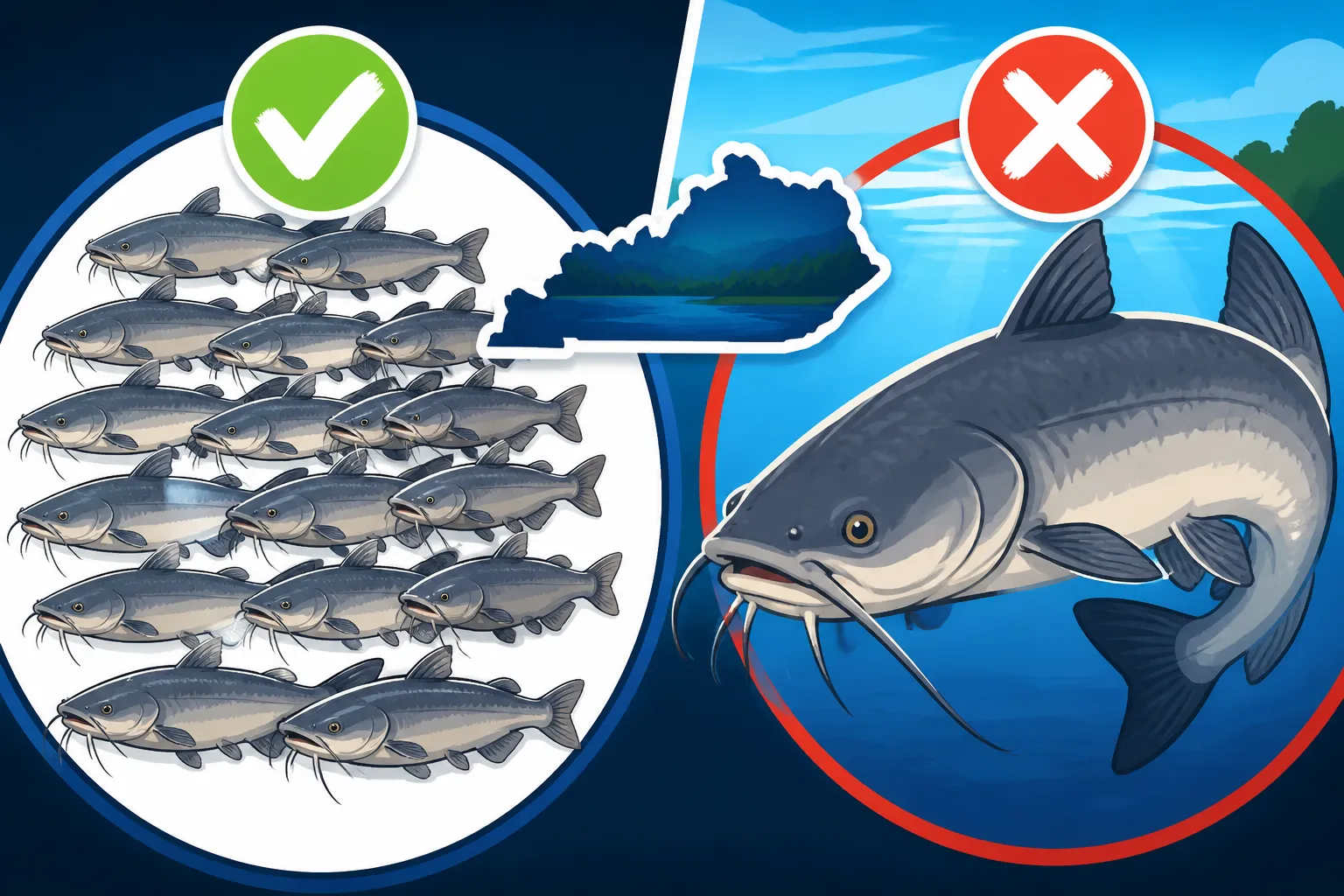
Let's get straight to it: the Kentucky Department of Fish and Wildlife Resources (KDFWR) has set a daily creel limit of 15 catfish, combined. This means whether you're catching blue catfish, channel catfish, or flathead catfish, they all count towards that single total. It's not 15 of each species, but 15 fish total that you can keep in a 24-hour period, from midnight to midnight. This combined limit simplifies things somewhat, as you don't need to worry about separate counts for each type of whiskered warrior you might reel in.
Imagine you're having an incredible day on the Ohio River, and the channel catfish are biting like crazy. You've already got ten healthy channel cats in your cooler. Suddenly, a big blue catfish hits your line! You land it, and it's a keeper. You now have eleven catfish towards your 15-fish limit. You can continue fishing, but once you reach 15, any additional catfish you catch must be immediately released unharmed. This limit is there to prevent overharvesting, ensuring that enough fish remain in the system to reproduce and maintain healthy populations for years to come.
The Critical 25-Inch Length Restriction
Here's where it gets a little more specific, and it's a rule that often catches anglers off guard if they're not paying close attention. Within that 15-fish daily limit, you are only allowed to keep one catfish that measures 25 inches or longer. This single "trophy" fish rule is extremely important for managing the larger, more mature catfish in Kentucky's waters. It applies across all three primary species – blue, channel, and flathead catfish – collectively.
So, let's say you're fishing a popular spot known for big cats, perhaps on Lake Barkley. You've already landed a beautiful 28-inch blue catfish, and it's safely in your livewell. That's your one over 25 inches for the day. Any other catfish you catch that also happens to be 25 inches or longer, regardless of species, must be immediately released. You can still keep up to 14 more catfish under 25 inches to fill your 15-fish creel limit, but that big one is your only one in that size class. This specific regulation is designed to protect the breeding stock of larger catfish, allowing them to grow to impressive sizes and contribute to the gene pool.
Why These Limits Matter for Catfish Populations
You might wonder why Kentucky has these specific limits. It's not just to make things complicated for anglers, I promise! These regulations are rooted in sound fisheries management principles. The 15-fish daily limit helps control the overall number of catfish removed from the ecosystem, ensuring that there's always a healthy population base. Without such limits, it would be easy for a few successful anglers to deplete localized fish stocks, especially during peak biting periods.
The "only one over 25 inches" rule is particularly crucial for trophy management and the genetic health of the population. Larger, older catfish are often the most prolific breeders, producing more eggs and contributing significantly to the next generation. By limiting the harvest of these larger individuals, the KDFWR ensures that these valuable breeders remain in the water, helping to sustain healthy, robust populations of catfish across the state. This strategy also provides a greater chance for anglers to encounter truly massive fish, like those Kentucky is famous for, such as the impressive state record blue catfish. These regulations also help counteract the increasing pressure on our fisheries from a growing number of anglers and improved fishing technology.
Identifying Kentucky's Common Catfish Species and Their Role in the Limit
Kentucky is blessed with several species of catfish that call its rivers and lakes home, offering diverse angling opportunities. While they all count towards that same 15-fish, one-over-25-inches daily limit, knowing how to identify them can add a lot to your fishing experience. Plus, each species has its own unique characteristics and preferred habitats, making the pursuit of each one a different challenge. If you're wondering, "why Blue and Channel Catfish count toward the same Kentucky limit," it's primarily for simplified regulation enforcement and broad conservation goals.
Blue Catfish: The Giants of Kentucky Waters
Blue catfish are the true heavyweights of Kentucky's waterways, especially in large rivers like the Ohio River and vast reservoirs like Kentucky Lake. These magnificent fish can grow to enormous sizes, often exceeding 50 pounds, with the state record being well over 100 pounds. They have a distinct slate-blue or gray color on their backs, fading to white on their bellies, and a deeply forked tail. Unlike channel catfish, they typically don't have spots, though very young blues might show some faint mottling.
Targeting blue catfish often involves heavy tackle and substantial bait, as they are powerful fighters. Many anglers specifically pursue these giants, hoping to land their one "over 25 inches" trophy fish for the day. Because of their potential for immense size, the single-trophy rule is especially critical for blue catfish, as it protects those massive, mature breeding individuals that are so vital to the species' future. Understanding their habits, like where they ambush prey in deep holes or current breaks, is key to success.
Channel Catfish: Abundant and Widespread
Channel catfish are arguably the most popular and widespread catfish species in Kentucky. You'll find them in nearly every major lake, river, and even many smaller ponds across the state. They're recognized by their olive-brown to gray bodies, often with scattered dark spots (though these can fade in older fish), and a moderately forked tail. They don't typically reach the gargantuan sizes of blue catfish, but a 10 to 20-pound channel cat is a fantastic catch and a strong fighter on appropriate gear.
Channel catfish are a favorite among anglers due to their abundance and willingness to bite a variety of baits, from stink baits to cut bait and live worms. They are a staple for family fishing trips and provide consistent action. Because they are so prevalent, they often make up the bulk of an angler's 15-fish daily limit for catfish. Remember, even though they are generally smaller than blues, any channel cat you catch that stretches past that 25-inch mark still counts as your single trophy fish for the day.
Flathead Catfish: The Ambush Predators
Flathead catfish are a unique and highly sought-after species, known for their predatory nature and preference for live bait. They have a distinctive flat head (hence the name), a mottled brown or yellowish-brown body that helps them camouflage with rocky bottoms and woody debris, and a squared-off tail. Unlike the deeply forked tails of blue and channel cats, a flathead's tail is only slightly notched or almost straight. They also have a lower jaw that protrudes beyond the upper jaw.
These solitary ambush predators can also grow to impressive sizes, rivaling blue catfish in weight, though they tend to be less common in certain areas. You'll typically find them hiding in submerged timber, rock piles, or undercut banks in rivers and larger lakes. Anglers targeting flatheads often use heavy-duty gear and present live bait, like bluegill or shad, near these structures. Like the other species, any flathead over 25 inches must be counted as your single allowable trophy fish within the 15-fish aggregate limit. Learning to distinguish a Flathead Catfish Vs Channel Catfish is a useful skill for any serious angler.
Counting All Species Towards Your Limit
It's really important to internalize that all these catfish species—blue, channel, and flathead—are lumped together when it comes to the daily limit. You don't get 15 blue cats, plus 15 channel cats, plus 15 flatheads. It's a combined total of 15. And within that 15, only one can be 25 inches or longer, regardless of which species it is. This aggregate limit is a common practice in fisheries management across different species, such as the Kentucky Statewide Bass Size and Daily Limit Rules, which combine largemouth, smallmouth, and spotted bass.
This approach simplifies enforcement for game wardens and reinforces the idea of conserving the overall catfish resource, rather than focusing on individual species. So, if you catch 5 channel cats, 5 blue cats, and 5 flatheads, you've hit your 15-fish daily limit. If one of those happens to be a 26-inch channel cat, then you've also hit your one-fish-over-25-inches limit. It requires anglers to keep a running tally in their heads or on a stringer.
Practical Tips for Adhering to Catfish Regulations
Staying within the legal limits isn't just about avoiding a ticket; it's about being a responsible angler and contributing to the sustainability of Kentucky's incredible fishing resources. With a little preparation and mindful practice on the water, you can easily comply with all catfish regulations. It's really not as complicated as it might first seem if you have a plan.
Measuring Your Catch Accurately
When it comes to length limits, accuracy is key. Kentucky measures fish from the tip of the snout to the tip of the tail, with the fish laid flat. This is often referred to as "total length." Don't measure along the curve of the body, as this can give you an artificially longer measurement and lead to problems. A simple, sturdy measuring board is an invaluable tool for any angler, especially when targeting fish with specific length restrictions. You can find many inexpensive options on Amazon or at your local tackle shop.
If you're unsure about the exact measurement, especially for a fish that's right on the 25-inch cusp, it's always better to err on the side of caution. If it's borderline, consider it 25 inches or more and decide if it's your one allowed trophy fish, or release it. A slightly incorrect measurement could be the difference between a legal catch and a violation. Always carry a reliable measuring device and know how to use it properly.
Responsible Catch and Release Practices
For those fish you catch that are either too small, too large (if you've already kept your one trophy fish), or simply not desired for harvest, practicing responsible catch and release is paramount. This ensures the fish have the best chance of survival after being released back into the water. Here are a few quick tips:
- Minimize handling: Touch the fish as little as possible. If you need to handle it, wet your hands first to protect its slime coat, which is vital for its health.
- Use appropriate tackle: Avoid overly light tackle that prolongs the fight, exhausting the fish unnecessarily.
- Quick removal of hooks: Use pliers or a de-hooking tool to remove hooks quickly and cleanly. If a fish is deeply hooked, it's often best to cut the line as close to the hook as possible rather than trying to rip it out.
- Support the fish: When releasing, support the fish horizontally in the water until it's strong enough to swim away on its own. Avoid tossing it back in.
These practices are especially important for large catfish, which can be easily stressed during a fight and handling. Releasing these fish properly helps ensure they can continue to thrive and breed.
Staying Informed About Regulation Changes
Fisheries regulations aren't set in stone forever. They can change based on scientific research, population trends, environmental factors, and public input. It's your responsibility as an angler to stay up-to-date with the most current rules. The Kentucky Department of Fish and Wildlife Resources (KDFWR) is the best source for this information.
Before each fishing season, or any time you plan a trip to a new body of water, it's a good habit to check the latest KDFWR fishing guide. This guide is usually available online, at license vendors, and at KDFWR offices. Pay particular attention to any lake-specific rules, as these can sometimes differ from statewide regulations. For instance, while the statewide crappie limit is 20 fish, there's a specific Barren River Lake Crappie Size Limit in Kentucky that requires crappie to be at least 10 inches long before you can keep them. These site-specific rules exist for a reason and are critical to follow.
Consequences of Violating Kentucky's Catfish Limits
Nobody wants to find themselves on the wrong side of the law, especially when it comes to something as enjoyable as fishing. Violating Kentucky's catfish limits isn't just a minor oversight; it carries real consequences that can quickly turn a relaxing day into a stressful and expensive ordeal. Game wardens are out there to protect the resource, and they take these regulations seriously. Understanding the potential repercussions can be a powerful motivator to always double-check your limits.
Fines and Penalties
If you're caught exceeding the daily creel limit for catfish, or if you have more than one catfish over 25 inches, you can expect to face fines and penalties. The exact amount of the fine can vary depending on the severity of the violation, the number of fish over the limit, and whether it's a first offense or a repeat issue. However, even a minor infraction can result in a significant financial hit. These fines are often accompanied by court costs, adding to the overall expense.
Beyond monetary penalties, serious or repeated violations can also lead to the suspension or revocation of your Kentucky fishing license. This means you could be prohibited from fishing in Kentucky waters for a certain period, which for passionate anglers, is a truly painful consequence. Furthermore, your fishing gear, including rods, reels, and even your boat in some extreme cases, could be seized. It's clear that the state takes these regulations seriously, and the penalties reflect that commitment to conservation. It's a stark reminder of what happens if you fish without a license in Kentucky, as that can lead to even more severe consequences.
The Role of Game Wardens
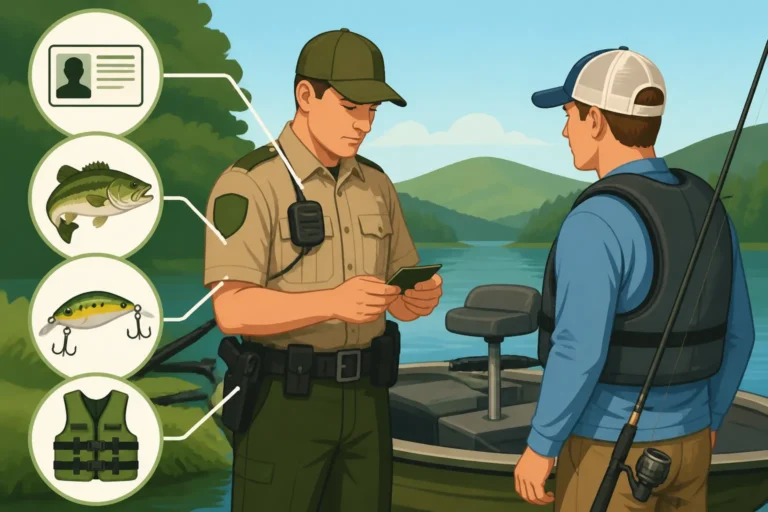
Kentucky Fish and Wildlife Conservation Officers, often referred to as game wardens, are the frontline enforcers of these regulations. Their job is not just to issue tickets, but also to educate anglers, monitor fish populations, and protect the state's natural resources. They have the authority to stop you on the water or at boat ramps, ask to see your fishing license, check your catch, and inspect your gear.
When a game warden approaches, always be polite, cooperative, and have your license readily available. They are simply doing their job to ensure that everyone is abiding by the rules. If you're uncertain about a specific regulation while you're out fishing, don't hesitate to ask a warden for clarification if you encounter one. They are a valuable resource and would much rather educate an angler than issue a citation. Remember, they're not out to ruin your day; they're preserving the future of fishing for everyone.
Disclaimer
Please remember that while this guide provides comprehensive information, fishing regulations can change. It is always the angler's responsibility to consult the most current Kentucky Department of Fish and Wildlife Resources (KDFWR) fishing guide or website before heading out. This content is for informational purposes only and does not constitute legal advice.