Kentucky Free Fishing Weekend: No License Needed for Two Days
There's nothing quite like the feeling of heading out to your favorite Kentucky fishing spot, but the hassle of remembering licenses, permits, and renewal dates can sometimes put a damper on the spontaneity. Many anglers, especially those new to the sport or just visiting, often feel overwhelmed by the regulations. That's why Kentucky offers an incredible opportunity each year: the Free Fishing Weekend, where you can cast a line without needing a state fishing license. This guide will walk you through everything you need to know to make the most of this special event.
Understanding Kentucky's Free Fishing Weekend
Imagine a couple of days where the only thing you need to worry about is baiting your hook and reeling in a catch. That's precisely what Kentucky's Free Fishing Weekend offers. It's an annual tradition designed to encourage more people to experience the joy of fishing and to remove any barriers that a license might present, even if just for a short time.
What is Free Fishing Weekend?
Kentucky's Free Fishing Weekend is a special event, typically held in early June, where both residents and non-residents can fish any public waters of the Commonwealth without a state fishing license. It’s a fantastic initiative by the Kentucky Department of Fish and Wildlife Resources (KDFWR) to foster appreciation for Kentucky's incredible aquatic resources and encourage families to get outdoors and connect with nature. Think of it as a fishing holiday, a chance to try out the sport, or simply enjoy a hassle-free day on the water.
This event is more than just a free pass; it's a community builder. Many state parks and local organizations often host special events, fishing derbies for kids, and educational programs during this weekend. It's a perfect time for seasoned anglers to introduce friends or family members to fishing without the immediate commitment of purchasing a license. You can find more details about such initiatives on the official KDFWR website or local park listings.
Who Can Participate?
One of the best things about Kentucky's Free Fishing Weekend is its inclusivity. It's open to everyone! Whether you're a long-time Kentucky resident who just hasn't bought your annual license yet, an out-of-state visitor curious about Kentucky's famous bass lakes, or a complete beginner who's never held a fishing rod, you're welcome to participate. There are no age restrictions or residency requirements for this specific weekend.
This broad eligibility makes it an ideal opportunity for families with young children, new transplants to the state, or even those just passing through for a quick trip. You don't have to worry about whether you qualify for a Kentucky Resident Annual Fishing License Cost or navigate the rules for a Kentucky Nonresident Annual Fishing License Costs $58.14. During these two days, everyone is on equal footing, free to enjoy the state's fishing opportunities. This open-door policy truly embodies the spirit of sharing the beauty of Kentucky's waters.
When Does It Happen?
Kentucky's Free Fishing Weekend traditionally falls on the first full weekend of June each year. While the specific dates can shift slightly from year to year, it's consistently around that time. For instance, the Kentucky Free Fishing Weekend falls on June 6-7, 2026. This consistent timing allows families and individuals to plan ahead, marking their calendars for this annual outdoor celebration.
It's always a good idea to double-check the exact dates on the Kentucky Department of Fish and Wildlife Resources website as the weekend approaches, just to be absolutely sure. Planning your trip around these dates can be a great way to save a few dollars on a license, especially if you're only planning a single fishing outing for the year. Beyond the official waiver, many local communities will also schedule events and activities to coincide with this weekend, making it even more special.
The Specifics of "No License Needed"
While the "no license needed" aspect is fantastic, it's crucial to understand the nuances of what is and isn't waived during this special weekend. Assuming all rules are suspended could lead to an unpleasant encounter with a game warden.
Public Waters vs. Private Ponds
The "no license needed" rule during Kentucky's Free Fishing Weekend specifically applies to public waters within the Commonwealth. This includes all of Kentucky's major lakes like Kentucky Lake, Lake Barkley, and Lake Cumberland, as well as rivers, state-managed ponds, and most publicly accessible streams. If the water is managed by the KDFWR or is generally open to the public for fishing, you're good to go without a license.
However, this waiver does not extend to private ponds or lakes unless those private waters are specifically designated and advertised by the KDFWR as participating in the Free Fishing Weekend. Generally, if you're fishing on private property, you should always have permission from the landowner, and a fishing license is typically required for anyone over the age of 16, even if it's their own pond, unless they are the owner and fishing on their own property. Always be mindful of property lines and access points when planning your outing. For clarity on specific locations, it's wise to consult the Kentucky Fishing Regulations Explained guide or the KDFWR website.
Trout Permits and Other Special Licenses
This is a common point of confusion, and it's important to get it right. During Kentucky's Free Fishing Weekend, the basic state fishing license requirement is waived. However, any additional permits or tags that would normally be required for specific types of fishing are not waived. The most common example of this is the Kentucky Trout Permit Guide.
If you plan on fishing for trout in designated trout waters, such as the tailwaters below Lake Cumberland or specific trout streams, you will still need to purchase a Kentucky Trout Permit, even during the Free Fishing Weekend. The Kentucky Trout Permit Costs $10.57 for Everyone, and this fee helps fund the state's excellent trout stocking programs. The same principle applies to any other special permits that might exist for unique species or specific harvest methods. Always remember to check if your target species requires anything beyond a standard fishing license.
The Legalities: Game Warden Checks
Even though you don't need a license during the Free Fishing Weekend, game wardens are still on patrol, and you are still subject to all other fishing regulations. Think of it this way: the KDFWR is offering you a free pass on one specific requirement, not a blanket exemption from all rules. Wardens will still be checking to ensure anglers are complying with bag limits, size limits, and species-specific regulations.
If a game warden approaches you, be polite and cooperative. They will likely ask about your catch, check your fishing gear, and might ask about your knowledge of local regulations. They're there to protect the resource and ensure fair fishing for everyone. It’s always a good idea to have a copy of the current Kentucky Fishing Regulations Explained booklet, either physical or digital on your phone, to quickly reference any rules you're unsure about. Being caught violating bag or size limits can still lead to fines, even if you don't need a license.
Planning Your Free Fishing Weekend Adventure
With the license barrier removed, this is the perfect time to explore new spots or introduce someone to fishing. A little planning can go a long way in making your Free Fishing Weekend a memorable one.
Best Spots to Cast a Line
Kentucky is blessed with an abundance of fantastic fishing opportunities, from vast reservoirs to meandering rivers and peaceful farm ponds. During the Free Fishing Weekend, many anglers head to popular spots that are typically buzzing with activity. Large lakes like Kentucky Lake: The State's Top Bass Fishing Destination, Lake Barkley, and Lake Cumberland offer diverse fishing for species like bass, crappie, catfish, and even trout in certain areas. These lakes also have numerous public access points, boat ramps, and sometimes even fishing piers, making them great choices for a day out.
For those looking for a quieter experience or targeting panfish with kids, smaller state park lakes or KDFWR-managed community fishing lakes are excellent options. These often have easy bank access and are regularly stocked. Rivers like the Ohio River or the Cumberland River can also provide exciting opportunities for species like catfish and sauger. Before you go, a quick search for "Best Fishing Spots in Kentucky" or specific lake guides like "Barren River Lake Fishing Guide for Kentucky Anglers" can help you narrow down your options and choose a location that suits your fishing style and target species.
Essential Gear and Bait
Since this weekend is often about introducing new anglers to the sport, don't feel like you need to invest in a ton of expensive gear. A simple spinning rod and reel combo, some basic tackle, and a cooler for your catch and drinks are usually all you need. For beginners, a medium-light action rod with 6-10 pound test line is versatile enough for most panfish, crappie, and smaller bass. You can find excellent starter kits for kids and adults that include a rod, reel, and a basic tackle box on sites like Amazon.
When it comes to bait, live bait like worms, minnows, or crickets are often the most effective and easiest for beginners to use. They appeal to a wide variety of fish, especially panfish and crappie. For lures, small jigs, spinnerbaits, or soft plastics can be very productive for bass and crappie. Don't forget essentials like a pair of pliers for hook removal, a stringer or livewell for your fish, sunscreen, insect repellent, and plenty of water. A comprehensive list of recommended items can be found in a guide like "Best Rods and Reels for Kentucky Fishing" or "Best Tackle and Gear for Bank Fishing".
Family Fun and Educational Opportunities
The Free Fishing Weekend is the perfect excuse to create lasting family memories. Make it an educational experience by teaching kids about different fish species, aquatic ecosystems, and the importance of conservation. Many state parks and local fishing clubs organize events specifically for this weekend, often including loaner rods, bait, and expert instruction for beginners. These events are fantastic for giving kids a positive first fishing experience.
Pack a picnic, bring some games, and make a day of it, even if the fish aren't biting constantly. The goal is to enjoy the outdoors and each other's company. Encourage kids to observe nature, identify birds, and appreciate the tranquility of the water. For parents introducing children to fishing, remember that patience is key, and celebrating every nibble, not just every catch, will keep them engaged and excited about future trips. You can explore topics like "Bluegill Fishing Techniques for Kids" to enhance their experience.
Rules That Still Apply: Don't Get Caught Off Guard
It's tempting to think that "free fishing" means "free-for-all," but that's certainly not the case. All other fishing regulations remain in effect, and knowing them is crucial to avoiding penalties.
Statewide Bag and Size Limits
This is perhaps the most critical rule to remember: while you don't need a license, all statewide bag and size limits still apply. This means if you catch a bass that is too small, you must release it. If you've caught your daily limit of crappie, you must stop fishing for that species. These limits are in place to ensure healthy fish populations and sustainable fishing for everyone, year after year. For example, the Kentucky Statewide Bass Limit: 12 Inches, 6 Fish a Day applies universally, even on Free Fishing Weekend.
It's essential to consult the current Kentucky Fishing Regulations Explained booklet before you head out, or at least have a digital version readily available on your phone. Ignorance of the law is not an excuse. Familiarize yourself with the limits for the species you intend to target, especially common ones like bass, crappie, and catfish. The good news is, understanding these limits is part of becoming a responsible angler, and it adds to the challenge and satisfaction of the sport. You can check specific rules like "Kentucky Crappie Daily Limit Rules" or "Kentucky Catfish Daily Limit and Trophy Fish Rule" for your target species.
Site-Specific Regulations
Beyond statewide limits, some lakes or bodies of water have their own unique, site-specific regulations. These special rules are often implemented to manage particular fish populations, address environmental concerns, or enhance specific fisheries. For instance, while the statewide bass limit is generally 12 inches, Lake Barkley Bass Size Limit Exception in Kentucky may have different rules, sometimes requiring a 15-inch minimum. Similarly, some lakes might have stricter crappie size limits, like the Barren River Lake Crappie Size Limit in Kentucky.
Always, and I mean always, check the specific regulations for the particular body of water you plan to fish. You can usually find these listed under the individual lake or river entries in the KDFWR fishing guide. These site-specific rules are just as important as the statewide ones, and game wardens will enforce them rigorously. A little research beforehand can prevent a citation and ensure your Free Fishing Weekend is enjoyable and compliant.
General Boating and Water Safety
Even without a fishing license, if you're planning to fish from a boat, all standard boating laws and safety regulations remain fully in effect. This includes having the proper number of Coast Guard-approved life jackets for everyone on board, especially ensuring that children under 12 are wearing them at all times while the boat is underway. You'll also need other essential safety equipment, such as fire extinguishers, sound-producing devices, and navigation lights if you're out near dawn or dusk.
Don't forget about your boat's registration. Even if you don't need a fishing license, your boat itself must be properly registered and display current decals. Boating safety is paramount, and these regulations are designed to protect everyone on the water. Before you launch, take a moment to review the Life Jacket Rules for Boats in Kentucky and other relevant boating safety guidelines. Being prepared ensures a safe and enjoyable outing for everyone aboard.
Beyond Free Fishing Weekend: Your Next Steps
Hopefully, your experience during the Free Fishing Weekend was a fantastic one, perhaps even sparking a new passion for fishing! Now that you've had a taste of Kentucky's waters, you might be thinking about making it a regular hobby.
Weighing a 1-Day vs. Annual License
If you enjoyed the Free Fishing Weekend and want to fish again outside of that special window, you'll need a license. For many, the first decision is between a 1-day license and an annual license. The Kentucky Resident 1-Day Fishing License Costs $7.40, while the Kentucky Resident Annual Fishing License Costs $24.31. For non-residents, a 1-day license is $15.86, and an annual license is $58.14.
Consider how often you realistically plan to fish within a year. If you anticipate fishing only one or two more times, a 1-day license might be more economical. However, if you see yourself getting out on the water three or more times, the annual license quickly becomes the better value. It's often a small investment for a full year of outdoor enjoyment. This comparison, like "$7.40 vs $24.31: When a 1-Day License Beats the Annual", can help you decide. Remember, the Kentucky Fishing License Year Runs March 1 to February 28, so an annual license purchased in July will still expire the following February.
Getting Your First Kentucky Fishing License
Getting a Kentucky fishing license is a straightforward process, designed to be as convenient as possible. You have a few options:
- Online: The quickest and easiest way is to purchase it online through the KDFWR website. You can do this from your computer or smartphone in just a few minutes, and you'll receive an immediate digital copy that you can save to your phone or print out. This method is incredibly convenient for anglers on the go or those who prefer digital documents. For a detailed walkthrough, check out "How to Buy a Kentucky Fishing License Online".
- In Person: You can also purchase a license at various vendor locations across the state, including bait shops, sporting goods stores, and county clerk offices. This is a great option if you prefer a physical license card or need to pick up bait and tackle at the same time. Just make sure to bring a valid ID and any necessary payment.
- By Phone: The KDFWR also offers a phone option for purchasing licenses.
No matter which method you choose, make sure to keep proof of your license on your person whenever you are fishing. A physical copy, a screenshot on your phone, or a digital app version are all acceptable.
Considering a Trout Permit
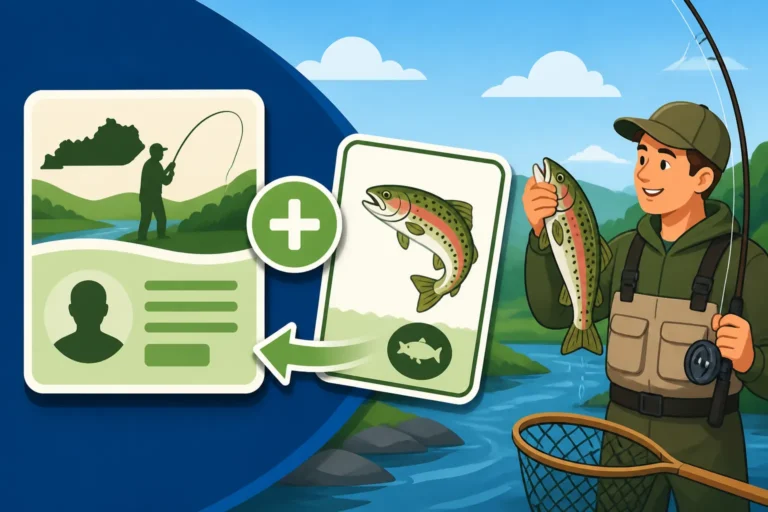
If you happened to target trout during the Free Fishing Weekend or realized how much fun it could be, you might want to add a trout permit to your regular fishing license. As mentioned, the Kentucky Trout Permit Costs $10.57 for Everyone, and it's a separate purchase on top of your base fishing license. This permit is required for anglers of all ages, resident or nonresident, who wish to harvest trout from designated trout waters.
Many anglers find the pursuit of trout to be a unique and rewarding experience, especially in the beautiful, cold-water streams and tailwaters that Kentucky has to offer. If you're planning future trips to places like the Cumberland River below Lake Cumberland or specific stocked streams, adding a trout permit is a must. You can easily add this to your license online at the time of purchase or at a later date if your plans change.
Disclaimer
The information provided in this guide is for general informational purposes only and is subject to change. While we strive to provide accurate and up-to-date content, it is crucial to consult the official Kentucky Department of Fish and Wildlife Resources (KDFWR) regulations or website for the most current and authoritative information regarding fishing licenses, permits, and regulations. Always adhere to all local, state, and federal laws when participating in outdoor activities.