Best Crappie Jigs for Kentucky Waters
Trying to figure out which crappie jig is going to actually work in Kentucky's diverse waters can feel like a guessing game sometimes. You buy a dozen different packs, head out to your favorite lake, and some just sit there, lifeless, while others attract bites like magic. This guide is here to cut through the confusion and help you select the best crappie jigs tailored for Kentucky's unique fishing conditions, making your next trip a success.
Understanding Kentucky Crappie and Their Habitats
Before we even talk about hooks and plastics, it's crucial to understand the fish we're after. Kentucky is home to both black and white crappie, and while they share many similarities, knowing their subtle differences in habitat and behavior can drastically improve your jig selection. Plus, crappie are masters of adaptation, constantly changing their location and feeding patterns with the seasons.
Black Crappie Versus White Crappie Preferences
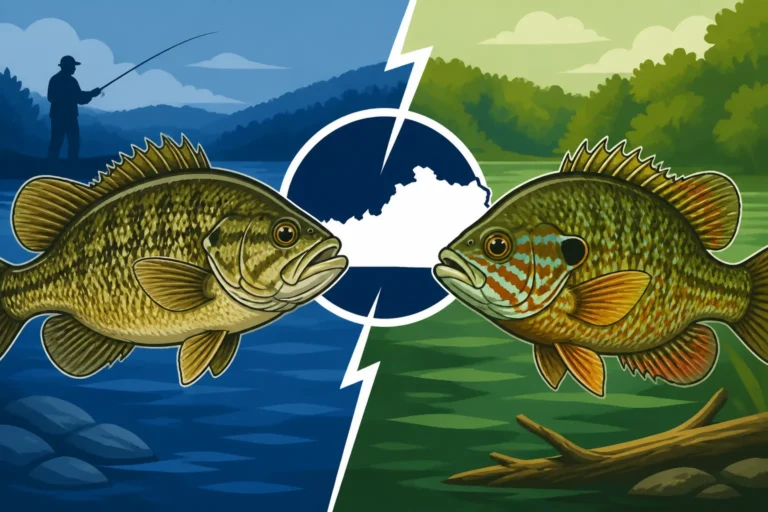
You might think crappie are just crappie, but there's a reason we distinguish between the black and white varieties. Black crappie, often found in clearer water, tend to prefer more cover, like submerged timber, weed beds, and brush piles. They're real structure-huggers. Because of this, when you're targeting black crappie, your jigs might need to be a bit more subtle, mimicking small baitfish hiding in the vegetation. Think about fishing Black Crappie Vs White Crappie: Key Differences to truly understand their nuances.
White crappie, on the other hand, are a bit more tolerant of murkier water and tend to roam open water more, often relating to submerged creek channels, river bends, and main lake points, especially on big reservoirs like Kentucky Lake or Lake Barkley. They're often found suspended in the water column, rather than buried deep in cover. For these roamers, a jig with a bit more action or vibration can be key to drawing them in from a distance. Knowing which type you're likely to encounter in your chosen fishing spot can greatly inform your tackle choice.
Seasonal Crappie Behavior and Depth Changes
Crappie are creatures of comfort, and their comfort zone moves with the thermometer. In the spring, when water temperatures start to climb, they move shallow for the spawn. This is when you'll find them around banks, brush, and shallow stumps. A light jig that falls slowly and stays in the strike zone longer is often what you need here. Understanding When Does Crappie Spawning Start in Kentucky is critical for timing this bite.
As summer heats up, crappie often retreat to deeper, cooler waters, suspending over creek channels or congregating around deep structure like bridge pilings or submerged roadbeds. This calls for heavier jigs that get down to them quickly. Come fall, they might be scattered, chasing baitfish in open water, or starting to group up around structure again. Then in winter, they huddle in deep pockets or suspended in dense schools over main lake basins. Each season demands a different approach, not just in where you find them, but how you present your jig.
Essential Crappie Jig Characteristics for Kentucky Waters
Now that we've got a handle on the fish themselves, let's dive into the nitty-gritty of jigs. Not all jigs are created equal, and the subtle differences in weight, body style, and color can make or break your day on the water. It's about having the right tool for the job, every single time.
Jig Head Weight and Its Importance
The weight of your jig head is one of the most critical factors. It dictates how fast your jig falls, how deep it can go, and how much feel you have with the bait. For shallow water, say 2-6 feet during the spring spawn, a 1/32 oz or even 1/64 oz jig head might be perfect. It allows for a slow, enticing fall that gives hesitant crappie plenty of time to strike. You're trying to keep that bait in their face for as long as possible.
When you're chasing crappie in 15-25 feet of water in the summer or winter, a 1/16 oz or even a 1/8 oz jig head becomes your best friend. These heavier weights get your bait down to the fish quickly, especially if there's any current or wind. They also provide better sensitivity, letting you feel those subtle crappie bites at depth. Sometimes, even a slight increase in weight can make a huge difference in staying connected to your lure and detecting bites.
Jig Body Styles and Profiles
The shape and material of your jig body also play a huge role. Soft plastic grubs and tubes are probably the most common and versatile. Grubs, with their curly tails, offer a lot of action on the fall and retrieve, mimicking a variety of small aquatic critters or baitfish. Tubes, with their multi-tentacled skirts, provide a more subtle, shimmering action, especially when paused. Both are excellent choices for a wide range of situations.
Hair jigs, often made with marabou feathers or deer hair, provide an incredibly lifelike, undulating action in the water, even with minimal movement. They "breathe" beautifully and can be deadly in clear, cold water when crappie are finicky. Small swimbaits, with their paddle tails, offer a distinct thumping vibration that can attract active crappie from a distance, especially when they're chasing bait. Having a selection of these styles in your tackle box, maybe even from Amazon for convenience, ensures you're ready for whatever the crappie prefer on a given day.
Color Selection for Different Water Conditions
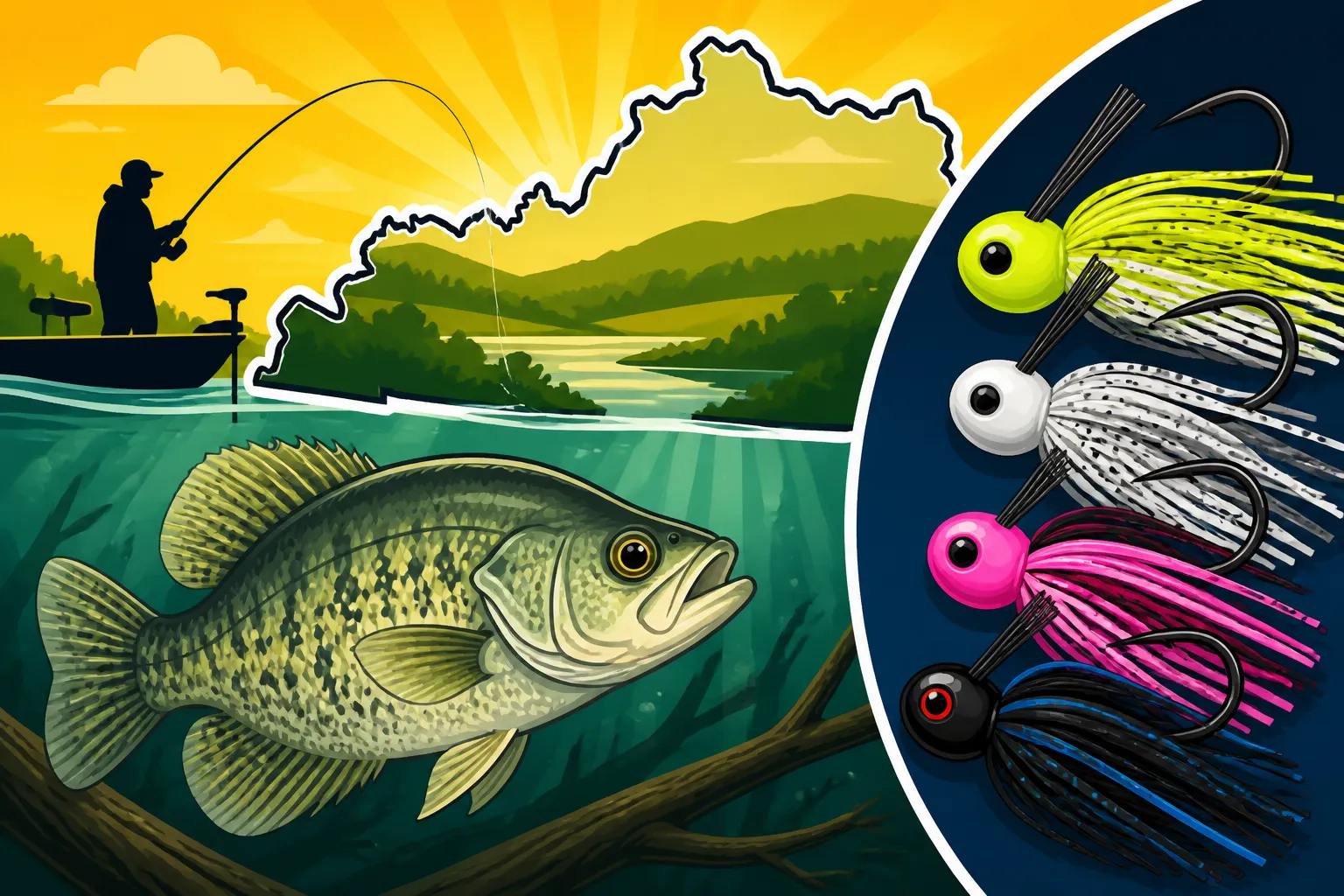
Color isn't just for show; it's about visibility and natural presentation. In clear water, natural colors like clear, smoke, pearl, or light greens work wonders. You're trying to imitate the local baitfish or insects without spooking the crappie. On the other hand, in stained or muddy water, you need colors that stand out. Chartreuse, orange, hot pink, or bright greens become go-to choices, often with glitter to catch any available light.
When it comes to overcast days or low-light conditions, like early morning or late evening, darker colors such as black, blue, or purple can create a strong silhouette against the lighter sky, making them easier for crappie to see. Many anglers swear by a two-tone jig, like black and chartreuse or pink and white, for versatile visibility. Don't be afraid to experiment, as crappie can be incredibly picky about color from one day to the next, and even hour to hour.
Top Crappie Jig Types and How to Rig Them
Now let's talk about some specific jig types that consistently produce in Kentucky and how to set them up for maximum effectiveness. Having a good understanding of these common options and how to present them will greatly enhance your crappie catching abilities.
Soft Plastic Grubs and Tubes
Soft plastic grubs, with their classic curly tails, are probably one of the most popular and effective crappie jigs out there. The tail flutters and wiggles with even the slightest movement, making it irresistible to crappie. You can rig them straight on a jig head, ensuring the tail can move freely. Many anglers like to tip grubs with a live minnow or a crappie bite stimulant for added appeal, especially when the bite is tough. They're fantastic for casting and retrieving or slow trolling.
Tubes are another phenomenal choice. Their hollow body and multiple tentacles create a unique, shimmering action, almost like a small squid or a dying baitfish. The most common way to rig a tube is to thread the jig head inside the body, letting the hook come out between the tentacles. This gives it a compact profile and excellent action. Tubes are incredibly versatile; you can cast them, vertically jig them, or use them under a slip bobber. The sheer variety available, often in multi-packs on Amazon, means you can find a tube for almost any condition.
Hair Jigs and Marabou Jigs
When crappie get particularly finicky, especially in cold or clear water, a hair jig or marabou jig can be the secret weapon. The natural fibers, whether it's deer hair or marabou feathers, pulse and undulate in the water with very little angler input, creating an incredibly lifelike presentation. This subtle movement is often what triggers strikes from cautious crappie that might ignore more aggressive plastics.
These jigs are often best fished with a slow, almost imperceptible retrieve, or by simply letting them drift and occasionally twitching the rod tip. They excel when crappie are suspended and need a subtle meal presented right in front of them. While they might not be as durable as soft plastics, their effectiveness when conditions are tough makes them a must-have in your tackle box. For a subtle presentation around cover, check out How to Jig for Crappie in Shallow Water.
Small Swimbaits and Paddle Tails
For more aggressive crappie or when you're trying to cover water quickly, small paddle tail swimbaits are excellent. The paddle tail creates a distinct thumping vibration and a realistic swimming action that mimics a small baitfish fleeing. This can be particularly effective when crappie are actively feeding on schools of shad or other forage.
Rig these swimbaits straight on a jig head, making sure the hook is centered for optimal action. You can cast them out and retrieve them steadily, or use a "stop-and-go" retrieve to vary the action. They're great for fishing over submerged grass beds or along drop-offs where crappie are ambushing baitfish. If you're looking for a variety of these, Amazon often carries multi-packs in different sizes and colors to experiment with.
Matching Jigs to Specific Kentucky Fishing Scenarios
Now let's bring it all together and talk about how to select the perfect jig for some common crappie fishing scenarios you'll encounter across Kentucky's lakes and rivers.
Shallow Water Crappie During the Spawn
Ah, springtime crappie! This is often when crappie fishing is at its most accessible, as the fish move into the shallows to spawn. They'll be found in water as shallow as two to six feet, often around brush, submerged timber, lily pads, or other cover along the banks. For these conditions, a lightweight jig is paramount. Think 1/32 oz or even 1/64 oz jig heads paired with a small soft plastic grub, tube, or hair jig. The goal is a slow, controlled fall that keeps the lure in the strike zone longer.
You'll want to cast these jigs carefully into pockets of cover or along submerged wood. A gentle twitch, followed by a pause, is often the most effective retrieve. Many anglers like to suspend these light jigs under a small bobber, allowing the jig to hang tantalizingly above the cover. For more on this, you might find Kentucky Crappie Spawn Timing by Water Temperature useful, as understanding the spawn is key to shallow water success.
Deep Water Crappie in Summer and Winter
When the weather turns extreme, so do the crappie, often retreating to the stability of deeper water. In summer, they'll seek cooler temperatures and oxygenated areas, frequently suspending over old creek channels, river bends, or around deep timber and bridge pilings in 15-30 feet of water. In winter, they'll school up tightly in deep holes, sometimes even deeper than 30 feet, conserving energy. Here, heavier jigs are non-negotiable.
A 1/16 oz or 1/8 oz jig head, sometimes even heavier if there's significant current or wind, is necessary to get your bait down efficiently. Pair these with denser soft plastics like paddle tail swimbaits or larger grubs that have good action on the retrieve. Vertical jigging directly over schools of crappie, often located with a fish finder, is incredibly effective. A slow lift-and-drop presentation, with long pauses, often triggers bites from lethargic deepwater crappie. Mastering How to Find Crappie in Deep Water in Summer will be your guide here.
Fishing Around Structure and Cover
Crappie are notorious structure magnets, whether it's submerged brush piles, standing timber, dock pilings, or rock ledges. They use these areas for ambush points and protection. The challenge is getting your jig into the cover without constantly snagging. For brush piles and timber, weedless jig heads (those with a small wire guard) can be a lifesaver, though they might reduce hook-up percentages slightly.
Alternatively, you can use traditional jig heads but focus on precise casts and careful presentations. Soft plastic tubes or grubs are great here, as their compact profile can slip through cover. When fishing around dock pilings or bridge columns, a vertical presentation is often best, dropping your jig directly alongside the structure. This is where you might find a lot of success with Crappie Fishing Around Brush Piles, as the techniques for navigating cover are critical.
Night Fishing for Crappie
Night fishing for crappie can be incredibly productive, especially in warmer months when the fish feed aggressively under the cover of darkness. Crappie are attracted to light, so anglers often use submersible lights to draw in baitfish, and in turn, crappie. For night fishing, glow-in-the-dark jigs are incredibly effective, providing a visible target for crappie in the low light. You can also use darker jig colors like black or blue, which create a strong silhouette against any ambient light or the light from your boat.
The retrieve is often slow and steady when night fishing, or simply letting the jig hang directly under the light source. Crappie will often move up in the water column at night, so you might not need to fish as deep as you would during the day. Consider adding a small scent to your jig, as crappie rely heavily on their sense of smell at night. To learn more about this exciting technique, consult How to Fish for Crappie at Night.
Kentucky Crappie Jig Selection Guide
Here's a handy table to help you quickly choose the right crappie jig for your next Kentucky fishing adventure. This should give you a good starting point for your tackle box.
| Jig Type | Ideal Water Depth | Best Water Conditions | Key Features | Recommended Retrieve/Rigging | Best Season |
|---|---|---|---|---|---|
| Soft Plastic Grub | Shallow to Mid-Depth | Clear to Stained | Curly tail for action | Cast & retrieve, slow troll, tipped with minnow | All |
| Soft Plastic Tube | Shallow to Mid-Depth | Clear to Stained | Multi-tentacled skirt, subtle action | Vertical jigging, under bobber, light twitch & pause | All |
| Marabou/Hair Jig | Mid-Depth to Deep | Clear, Cold | Natural, undulating action | Slow, minimal movement, drift, gentle lift & drop | Spring, Fall, Winter |
| Paddle Tail Swimbait | Mid-Depth to Deep | Stained to Murky | Thumping vibration, realistic profile | Steady retrieve, stop-and-go, cover water quickly | All |
| Glow Jigs | Varies | Low Light / Night | Luminescent, high visibility | Under lights, slow retrieve, suspended | Summer (Night), Winter |
| Weedless Jig Head | Shallow (Heavy Cover) | Clear to Stained | Snag resistant | Pitching into brush, slow retrieve through vegetation | Spring, Summer |
Disclaimer
This article is for general informational purposes only and does not constitute professional advice. Laws, prices and regulations vary by location and change over time. Consult a qualified professional for guidance on your specific situation.