Crappie Fishing Around Brush Piles
There’s nothing quite like the thrill of finding a honey hole, especially when it’s loaded with hungry crappie, but sometimes getting to those fish hidden deep within cover can feel like trying to thread a needle in the dark. It’s a common frustration for many anglers in Kentucky, but don't worry—this guide is going to walk you through exactly how to effectively fish those crappie-holding brush piles, turning frustration into fish in the livewell.
Understanding Brush Piles: Why Crappie Love Them
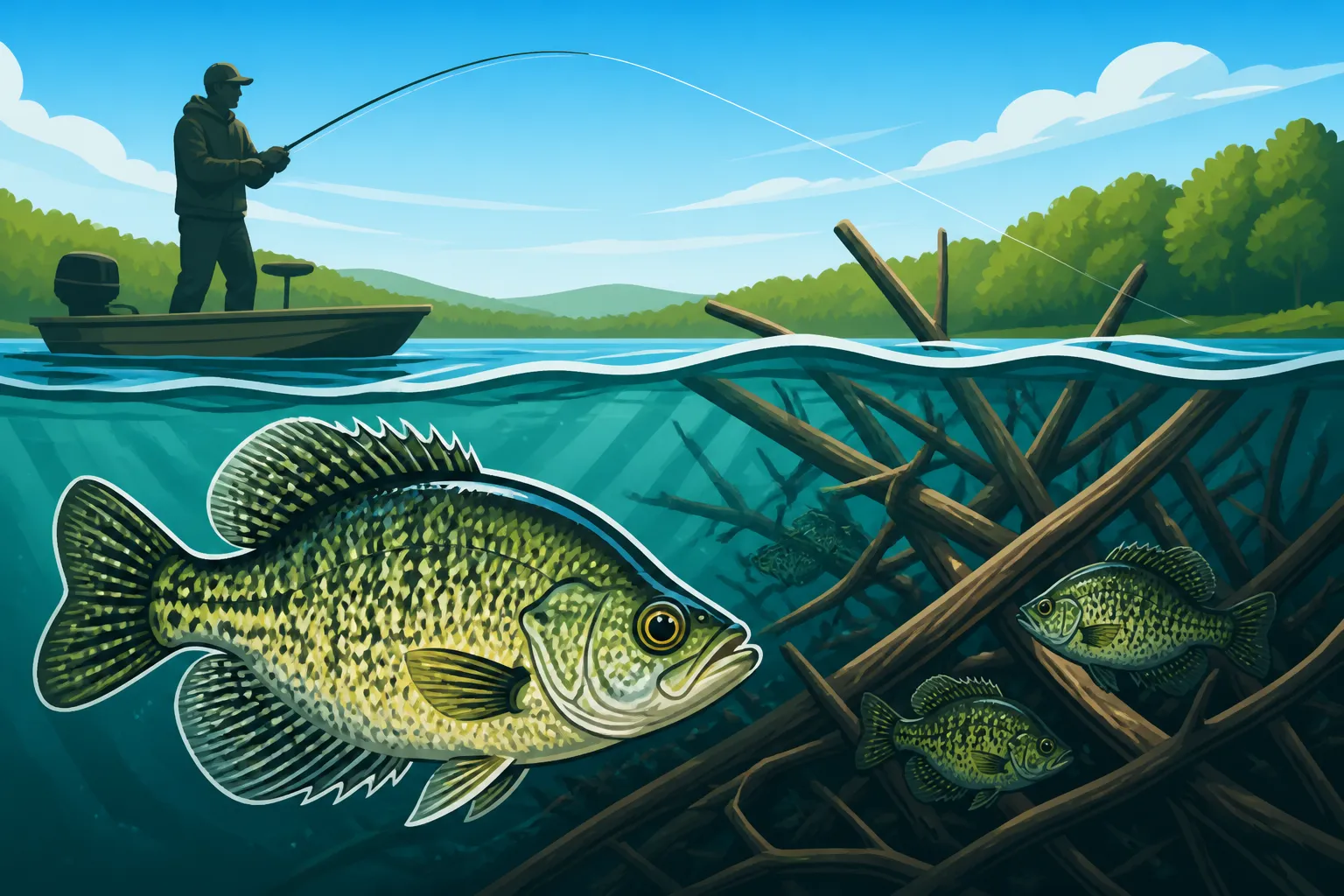
Crappie, those speckled beauties we all love to chase, are masters of camouflage and ambush. They are consistently drawn to structure, and brush piles offer everything a crappie could ever want: shelter from predators, ambush points for unsuspecting baitfish, and protection from harsh sunlight or strong currents. It's their five-star hotel, their grocery store, and their safe haven all rolled into one. Understanding why they congregate there is the first step to figuring out how to catch them.
Natural Habitat vs. Man-Made Structures
Kentucky's lakes and rivers are full of both natural and man-made brush piles, and knowing the difference can sometimes give you an edge. Natural brush piles usually form from fallen trees, old stumps, or washed-in debris accumulating in coves, creek channels, or along bends in a river. These are often less dense but can still hold a significant number of fish, especially if they are in a transitional zone where shallow water drops off into deeper areas. Think about that old oak that finally gave way during a storm, now submerged along a bluffy bank on Lake Barkley – that’s a crappie magnet.
On the other hand, man-made brush piles are often intentionally placed by anglers or state agencies like the Kentucky Department of Fish and Wildlife Resources. These can be anything from discarded Christmas trees bundled together, pallets, or constructed PVC structures. Anglers often sink these piles with weights in strategic locations, like near old roadbeds, submerged humps, or along sharp drop-offs. These are typically denser and offer more concentrated cover, making them a little trickier to fish but potentially yielding more fish. When you find one of these, you often find a consistent population of crappie. Learning how to identify these on your electronics, whether natural or man-made, is key to success.
Interpreting Your Electronics
Modern fish finders are an absolute game-changer when it comes to locating brush piles and the crappie holding within them. Don't just motor over and assume; take the time to really study what your screen is telling you. Side imaging or down imaging capabilities can literally show you a picture of the brush pile, revealing its size, density, and even individual fish suspended within or around it. You'll see those tell-tale "Christmas tree" shapes on your screen if it's a dense pile, or more subtle blobs if it's sparse.
Once you’ve located a pile, switch to traditional 2D sonar to pinpoint the depth of the fish. Crappie will often suspend above or within the brush, not always directly on the bottom. Those little arcs or dots that appear to be hovering just above the cover are your targets. Pay attention to the depth at which they are holding, as this is crucial information for presenting your bait correctly. If they're 10 feet down in a 15-foot brush pile, you need to get your lure to that 10-foot mark, not just drop it to the bottom. Don't forget that many modern units, especially those from brands like Humminbird or Lowrance, also offer GPS mapping which allows you to mark these spots precisely so you can return to them again and again.
Essential Gear and Tackle for Brush Pile Crappie
Fishing around heavy cover means you need tackle that can handle the occasional snag while also being sensitive enough to detect the notoriously light bite of a crappie. It's a delicate balance, but with the right setup, you'll minimize frustration and maximize your catch.
Rods, Reels, and Line Choices
For brush pile fishing, a sensitive, medium-light action spinning rod between 6 to 7 feet is ideal. The extra length helps with casting accuracy and can give you a bit more leverage to steer a fish away from snags once hooked. A good quality graphite rod will transmit those subtle crappie taps directly to your hand. Pair this with a small, lightweight spinning reel in the 500-1000 series size, spooled with the right line.
Line choice is critical. Many anglers opt for 4-6 pound test monofilament for its stretch and knot strength, which can be forgiving when a crappie makes a sudden dash into the brush. However, a growing number of crappie anglers are turning to braided line, typically 6-10 pound test, with a fluorocarbon leader (4-6 pound test). The braid offers superior sensitivity and strength for pulling through light snags, while the fluorocarbon leader provides invisibility in clear water and a bit of abrasion resistance. You can find excellent selections of all these lines on Amazon, ensuring you have the right strength and sensitivity for any situation. Remember, the goal is to get the fish out quickly before it buries itself deeper into the cover.
Jigs, Baits, and Colors
When it comes to lures for crappie fishing around brush piles, jigs are king. Small jigs, typically in the 1/16 oz to 1/8 oz range, are most effective. You want something light enough to fall slowly and naturally, but heavy enough to get down to the fish quickly. My personal go-to often involves a Bobby Garland Baby Shad or a similar small-profile tube jig. These soft plastics mimic baitfish and offer an enticing profile. Many anglers also find success with live minnows, either hooked through the lip or the back, under a small bobber, especially in colder water when crappie are less active.
The color of your jig can make a huge difference depending on water clarity and light conditions. In murky or stained water, brighter colors like chartreuse, orange, or hot pink tend to stand out more. For clearer water, more natural colors like smoke, clear glitter, or shades of green and brown are often more effective. Don't be afraid to experiment! Sometimes, a subtle change in color can turn a slow bite into a hot one. A good approach is to start with a popular color, like a "chartreuse and black," and then switch to a brighter or more natural hue if the fish aren't responding. For more specific insights on popular choices, check out our guide on the Best Crappie Jigs for Kentucky Waters.
Techniques for Fishing Brush Piles Effectively
Fishing brush piles is an art form. It requires precision, patience, and a delicate touch. The goal is to present your bait in a way that tempts the crappie without getting hopelessly snagged on every cast.
Vertical Jigging and Dipping
When you've pinpointed crappie within a brush pile on your electronics, vertical jigging or dipping is often the most effective method. This involves positioning your boat or kayak directly over the top of the brush pile, or just to the side, and lowering your jig straight down.
To do this, drop your jig to the depth where you saw the fish suspended. Then, gently lift and drop your rod tip, imparting a subtle "jigging" motion to your lure. This mimics a wounded baitfish, which crappie find irresistible. The key is to keep your bait in the strike zone for as long as possible. Many crappie bites are incredibly light – sometimes it feels like a slight twitch, or just a sudden heaviness on the line. Being able to feel these subtle takes is why sensitive tackle is so important. If you're consistently getting snagged, try reducing your jig weight or using a weedless hook. When the fish are really packed in, sometimes a simple dead stick approach, just holding the jig perfectly still at the right depth, is all it takes.
Casting and Retrieving
While vertical presentations are excellent for precise targeting, sometimes crappie will hold on the outer edges of a brush pile, or you might want to cover more ground. This is where casting and retrieving come into play. Make a cast beyond the brush pile and retrieve your jig slowly, allowing it to sink to the depth where you expect the fish to be before it reaches the cover.
As your jig approaches the brush, slow your retrieve even further. Many anglers find success by twitching the rod tip gently as the jig moves past the cover, making it dart and pause, imitating a struggling baitfish. The moment you feel a light tap or any resistance, set the hook immediately. Be ready to reel quickly and keep tension on the line to pull the fish away from the snags. If you find yourself consistently hanging up, try a weedless jig head or switch to a very slow-sinking presentation. This method allows you to probe different sides of the brush pile and find where the most active fish are holding. Remember, you might need to adjust your cast angle and retrieval speed until you find what triggers the bites. For more ideas on effective presentations, our guide on How to Rig a Jig for Crappie Fishing has some excellent tips.
Controlling Your Boat or Kayak
Effectively fishing brush piles often hinges on precise boat or kayak control. Whether you're in a bass boat or a fishing kayak, having control over your position is paramount. A trolling motor, especially one with GPS spot-lock capabilities, is an invaluable tool. It allows you to hold your position over or near a brush pile, even in windy conditions or light current, freeing up your hands to focus on fishing.
If you don't have a spot-lock trolling motor, using shallow water anchors like a Power-Pole or Talon can also be a game-changer in depths where they can reach. Otherwise, traditional anchoring from both the bow and stern can help stabilize your craft, though it's more effort. For kayak anglers, a drag chain or small anchor can help slow your drift, giving you more time to work the structure. The goal is to avoid spooking the fish by drifting directly over them too quickly or noisily. Approach quietly, position yourself strategically, and then systematically work the entire brush pile from various angles. Consider how our tips on Boat Fishing Techniques for Crappie can further enhance your brush pile fishing experience.
Seasonal Considerations and Best Times
Crappie use brush piles differently throughout the year, depending on water temperature, spawning cycles, and baitfish movements. Knowing these seasonal patterns is crucial for consistent success.
Spring Spawn Aggression
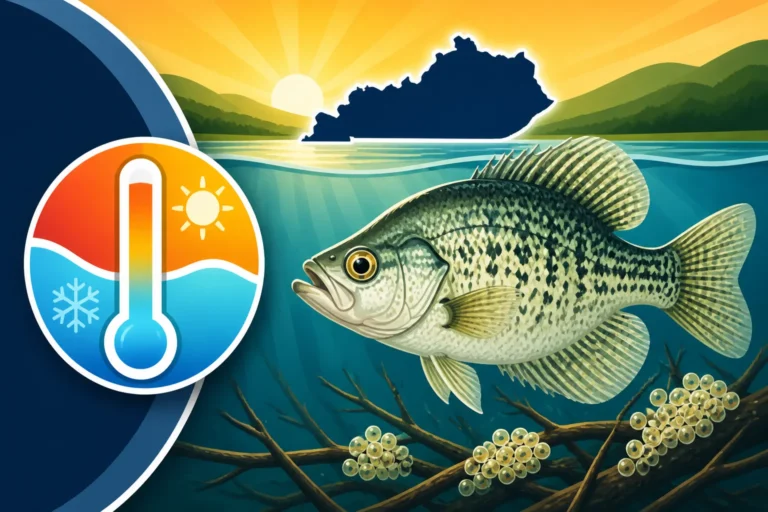
Spring is often considered prime time for crappie fishing in Kentucky, and brush piles play a huge role. As water temperatures begin to rise, typically into the high 50s and low 60s Fahrenheit, crappie move shallower for their spawn. During this period, you’ll find them congregated in brush piles in coves, creek arms, and other protected areas, often in 3-8 feet of water. They become incredibly aggressive, protecting their nests and feeding heavily.
This is when you can experience some truly fast action. Look for brush piles near spawning flats or protected pockets. Vertical jigging or casting small jigs and minnows into these piles can yield incredible results. They're often so focused on spawning that they'll strike almost anything that comes near their nest. Keep an eye on water temperatures; our guide on What Water Temperature Triggers the Crappie Spawn in Kentucky can help you pinpoint the precise timing. This is also when you'll often catch both black and white crappie in the same cover.
Summer Deep Water Tactics
Once the spawn is over and water temperatures really heat up, crappie typically retreat to deeper, cooler waters. However, they don't abandon brush piles! Instead, they move to brush piles located on deeper creek channels, submerged humps, or along sharp drop-offs in 15-25 feet of water, sometimes even deeper. These deeper brush piles still offer protection and attract baitfish, but now they provide thermal refuge from the scorching summer sun.
Fishing these deeper brush piles often requires precise vertical presentations and a keen eye on your electronics. You might need to use slightly heavier jigs (e.g., 1/8 oz or even 1/4 oz) to get down to the fish efficiently. Slow, subtle jigging or even just suspending a live minnow directly in the fish zone is highly effective. The bite can be lighter in summer, so pay close attention to any movement in your line. Our article on How to Find Crappie in Deep Water in Summer offers more insights into this specific challenge.
Fall Feeding Frenzy
As autumn arrives and water temperatures begin to cool, crappie transition into a "feeding frenzy" mode. They know winter is coming and they need to pack on the pounds. This is another fantastic time to target brush piles. Crappie will often be found shallower than in summer, but still deeper than their spring spawn locations. They might use brush piles along main lake points, creek channel swings, or transition areas where baitfish are abundant.
Depths can vary greatly, from 8-20 feet, depending on the lake and the specific fall conditions. Look for brush piles that offer access to both shallower foraging areas and deeper escape routes. Casting small crankbaits or slowly retrieving jigs around the edges of brush piles can be very productive. They're actively chasing bait, so a slightly more aggressive retrieve might be warranted. This is a time when they are often schooled up, so if you find one, you've likely found a whole bunch.
Winter Holding Patterns
Winter crappie fishing can be challenging, but highly rewarding if you know where to look. Crappie become much less active in cold water, and their metabolism slows down significantly. They seek out the most stable and comfortable temperatures, often in deep water brush piles, especially those near main lake basins, deep creek channels, or river bends. Depths can range from 20-40 feet, sometimes even deeper, depending on the body of water.
The key to winter success is a very slow, subtle presentation. Vertical jigging a tiny 1/32 oz or 1/16 oz jig, or a small minnow, directly into the middle of the brush pile is often the most effective technique. The bites will be incredibly light – sometimes just a subtle "tick" or a feeling of added weight. Patience is paramount, as you might have to hold your bait perfectly still for several seconds before a crappie decides to inhale it. Don't overlook the importance of checking statewide regulations, as bag limits still apply even in winter. You can consult our Kentucky Crappie Daily Limit Rules to ensure you're compliant.
Here's a quick reference table for seasonal approaches to brush pile crappie fishing:
| Season | Typical Depth (feet) | Preferred Brush Pile Location | Recommended Lure/Bait | Presentation Style |
|---|---|---|---|---|
| Spring | 3-8 | Protected coves, creek arms | Small jigs, live minnows | Vertical, slow retrieve |
| Summer | 15-25+ | Deep creek channels, humps | Small jigs, live minnows | Vertical jigging, dead stick |
| Fall | 8-20 | Main lake points, channel bends | Small jigs, crankbaits | Slow retrieve, light twitch |
| Winter | 20-40+ | Deep main lake basins, channels | Tiny jigs, live minnows | Very slow vertical, subtle |
Remember, always double-check the current Kentucky Fishing Regulations Explained before heading out, as rules can change and specific lakes may have unique restrictions. And of course, make sure your Kentucky Fishing License Guide is up to date!
Disclaimer
The information provided in this guide is for general informational purposes only and is not intended as legal advice regarding fishing regulations. Always consult the official Kentucky Department of Fish and Wildlife Resources regulations and local authorities before engaging in any fishing activities. Fishing conditions, fish behavior, and regulations can change frequently.