How to Jig for Crappie in Shallow Water
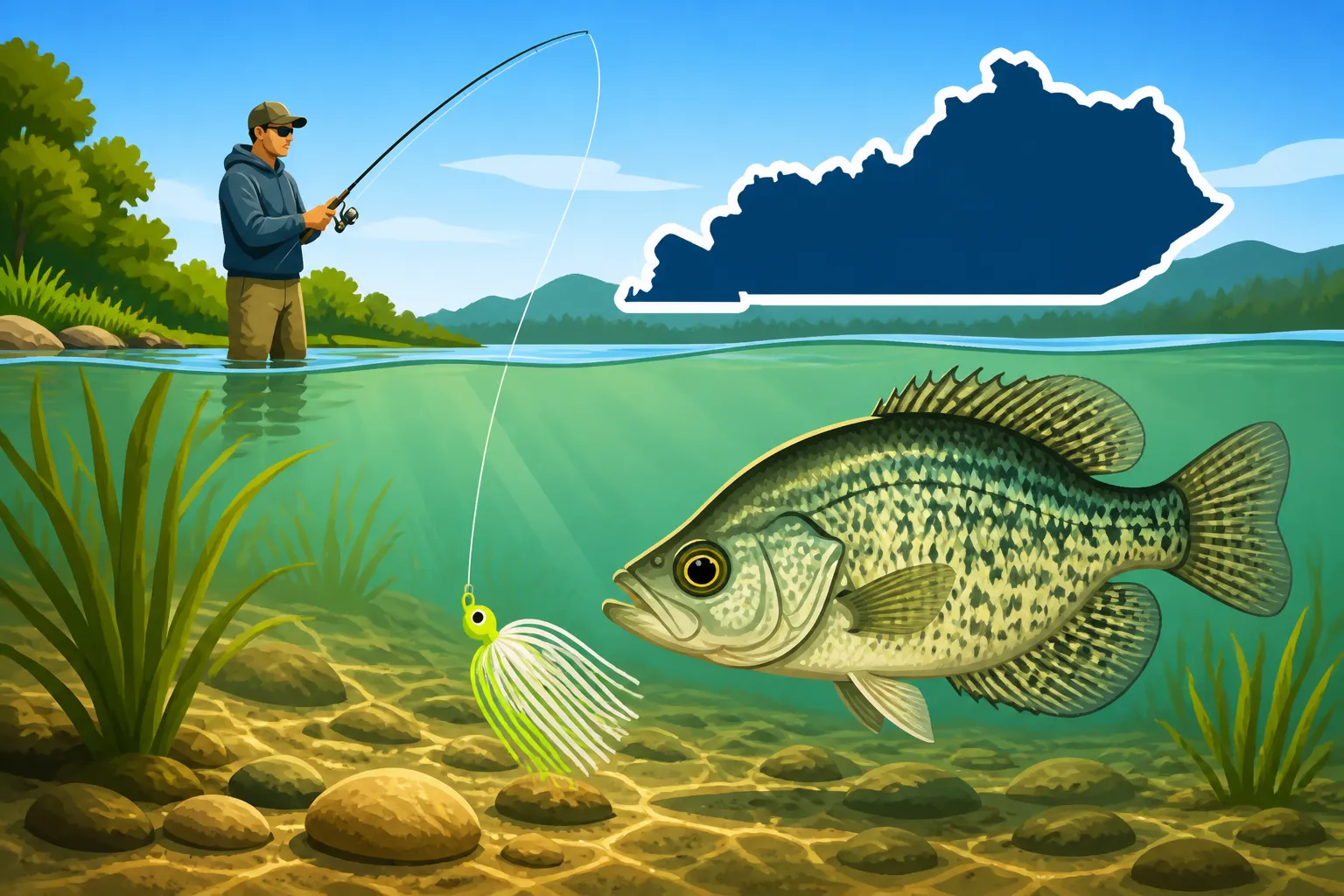
There's nothing quite like the thrill of chasing crappie in Kentucky's shallow waters, but it can also be incredibly frustrating when those finicky fish seem to disappear, or you can't quite get your presentation right. Many anglers struggle to adapt their techniques from deeper waters to the challenges of shallow, snag-filled environments. This guide is here to unravel the mysteries of shallow water crappie jigging, offering proven strategies to help you consistently land those papermouths close to the bank.
Understanding Shallow Water Crappie Behavior
Crappie, those delightful "papermouths" we all love to catch, aren't always tucked away in the deepest channels. They spend a significant amount of their lives in surprisingly shallow water, especially during certain times of the year. Understanding why they move shallow and what kind of shallow water they prefer is the first step to becoming a successful shallow-water jigging angler. It’s all about putting yourself in their fins and thinking like a fish.
Why Crappie Move Shallow
It's a common misconception that crappie are solely deep-water dwellers. While they certainly use deeper haunts for comfort and safety at times, their biological needs often pull them into the skinny water. The most prominent reason, of course, is the annual spawn. When water temperatures start creeping up, usually in the spring, those crappie get a powerful urge to reproduce, and that means heading to the warmer, sun-drenched shallows. They’re looking for stable structure where they can lay their eggs.
Beyond spawning, crappie will also venture shallow for feeding opportunities. Shallow water often teems with baitfish, insect larvae, and other small invertebrates – a crappie's favorite meal. Think about those sun-drenched coves or shallow flats right after a warm rain, where insects are active and small minnows are abundant. Crappie are opportunistic feeders, and if the food is there, they’ll follow. They also seek out shallow cover for ambush points, lying in wait for an unsuspecting meal to swim by. This can happen throughout the year, not just in spring.
Another crucial reason is shelter and thermal regulation. Shallow water warms up faster in the spring and can hold more consistent temperatures in summer, especially if there's good overhead cover. Conversely, during a mild winter day, the sun can penetrate shallow water, warming it just enough to draw crappie in for a brief feeding window. They also rely on shallow structure for protection from predators like ospreys, larger fish, and even us anglers. Submerged timber, thick weed beds, and boat docks offer fantastic cover where they feel safe.
Identifying Prime Shallow Water Crappie Habitat
Once you understand why crappie go shallow, the next step is identifying where they'll be. It’s not just any old shallow water; they're looking for specific features. Ideal shallow water crappie spots are typically less than 8-10 feet deep, but often much shallower, sometimes only 1-3 feet. They thrive in areas with abundant submerged structure or cover. This could be anything from fallen trees and brush piles to old stumps, rock piles, or even artificial habitat structures placed by the Kentucky Department of Fish and Wildlife Resources. These areas provide both ambush points for feeding and protection.
Look for areas with dense vegetation, like lily pads, cattails, or submerged hydrilla beds. These offer excellent cover, hold baitfish, and provide shade on sunny days. Docks, piers, and boat houses are also crappie magnets. The pilings and submerged planks provide vertical and horizontal cover, and the shade they cast is invaluable, especially as the sun gets higher. Even a simple change in bottom contour, like a subtle drop-off or a small humpnear the bank, can concentrate crappie in shallow water.
Consider the transition zones where shallow water meets deeper water. Crappie will often stage on the edge of these drop-offs, moving into the shallower sections to feed or spawn, then retreating to the safety of deeper water if disturbed or if conditions change. This is especially true in lakes like Kentucky Lake or Lake Barkley, where vast shallow flats often transition quickly into major creek channels or the main lake bed. Always pay attention to the prevailing wind and sun exposure, as crappie will often position themselves on the calm, shady side of cover, or on the windblown side where baitfish might be concentrated.
Essential Gear for Shallow Water Jigging
When you're targeting crappie in shallow water, your gear choices become even more critical than usual. You’re often working in close quarters, around snags, and dealing with fish that might be easily spooked. Having the right tools won't just make the experience more enjoyable; it will significantly increase your catch rate. Forget the heavy bass gear; we're talking finesse and sensitivity here. For specific recommendations, you might find some excellent options for Best Rods and Reels for Kentucky Crappie Fishing that are perfectly suited for this type of angling.
Rod, Reel, and Line Selection
For shallow water crappie jigging, the name of the game is light tackle. You want a rod that is sensitive enough to detect the faintest tap, yet has enough backbone to pull a crappie out of a brush pile. A light to ultralight spinning rod, typically between 5 to 7 feet in length, is ideal. Many anglers prefer a fast action tip, which bends mostly at the tip, allowing for quick hooksets and excellent feel. The longer rods (6.5-7 ft) give you more casting distance and better line control, especially when trying to reach under docks or around tight cover. A good quality rod from brands like St. Croix or Ugly Stik can make a huge difference in sensitivity and durability, and you can often find them on Amazon.
Pair that sensitive rod with a small, lightweight spinning reel, usually a 500 to 1000 series. These reels balance perfectly with ultralight rods and allow for smooth casting of light jigs. The drag system should be smooth and reliable, as crappie have delicate mouths that can tear easily under too much pressure, especially when you’re fighting them close to snags. Don't underestimate the importance of a smooth drag; it's your safety net.
When it comes to line, lighter is definitely better in shallow water. Two to six-pound test monofilament or fluorocarbon line is the standard. Monofilament is a bit more forgiving with its stretch and can be a good choice for beginners. Fluorocarbon, on the other hand, is nearly invisible underwater, has less stretch for increased sensitivity, and sinks, which can be an advantage when trying to get your jig down quickly in a precise spot. Some anglers even use light braided line (6-10 lb test) for ultimate sensitivity and strength, but they'll often add a fluorocarbon leader of a few feet to reduce visibility. Whichever you choose, ensure your line is fresh and free of nicks, as shallow water crappie can be feisty and will test your tackle.
The Right Jigs and Baits
The beauty of crappie jigging is the sheer variety of jigs available, and selecting the right one can feel overwhelming. In shallow water, lighter jigs are usually preferred, ranging from 1/32 to 1/16 ounce, sometimes even 1/8 ounce if there’s a bit of wind or current. These lighter jigs fall slower, staying in the strike zone longer, and create less disturbance, which is crucial for skittish shallow-water crappie. You'll want to explore a range of colors, and sometimes the best choices for Best Crappie Jig Colors for Stained Water will differ from those for clear water.
Soft plastic crappie jigs are incredibly versatile. Popular styles include small tubes, grubs, minnow profiles, and spider jigs. Sizes typically range from 1 to 2.5 inches. Color can be critical: bright colors like chartreuse, pink, and orange often work well in stained or muddy water, while more natural colors like white, clear with glitter, or shad patterns are effective in clearer conditions. Don't be afraid to experiment! It’s often a subtle difference in hue that makes all the difference on a given day. Carry a variety and be ready to change if one isn't producing.
While soft plastics are fantastic, never underestimate the power of live bait, especially in tough conditions. A small crappie minnow hooked through the lips or dorsal fin on a small jig head or under a tiny bobber can be irresistible. The natural movement and scent of a live minnow can often entice bites when artificials fail. You can also tip your soft plastic jig with a small piece of minnow, a waxworm, or a Berkley Gulp! Alive! minnow for added scent and appeal. The key is to keep your presentation as small and natural as possible to mimic the crappie's natural forage in these shallow environments.
Mastering Jigging Techniques for Shallow Crappie
Once you've got your gear sorted, it's time to talk technique. Jigging for crappie in shallow water isn't about big, aggressive movements; it's about subtle finesse. These fish are often holding tight to cover, easily spooked, and sometimes require a delicate touch to convince them to bite. Precision and patience are your best friends here.
Vertical Jigging and Pitching
Vertical jigging is paramount when crappie are holding extremely tight to vertical cover like dock pilings, submerged trees, or bridge abutments in shallow water. This technique involves dropping your jig directly down to the fish, keeping it as close to the cover as possible. Instead of casting, you position your boat or yourself (if bank fishing) right on top of or very near the structure. Let your jig descend slowly, paying close attention to your line for any twitch or hesitation – that's often a bite. Once it hits bottom or the desired depth, subtly lift and drop your rod tip a few inches, imparting a gentle jigging motion. It's not a big sweep; think more like a nervous baitfish darting in place.
When you can't get directly on top of the cover, or if the fish are slightly skittish, pitching is your go-to. This involves making short, underhand casts to gently present your jig a few feet from the target, allowing it to sink naturally next to the cover. It minimizes splash and allows for a quieter presentation. Once the jig is in place, work it slowly by gently lifting and dropping your rod tip, pausing frequently. Often, the crappie will hit it on the fall or during a pause. This method is particularly effective around brush piles and fallen timber where a precise presentation is required to avoid snags, as discussed in Crappie Fishing Around Brush Piles.
One common mistake is working the jig too fast or too aggressively. In shallow water, particularly around cover, crappie might be lethargic or just observing. Slow down your retrieve. Sometimes, simply letting the jig hang motionless for several seconds can be the trigger. Remember, you're trying to emulate a struggling or injured baitfish, not one that’s actively trying to escape. A high-quality fluorocarbon line can be a real asset here, providing the sensitivity to feel those subtle "thumps" and "ticks" that indicate a bite, even when the fish barely moves the jig.
Casting and Retrieving Techniques
While vertical jigging and pitching are great for tight cover, casting and retrieving come into play when crappie are spread out over shallow flats, along weed lines, or under extensive dock systems. The key is to find a retrieve speed and action that triggers a strike without spooking the fish. A slow, steady retrieve, often called a "slow roll," can be very effective. Cast your jig out, let it sink to the desired depth (often just above the cover or bottom), and then reel it in just fast enough to keep the tail of the soft plastic swimming.
Adding subtle twitches and pauses can make a world of difference. After a few turns of the reel, give your rod tip a gentle twitch or two, then let the jig fall freely for a second or two. This mimics a baitfish trying to escape then becoming disoriented. Many strikes will occur on the pause as the jig flutters down. It's crucial to watch your line carefully during the fall, as crappie often pick up the jig while it's sinking, and you'll only see a slight jump or slackening of your line.
Another effective shallow water technique is the "swim-glide-pause." Cast your jig, let it sink, then swim it a few feet, pause, and let it glide down naturally. Repeat this action. This creates a lifelike, erratic movement that can entice even the most wary crappie. Consider using a small, sensitive bobber in conjunction with your jig when fishing over sparse cover or across open shallow flats. This allows you to suspend your jig at a precise depth and gives you a visual cue for strikes. For those looking for more general advice, understanding the Best Depth to Fish for Crappie in Spring can inform your casting depths, even in shallow conditions.
Understanding the Bite and Hookset
One of the biggest challenges in crappie fishing, especially with light jigs in shallow water, is detecting the bite. Crappie are notorious for their incredibly subtle takes, often described as a "tick," a "mushy" feeling, or simply the line going slack when it should be tightening. It's rarely a hard tug like a bass strike. Sensitivity in your rod and line is paramount here. Keep a constant eye on your line where it enters the water; any unnatural twitch, jump, or sideways movement could indicate a bite.
When you feel or see a bite, resist the urge to rear back with a massive hookset like you would for a bass. Crappie have very soft, papery mouths – hence their nickname "papermouths." A hard hookset will often tear the hook right out. Instead, a gentle, sweeping hookset is usually all that's needed. Simply raise your rod tip smoothly and firmly, maintaining steady pressure. The sharpness of your jig hook is also critical; ensure it's needle-sharp to penetrate with minimal force.
Sometimes, you won't feel anything at all until you start your next retrieve or lift your rod, and suddenly there's weight. This often means the crappie has already picked up the jig and is just sitting there. That's why being constantly "in tune" with your line and bait is so important. Practice makes perfect, and the more time you spend on the water, the better you'll become at distinguishing those subtle crappie bites from snags or bottom contact. Remember, a lighter, more sensitive setup allows you to feel these nuanced bites far more effectively.
Seasonal Considerations for Shallow Water Crappie
While spring is undeniably the superstar season for shallow water crappie, these adaptable fish can be found in the skinny water throughout the year. Knowing how their behavior changes with the seasons will significantly improve your chances of success. It’s all about adapting your approach to what the crappie are doing, which often means paying close attention to water temperature and light conditions.
Spring Spawn: The Ultimate Shallow Bite
Ah, spring! This is the time most anglers dream of when thinking about shallow water crappie. As water temperatures climb into the 50s and 60s Fahrenheit (around 55-65°F being prime), crappie move from their deeper wintering grounds into the shallows to spawn. This pre-spawn and spawn period is when they are most accessible and aggressive in shallow water. They're looking for firm bottoms, submerged timber, brush, or dense aquatic vegetation to lay their eggs. For a deep dive into this crucial period, check out our Kentucky Crappie Fishing: Spring Spawn Run Guide.
During the pre-spawn, crappie will stage on the edges of shallow flats, often at the mouths of coves or creeks, waiting for the water to warm sufficiently. They'll make quick forays into the shallows to feed. This is a great time to target them with jigs pitched to the shallow-to-deep transitions. As the water warms further and the actual spawn begins, they'll push right into the thickest cover in 1 to 5 feet of water, becoming territorial. Precise vertical jigging or short pitches into the heart of a brush pile or under a dock are highly effective.
Post-spawn, the fish might be a bit lethargic immediately after their exhausting breeding efforts. However, they'll often remain shallow for a week or two, recuperating and feeding heavily to regain energy before gradually retreating to slightly deeper water. During this time, a slow-rolled jig or a minnow under a bobber can be very effective. Remember, light colored jigs like white, chartreuse, or pink often shine during the spawn because of the aggressive nature of the fish and their need to see the bait in the often-turbid shallow water.
Summer and Fall: Locating Active Fish
Summer can be a bit trickier for consistent shallow water crappie, but it's far from impossible. As water temperatures soar, crappie will often move to deeper, cooler water during the brightest parts of the day. However, they'll frequently move back into the shallows during low-light periods – dawn, dusk, and even at night – to feed on baitfish that also push shallow. Look for deep shade provided by overhanging trees, thick lily pad fields, or substantial docks and boat houses, especially those over deeper water access.
During summer, focus on the shallow edges of creek channels, humps, and points that offer quick access to deeper water. Crappie will often suspend under boat docks, using the shade for comfort. A small jig dropped precisely under these structures can be deadly. Early mornings and late evenings, or cloudy, rainy days, are prime times for summer shallow water crappie. Your retrieve speed might need to be a little faster than in spring, as the fish can be more active in warmer water, but still experiment with pauses.
Fall is another fantastic time for shallow water crappie, often overlooked by anglers focused on bass. As water temperatures begin to cool, crappie will again push into the shallows, often following schools of baitfish that are also feeding up before winter. They'll be found around shallow timber, rock piles, and points, much like in spring, but typically not as far back into the super-skinny water. The key is to find the bait; if you find the schools of shad or minnows, the crappie won't be far behind. Often, a small white or grey jig resembling a shad can be very effective.
Winter: Challenging but Rewarding
Winter is arguably the toughest time to find crappie consistently in shallow water, but it's not impossible, especially in Kentucky's milder winters. Crappie generally seek out deeper, more stable water in winter. However, on those rare, mild, sunny winter days – especially if there’s a consistent warm spell – crappie can move into shallow, sun-drenched coves or on the north banks of lakes where the sun penetrates the water more directly.
When they do move shallow in winter, they're typically sluggish, and their bites will be incredibly light. A tiny 1/32 or even 1/64 ounce jig, worked painstakingly slowly, often tipped with a minnow or a scented soft plastic, is your best bet. Think micro-movements, barely perceptible twitches, and very long pauses. The fish are conserving energy and won't chase a fast-moving bait.
Focus on the warmest water you can find. Look for shallow areas that absorb sunlight well, like dark bottomed flats, or areas protected from the wind. These will warm up a degree or two more than other spots, and that’s often enough to pull crappie in for a brief feeding opportunity. While it's a challenging time, landing a crappie from shallow water in the dead of winter is incredibly rewarding and a testament to your patience and skill. For general crappie insights, you might also find value in our guide on Kentucky Crappie Daily Limit Rules to ensure you're compliant no matter the season.
Advanced Tips for Tricky Shallow Water Scenarios
Shallow water crappie fishing often presents unique challenges that require a bit more finesse and strategic thinking. From navigating dense cover to adjusting for fickle water conditions, being prepared for these scenarios will elevate your shallow water jigging game.
Navigating Heavy Cover
Heavy cover is a crappie's best friend and an angler's biggest headache. Brush piles, fallen trees, thick weed beds, and dense docks all hold crappie, but they also snag lures like magnets. The key here is precision and an understanding of how to retrieve a snagged jig. When fishing heavy cover, use the lightest jig head you can get away with that still allows you to feel the bottom or cover. This reduces the chances of burying the hook into wood or weeds on the fall.
Approach cover stealthily. Use your trolling motor or paddle slowly, or better yet, drift into position with the wind or current. Make precise pitches or short casts right to the edge of the cover, or into any open pockets you can find. Remember, crappie will often be right inside the densest part of the cover. If you get snagged, don't just yank hard. Try to release tension, give your line some slack, then quickly snap your rod tip upward. Often, this will free the jig. If that doesn't work, slowly pull from a different angle. Sometimes, gently twitching the line can work it free. Having a lure retriever on hand can save you a lot of jigs and frustration.
Consider using weedless jigs or small jig heads with a weed guard for particularly thick vegetation. Another trick is to use a slightly heavier line, like 6-pound test, when fishing around really heavy wood or dense brush. This gives you a better chance of pulling a crappie out before it can wrap you around a branch, or of pulling your snagged jig free. For more detailed insights on tackle organization and choices, especially when dealing with various species and conditions, consider reviewing our article on Best Tackle Box Setup by Species. It can help you organize for those heavy cover scenarios.
Adjusting to Water Clarity and Light Conditions
Water clarity and light conditions play a huge role in crappie behavior and your jigging success in shallow water. In clear water, crappie are much more visually oriented and can be easily spooked. This means you need to be stealthier, make longer casts, and use lighter line and more natural-colored jigs (like clear, smoke, white, or shad patterns). Dawn, dusk, or cloudy days are often best in clear, shallow water, as the reduced light makes crappie feel more secure. Overcast conditions can sometimes keep crappie shallow all day.
In stained or muddy water, crappie rely more on lateral line vibrations and scent. This is where brighter colors like chartreuse, pink, and orange truly shine, as they offer better contrast and visibility in murky conditions. Jigs with a vibrating tail or a scent dispenser can also be very effective. Your retrieve speed might need to be a little faster to create more vibration, or conversely, very slow to keep the bait in the strike zone longer for the fish to find it. Sunny days can be good in stained water, as the increased light penetration can still activate the fish. When fishing extremely muddy water, sometimes the subtle movement of a small minnow on a jig is the only thing that will get a bite.
Always pay attention to sun angle. When the sun is high and bright, crappie will generally seek deeper shade. Target the shady side of docks, trees, or ledges. On cloudy days, they might be more spread out across open shallow flats. Your approach should change with every condition, and carrying a wide array of jig colors, sizes, and even a few live minnows can make all the difference. Sometimes, a tiny addition of a Crappie Nibbler or a dab of scent attractant to your jig, easily found on Amazon, can make all the difference when fish are finicky in particular water conditions.
| Condition | Jig Weight (oz) | Jig Color | Retrieve Style | Key Feature |
|---|---|---|---|---|
| Clear Water | 1/32 – 1/16 | Natural (White, Smoke, Shad) | Slow, subtle twitches, long pauses | Stealth, small profile |
| Stained/Murky Water | 1/16 – 1/8 | Bright (Chartreuse, Pink, Orange) | Slow roll, added scent/vibration | Visibility, vibration, scent |
| Heavy Cover | 1/16 (with weed guard if needed) | Versatile, match conditions | Precise pitches, vertical jig | Snag resistance, accurate drops |
| Cold Water (Winter) | 1/32 – 1/64 | Natural, subtle | Ultra-slow, barely perceptible moves, long pauses | Minimal action, live bait tip |
| Warm Water (Summer) | 1/16 – 1/8 | Versatile, shad patterns | Slow roll, swim-glide-pause, target shade | Cover, speed variations |
Disclaimer
Please remember that fishing regulations, including licensing requirements, bag limits, and size restrictions, can change. Always consult the latest Kentucky Department of Fish and Wildlife Resources (KDFWR) guidelines before heading out on your fishing trip. This guide is for informational purposes only and does not supersede official regulations. Stay safe and happy fishing!