Best Bait for Largemouth Bass in Kentucky Lake
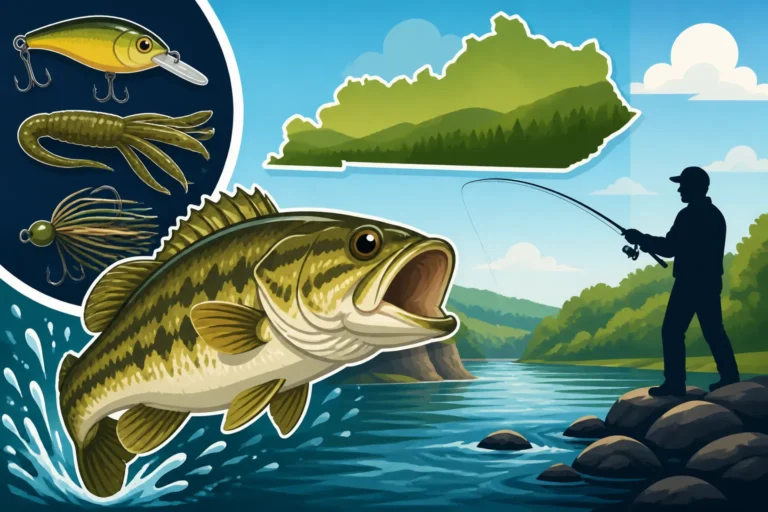
Oh, the age-old question that keeps us anglers up at night: "What's the best bait for largemouth bass on Kentucky Lake?" It's a real head-scratcher, isn't it? You stare at your tackle box, filled with what feels like a million options, wondering if you're holding the magic ticket or just another shiny piece of plastic. This vast, incredible lake, known for its trophy bass, can be both a blessing and a challenge, with bass that seem to have a Ph.D. in avoiding your perfectly presented lure. But don't you worry your casting arm – this guide is here to unravel the mystery, helping you confidently choose the right bait to entice those elusive Kentucky Lake largemouth.
Understanding Largemouth Bass Behavior on Kentucky Lake
Before we even think about tying on a lure or hooking a shiner, it's crucial to understand the very creatures we're trying to catch. Largemouth bass aren't just swimming around randomly; they have patterns, preferences, and instincts that dictate where they go and what they eat. On a massive body of water like Kentucky Lake, knowing these behaviors is half the battle won.
Habitat Preferences and Structure
Kentucky Lake is a sprawling impoundment of the Tennessee River, boasting an incredible amount of diverse habitat. Largemouth bass are creatures of cover and structure, always looking for an ambush point or a place to hide from predators (and anglers!). Think about submerged timber, stump fields, rock piles, ledges, creek channels, and dense aquatic vegetation like hydrilla or milfoil. These aren't just pretty underwater features; they're the highways and homes for bass.
When you're out on the water, pay close attention to transitions—where a shallow flat drops into a deep channel, or where a hard bottom meets soft mud. Bass often patrol these edges, using them as travel routes and feeding lanes. During different times of the year, their preferred depth and type of structure will shift. For example, in the heat of summer, they might retreat to deeper ledges or thick offshore hydrilla beds to find cooler, more oxygenated water. In contrast, during the spring, they'll be much shallower, tucked into newly emergent grass or around woody debris in protected coves. Understanding these preferences helps you narrow down where to present your bait before you even pick which bait to use.
Feeding Habits and Forage Base
Largemouth bass are opportunistic predators, but they definitely have their favorite meals. The primary forage on Kentucky Lake includes shad (gizzard and threadfin), various species of sunfish (like bluegill and redear), and, importantly, crawfish. They also aren't shy about eating smaller fish, frogs, and even ducklings or snakes if the opportunity arises. The key here is "match the hatch." If you can present a bait that closely mimics what the bass are actively feeding on, your chances of success skyrocket.
Think about the size, color, and action of the dominant baitfish or crawfish in the area you're fishing. Are the shad schooling up in open water? Are the crawfish scurrying along the bottom? Bass will often key in on one particular forage item, especially when it's abundant. This means your bait choice should reflect that. If you're seeing shad flipping on the surface, a shad-imitating topwater or crankbait might be deadly. If you notice crawfish shells along the bank, a jig or soft plastic craw might be the ticket. Pay attention to what's happening around you; the lake itself will often tell you what the bass are eating.
Spawning and Post-Spawn Patterns
The reproductive cycle of largemouth bass profoundly impacts their behavior and, consequently, the best baits to use. In Kentucky Lake, the pre-spawn period (typically late winter/early spring) sees bass moving from deeper wintering grounds toward shallower staging areas. They're gorging themselves, trying to pack on calories before the energy-intensive spawn. During this time, they're often very aggressive and will hit larger, more substantial baits.
Once the water temperatures hit that sweet spot (usually in the mid-60s Fahrenheit), bass move onto shallower flats and into protected coves to spawn. Male bass guard the nests, and while they might not be actively feeding, they will strike at anything they perceive as a threat to their eggs or fry. This makes reaction baits or subtle presentations near beds effective. After the spawn, bass enter a post-spawn recovery phase. They can be sluggish and spread out, often retreating to slightly deeper water near the spawning flats. As they recover, they'll start feeding more actively, but sometimes in a more tentative manner. Understanding these phases allows you to adjust your bait presentation and retrieve accordingly, targeting them where they are and how they're likely to bite.
Live Bait Options for Kentucky Lake Largemouth
Sometimes, nothing beats the real thing. Live bait offers a natural presentation, scent, and action that artificial lures simply can't perfectly replicate. For those days when the bass are finicky or you just want a reliable bite, live bait can be a game-changer on Kentucky Lake.
Shiners and Other Minnows
When it comes to live bait for bass, shiners and various minnows are perennial favorites, and for good reason. They are the natural prey of bass. Their frantic darting and shimmering scales are a direct signal to a hungry largemouth that an easy meal is nearby. On Kentucky Lake, golden shiners are a popular choice, but local bait shops might offer other effective species.
The beauty of fishing with shiners is their versatility. You can free-line them with no weight, allowing them to swim naturally near cover, especially effective around submerged brush piles or boat docks. You can also fish them under a bobber, keeping them suspended at a specific depth over grass beds or rocky areas. For deeper water or fishing current, a Carolina rig with a shiner can be deadly, dragging the bait along the bottom where bass often lurk. The key is to hook them lightly, typically through the lips or just behind the dorsal fin, to keep them lively. A fresh, active shiner is far more appealing than a lethargic one. Remember, sometimes that subtle, injured swim is all it takes to trigger a strike when nothing else seems to work.
Crawfish and Other Invertebrates
Crawfish are a staple in the diet of Kentucky Lake largemouth, especially in certain areas with rocky or gravel bottoms. Their crunchy shells and rich scent are irresistible to bass. Mimicking a crawfish, either alive or dead, can be incredibly effective, particularly during cooler months or when bass are holding tight to bottom structure.
You can rig live crawfish much like you would a shiner, but a simple Texas rig or Carolina rig is often best for keeping them on the bottom where they naturally live. Hook them through the tail, ensuring the hook point is exposed. When bass are actively feeding on crawfish, they often won't hesitate to gulp down a live one. Beyond crawfish, other invertebrates like large worms or even leeches can tempt bass, especially if the water is a bit murky or they're looking for a slower, scent-heavy presentation. The natural scent trail from live crawfish can draw bass from a distance, making them a fantastic choice when bass aren't aggressively chasing fast-moving lures.
Worms and Nightcrawlers
Ah, the humble worm. Often overlooked by serious bass anglers focused on artificials, a good old nightcrawler or garden worm can still put largemouth bass in the boat, especially for beginners or when fishing pressured waters. While perhaps not the flashiest option, their natural scent and wiggling action are universally appealing to many fish, including bass.
Fishing worms on Kentucky Lake is best done with a simple setup. A weighted hook, a Texas rig, or a Carolina rig are all effective for presenting a worm near the bottom or around structure. You can also fish them under a slip bobber in shallower areas, allowing them to drift naturally. Worms are particularly effective after a rain, when they might wash into the lake, or in stained water where scent plays a larger role than visual appeal. Don't underestimate the power of a lively nightcrawler, especially on a tough bite day; sometimes, simplicity truly wins out, offering a natural meal that bass find hard to resist.
Top Artificial Lures for Largemouth Bass on Kentucky Lake
For many anglers, the thrill of bass fishing comes from fooling a fish with a carefully selected and expertly presented artificial lure. On a lake as dynamic as Kentucky Lake, having a diverse arsenal of artificials is key. These lures are designed to mimic the movements, colors, and profiles of natural forage, triggering predatory instincts in largemouth bass.
Crankbaits and Jerkbaits
Crankbaits and jerkbaits are absolute workhorses for Kentucky Lake bass, especially when trying to cover water and find active fish. Crankbaits are designed to dive to specific depths, from shallow runners to deep divers, and typically have a wide, wobbling action that displaces a lot of water. They excel at mimicking fleeing baitfish like shad, which are abundant in Kentucky Lake. Best Crankbaits for Big Lake Bass Fishing delves deeper into choosing the right ones.
For shallow to medium depths, medium-diving crankbaits in shad or crawfish patterns can be incredibly effective when retrieved along submerged points, rocky banks, or grass edges. For deeper structure like ledges or old creek channels, deep-diving crankbaits are essential, crashing into the bottom or structure to elicit a reaction strike. Jerkbaits, on the other hand, have a more erratic, stop-and-go action. They suspend in the water column during pauses, making them irresistible to bass, particularly in cooler water or when bass are suspended. The key to both is varying your retrieve, using pauses, rips, and steady retrieves to figure out what the bass want on any given day. Experiment with different colors, paying attention to water clarity—natural shad patterns in clear water, and brighter colors in stained conditions.
Soft Plastics: Worms, Jigs, and Creature Baits
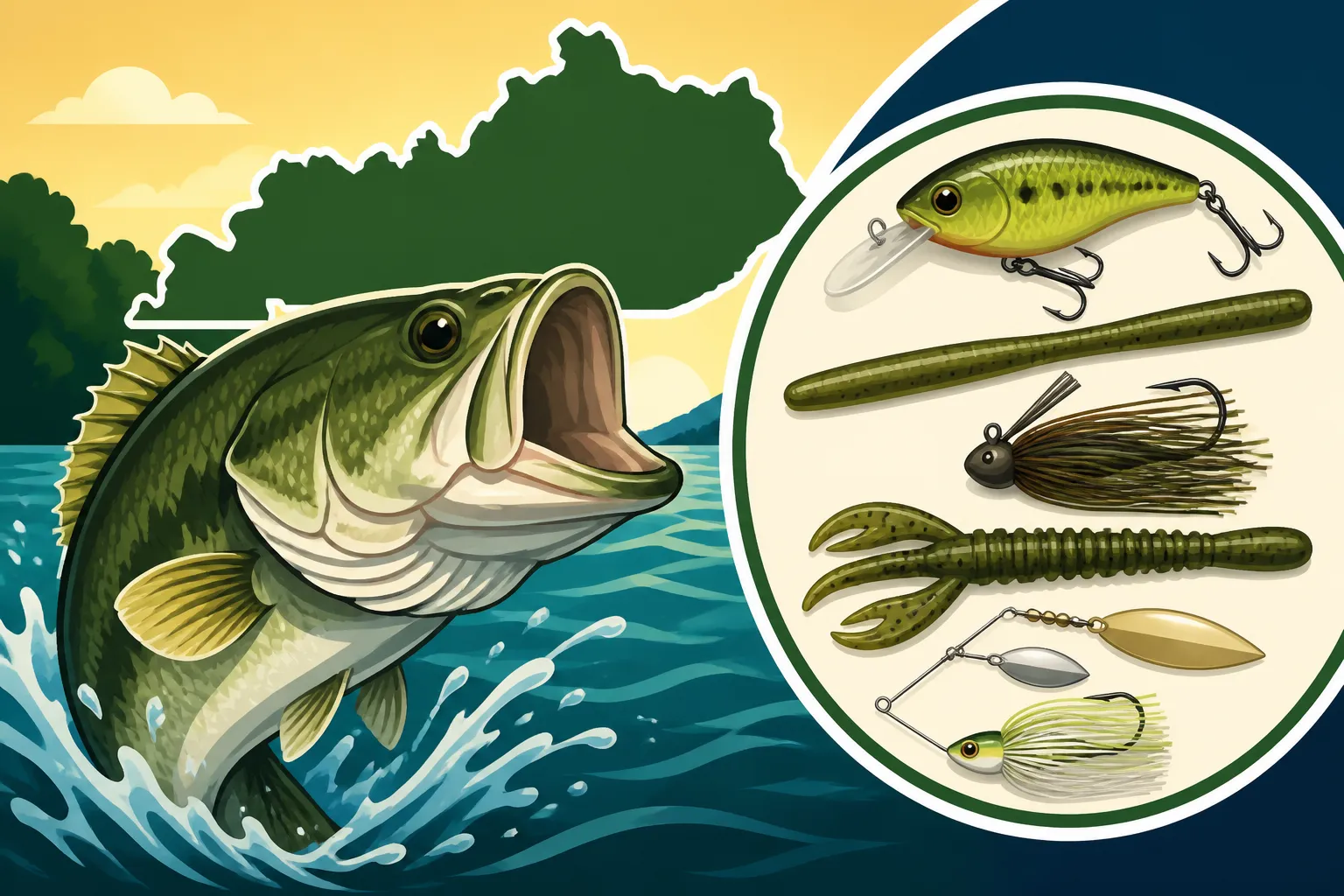
Soft plastics are arguably the most versatile category of artificial lures for largemouth bass, and they are absolutely indispensable on Kentucky Lake. This category includes everything from classic plastic worms to creature baits, swimbaits, and finesse jigs, each offering a unique presentation. How to Rig a Texas Rig for Bass Fishing is a great resource for one of the most popular soft plastic setups.
- Plastic Worms: These come in countless shapes, sizes, and colors. The Texas rig is king for fishing plastic worms around heavy cover like brush piles and thick grass, making them weedless. A Carolina rig is excellent for dragging worms across open flats or along deep ledges, attracting bass with a subtle, bottom-bouncing action. The key is to match the worm's profile and action to the natural forage and to fish them slowly, feeling for that subtle thump of a bite.
- Jigs: A jig, often tipped with a soft plastic trailer (like a craw or grub), is a fantastic imitation of a crawfish or a bulky baitfish. Football jigs are superb for fishing rocky bottoms and ledges, while skirted swim jigs can be cast into grass or skipped under docks. The slow fall and pulsing action of a jig are hard for a bass to resist, especially when they're hiding in heavy cover.
- Creature Baits: These oddly shaped soft plastics mimic a variety of prey, from crawfish to small critters that might fall into the water. Their appendages provide lots of action with minimal movement, making them perfect for punching through matted vegetation or flipping into tight spots. Rigged on a Texas rig with a heavy weight, they can penetrate dense cover where big bass often hide.
The sheer variety within soft plastics means you can always find something to match the conditions, whether you're targeting shallow water or probing deep structure. Always have a good selection of colors, from natural greens and browns to darker blues and purples, and don't be afraid to experiment with different sizes and shapes.
Topwater Lures and Spinnerbaits
When the conditions are right, there's nothing quite like a topwater strike. Topwater lures, such as poppers, walking baits, and buzzbaits, are designed to create commotion on the surface, mimicking struggling baitfish, frogs, or other surface prey. They are most effective in low light conditions (dawn and dusk), on overcast days, or when bass are actively feeding near the surface in shallow areas of Kentucky Lake.
A classic Zara Spook or a Whopper Plopper walked across the surface near submerged timber or lily pads can elicit explosive strikes. Poppers, with their cupped faces, create a "chugging" sound that calls bass from a distance. Buzzbaits are fantastic for covering water quickly over shallow grass or woody cover, creating a distinct gurgling sound and prop wash that aggravates bass into striking. The key with topwater is patience and proper retrieve—let the fish tell you what they want. Sometimes a fast, erratic retrieve works; other times, a slow, methodical walk or pop is better. When a bass blows up on your topwater, wait to feel the weight of the fish before setting the hook.
Spinnerbaits, with their flashing blades and vibrating skirts, are another excellent option for covering water, especially around grass, timber, and stump fields. They create a lot of flash and vibration, making them highly visible and detectable in stained water or on windy days. White or chartreuse patterns are great for imitating shad, while darker colors can mimic crawfish or bluegill. A steady retrieve is often all that's needed, but varying your speed, pausing occasionally, or bumping it off cover can trigger strikes. They are also incredibly weedless, making them ideal for navigating heavy cover without snagging.
Seasonal Considerations for Bait Selection
Kentucky Lake's largemouth bass exhibit distinct seasonal patterns, and understanding these shifts is paramount to choosing the most effective bait. What works wonders in April might be completely ignored in August. Adjusting your tactics to the time of year is a crucial skill for any successful angler on these waters.
Spring: Pre-Spawn and Spawn
Spring on Kentucky Lake is a magical time for bass fishing, as largemouth move from their deep winter haunts into shallower staging areas and eventually onto their spawning beds. This period is typically broken into pre-spawn and spawn.
During the pre-spawn, bass are often aggressive and focused on feeding heavily to build energy for the upcoming spawn. Water temperatures are climbing, and baitfish are becoming more active. This is an excellent time for larger, reaction-oriented baits. Medium to deep-diving crankbaits in shad or crawfish patterns are deadly as bass move up from deeper channels onto points and humps. Spinnerbaits retrieved around shallow cover, lipless crankbaits ripped through emerging grass, and even larger jerkbaits can also be highly effective. The bass are looking for a substantial meal, so don't be shy with bait size. As they move into shallower coves and protected areas, jigs with craw trailers or Texas-rigged soft plastics pitched to woody cover become incredibly potent.
Once the water temperature stabilizes in the mid-60s, bass will move onto their beds. During the actual spawn, bass can be protective rather than actively feeding. For bed fishing, subtle presentations are often best. A slow-falling creature bait, a soft plastic lizard, or a small jig carefully pitched onto a bed can provoke a strike from a territorial male. The key is to repeatedly present the bait until the bass gets annoyed enough to grab it and move it away. Remember, bass are in various stages during spring, so you might find pre-spawn, spawning, and even early post-spawn fish all in different parts of the lake.
Summer: Deep Water and Night Fishing
When the scorching Kentucky summer hits, largemouth bass on Kentucky Lake often make a significant move. The rising water temperatures and increased boat traffic push many of the larger bass into deeper, cooler, and more oxygenated water. This means focusing on offshore structure like ledges, humps, and deep creek channels.
Deep-diving crankbaits are absolutely essential for probing these deep ledges and channels. Choose baits that can reach depths of 15-25 feet or more, matching them to the dominant shad forage in natural colors. Jigging spoons can also be effective when bass are schooled up tightly on these deeper structures. Soft plastics, particularly large Texas-rigged worms (like 10-inch or longer), Carolina rigs, and heavy football jigs, are excellent for slower, more deliberate presentations on deep contours. You'll need to meticulously work these baits along the bottom, feeling for subtle bites. Don't forget that during the summer, a significant population of bass will relate to the abundant hydrilla and other aquatic vegetation found in many parts of Kentucky Lake. Punching heavy weights with creature baits through thick mats or fishing frogs over top of them can be incredibly exciting and productive.
Summer also brings prime opportunities for night fishing. As the sun sets, bass often move shallower to feed under the cover of darkness. Large spinnerbaits, dark-colored jigs, and slow-moving topwater baits like Jitterbugs or buzzbaits can be fantastic during summer nights. The lack of boat traffic and cooler temperatures often make for a more comfortable and productive fishing experience.
Fall: Feeding Frenzy
Fall on Kentucky Lake is another prime time for bass fishing, often rivaling spring in terms of action. As water temperatures begin to cool, bass enter a strong feeding mode, packing on fat reserves for the upcoming winter. Baitfish, especially shad, begin to school up, and bass will follow these schools aggressively.
This is a fantastic time for covering water with moving baits. Lipless crankbaits ripped through dying grass beds, medium-diving crankbaits fished along points and creek channels, and spinnerbaits worked around baitfish schools are all highly effective. Pay close attention to birds diving or baitfish flickering on the surface—these are clear indicators that bass are pushing bait. Topwater baits can remain strong, especially on warmer fall days, as bass will often chase shad to the surface.
As the fall progresses and water temperatures drop further, bass will gravitate towards structure near deeper water, making jigs, Texas rigs, and Carolina rigs vital for those slower, deliberate presentations. Fishing around bluff walls, rocky banks, and main lake points where baitfish are congregating can be incredibly productive. The fall feeding frenzy offers an excellent chance to catch a lot of bass and often some of the biggest fish of the year.
Winter: Slow and Deep
Winter fishing on Kentucky Lake requires patience and a significant slowdown in your presentation, but it can yield some truly massive largemouth bass. As water temperatures plummet, bass metabolism slows down, and they become less active and more lethargic. They often congregate in deeper, more stable water, such as main lake channels, bluff walls, and deep holes.
The key to winter fishing is slow, subtle presentations. Alabama rigs (also known as A-rigs), which mimic a small school of baitfish, can be devastating when bass are suspended in open water or around deep structures. Jigging spoons are also excellent for tempting inactive bass that are tightly schooled in deep water; a vertical jigging presentation can provoke a reaction strike.
Soft plastics fished slowly on a football jig or a shaky head are also effective. A slow retrieve along deep ledges or drop-offs, with long pauses, can entice a lethargic bass to bite. Finesse techniques, like drop shotting small worms or minnows, can also be productive when bass are extremely inactive. Focus on finding those deep schools of baitfish, as the bass won't be far behind. Winter fishing is about precise bait placement and feeling for the most delicate bites, but the reward can be a truly giant largemouth.
Matching Your Bait to Water Conditions
The best bait for largemouth bass isn't just about the season or the bass's behavior; it's also heavily influenced by the immediate water conditions you face on Kentucky Lake. Water clarity, temperature, and movement (current and wind) all play significant roles in how a bass perceives your offering.
Clear vs. Murky Water
Water clarity is one of the most immediate factors that should dictate your bait choice. Kentucky Lake can range from gin-clear in some areas, especially further south or in quiet coves, to heavily stained or muddy after significant rain or in high-traffic areas.
In clear water, bass rely heavily on sight, making realistic bait presentations crucial. Natural colors that mimic shad or crawfish (like greens, browns, and whites) are usually best. Finesse techniques with smaller soft plastics, natural-colored jerkbaits, and subtle crankbaits often excel. Fluorocarbon line is a good choice here due to its low visibility. The goal is to make your bait look as natural and non-threatening as possible, so fish it slower and more subtly. Bass in clear water can be very spooky, so long casts and a quiet approach are important.
In murky or stained water, visibility is low, so bass rely more on their lateral line (to detect vibrations) and their sense of smell. This means you want baits that create a lot of vibration, displace water, or have a strong scent. Spinnerbaits with large, thumping blades, lipless crankbaits, and dark-colored jigs with bulky trailers are excellent choices. Brighter or contrasting colors like chartreuse, orange, black, and blue can also be more visible in low-light, stained conditions. Scented soft plastics or adding scent to your lures can also make a big difference, as it gives the bass something extra to home in on. Don't be afraid to experiment with noisier lures in these conditions, as the bass will be less likely to see your bait and more likely to react to its presence.
Water Temperature's Role
We've touched on this with seasonal patterns, but it's worth emphasizing water temperature as a standalone factor. It directly affects the metabolism and activity level of largemouth bass.
In cold water (below 50-55 degrees Fahrenheit), bass are lethargic. Their movements are slow, and they're less likely to chase a fast-moving bait. This calls for slow-moving baits like jigs, suspending jerkbaits with long pauses, blade baits, and subtle soft plastics (shaky heads, drop shots). The retrieve should be excruciatingly slow, often just a twitch or a drag, imitating an easy, injured meal. Darker colors can absorb more light and be more visible, but natural, subtle tones are also good.
As the water warms into the mid-50s to low-70s, bass become much more active and aggressive. This is when you can really burn spinnerbaits, crankbaits, and topwater lures. The bass are willing to chase, and reaction strikes become common. Brighter colors and faster retrieves are often productive. In the heat of summer (above 80 degrees), bass might become sluggish again or move to deeper, cooler water. You'll need to either slow down your presentation in deeper zones with large worms or jigs, or use fast, aggressive techniques over or through thick cover to generate reaction strikes from shaded bass. Understanding the current water temperature of your fishing spot is key to selecting both the right bait and the right retrieve.
Current and Wind Effects
Kentucky Lake, being an impoundment of the Tennessee River, can have significant current, especially near the main river channel or around dams. Wind also plays a huge role in how bass position themselves and feed.
Current can be a bass angler's best friend. Bass will often position themselves out of the main current, behind structure like rock piles, stumps, or creek channel bends, waiting to ambush baitfish that are swept past them. When fishing current, baits that allow you to maintain contact with the bottom or specific depth are crucial. Heavy jigs, Carolina rigs, and deep-diving crankbaits are excellent. Position your boat upstream and cast downstream, allowing the current to carry your bait naturally past potential ambush points. Often, a bait that presents a larger profile or emits strong vibrations is good in current, as the bass have less time to inspect it.
Wind creates chop on the water, which breaks up the surface and can actually make bass less spooky and more willing to feed. Wind also pushes baitfish into certain areas, concentrating them for bass. Fishing windy points or banks where baitfish are being blown in can be incredibly productive. Spinnerbaits, crankbaits, and chatterbaits shine in windy conditions, as their flash and vibration cut through the chop. Topwater lures can also be effective on windy days, as the ripples help mask your line and the bait's movement. However, heavy wind can make boat control and casting difficult, so sometimes finding a sheltered side of the lake or a wind-blown main lake point that you can position on effectively is key. Pay attention to how the wind is pushing the bait—the bass will be there.
Gear Up: Essential Tools for Bait Success
Having the right bait is only part of the equation; you also need the right tools to present it effectively and handle the powerful strikes of Kentucky Lake largemouth. Your rod, reel, line, and even your tackle storage all contribute to your overall success.
Rod and Reel Selection for Different Baits
Just as there are specialized baits, there are specialized rods and reels designed to maximize the performance of those baits. Matching your rod and reel to your chosen bait and technique is crucial for optimal casting, presentation, and fish fighting. Best Rod Action and Power for Bass Fishing offers more insights into this critical pairing.
For heavy cover fishing with jigs, creature baits, or punching rigs, you'll want a heavy power, fast action casting rod (around 7' to 7'6") paired with a high gear ratio baitcasting reel (7.1:1 or higher). This setup gives you the backbone to pull big bass out of thick vegetation and the speed to quickly pick up slack line. For crankbait fishing, especially deep divers, a medium-heavy power, moderate or moderate-fast action rod (7' to 7'6") is often preferred. The softer tip allows the rod to load up better on the cast, absorb the shock of a strike, and prevent hooks from tearing out. Pair it with a slower gear ratio baitcasting reel (5.0:1 to 6.4:1) for better cranking power.
For topwater lures and spinnerbaits, a medium-heavy, fast action rod (6'6" to 7'2") with a versatile baitcasting reel (6.4:1 to 7.1:1) works well, offering good casting distance and control. When it comes to finesse techniques like shaky heads, drop shots, or small jigs, a medium-light to medium power spinning rod (6'6" to 7'2") with a matching spinning reel is ideal. This allows for lighter lines and more delicate presentations, which are often necessary for finicky bass. Having a few different rod and reel combos rigged with your primary baits means you're always ready to switch tactics when conditions change.
Line Choices and Leader Materials
Your fishing line is the direct connection between you and the fish, so choosing the right type, strength, and diameter is incredibly important.
- Fluorocarbon Line: This is a favorite among bass anglers for its low visibility underwater, making it ideal for clear water conditions and finicky fish. It also has low stretch, providing excellent sensitivity to feel subtle bites. Fluorocarbon sinks, which can be beneficial for fishing jigs and soft plastics, helping them get to depth faster. It's often used as a main line or as a leader material paired with braided line.
- Braided Line: Extremely strong for its diameter, braided line offers incredible casting distance and no stretch, which translates to superior sensitivity and powerful hooksets. Its main drawback is visibility, so it's often paired with a fluorocarbon leader in clear water. Braid is fantastic for fishing heavy cover, punching mats, or throwing frogs, where you need maximum strength and abrasion resistance.
- Monofilament Line: While less popular for many specific bass techniques these days, monofilament still has its place. Its stretch can be an advantage for certain baits, like topwater lures or crankbaits, where it acts as a shock absorber, helping to keep fish hooked. It's also less expensive and floats, making it a good choice for some topwater presentations.
Having a selection of lines on your reels, or spools of leader material, allows you to adapt to the ever-changing conditions on Kentucky Lake. For example, if you're throwing a Texas rig in thick hydrilla, 50-65 lb braided line is your friend. But if you're finesse fishing a clear water point, 8-10 lb fluorocarbon will be much more effective.
Tackle Organization and Storage
Let's be honest, we all love buying new baits! But a pile of lures in a messy box doesn't help anyone. Proper tackle organization isn't just about neatness; it's about efficiency on the water. When the bite is hot, you don't want to waste precious minutes digging for that one perfect crankbait or soft plastic. You'll find a wide variety of excellent tackle boxes and storage solutions available on Amazon, making it easy to keep your gear in order.
Utilize tackle trays with adjustable dividers to separate different types of lures (crankbaits, jigs, soft plastics, topwater). This prevents hooks from tangling and makes it easy to grab exactly what you need. Consider dedicating specific trays to certain bait categories or even specific fishing techniques. For soft plastics, many anglers prefer binder-style worm bags or small clear boxes to keep them organized by color, size, and type, preventing them from melting or becoming a tangled mess. Keep frequently used items like pliers, line cutters, and a small first-aid kit readily accessible. A well-organized tackle setup, perhaps with a few new storage boxes found on Amazon, ensures that you spend more time fishing and less time fumbling, ultimately leading to more successful days on Kentucky Lake.
Comparison of Popular Largemouth Bass Baits for Kentucky Lake
Here's a quick overview of some top bait choices and when they shine on Kentucky Lake:
| Bait Type | Best Seasons | Ideal Water Conditions | Primary Forage Mimicked | Typical Retrieve | Notes |
|---|---|---|---|---|---|
| Live Shiners | Year-round, especially cold water | Clear to stained | Shad, minnows | Slow drift, suspended under bobber | Natural scent & action, great for finicky fish |
| Crawfish (Live) | Spring, Fall, Cold Water | Clear to stained, rocky bottoms | Crawfish | Slow drag on bottom | High appeal to bottom-feeding bass |
| Deep-Diving Crankbaits | Summer, Fall, Winter | Stained to clear, deep water | Shad, baitfish | Steady retrieve, deflect off structure | Excellent for covering deep ledges & channels |
| Plastic Worms (Texas/Carolina Rig) | Year-round | Clear to stained | Worms, snakes, crawfish | Slow drag, twitch, hop | Versatile, weedless, good for various cover |
| Jigs (Football/Swim) | Year-round | All clarities, heavy cover | Crawfish, bluegill | Hop, drag, swim, punch | Excellent for bottom contact & dense vegetation |
| Topwater Lures (Popper/Walker) | Spring, Summer, Fall | Calm, low light, shallow | Frogs, shad, insects | Walk-the-dog, pop, pause | Exciting surface strikes, covers shallow water |
| Spinnerbaits | Spring, Fall, Windy days | Stained to clear, moderate depth | Shad, baitfish | Steady retrieve, burn | High vibration & flash, great for covering water & wind |
| Jerkbaits | Spring, Fall, Winter | Clear to stained, suspended fish | Shad, minnows | Twitch, pause, twitch | Erratic action, effective in cooler water for suspended bass |
| Lipless Crankbaits | Spring, Fall | Stained to clear, grass, shallow | Shad, baitfish | Rip, burn, yo-yo | Great for grass beds, covers water quickly |
| A-Rigs | Winter, Early Spring | All clarities, open water | Schooling shad | Steady retrieve, cast & retrieve | Mimics a school of baitfish, very effective for suspended bass |
Choosing the best bait for largemouth bass on Kentucky Lake is truly a journey of observation, adaptation, and a willingness to experiment. The lake offers such diverse opportunities that no single bait will ever be the ultimate answer. However, by understanding bass behavior, considering the season, accounting for water conditions, and having the right gear, you'll be well-equipped to make informed decisions and enjoy many successful days chasing those incredible Kentucky Lake largemouth. Remember that Kentucky Lake: The State's Top Bass Fishing Destination holds even more secrets, and exploring Best Bass Fishing Spots on Kentucky Lake can further boost your odds. It's all part of the adventure! You might also want to consult Kentucky Fishing Seasons: What to Catch Each Month to keep your seasonal strategies sharp. And don't forget, sometimes what works best is the bait you have the most confidence in, fished impeccably.
Disclaimer
This article is for general informational purposes only and does not constitute professional advice. Laws, prices and regulations vary by location and change over time. Consult a qualified professional for guidance on your specific situation.