Do You Need a Trout Stamp to Fish in Kentucky?
Navigating the ins and outs of fishing regulations can feel like a labyrinth, especially when you're just trying to enjoy a peaceful day on the water. Many anglers, new and seasoned alike, often wonder about the specifics for certain fish, like trout. The question of whether you need a special trout stamp, or permit, to fish in Kentucky is a common one, and understanding the nuances can save you a headache (and a potential fine!). This guide is here to untangle those rules for you, clarifying exactly when and why you might need a trout permit in the Bluegrass State.
The Short Answer: Yes, If You're Targeting Trout
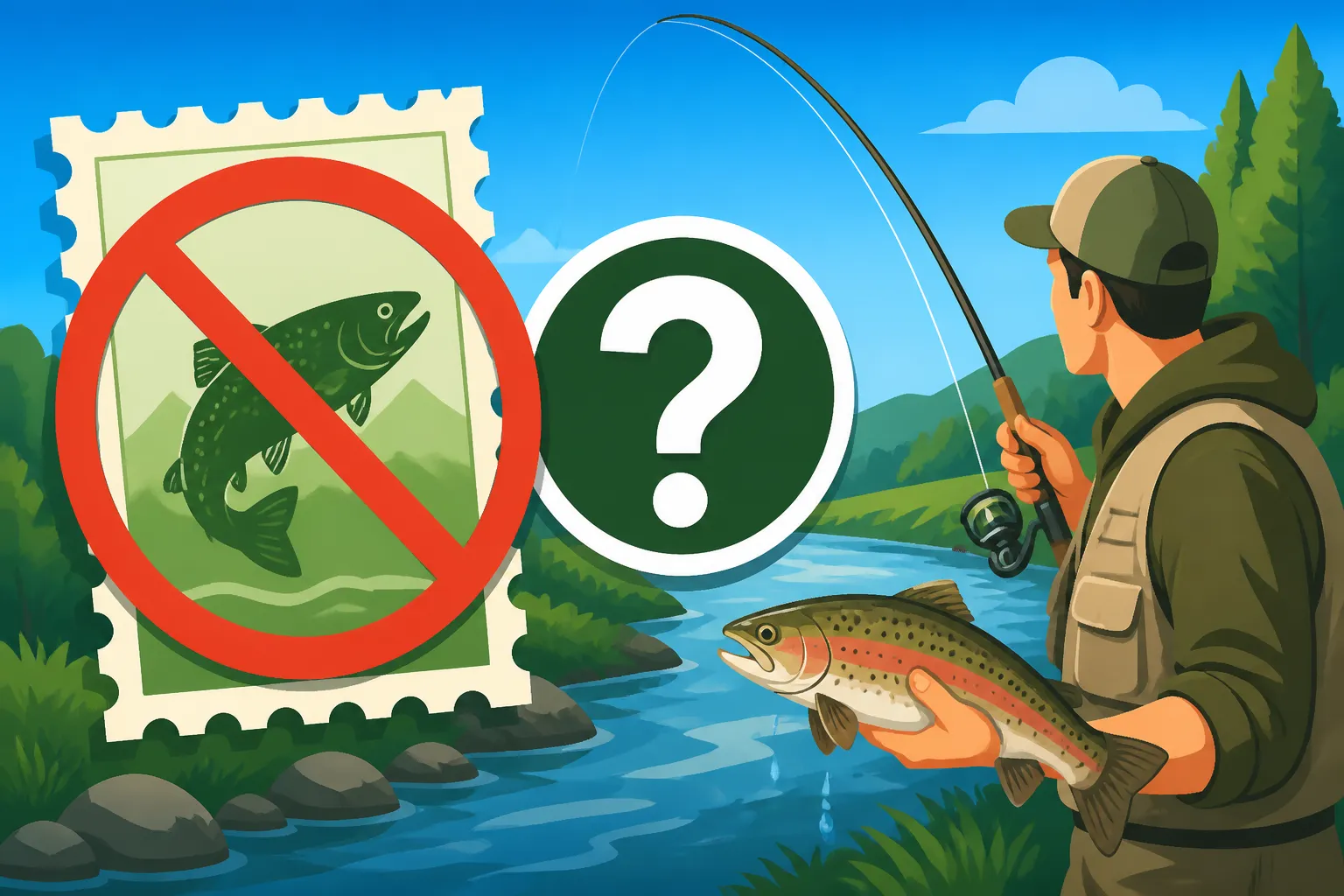
Let's cut right to the chase: yes, if you plan to fish for, catch, or keep trout in Kentucky, you absolutely need a Kentucky trout permit in addition to your valid statewide fishing license. This isn't just a suggestion; it's a firm regulation that helps fund the stocking and management programs that make trout fishing possible in our beautiful state. It's a specific endorsement for a specific type of fishery, ensuring that those who benefit directly contribute to its maintenance.
When the Trout Permit Becomes Essential
The key phrase here is "targeting trout." It’s not simply about whether a trout accidentally jumps on your line; it's about your intent and where you're fishing. If you're heading out with the specific goal of catching rainbow trout, brown trout, or any other trout species, especially in waters known for their trout populations, that permit is non-negotiable.
Consider a scenario: you're planning a trip to Hatchery Creek, below the Lake Cumberland dam, a renowned spot for catch-and-release trout fishing. Or maybe you're dreaming of pulling a hefty rainbow from the depths of Lake Cumberland itself. In these situations, your gear might include lighter lines, smaller lures or flies, and specific bait designed for trout. If this is your plan, you're targeting trout, and thus, the permit is unequivocally required. Even if you're just fishing for fun and plan to release every fish, the act of targeting them in designated trout waters means you need that permit. If, by some rare chance, you're fishing for bass in a warm-water pond, and a trout (perhaps an escapee from a nearby stream) latches on, the expectation is that you immediately release it unharmed. The rules are designed to be clear about intent, protecting the managed trout fisheries.
The Distinction Between a General Fishing License and a Trout Permit
It's crucial to understand that your standard Kentucky fishing license is the foundation upon which all other specialized fishing opportunities are built. Your general Kentucky Fishing License Guide allows you to fish for a vast array of species—largemouth bass, crappie, catfish, bluegill, and more—in most of Kentucky's public waters. Think of it as your general admission ticket to the vast aquatic playground that is Kentucky.
The trout permit, however, is an add-on to that general admission. It’s like buying a special pass for a specific exhibit or an extra ride at a theme park. It's an endorsement that grants you the privilege to pursue trout. You cannot simply buy a trout permit without first possessing a valid statewide fishing license. This is a common point of confusion, especially for new anglers or those visiting from out of state. The trout permit is not a standalone license; it’s an enhancement to your existing fishing privileges, specifically for trout. This is clearly outlined when you look at the Kentucky Fishing License Costs and Types, where the trout permit is always listed as an additional item.
Understanding Kentucky's Designated Trout Waters
Kentucky might not be the first state that comes to mind for trout fishing, but thanks to dedicated stocking programs and unique cold-water habitats, we have some fantastic opportunities. Knowing where these waters are, and why they require a trout permit, is key to being a responsible angler.
Stocked Streams and Tailwaters
Much of Kentucky's trout fishing success comes from our active stocking programs. The Kentucky Department of Fish and Wildlife Resources (KDFWR) regularly stocks various streams and tailwaters (the sections of rivers immediately below dams) with rainbow and sometimes brown trout. These waters are often specifically managed for trout, meaning they have the necessary cold-water habitat for these species to survive, if not always naturally reproduce.
Places like Hatchery Creek, below Wolf Creek Dam on Lake Cumberland, are prime examples. The cold water discharged from the dam creates an ideal environment for trout, making it a highly popular destination for anglers seeking these cold-water beauties. Other streams and rivers across the state receive regular trout stockings, turning them into designated trout waters. When you fish these specific, managed areas, the trout permit isn't just recommended; it's a legal requirement. These programs are often supported by the revenue generated from trout permit sales, directly linking your purchase to the availability of fish in these areas. You can often find details about specific stocking schedules and locations on the KDFWR website, which will invariably remind you of the Kentucky Trout Permit Guide rules.
Larger Lakes and Their Unique Trout Fisheries
While many trout streams are smaller, moving waters, Kentucky also boasts larger lake systems that offer incredible trout fishing experiences, most notably Lake Cumberland: Kentucky's Best All-Around Fishing Lake. Lake Cumberland, in particular, is famous for its deep, cold waters that maintain ideal temperatures for trout year-round. Here, you'll find thriving populations of rainbow and sometimes brown trout, making it a bucket-list destination for many anglers.
Even though Lake Cumberland is a massive body of water also popular for bass, crappie, and other warm-water species, if your goal is to drop a line for trout in its depths, that trout permit is a must. The KDFWR actively manages the trout population here, ensuring a robust fishery. So, while you might be able to fish for a variety of species in Lake Cumberland with just your general license, the moment you decide to pursue trout, the permit becomes essential. This is a key part of understanding Kentucky's Lake Cumberland Trout Season Explained and ensuring you're compliant. It's all about conserving and enhancing these specific fisheries, which are often fragile ecosystems requiring dedicated management.
How to Acquire Your Kentucky Trout Permit
Thankfully, getting your Kentucky trout permit is a straightforward process. The KDFWR has made it quite accessible, understanding that anglers want to spend more time fishing and less time grappling with bureaucracy. It integrates smoothly with your existing fishing license purchase or renewal.
The Simple Purchase Process
Adding a trout permit to your fishing privileges couldn't be easier. When you go to purchase your annual or short-term fishing license, whether online through the KDFWR's licensing portal, at a county clerk's office, or through an authorized vendor (like a local bait and tackle shop or a major sporting goods retailer), the trout permit will be presented as an optional add-on. It's usually a checkbox or an additional item you can select.
The cost for the trout permit is typically the same for both Kentucky residents and non-residents. This makes it fair for everyone who wishes to enjoy our trout waters. For example, if you're purchasing a Kentucky Resident Annual Fishing License Cost, you'll simply add the trout permit to that transaction. The process is designed to be seamless, ensuring you can quickly get back to planning your trip. Remember, the Trout Permit Price: Same $10.57 for Residents and Nonresidents is a separate fee, a small investment in a specialized fishing experience. It's truly a minor expense compared to the enjoyment you'll get from pursuing these beautiful fish.
Carrying Proof and Avoiding Penalties
Once you've secured your Kentucky fishing license and your accompanying trout permit, the next crucial step is ensuring you have proof of both with you whenever you're out fishing. Game wardens are diligent and will conduct license checks on the water, especially in designated trout streams and lakes. Whether you prefer a physical printed copy or a digital version saved on your smartphone, make sure it's readily accessible.
Carrying your license and permit isn't just about following the rules; it's about protecting yourself from unnecessary fines and citations. The Penalties for Fishing Without a License in Kentucky can range from monetary fines to confiscation of gear, and it's simply not worth the risk. Many anglers find it helpful to carry their license in a waterproof wallet or a small, clear pouch to protect it from the elements. You can often find these practical items on Amazon or at any outdoor retailer, which can be a real lifesaver when you're caught in an unexpected rain shower or accidentally drop your license near the water. Always be prepared, and you'll ensure a smooth and enjoyable day on the water, free from legal worries.
Common Questions and Misconceptions
Despite the clear regulations, there are still a few lingering questions and common misunderstandings about Kentucky's trout permit. Let's clear those up so you can fish with complete confidence.
"What if I accidentally catch a trout?"
This is probably one of the most frequently asked questions, and it's a valid concern for anglers who aren't specifically targeting trout but might be fishing in waters where trout are present. The answer goes back to the concept of "intent" and the immediate action you take.
If you are fishing for a different species (say, bass or crappie) in waters that are not designated as trout waters, and you accidentally hook a trout, you are generally not in violation of the permit rule, provided you immediately release the trout unharmed. The key is that you weren't intending to catch it, and you're not keeping it. However, if you're fishing in a designated trout stream or lake (like Hatchery Creek or Lake Cumberland), even if you claim you're fishing for something else, the expectation from game wardens is that if you're in trout water, you should have a trout permit. It's a nuanced distinction, but essentially, if you're in a known trout zone, the safest and most compliant approach is to have that permit if there's any chance you'll encounter one. This is also why understanding Why a Trout Permit Costs Extra on Top of Your Fishing License is so important—it's for the waters where trout are actively managed.
Trout Permit vs. Sportsman's License
For some dedicated Kentucky outdoors enthusiasts, navigating multiple permits and licenses can be cumbersome. This is where a bundled "Sportsman's License" can come in handy. Kentucky offers options like the Kentucky Senior Lifetime Sportsman's License Cost or an annual Sportsman's License that are designed to be comprehensive.
The great news is that many of these all-inclusive licenses do bundle the trout permit directly into their package. This means if you opt for one of these more extensive licenses, you won't need to purchase a separate trout permit. It's already included, providing a convenient one-stop solution for those who enjoy hunting, fishing, and trout angling throughout the year. Always double-check the specifics of the license you are purchasing, but generally, if it's marketed as a "Sportsman's License," it's designed to cover all the common bases, including trout. For example, the What's Included in the Senior Sportsman's License Bundle? article will show you that the trout permit is typically part of that fantastic deal.
To help clarify the various license types and how the trout permit fits in, here’s a quick overview:
| License Type | General Fishing License Required? | Trout Permit Required Separately? | Includes Trout Permit? | Best For |
|---|---|---|---|---|
| Kentucky Resident Annual | Yes | Yes (if targeting trout) | No | Regular angler who occasionally fishes for trout |
| Kentucky Nonresident Annual | Yes | Yes (if targeting trout) | No | Out-of-state angler making multiple trips, casual trout interest |
| Kentucky Resident 1-Day | Yes | Yes (if targeting trout) | No | Short, single-day trip with occasional trout interest |
| Kentucky Senior Annual Sportsman's | Yes | No | Yes | Senior residents who hunt and fish often, including trout |
| Kentucky Senior Lifetime Sportsman's | Yes | No | Yes | Lifetime option for avid senior anglers who do it all |
Understanding these distinctions will ensure you're always properly licensed for whatever angling adventure you embark on in Kentucky. Whether you're chasing bass on Kentucky Lake or fly-fishing for rainbows in a cold mountain stream, being prepared with the right paperwork is part of being a responsible and savvy angler. You can always get more information on How to Get a Fishing License in Kentucky or How to Add a Trout Permit to Your Kentucky Fishing License by visiting the KDFWR website or your local county clerk.
Disclaimer
This article is for general informational purposes only and does not constitute professional advice. Laws, prices and regulations vary by location and change over time. Consult a qualified professional for guidance on your specific situation.