Kentucky’s Lake Cumberland Trout Season Explained
It can be incredibly frustrating when you hear whispers of fantastic trout fishing in a place like Lake Cumberland, but then you're left scratching your head, wondering exactly when to go or what to do. This massive body of water holds incredible potential, but understanding its unique trout season and fishery can feel like a secret code. This guide is here to break down everything you need to know about targeting trout in Lake Cumberland, demystifying the seasonal patterns, stocking efforts, and key techniques so you can confidently plan your next trip and bring home some beautiful catches.
The Unique Appeal of Lake Cumberland's Trout Fishery
Lake Cumberland isn't just any lake; it's a true jewel in Kentucky's crown, offering some of the most diverse fishing opportunities in the state. But for trout anglers, it holds a special magic, primarily due to its deep, cold waters and the continuous cold-water discharge from a significant upstream source. If you've ever struggled to find consistent trout fishing outside of tiny mountain streams, Lake Cumberland offers a refreshing change with big water potential.
Why Lake Cumberland Holds Trout So Well
Unlike many lakes in Kentucky where trout simply can't survive the warm summer months, Lake Cumberland boasts unique characteristics that make it a year-round trout haven. The lake is incredibly deep, reaching depths of over 200 feet in some areas, which means it naturally maintains cooler temperatures in its lower strata. This thermal stratification is crucial; it creates a "cold water refuge" that trout absolutely need, even when the surface temperatures climb into the 80s during July and August. These deep, oxygen-rich zones are where the trout retreat, allowing them to thrive in an environment that would be inhospitable in shallower lakes.
Furthermore, the abundance of baitfish, such as threadfin and gizzard shad, provides a rich food source for growing trout. This isn't just about survival; it's about growth. The ample forage means trout in Lake Cumberland can pack on the pounds, often reaching impressive sizes that are rarely seen in smaller, stream-fed fisheries. It’s truly a special ecosystem that supports a robust trout population, making it a dream destination for anglers. Many even consider it to be Lake Cumberland: Kentucky's Best All-Around Fishing Lake, and a significant part of that reputation comes from its exceptional trout.
The Impact of the Wolf Creek Dam Tailwater
You can't talk about Lake Cumberland's trout fishery without discussing the Wolf Creek Dam. This isn't just a dam; it's the engine that drives the cold-water ecosystem for the Cumberland River below it, and crucially, for the lake itself. The dam's turbines draw water from the very bottom of Lake Cumberland, where temperatures remain consistently cold, often in the 50s. While this cold water primarily benefits the trophy trout fishery below the dam in the Cumberland River, it also ensures that the deeper sections of the lake remain sufficiently chilled.
The operation of the dam, with its periodic generation of power, creates a consistent flow of cold water that cycles through the lake's deeper zones, continuously refreshing the trout's habitat. This constant influx helps maintain the lake's thermal integrity, preventing the deep cold-water pockets from becoming stagnant or losing vital oxygen. It’s a dynamic interplay between natural depth and engineered water management that makes Lake Cumberland a reliable year-round trout fishery, something quite rare for a large southern reservoir.
Decoding Kentucky's Trout Seasons on Lake Cumberland
If you're under the impression that trout fishing is only a cold-weather sport, Lake Cumberland is here to prove you wrong! While certain times of the year definitely offer hotter action, the unique characteristics of this lake mean there are opportunities to catch trout pretty much any time you feel like wetting a line. It’s all about understanding where they go and how they behave as the seasons change.
Year-Round Opportunities for Trout Anglers
One of the greatest advantages of Lake Cumberland is its bona fide year-round trout fishery. You don't have to pack away your trout gear for half the year like you might on smaller, warmer waters. In the winter months, when surface temperatures are cold, trout are often found shallower, sometimes even within casting distance of the bank or around relatively accessible points. This is a fantastic time for anglers using both artificial lures and live bait, as the trout are actively feeding and less lethargic. You can certainly find some great action during Winter Trout Fishing at Kentucky's Lake Cumberland.
As spring arrives and the water begins to warm slightly, trout remain active, slowly starting their migration towards deeper, cooler water. Summertime fishing requires more specialized techniques, as the trout retreat to the deepest, coolest, and most oxygenated parts of the lake. This often means fishing suspended in the water column or near the thermocline (the layer where water temperature changes rapidly), typically requiring boats and good electronics to locate them. Fall sees the trout again becoming more active and potentially moving into shallower zones as the entire water column cools down. So, no matter the month, you can generally find a trout on Lake Cumberland if you know where to look.
Peak Seasons for Different Trout Species
While Lake Cumberland is primarily known for its rainbow trout, occasional brown trout stockings can add another layer of excitement. Understanding the peak seasons for these species can significantly improve your chances of success.
Rainbow trout, being the most frequently stocked and abundant, provide consistent action throughout the year. However, they are particularly active and accessible in the cooler months, from late fall through early spring. During this period, they often cruise shallower depths, making them easier targets for both boat and bank anglers. Many would agree that late fall into winter and then again in early spring is the Best Month to Catch Trout at Lake Cumberland Kentucky.
Brown trout, on the other hand, are often more elusive and grow to larger sizes. They tend to be more predatory and often require different tactics. While they can be caught year-round, serious brown trout anglers often focus on the cooler shoulder seasons – late fall and early spring – when these fish might be more aggressive and willing to chase larger baits or lures. Their natural wariness often means they prefer low light conditions or deeper structure. You might find yourself fishing similar patterns to bass in some respects, just deeper and with a colder water mindset. The Kentucky Department of Fish and Wildlife Resources (KDFWR) occasionally stocks brown trout to add to the diversity of the fishery, and knowing when and where these stockings occur can give you an edge.
Kentucky's Trout Stocking Program: Keeping the Waters Full
The incredible trout fishing in Lake Cumberland isn't solely a gift from Mother Nature; it's also a testament to the diligent efforts of the Kentucky Department of Fish and Wildlife Resources (KDFWR). Their stocking program is the backbone of this robust fishery, ensuring there are always plenty of trout for anglers to pursue. Without these regular infusions, a large warm-water lake like Cumberland simply couldn't sustain such a thriving trout population.
Rainbow Trout: The Mainstay of Lake Cumberland
When we talk about trout in Lake Cumberland, we're mostly talking about rainbow trout. These beautiful, hard-fighting fish are the bread and butter of the stocking program. The KDFWR regularly stocks hundreds of thousands of rainbow trout into Lake Cumberland annually, usually at various boat ramps and public access points around the lake. These stockings are not a one-time event; they occur throughout the year, with particular emphasis in the cooler months to give the fish the best chance to acclimate and spread out. Knowing What Trout Are Stocked at Lake Cumberland Each Season is important, and rainbows are consistently at the top of that list.
These stocked rainbows range in size, from smaller fingerlings that grow into catchable fish to larger "trophy" sized trout that provide immediate angling gratification. Because of the consistent stocking, you can almost always find rainbows, even if they've spread out across the vast lake. They adapt well to the varied forage, feeding on everything from insects to small baitfish. This dedication to stocking ensures that Lake Cumberland remains a premier destination for rainbow trout fishing, consistently delivering opportunities for anglers of all skill levels. You can check the KDFWR website for specific stocking dates and locations, which can be invaluable for planning your trip.
Occasional Brown Trout Stockings and Their Significance
While rainbow trout are the workhorses of the stocking program, brown trout make an appearance too, albeit less frequently. Brown trout are known for their evasive nature, impressive size potential, and aggressive feeding habits, making them a highly prized catch. When brown trout are stocked, they typically contribute to the "trophy" aspect of the fishery. These fish often grow larger than rainbows in the same environment and are notoriously challenging to catch, providing a thrilling pursuit for dedicated anglers.
The KDFWR strategically stocks brown trout to diversify the angling experience and offer a chance at a true leviathan. These stockings are often announced, so keeping an eye on official KDFWR communications can give you a heads-up. Catching a brown trout in Lake Cumberland is often considered a significant achievement, a testament to its elusive nature and fighting prowess. So, while rainbows offer consistent action, the occasional brown trout stocking keeps anglers dreaming of that next big catch. This stocking strategy is a key part of why many anglers ask, Does Kentucky's Lake Cumberland Stock Trout Year-Round? The answer, for rainbows, is generally yes, with browns being more sporadic but impactful.
Essential Gear and Techniques for Lake Cumberland Trout
Trout fishing in a massive reservoir like Lake Cumberland is a bit different from casting tiny flies into a mountain stream. You need to adjust your gear and techniques to effectively cover water and target fish that might be holding in deep, expansive areas. Don't worry, it's not overly complicated, but a few key considerations will make a huge difference in your success.
Rods, Reels, and Line Choices for Success
When fishing for trout on Lake Cumberland, finesse often wins, but you also need enough backbone to handle a decent fight, especially if you hook into one of those larger rainbows or an elusive brown. An ultralight or light action spinning rod, typically in the 6-foot to 7-foot range, paired with a small spinning reel (size 1000 or 2000) is a fantastic setup. This combination allows for sensitive bite detection and easy casting of lighter lures and baits.
For line, fluorocarbon is often preferred for its invisibility underwater and its low stretch, which enhances sensitivity. A 4 to 6-pound test fluorocarbon main line or a light braided line with a fluorocarbon leader is ideal. If you're going with braid, a 6 to 10-pound test braid tied to a 4 to 6-pound fluorocarbon leader provides excellent casting distance and strength while maintaining stealth. You can find excellent options for sensitive ultralight rods and high-quality fluorocarbon lines on Amazon, ensuring you have the right tools for the job. Having the right setup is a big part of what makes up the Best Trout Gear for Kentucky's Lake Cumberland.
| Gear Type | Recommendation | Key Features |
|---|---|---|
| Rod | Ultralight to Light Spinning Rod | 6-7 feet, sensitive tip, moderate to fast action |
| Reel | Size 1000-2000 Spinning Reel | Smooth drag, lightweight, good line capacity |
| Main Line | 4-6 lb Fluorocarbon / 6-10 lb Braid | Low visibility, sensitivity (fluorocarbon); Castability, strength (braid) |
| Leader | 4-6 lb Fluorocarbon | Stealth, abrasion resistance |
Baits and Lures That Get Bites
Trout in Lake Cumberland aren't overly picky, but certain presentations consistently outperform others. When it comes to bait, powerbait (especially in bright colors like chartreuse, orange, or rainbow glitter) is a perennial favorite. Mold it around a small treble hook, let it float a foot or two off the bottom with a small split shot, and you're in business. Live minnows, fished under a bobber or on a small jig head, can also be incredibly effective, especially for larger, more predatory trout. Nightcrawlers or small worms are also excellent natural bait choices.
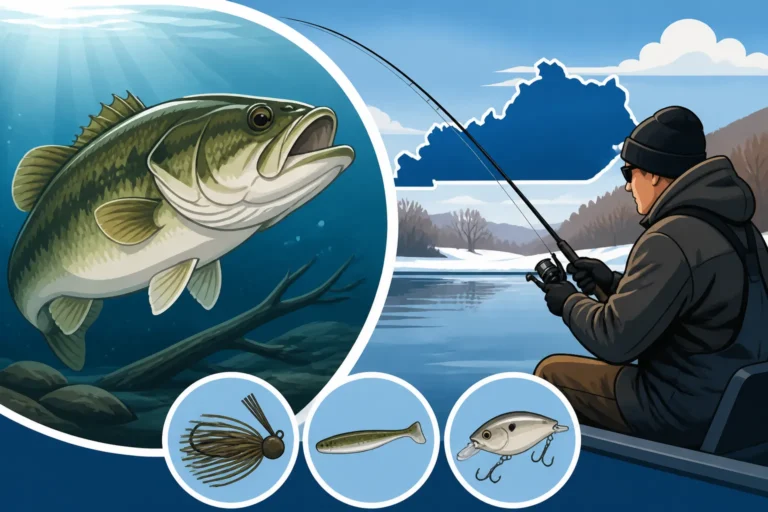
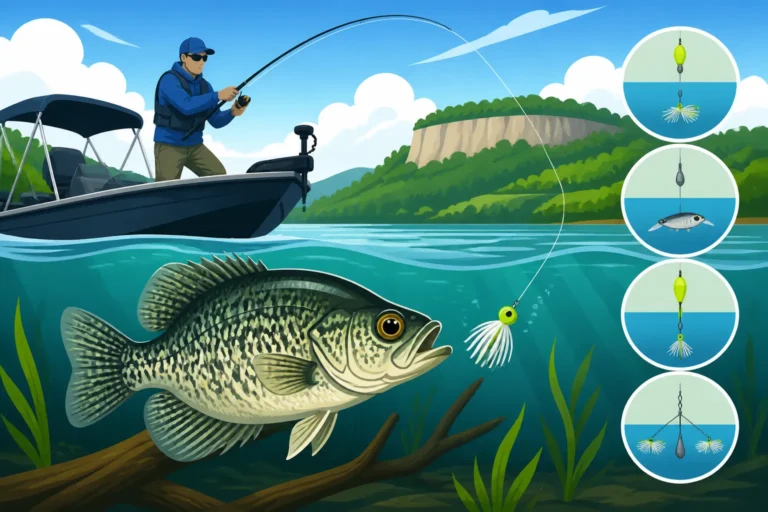
For lures, small inline spinners (like a Panther Martin or a Rooster Tail), tiny spoons (such as Kastmasters or Little Cleos), and small jerkbaits or crankbaits that imitate baitfish are all strong contenders. Jigging spoons can be deadly when trout are suspended deep, and small soft plastic baits on a jig head can also mimic forage perfectly. Vary your retrieve and experiment with different colors until you find what the fish are keying in on. Don't be afraid to try something new, and remember, a good variety of lures can be easily purchased from Amazon for your tackle box.
Techniques for Shore, Boat, and Tailwater Fishing
Lake Cumberland offers diverse fishing opportunities, whether you're casting from the bank, cruising in a boat, or even tackling the tailwater below the dam. Each scenario requires a slightly different approach.
For shore anglers, focus on areas with deeper water access, such as points, jetties, or public fishing piers. A slip bobber rig with powerbait or a minnow allows you to suspend your bait at various depths. Casting small spoons or spinners and retrieving them slowly can also cover water effectively. Always look for current breaks or areas where baitfish might congregate.
Boat fishing opens up the entire lake. Trolling with small crankbaits, spoons, or even live bait behind a planer board or downrigger is a highly effective way to cover vast expanses of water and find active fish, especially when they are suspended. Using your fish finder to locate schools of baitfish and any marks of larger fish is crucial. Once you find them, you can either continue trolling, drift live bait, or vertical jig with spoons or soft plastics directly below the boat. The KDFWR also provides maps of fish attractors that can be great spots to target.
While the primary focus is the lake itself, it’s worth noting that the tailwater immediately below Wolf Creek Dam, part of the Cumberland River, is a world-class trout fishery in its own right, known for huge browns. This requires a much different approach, often involving specialized wading gear and fly fishing techniques or heavier spin gear for battling river currents. If you're looking for more details on that, resources like Fly Fishing Techniques for Trout or Spin Fishing for Trout: Gear and Technique might be helpful.
Understanding Kentucky's Trout Regulations and Permits
Fishing for trout in Kentucky, especially on a managed fishery like Lake Cumberland, means you've got to play by the rules. These regulations aren't just there to make things complicated; they're vital for protecting the fishery, ensuring healthy fish populations, and guaranteeing that anglers can enjoy catching trout for years to come. Skipping this step could land you in hot water with a game warden, and nobody wants that!
The Importance of the Kentucky Trout Permit
First and foremost, if you're planning to fish for trout in Kentucky, you absolutely need a trout permit. This isn't just an optional add-on; it's a mandatory requirement in addition to your standard Kentucky fishing license if you intend to fish designated trout waters or harvest trout anywhere in the state. Many anglers forget this crucial detail, thinking their regular license covers everything. It doesn't, not for trout anyway.
The funds generated from the sale of these permits go directly back into the trout program, funding crucial stocking efforts, habitat improvements, and research that benefits the very fishery you're enjoying. So, think of it not just as a fee, but as an investment in the future of Kentucky's trout fishing. You can easily purchase your Kentucky Trout Permit Guide online through the KDFWR website, or at most bait and tackle shops, and often, you can simply How to Add a Trout Permit to Your Kentucky Fishing License when you buy or renew your annual fishing license. Make sure you have it in your possession, either physically or digitally, when you're on the water. Game wardens frequently check for these, especially in popular trout spots.
Size and Creel Limits Specific to Trout Waters
Beyond the permit, you also need to be aware of the specific size and creel (daily possession) limits for trout in Lake Cumberland. These limits can vary by water body and sometimes even by species, so it's critical to check the most current Kentucky Fishing and Boating Guide before each trip. Generally, for rainbow trout in Lake Cumberland, there's a statewide daily creel limit, but some special regulations might apply depending on specific areas or stocking intentions.
As of recent regulations, the statewide limit for trout is usually a combined total of five (5) trout per day, with no more than one (1) brown trout in that limit. There typically isn't a size limit on rainbow trout in Lake Cumberland, allowing anglers to keep fish of any size up to the creel limit. However, brown trout often have a minimum size limit to protect larger, spawning fish. Always double-check these numbers, as they can change annually based on biological surveys and management goals. Familiarizing yourself with these rules helps you not only stay legal but also contributes to the sustainable management of this valuable resource.
Maximizing Your Trout Fishing Success on Lake Cumberland
Alright, you've got your gear, your permit, and an understanding of the seasons and stockings. Now, let's talk about some real-world strategies to help you put more trout in the net on Lake Cumberland. It's about being observant, adapting to conditions, and knowing where to focus your efforts on such a vast body of water.
Reading the Water and Weather Conditions
Trout, like all fish, are highly sensitive to their environment. Paying attention to water conditions and weather patterns can give you a significant advantage.
- Water Temperature: This is paramount for trout. While they'll be deep in the summer, they'll move shallower when the surface cools. Knowing the approximate water temperature can help you estimate their depth. Look for temperature breaks or the thermocline if you have a good fish finder.
- Water Clarity: Clear water often means fish are warier, requiring lighter lines and more natural presentations. Stained or slightly turbid water can make trout more aggressive, allowing you to use brighter lures and heavier lines.
- Current: Even in a lake, there can be subtle currents, especially near the dam or where tributaries enter. Trout often position themselves in or near these currents to ambush prey.
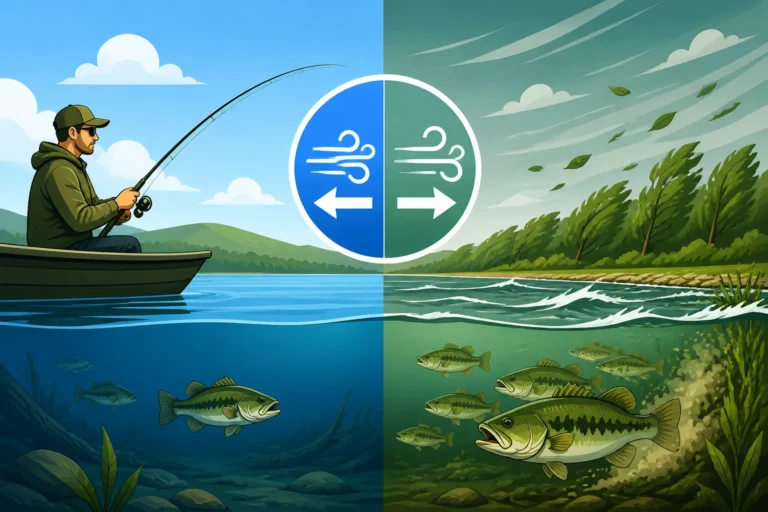
- Weather Fronts: Just like bass, trout can become sluggish before a cold front, then more active as it passes. Overcast days can be excellent as they reduce light penetration, making trout more comfortable in shallower water. Sunny, bluebird days often push them deeper or into shaded areas. Understanding How Weather Fronts Affect Fishing Times can certainly help.
Being flexible and adjusting your approach based on these factors throughout the day can dramatically increase your catch rate. Don't be afraid to change baits, depths, or even locations if what you're doing isn't producing results.
Finding the Best Fishing Spots
Lake Cumberland is enormous, so trying to fish every inch is a recipe for frustration. Instead, focus on high-probability areas where trout are most likely to congregate.
- Dam Area and Tailwater Influence: The area immediately near Wolf Creek Dam is a hotspot due to the cold-water discharge. Even within the main lake, the deep channels leading towards the dam will hold cooler water and baitfish. This makes it a prime area for trout.
- Deep River Channels and Creek Beds: Lake Cumberland was formed by damming the Cumberland River, so there are old river channels and creek beds running along the bottom. These deeper structures act as highways and holding areas for trout, especially in warmer months. Use your electronics to find these submerged features.
- Points and Humps: Any underwater point or hump that rises from deeper water can be a magnet for baitfish, and therefore, for trout. These structural elements create ambush points and offer varying depths for trout to utilize.
- Public Access Points and Stocking Sites: Especially after a recent stocking, trout tend to hang around the areas where they were introduced before dispersing. Check the KDFWR stocking schedule and target these spots. Boat ramps like Jamestown Marina, Wolf Creek Marina, or Conley Bottom Resort often have good deep-water access for bank anglers or serve as starting points for boaters. For more detailed locations, you might want to look into Lake Cumberland's Best Trout Fishing Spots in Kentucky.
- Fish Attractors and Brush Piles: The KDFWR often places fish attractors, such as sunken brush piles or stake beds, to concentrate fish. While primarily for bass and crappie, trout will often use these structures, especially if they are in deeper, cooler water. Consult the KDFWR lake maps for their locations.
By combining your knowledge of seasonal trout behavior with these geographical hot spots, you'll greatly improve your chances of a successful and memorable trout fishing experience on Lake Cumberland.
Disclaimer
Fishing regulations, stocking schedules, and local conditions can change. Always consult the latest Kentucky Department of Fish and Wildlife Resources (KDFWR) regulations before heading out on the water. This guide is for informational purposes only and should not be considered a substitute for official KDFWR publications.