Where to Find Bowfin in Kentucky’s Backwaters
When you're out on the water in Kentucky, you might be dreaming of pulling in a trophy bass or a slab crappie, but sometimes you hook into something truly primal, something that looks like it swam straight out of the dinosaur age. That's often a bowfin, a powerful, unique fish that’s completely misunderstood by many anglers. If you're tired of guessing where these elusive creatures hide and want to learn how to actively target them, this guide will dive deep into their preferred backwater havens across Kentucky, helping you demystify this incredible species.
Understanding the Bowfin: Kentucky's Ancient Predator
The bowfin, often called a "dogfish" by locals, is a fish that truly stands apart from the typical game fish in Kentucky's waters. It's a living fossil, an ancient species that has changed very little over millions of years. This isn't just another run-of-the-mill catch; it's a piece of natural history on the end of your line, and understanding its unique characteristics is the first step to finding where they lurk.
What Makes a Bowfin Unique?
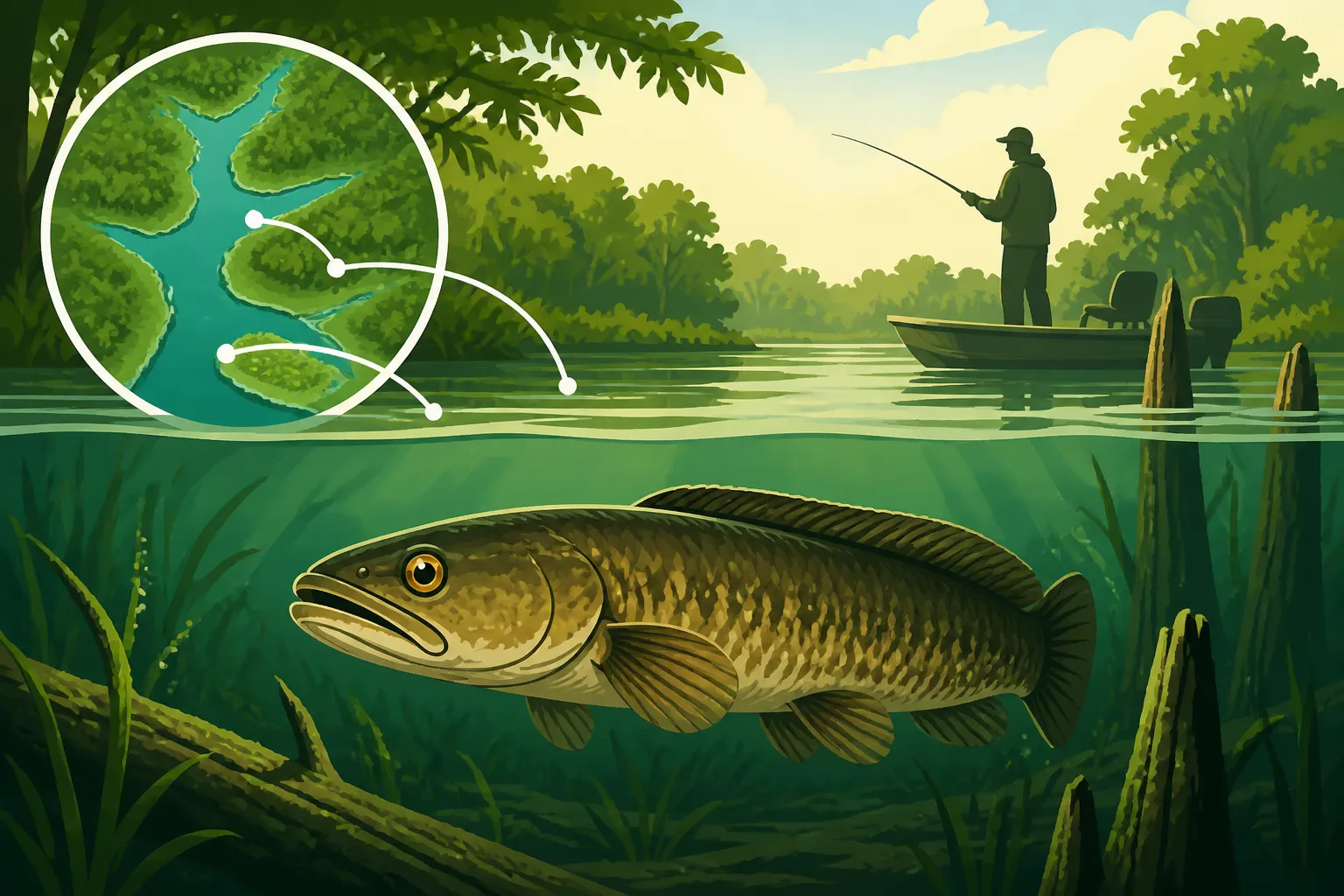
Bowfin are easily identified once you know what to look for, but they can be mistaken for other species at first glance, especially the various types of gar or even snakeheads in regions where those are present. Their most striking features include a long, cylindrical body, a hard, bony head, and a distinctive long dorsal fin that runs almost the entire length of their back, often appearing to undulate as they swim. They possess a large mouth full of sharp teeth and a tough, powerful jaw. On their tail fin, adult males typically have a prominent black spot with an orange or yellow halo, which is a key identification mark. You'll find their scales are quite tough, almost armor-like, which adds to their ancient appearance.
What truly sets the bowfin apart, however, is its air-breathing capability. Unlike most fish that rely solely on gills, bowfin have a primitive lung-like gas bladder that allows them to gulp air from the surface, especially in oxygen-depleted waters. This adaptation is crucial to their survival in the shallow, stagnant, and often hot backwaters where other fish might struggle to breathe. This behavior is a tell-tale sign that bowfin are in the area – if you see fish regularly gulping air, especially during hot summer days, there's a good chance you're in prime bowfin territory. Their tenacity and brute strength, coupled with this unique physiology, make them an incredibly robust and resilient species.
Why Anglers Seek Out Bowfin
For many years, the bowfin was largely considered a "trash fish" by anglers, often caught incidentally and dismissed. However, that perception has thankfully begun to shift, and a growing number of passionate anglers are now actively targeting bowfin for several excellent reasons. The primary draw is their incredible fighting ability. Once hooked, a bowfin puts up a ferocious, no-holds-barred battle. They are known for powerful runs, violent head shakes, and even aerial acrobatics, all designed to throw the hook. They are pure muscle, and battling one feels like wrestling a bulldog underwater. Many anglers agree that a bowfin, pound for pound, is one of the hardest-fighting freshwater fish you can encounter.
Beyond the fight, there's the sheer challenge of finding and catching them. They prefer dense, difficult-to-access habitats, requiring stealth and specific techniques. Successfully locating and enticing a bowfin to bite feels like a true accomplishment, a testament to an angler's skill and persistence. Plus, there's the undeniable cool factor of catching a fish that looks like it could have lived alongside dinosaurs. It’s an opportunity to connect with a unique part of the aquatic ecosystem, appreciating a creature that has defied evolutionary odds. If you're looking to expand your angling horizons beyond bass and crappie, actively pursuing bowfin offers a truly rewarding and unforgettable experience. Kentucky Fish Species Guide: 265 Types You Can Catch can provide more details on all the species that call our waters home, but few compare to the bowfin's distinctiveness.
Where Bowfin Call Home: Key Kentucky Backwater Habitats
To find bowfin, you have to think like a bowfin. These fish aren't cruising open waters or hanging out around deep rock structures. They are creatures of the dense, overgrown, and often overlooked parts of our waterways. Their habitat preferences are very specific, driven by their unique biology and hunting style.
Characteristics of Prime Bowfin Habitat
Bowfin thrive in environments that would make most other game fish turn tail and swim away. They prefer shallow, heavily vegetated areas with slow-moving or stagnant water. Think about those parts of a lake or river that are choked with lily pads, cattails, hydrilla, and thick patches of submerged weeds. These aren't just hiding spots; they are critical ambush points for bowfin, allowing them to lurk unseen before launching explosive attacks on unsuspecting prey. The denser the cover, the better.
Beyond vegetation, look for areas with muddy or silty bottoms. These soft substrates often hold a rich supply of prey like frogs, crayfish, and smaller baitfish that bowfin eagerly consume. Oxbow lakes, sloughs, abandoned river channels, and floodplains that periodically connect to larger bodies of water are classic bowfin strongholds. These areas often experience fluctuations in water levels and oxygen content, making the bowfin's air-breathing capability a huge advantage. These are typically places that boats struggle to access, or that anglers simply bypass in favor of "prettier" fishing grounds. This is where a kayak or even bank fishing can really shine.
Specific Kentucky Backwater Examples
Kentucky is blessed with an abundance of waterways that offer ideal bowfin habitat. The most prominent areas are often associated with the mighty Ohio River and its numerous tributaries. Along the Ohio, you'll find countless oxbows, backwater lakes, and flooded marshy areas that are perfect bowfin sanctuaries. Places like the backwaters around Paducah, up through Louisville, and even pockets near Cincinnati, can hold impressive populations. These are often forgotten corners, but if you do some exploring on satellite maps, you can identify old river channels or flood-prone fields that hold water year-round and are largely undisturbed. Longnose Gar Fishing on the Ohio River describes another ancient predator found in similar river systems.
Beyond the Ohio River, many of Kentucky's larger reservoirs and state parks also have neglected backwater coves and marshy fringes that are worth exploring. Think of the upper ends of major lakes like Kentucky Lake or Lake Barkley, where river systems feed in, creating expansive shallow flats and flooded timber. However, don't overlook smaller, often unnamed ponds, drainage ditches, and isolated pockets of water in rural areas, especially after heavy rains have connected them to larger systems. These ephemeral waters can be temporary havens for bowfin until conditions change again. The key is to look for areas that are difficult to access, overgrown, and often overlooked by others.
The Art of Finding Bowfin in Dense Cover
Catching a bowfin isn't just about showing up at the right backwater; it's about understanding their behavior, using the right gear, and employing specific techniques to entice them out of their dense hideouts. They are aggressive eaters, but their habitat demands a thoughtful approach.
Best Times and Conditions for Bowfin
Bowfin are generally more active in warmer water, making late spring through early fall the prime seasons for targeting them in Kentucky. They particularly love hot, sunny days when the water in their shallow backwaters warms up significantly. This warmth often reduces dissolved oxygen, prompting them to gulp air more frequently, which can betray their presence. However, don't overlook low-light conditions like dawn, dusk, or even cloudy days, as these can also be excellent times to find them actively hunting. A light rain, especially a warm one, can also trigger a feeding frenzy, as it stirs up baitfish and other prey in the shallows.
After a significant rain event, when low-lying areas might be flooded, bowfin will often move into these newly accessible zones to hunt for frogs, insects, and other creatures washed in by the high water. Pay close attention to areas where flooded fields meet dense cover – these transition zones are often hotspots. During cooler months, bowfin will become less active but can still be caught, often by presenting baits more slowly near deeper pockets within their preferred backwater habitats. Unlike some fish that become incredibly sluggish, their hardy nature means they're still around, just a bit more reserved.
Gear and Techniques for Targeting Bowfin
When it comes to tackle for bowfin, "heavy-duty" is the name of the game. These fish fight hard and have a bony mouth, so flimsy gear won't cut it. You'll want a medium-heavy to heavy action rod, around 6'6" to 7'6" long, paired with a stout baitcasting or spinning reel capable of holding at least 30-50 lb braided line. Braided line is crucial because it offers superior strength, sensitivity, and resistance to abrasion from all the heavy cover you'll be fishing around. You can find excellent options for such setups on Amazon, which often features bundles or individual components to build a robust fishing arsenal. A strong leader of 20-30 lb fluorocarbon or even a bite wire can be beneficial, as their teeth are sharp.
For baits and lures, bowfin are not particularly picky, but live bait often reigns supreme. Large shiners, creek chubs, small sunfish, or even sturdy frogs are irresistible to them. Present these under a bobber or on a weedless rig, allowing them to swim naturally in the cover. When it comes to artificial lures, think loud and proud. Spinnerbaits with large thumping blades, chatterbaits, and weedless soft plastics like paddle tail swimbaits or Texas-rigged worms can be highly effective. Color doesn't seem to be as critical as action and vibration in these murky, vegetated waters. Cast these lures directly into the densest cover, along weed lines, and into any open pockets you can find. Don't be afraid to make a little noise; these fish are aggressive. Best Rods and Reels for Kentucky Fishing can help you select the right equipment.
Another effective technique involves using topwater lures, especially frog imitations or walking baits, particularly during low-light hours or in extremely dense lily pad fields. The explosive strike of a bowfin on a topwater lure is truly exhilarating and unforgettable. Remember to use extra strong hooks, as their bony mouths can bend weaker ones. When you get a bite, set the hook hard and keep constant pressure, as they will try to wrap you in the weeds or throw the hook with violent head shakes. This is not a finesse game; it's a brute-force battle, and you need to be prepared. For bank fishing, a long-handled net is invaluable for landing these powerful fish, or if fishing from a kayak, ensure you have a sturdy landing solution and possibly a kayak specific life jacket from Amazon.
Responsible Bowfin Fishing and Conservation
While bowfin might not be the poster child for Kentucky game fish, they are an integral part of the ecosystem. Practicing responsible angling is crucial to ensuring these ancient predators continue to thrive in our backwaters for future generations. Respecting the fish and their habitat is paramount.
Handling and Releasing Bowfin
Bowfin are incredibly tough fish, but their unique anatomy and aggressive nature require specific handling techniques for both angler safety and the fish's well-being. Their strong, toothy jaws mean you should never lip a bowfin like a bass. Instead, a strong pair of fishing pliers to remove the hook is essential, and often a robust landing net or a fish gripper is needed to control them. If you plan to take pictures, hold them firmly by the body, supporting their weight, especially if they are large. Their dorsal fin, while soft-rayed, can be slippery, so a good grip is necessary.
When it comes to hook removal, be patient. Bowfin often swallow baits deeply due to their aggressive strikes. If the hook is too deep, consider cutting the line as close to the hook as possible rather than tearing at the fish's gills or stomach. They have a remarkable ability to recover. After a strong fight, ensure the fish is revived before releasing it. Hold it gently in the water, facing into any current if present, until it can swim away under its own power. Minimizing air exposure is always best. A pair of gloves, easily found on Amazon, can also offer extra protection from their teeth and gill plates.
Respecting Their Habitat
The backwater habitats that bowfin call home are often fragile and easily disturbed. When exploring these areas, whether by boat, kayak, or on foot, always practice "Leave No Trace" principles. This means packing out everything you pack in, including all fishing line, bait containers, and trash. Avoid disrupting the dense vegetation unnecessarily; try to navigate around it rather than plowing through, which can damage critical fish habitat. If you're using a boat, consider using a trolling motor to quietly navigate shallow, weedy areas instead of a loud outboard, which can spook fish and disturb delicate ecosystems. How to Fish From a Boat Without Spooking Fish offers more tips for stealthy approaches.
Many of these backwaters are remote and less frequently visited, which is precisely why they're perfect for bowfin. Let's keep them that way. Be mindful of wildlife, avoid excessive noise, and always be aware of local regulations regarding fishing and access. By being thoughtful stewards of these unique environments, we ensure that the thrilling experience of catching a prehistoric bowfin remains available for all who seek it.
Disclaimer
This article is for general informational purposes only and does not constitute professional advice. Laws, prices and regulations vary by location and change over time. Consult a qualified professional for guidance on your specific situation.