Bluegill Fishing Tips for Beginners
Ever felt like fishing is some exclusive club, full of complicated knots, expensive gear, and secret spots? It’s a common feeling, especially for folks just starting out, but I'm here to tell you that catching fish doesn't have to be complicated or expensive, especially when you start with bluegill. This guide will walk absolute beginners through everything you need to know to enjoy successful bluegill fishing in Kentucky, proving that anyone can experience the simple joy of a tug on the line.
The Allure of Bluegill: Why They're Perfect for New Anglers
Let's be honest, when you're starting out, you want to catch something. Anything! And that's where bluegill shine. They are one of Kentucky's most abundant and cooperative fish species, making them the ultimate confidence booster for new anglers, kids, and even seasoned pros looking for a relaxing day on the water.
Bluegill's Beginner-Friendly Nature
Bluegill are just plain eager to bite. Unlike some other fish that require finesse, specific lures, or perfect conditions, bluegill are often quite aggressive, especially when they're hungry. This means you don't have to be an expert caster or have a deep understanding of fish behavior to get a bite. They're also relatively small, making them easy to handle, but they put up a surprisingly feisty fight for their size, which is incredibly fun on light tackle. Imagine the excitement of a child feeling that first strong tug on their line – that's the magic of bluegill. They're accessible, forgiving, and offer immediate gratification, which is key to fostering a lifelong love of fishing. It's truly a Kid-Friendly Fish to Catch in Kentucky and a fantastic way to introduce someone to the sport.
Another fantastic aspect of bluegill is their wide distribution. You don't need a fancy bass boat or access to huge, deep reservoirs to find them. They thrive in virtually every pond, lake, and slow-moving creek across Kentucky. This accessibility means you can often find great bluegill fishing spots close to home, cutting down on travel time and making spontaneous fishing trips a reality. Whether it's a small farm pond, a state park lake, or a quiet backwater slough on a bigger river, chances are, bluegill are there, just waiting for your bait. Their adaptability is truly remarkable, making them a consistent target for any angler.
Where to Find Bluegill in Kentucky
Bluegill absolutely love shallow, warm waters with plenty of cover. Think about areas with submerged vegetation like lily pads, cattails, or dense grass beds. They'll also congregate around fallen trees, brush piles, docks, and even rocky shorelines. These areas provide both food and protection from larger predators. In Kentucky, you'll find them practically everywhere. Small public ponds, often stocked by the state, are prime locations for beginners. Larger lakes like Taylorsville Lake, Barren River Lake, or even the calmer coves of Kentucky Lake and Lake Barkley will hold plenty of bluegill. Even smaller municipal lakes near cities like Louisville or Lexington often have designated fishing areas teeming with these panfish.
When you arrive at a potential spot, take a moment to observe the water. Look for signs of activity, like ripples near lily pads or shadows under a dock. In spring, especially when the water warms up, bluegill will move into very shallow water to create their spawning beds – circular depressions on the bottom, often visible from shore. These beds are usually clustered together, making for some incredible, fast-paced action. Finding these "beds" is one of the Best Bait for Bluegill in Kentucky Ponds secrets. During the hotter summer months, they might move slightly deeper but will still be near cover. During the cooler parts of the day, like early morning or late evening, they might venture out from cover to feed more actively.
Essential Gear and Bait: Keeping It Simple
One of the greatest things about bluegill fishing for beginners is that you don't need to break the bank on high-end equipment. Simple, inexpensive gear will get the job done and allow you to focus on the fun of fishing. Resist the urge to buy everything you see in a tackle shop; for bluegill, less is definitely more.
Rods, Reels, and Line for Starters
For bluegill, an ultralight spinning rod and reel combo is practically perfect. These rods are typically shorter and very flexible, making even a small bluegill feel like a trophy fish. A 5 to 6-foot ultralight rod paired with a small spinning reel (size 1000 or 2000) will be ideal. You can find excellent beginner combos at very reasonable prices at most sporting goods stores or even online on Amazon. They're designed to be easy to cast and handle, which is a huge plus when you're still learning the ropes. Don't worry about casting distance; bluegill are often close to shore.
When it comes to fishing line, a light monofilament line, around 4 to 6-pound test, is more than sufficient. This lighter line is less visible to the fish and allows for longer, smoother casts with small baits. It also ties knots easily, which is a huge benefit for new anglers learning the ropes. While some folks might opt for braided line, monofilament is generally more forgiving and user-friendly for beginners. Remember, the goal here is simplicity and ease of use, so a basic spinning setup with light monofilament is your best friend. This setup also works great for other panfish, making it a versatile Best Rod and Reel Combo for Beginners.
Hooks, Weights, and Bobbers
Now, let's talk terminal tackle – the business end of your fishing line. For bluegill, tiny hooks are key. Look for small, long-shank hooks, usually size 8 or 10. The long shank makes them easier to remove from the bluegill's small mouth, which is a blessing when you're trying to quickly unhook and release a fish (or put it in the cooler!). Small split shot weights are also essential. These crimp onto your line a few inches above the hook, adding just enough weight to cast your bait and sink it down to where the fish are. You don't need much weight for bluegill; a single small split shot is usually plenty.
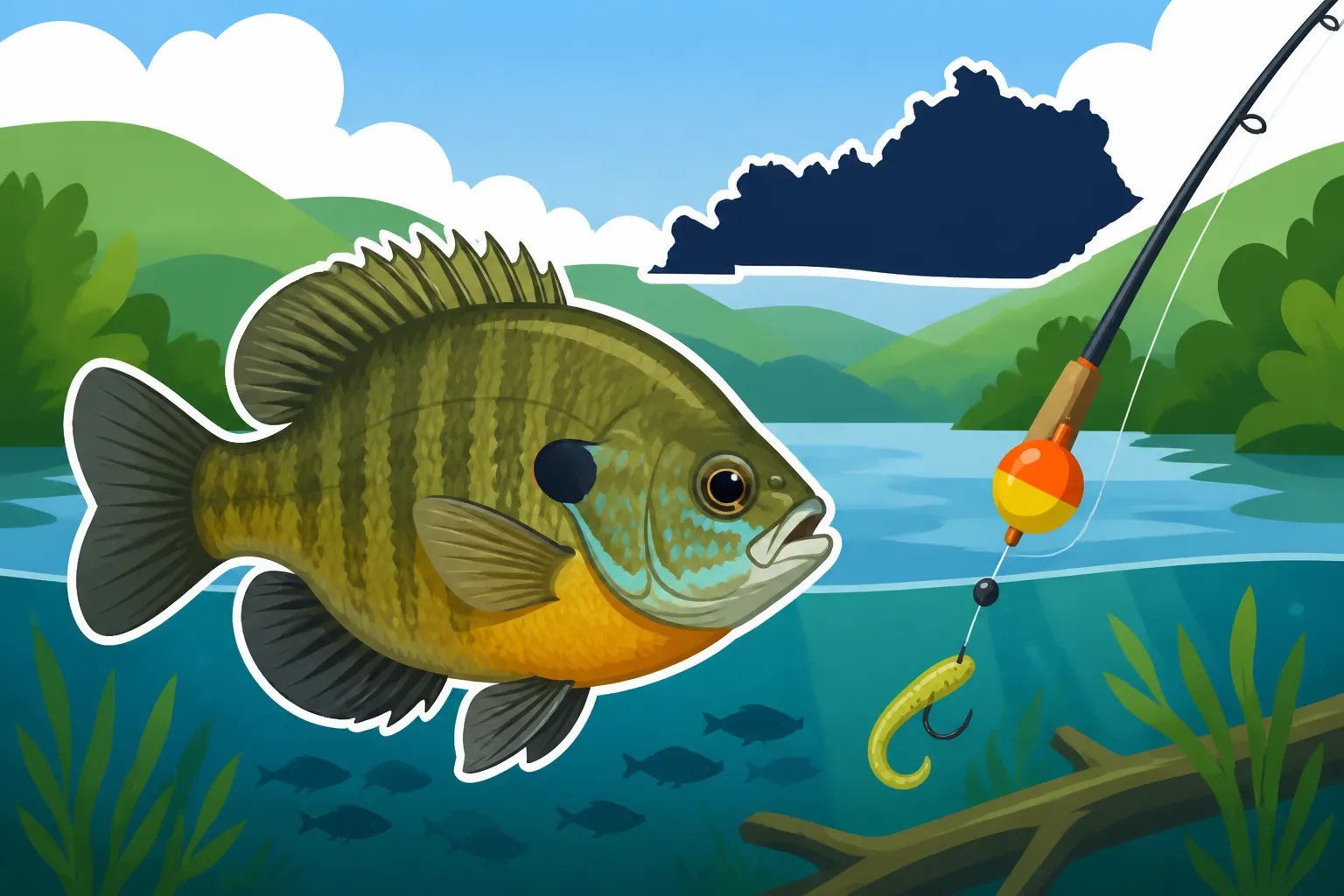
And finally, the classic bluegill indicator: the bobber! A small, brightly colored bobber (like a red and white plastic one) is perfect. It serves two main purposes: it keeps your bait suspended at a certain depth, and it acts as a visual strike indicator. When that bobber twitches, dips, or darts sideways, you know a bluegill is investigating or has taken your bait. There are fixed bobbers and slip bobbers; for absolute beginners, a fixed bobber that clips directly onto your line is simplest. Learning How to Rig a Bobber for Bluegill Fishing is a fundamental skill that will serve you well. You can pick up a variety pack of these essentials on Amazon, ensuring you have everything you need for multiple trips.
The Best Bait for Bluegill
Bluegill are opportunistic feeders, which means they'll eat a wide variety of things, but some baits are definitely more effective than others. For live bait, nothing beats a good old nightcrawler or a small piece of a worm. You can buy these at any bait shop, dig them up in your backyard, or find them online. Crickets are another bluegill magnet, especially during the warmer months. Minnows, though effective for larger panfish, are generally too big for bluegill mouths unless you're targeting truly monster bluegill. Keep it small and natural.
| Bait Type | Pros | Cons | Best Uses |
|---|---|---|---|
| Worms | Universally effective, easy to find, cheap | Can be messy, smaller pieces needed | All seasons, especially effective after rain |
| Crickets | Irresistible to bluegill, clean | Can be harder to keep alive, jumpy | Warmer months, topwater action |
| Corn | Easy to use, clean, affordable | Less natural, might attract other fish | Slow bites, when worms aren't working |
| Small Jigs | Reusable, variety of colors | Requires active retrieval, more technique | Active fish, when fish are deeper |
| Bread Balls | Very cheap, easy to make | Falls off hook easily, dissolves quickly | Quick bank fishing, very aggressive fish |
Artificial baits can also work, especially small jigs (1/32 to 1/16 ounce) tipped with tiny plastic grubs or pieces of soft plastic. Colors like chartreuse, white, or black often work well. The beauty of bluegill is that they're not picky, so experimenting with a few different baits can be part of the fun. Just make sure whatever you're using is small enough for their mouths. A small piece of hot dog or even corn can also work in a pinch if you're out of live bait. Don't be afraid to try some of these Best Live Bait for Beginner Anglers options.
Mastering the Basics: Simple Techniques That Catch Fish
Fishing for bluegill is all about understanding their natural tendencies and presenting your bait in a way that makes it irresistible. The techniques are straightforward, making them perfect for building confidence and getting those first exciting catches.
The Classic Bobber Set-Up
This is the quintessential bluegill fishing method, and for good reason: it’s incredibly effective and easy to learn. First, attach your small fixed bobber to your line, usually about 1 to 3 feet above your hook. The exact depth will depend on how deep the bluegill are holding. If you see them nipping at the surface, you'll want a shallower set. If the water is a few feet deep and there's structure, you might go deeper. Next, crimp one or two small split shot weights onto your line, a few inches above your hook. This helps your bait sink and keeps it from drifting too far. Finally, bait your small hook with a piece of worm, a cricket, or a small artificial.
Once your rig is set, gently cast it out near some likely bluegill cover – a patch of lily pads, a submerged log, or the edge of a dock. Let your bait settle. The bobber will sit on the surface, keeping your bait suspended. Now, it's a waiting game. Watch the bobber carefully. Any movement – a twitch, a dip, or a slow pull – indicates a fish is interested. If the bobber goes completely under or starts moving sideways, it’s time to set the hook! This simple method teaches you patience, observation, and the thrill of a visual strike, laying a solid foundation for future fishing adventures.
Casting and Retrieving
For beginner bluegill fishing, casting doesn't need to be a long-distance endeavor. Most bluegill are caught fairly close to the bank, especially in smaller ponds or the coves of larger lakes. If you're using a spinning rod, practice an easy overhand cast. Hold the rod, open the bail on your spinning reel, and use your index finger to hold the line against the rod. Gently swing the rod back over your shoulder, then forward, releasing your finger as the rod comes forward to send your bait flying. Aim for those areas with cover. Don't worry about perfection; practice makes perfect, and bluegill won't judge your casting form.
Once your bait is in the water, especially if you're not using a bobber and are instead fishing a small jig, a slow, steady retrieve is usually best. Bluegill aren't typically chasing down fast-moving lures. A retrieve that mimics a slow-moving insect or a wandering worm is often irresistible. You might try a slow, steady crank, or a "lift and drop" technique where you gently raise your rod tip, then lower it, reeling in the slack. The key is to keep your bait in the strike zone (where the fish are) for as long as possible. If you're using live bait under a bobber, you might not even need to retrieve; just let the bait sit and do its work.
Setting the Hook and Landing Your Catch
When you see that bobber disappear or feel a gentle tap-tap-tug on your line, it's time to set the hook! For bluegill, you don't need a massive, arm-jerking hookset. A firm, upward sweep of the rod tip is usually all it takes to embed that small hook securely in the fish's mouth. Don't yank too hard, or you might pull the hook right out or even break your light line. It's more of a smooth, confident motion.
Once the hook is set, you'll feel the bluegill fighting on the end of your line. Keep steady pressure on the fish and reel it in. Your ultralight rod will bend nicely, absorbing the fish's struggles. If it's a particularly feisty one, the drag on your reel will kick in, allowing line to slip out to prevent a break. Don't try to horse the fish in; let the rod and reel do the work. Gently guide the fish to you, and when it's close enough, grab it carefully by the body (avoiding any sharp fins). Unhook your catch quickly and decide whether to release it or add it to your stringer for a future fish fry. Landing your first fish, even a small bluegill, is a moment of pure triumph and a core part of the Easy Bluegill Fishing Tips for Beginners experience.
Beyond the Basics: Etiquette, Regulations, and Enjoying the Experience
Fishing isn't just about catching fish; it's also about respecting the environment, fellow anglers, and the rules of the game. Understanding these aspects will make your bluegill fishing trips even more enjoyable and sustainable.
Understanding Kentucky Regulations
Before you even wet a line, it's crucial to understand Kentucky's fishing regulations. While bluegill are generally quite abundant, there are still rules in place to ensure healthy fish populations for everyone. You will almost certainly need a Kentucky Fishing License Guide. For most public waters, anyone over the age of 16 needs a valid fishing license. Children under 16 generally don't need a license, making it even easier to get them started. Always check the current regulations from the Kentucky Department of Fish and Wildlife Resources (KDFWR) for specifics on daily limits and any potential size restrictions, though bluegill usually have very liberal limits or none at all. Remember that fishing a License-Required Waters Versus Private Ponds can have different implications for rules.
Regulations can vary slightly by specific body of water, so it's a good habit to quickly look up the rules for the lake or pond you plan to visit. This might include special rules for particular species or even specific gear restrictions. Knowing the rules not only keeps you on the right side of the law but also helps preserve the fishery for future generations. It’s about being a responsible angler, and it’s an important lesson to learn early on.
Catch and Release vs. Keeping Your Catch
Bluegill are delicious panfish, and many anglers enjoy keeping a mess of them for a fresh meal. They fry up wonderfully, and there's a real satisfaction in eating fish you've caught yourself. If you plan to keep your bluegill, bring a stringer or a cooler with ice to keep them fresh. However, practicing catch and release is also a valuable skill, especially if you're just fishing for sport or if you want to ensure the population remains strong.
If you're releasing fish, try to handle them as little as possible. Wet your hands before touching them to protect their protective slime coat. Remove the hook quickly and gently. If the fish is "gut-hooked" (meaning it swallowed the hook deeply), it's often best to cut the line as close to the hook as possible rather than trying to dig it out, which can cause more harm. Observe the fish for a moment to ensure it swims away strongly. This mindful approach to fishing is part of the tradition and helps maintain those vibrant Kentucky fishing spots we all cherish.
Making It a Family Affair
Bluegill fishing is perhaps the ultimate family-friendly outdoor activity. Its simplicity and high success rate make it perfect for introducing kids to the joys of nature and the thrill of the catch. Imagine spending a sunny afternoon by the water, teaching your child to cast, bait a hook, and feel that first nibble. These are the moments that create lasting memories. Pack a picnic, bring some drinks, and make it an adventure. Don't worry too much about catching the biggest fish; focus on the experience, the shared laughter, and the peace of being outdoors.
Even if you're fishing solo, bluegill provides a wonderful opportunity for relaxation and mindfulness. It's a chance to unplug, enjoy the quiet, and simply exist in the moment. The gentle rhythm of casting and retrieving, the anticipation of a bite, and the connection to nature are all part of the therapy that fishing offers. So grab some basic gear, a handful of worms, and head to your nearest Kentucky pond. Your bluegill adventure awaits, promising fun, delicious rewards, and perhaps a lifelong passion for the water.
Disclaimer
This article is for general informational purposes only and does not constitute professional advice. Laws, prices and regulations vary by location and change over time. Consult a qualified professional for guidance on your specific situation.