Boat Registration Fees by Vessel Length in Kentucky
One of the most common headaches for any new boat owner, or even seasoned veterans, in Kentucky isn't the cost of the boat itself or the fuel it guzzles, but rather figuring out the often-confusing world of boat registration fees. Many folks find themselves scratching their heads at the county clerk's office, unsure why their buddy's little jon boat costs less to register than their new bass rig. This guide is here to untangle that knot, explaining exactly how vessel length dictates your Kentucky boat registration fees and helping you understand what to expect.
Understanding Kentucky's Boat Registration System
Navigating the waters of boat ownership in Kentucky is a joy, but first, you've got to navigate the administrative waters of registration. It's not just a formality; it's a vital part of keeping our waterways safe, funded, and managed responsibly. Many folks don't realize the sheer number of boats on Kentucky's diverse lakes and rivers, from the sprawling Kentucky Lake to the serene Cumberland.
Why Registration is Mandatory
Think about it: every vehicle on the road needs to be registered and licensed, right? Boats are no different. They're vehicles operating on public waterways, and for the Kentucky Department of Fish and Wildlife Resources to effectively manage these resources, track ownership, and ensure safety, registration is absolutely essential. Your registration fees contribute directly to conservation efforts, maintaining boat ramps, providing rescue services, and supporting programs that keep our fisheries healthy for generations to come. Without a proper registration, you could face Penalties for Fishing Without a License in Kentucky, and the same goes for an unregistered boat. It’s all part of the larger picture of responsible outdoor recreation.
Imagine you're out on Lake Barkley, enjoying a beautiful afternoon, and a Kentucky Department of Fish and Wildlife Resources game warden pulls up. One of the first things they'll ask to see, after your fishing license if you're angling, is your boat's registration. It's their way of confirming the vessel is legally allowed on the water and that you're the registered owner, or at least have permission to operate it. This system helps prevent theft, aids in recovery if a boat goes missing, and ensures everyone is playing by the same set of rules to maintain order and safety on the water.
The Role of the County Clerk
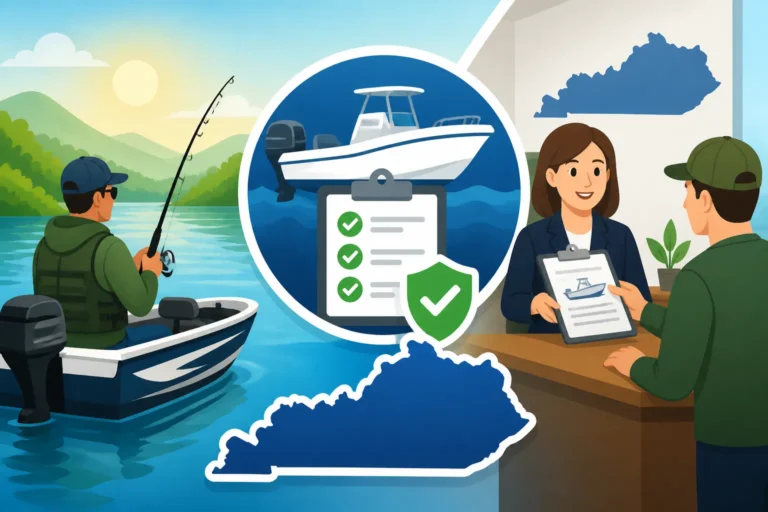
In Kentucky, your local County Clerk's office is the central hub for all things boat registration and titling. Unlike some states where a central agency handles everything, here, it's a localized process. This can sometimes lead to slight variations in office hours or specific requirements, so it's always a good idea to check with your particular county clerk before you go. They are the folks who will verify your documentation, process your payment, and issue your registration decals and certificate. They'll walk you through the Kentucky Boat Registration Process at the County Clerk's Office.
It's common for folks to feel a bit overwhelmed when they first step into the County Clerk's office, especially if they're titling a new boat for the first time. You'll often see new boat owners bringing in a stack of paperwork – a bill of sale, proof of sales tax payment, and manufacturer's statements of origin. The clerk's job is to ensure all these documents are in order, matching the details of your vessel and confirming you're the rightful owner. They’ll also be the ones to explain the various fees, including the all-important registration fee determined by your boat's length.
Factors Influencing Your Boat Registration Fees
While the concept of paying to register your boat is straightforward, the actual cost can seem a bit opaque at first glance. There isn't just one flat fee for every boat in Kentucky. Instead, a few key factors come into play, with the most significant being the physical length of your vessel.
Vessel Length as the Primary Driver
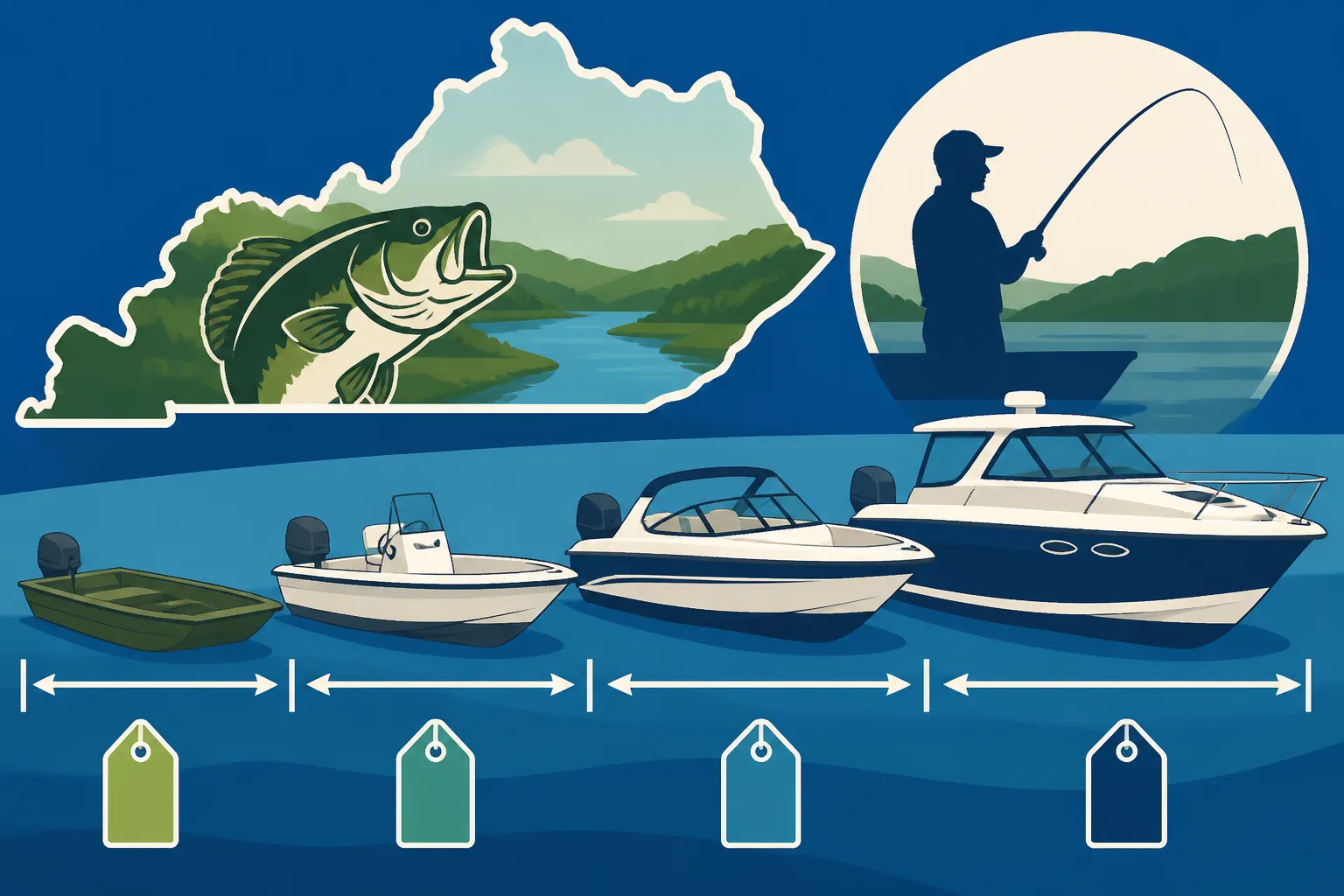
The overwhelming primary factor determining how much you'll pay to register your boat in Kentucky is its length. The state uses a tiered system where boats are grouped into specific length categories, and each category has its own associated fee. Generally speaking, the longer your boat, the higher the registration fee. This makes sense when you think about it: larger boats often require more infrastructure, take up more space at public ramps, and potentially have a greater impact on the waterways.
For instance, a small, 14-foot fishing jon boat you might use on a quiet creek will fall into a much lower fee bracket than a 22-foot fiberglass bass boat designed for navigating the vast expanses of Kentucky Lake or Lake Barkley. Even if both boats are used for fishing, their impact and, consequently, their registration costs differ significantly. This tiered structure aims to create a fair system where those with larger, more complex vessels contribute a bit more to the upkeep of the state's boating resources. Kentucky Boat Registration Fee by Vessel Length breaks this down further.
Other Potential Charges
While vessel length is king when it comes to the base registration fee, it's not always the only charge you might encounter. There can be other associated costs, especially when you're dealing with a new boat or a change of ownership. These might include titling fees, which are separate from registration and establish legal ownership. If you're purchasing a used boat, you'll also likely pay sales tax on the purchase price, which is collected at the time of titling and registration.
Additionally, depending on the specifics of your transaction and whether you're bringing an out-of-state boat into Kentucky, there could be fees for late registration or penalties if you haven't transferred the title in a timely manner. It's crucial to clarify all potential charges with your county clerk to avoid any surprises. They can provide a comprehensive breakdown so you're not caught off guard by an unexpected line item when you're ready to register your pride and joy.
The Specifics of Vessel Length Categories and Costs
Kentucky's system for calculating boat registration fees is all about those length categories. Understanding these tiers is key to anticipating your costs. It's not a linear scale where every foot costs the same; rather, there are specific breakpoints that shift your boat into a new fee bracket.
Common Length Brackets
Kentucky's boat registration fees are typically broken down into several distinct length categories. These categories might look something like:
- Under 16 feet: This bracket often covers smaller vessels, like many canoes, kayaks, john boats, and small aluminum fishing boats. These are usually the least expensive to register.
- 16 feet to under 26 feet: This is a very common category for recreational anglers, encompassing many bass boats, runabouts, smaller pontoon boats, and larger fishing boats.
- 26 feet to under 40 feet: Here, you'll find larger cruisers, bigger pontoon boats, and some sailboats.
- 40 feet and over: This top tier is for very large vessels, often houseboats or substantial yachts that might be found on big lakes like Cumberland.
The exact cutoff points for these categories can sometimes be tweaked, so it's always important to refer to the most current fee schedule provided by the Kentucky Department of Fish and Wildlife Resources or your county clerk. This information will give you the precise measurements for each bracket. You want to avoid guessing, especially if your boat's length is close to a cutoff point. A tape measure, easily found on Amazon or at Bass Pro Shops, can be your best friend here!
Fee Structure Progression
As your boat moves up through these length categories, the registration fee increases. It's not just a small bump; it can be a significant jump in cost from one tier to the next. For example, registering a 15-foot boat might cost a certain amount, but a 16-foot boat, just one foot longer, could fall into the next fee bracket, leading to a noticeable increase in your annual expense. This incremental increase reflects the state's assessment of the resources required to support larger vessels.
Let's illustrate with a hypothetical:
| Vessel Length Category | Approximate Annual Registration Fee Shape (Hypothetical) |
|---|---|
| Less than 16 feet | Generally the lowest cost |
| 16 to under 26 feet | Moderately higher cost |
| 26 to under 40 feet | Significantly higher cost |
| 40 feet and over | The highest registration cost |
Please note: The figures above are illustrative of the shape of the cost progression. For current, exact figures, always check with the Kentucky Department of Fish and Wildlife Resources or your local county clerk.
This progression means that while that extra foot or two on a boat might seem insignificant on the water, it can sometimes push you into a higher registration fee bracket. That's why careful consideration of boat length isn't just about storage or trailering, but also about the ongoing annual costs.
How to Estimate Your Registration Costs
Nobody likes surprises, especially when it comes to their wallet. Estimating your boat registration costs in Kentucky isn't just good practice; it's essential for smart budgeting for your boating season. With a little homework, you can walk into the county clerk's office with confidence.
Finding Current Fee Schedules
The best way to get an accurate estimate of your boat registration fees is to consult the official sources. The Kentucky Department of Fish and Wildlife Resources (KDFWR) typically publishes the current fee schedule on their website. This is your go-to resource for the most up-to-date information on all licenses and permits, including boat registration. You can often find a chart that clearly outlines the fees for each length category.
Alternatively, a quick call or visit to your local County Clerk's office will get you the most precise figures. They process these registrations daily and can tell you exactly what you'll owe for your specific boat length. Don't rely on outdated information or hearsay from a buddy. Regulations and fees can change, so always verify the current rates before you plan your trip to the clerk's office. This small step can save you frustration and unexpected expenses.
Budgeting for Your Boating Season
Once you have a solid estimate for your boat registration fee, it's crucial to factor it into your overall boating budget. It's easy to get caught up in the excitement of buying a new boat, but responsible ownership involves planning for all the associated costs. Beyond registration, remember to budget for things like fuel, insurance, maintenance, winterization, and perhaps a Kentucky Trout Permit Guide if you plan to target trout in specific waters like Lake Cumberland.
Consider your boat's length carefully when making a purchase. While a longer boat might offer more space or amenities, that extra length will likely translate to higher annual registration fees, not to mention increased costs for storage, docking, and trailering. When you're dreaming of that perfect vessel at a place like Bass Pro Shops, always keep these recurring costs in mind. A comprehensive budget helps ensure that your time on Kentucky's beautiful lakes and rivers remains enjoyable and stress-free.
Beyond the Fees: Other Boat Registration Considerations
While the fees are a big piece of the boat registration puzzle, there are several other critical aspects you need to be aware of. Getting your boat legally on the water involves more than just money; it requires proper documentation and understanding of the titling process.
Required Documents
When you head to the county clerk's office to register your boat, you'll need more than just your checkbook. The specific documents can vary slightly depending on whether your boat is new or used, and where you acquired it, but here's a general checklist of what you'll typically need to have on hand:
- Proof of Ownership: This is paramount. For a new boat, it's usually the Manufacturer's Statement of Origin (MSO) or Manufacturer's Certificate of Origin (MCO). For a used boat, it will be the properly executed title from the previous owner.
- Bill of Sale: Even if you have a title, a bill of sale detailing the purchase price, buyer, seller, and boat description is often required. This is especially important for calculating sales tax.
- Proof of Sales Tax Paid (if applicable): If you purchased the boat from a dealer, they might have collected the sales tax. If buying privately, you'll pay the sales tax at the clerk's office.
- Kentucky Motorboat Registration Application: This form, which you can often find online or at the clerk's office, needs to be filled out completely.
- Identification: A valid driver's license or state ID for the owner(s).
Failing to bring the correct documents can lead to delays and multiple trips to the clerk's office, which is a frustration no one needs when they're eager to hit the water. It's always a good idea to call ahead to your specific county clerk and ask for a detailed list of what you'll need for your particular situation. Reviewing Proof of Ownership Documents for Kentucky Boat Registration can also help prepare you.
Titling Your Vessel
In Kentucky, boat registration and titling often go hand-in-hand, but they are distinct processes. Registration is essentially permission to operate your boat on public waters for a specific period (usually annually), while titling establishes legal ownership of the vessel. Most motorboats in Kentucky are required to be titled, similar to how a car has a title. This title is a legal document that proves who owns the boat, which is incredibly important for buying, selling, or insuring your vessel.
If you're buying a new boat, you'll title it for the first time. If you're buying a used boat, the previous owner should provide you with a properly endorsed title that you will then transfer into your name. There are specific procedures for how this transfer must be done, and any mistakes can cause significant headaches down the road. Make sure to complete the title transfer promptly after purchasing a boat. The county clerk will handle both the titling and registration in one visit, making it a relatively streamlined process if you have all your paperwork in order. For more info, check out Kentucky Boat Titling and Registration Rules.
Renewing Your Boat Registration in Kentucky
Boat ownership in Kentucky isn't a one-and-done deal when it comes to paperwork. Just like your driver's license or vehicle registration, your boat registration needs to be renewed regularly. It's a system designed to keep records current and ensure continued funding for our state's waterways.
Annual Renewal Cycle
Kentucky's boat registration operates on an annual cycle. This means you'll need to renew your registration certificate and receive new decals for your boat every year. The good news is that the renewal process is generally much simpler than the initial registration, especially if you haven't changed ownership or made significant alterations to your vessel. Your registration period typically runs from March 1st to February 28th of the following year, similar to fishing licenses.
You'll usually receive a renewal notice in the mail from the KDFWR as your expiration date approaches. This notice will include instructions on how to renew and often pre-filled information to make the process smoother. Forgetting to renew can lead to operating an unregistered vessel, which can result in fines if you're caught on the water. It’s always a good habit to mark your calendar or set a reminder for your boat’s renewal date, just like you would for your Kentucky Fishing License Year and Renewal Dates.
Online vs. In-Person Renewal
Kentucky offers flexibility when it comes to renewing your boat registration. For many boat owners, the most convenient option is to renew online. The KDFWR website provides a portal where you can typically enter your boat's registration number and other identifying information, pay the fees electronically, and receive confirmation. This method saves you a trip to the county clerk's office and is often the quickest way to get your updated registration. After renewing online, you'll usually receive your new decals in the mail within a few business days.
However, if you prefer a personal touch, or if there's been a change in your boat's information (like a new motor or an address change), you can always renew in person at your local County Clerk's office. This allows you to ask any questions directly and get immediate assistance. Whether online or in person, the goal is to keep your registration current so you can enjoy Kentucky's fantastic fishing and boating opportunities without any legal worries. Make sure to check out Kentucky Boat Registration Renewal Online vs County Clerk for a deeper dive.
Navigating Reciprocity and Special Cases
While Kentucky's boat registration rules are generally clear, some situations can add layers of complexity, especially if you live near a state border or have unique ownership arrangements. Understanding these nuances can save you a lot of hassle.
Border Waters and Out-of-State Boats
Kentucky shares significant waterways with several neighboring states, including the Ohio River, which borders Ohio, Indiana, and Illinois, and Dale Hollow Lake, which spans the Kentucky-Tennessee line. This often leads to questions about registration reciprocity. Generally, if your boat is principally used and registered in another state, you are permitted to operate it on Kentucky waters for a limited time, usually up to 60 consecutive days, without requiring Kentucky registration.
However, if you own property in Kentucky, keep your boat docked or stored here for extended periods, or consider Kentucky your primary boating location, you'll likely need to register your boat in Kentucky, regardless of where you bought it. This can be a point of confusion for residents of states like Indiana or Ohio who frequently cross the river. It's best to err on the side of caution and check specific regulations, especially for shared waters. The goal is to ensure all boats on Kentucky's waters are properly accounted for, contributing to safety and resource management.
Boats Exempt from Registration and Titling
Not every floating vessel in Kentucky needs to be registered or titled. There are specific exemptions that many people find surprising. For example:
- Non-motorized boats: Canoes, kayaks, paddleboards, and rowboats that do not have any mechanical propulsion are typically exempt from both registration and titling. This means your recreational paddle in a small lake is usually free from these administrative steps.
- Small, electric motor boats: In some cases, very small vessels with minimal electric motors may have different requirements or exemptions. However, it's essential to verify the current rules as these can change.
- Publicly owned boats: Vessels owned and operated by government agencies are also generally exempt.
- Boats documented with the U.S. Coast Guard: Larger vessels that meet specific tonnage requirements and are documented with the Coast Guard are exempt from state titling, though they may still need state registration for certain purposes.
These exemptions are important to know, especially if you're a casual paddler or own a very small, simple boat. However, always remember the distinction: if it has a motor, even an electric one, it's highly likely to require registration, and if it's over a certain size or type, it will also need a title. When in doubt, always contact the KDFWR or your county clerk for clarification. This helps you avoid fines and ensures you're legally compliant for all your time on the water.
Disclaimer
This article is for general informational purposes only and does not constitute professional advice. Laws, prices and regulations vary by location and change over time. Consult a qualified professional for guidance on your specific situation.