Best Life Jackets for Kids on Big Lakes
Oh, the sheer joy (and sometimes, pure terror!) of taking your kids out on one of Kentucky's magnificent big lakes. There's nothing quite like the sparkle in their eyes when they reel in a bluegill or the excitement of zooming across the water. But as parents, that joy is always, always accompanied by a quiet hum of worry – especially when it comes to water safety. Finding a life jacket that actually fits your child properly, that they'll wear without complaint, and that truly offers protection on expansive, busy waters can feel like a quest, but trust me, it's one of the most critical things you'll do to ensure a safe and fun day for everyone. This guide is all about helping you navigate the options and choose the absolute best life jackets for your kids when you're headed out to places like Kentucky Lake, Lake Barkley, or Lake Cumberland.
Why a Quality Life Jacket is Non-Negotiable on Big Kentucky Lakes
When you're out on a sprawling body of water, things can change in a heartbeat. A sunny, calm morning can turn into a breezy, choppy afternoon. A quiet cove can suddenly have boat traffic. These aren't backyard ponds, and the risks are magnified, especially for our little ones. That's why a reliable, well-fitting life jacket isn't just a good idea; it's an absolute must.
The Unique Challenges of Big Water for Kids
Imagine a big lake like Kentucky Lake. It's vast, often windy, and can get surprisingly rough, even on a seemingly calm day. Strong currents near dams or in open channels can be deceptive. Then there's the boat traffic – everything from speedy bass boats to pontoon boats loaded with families, and even massive barges on the Kentucky portion of the Tennessee River. For a child, especially a small one, being unexpectedly plunged into these waters can be disorienting and terrifying. The shore might look close from the boat, but it can be a long, exhausting swim for an adult, let alone a child who might panic. A good life jacket provides that crucial buoyancy, keeping their head above water, allowing them to breathe, and giving you precious time to react and bring them back to safety. It's an essential layer of protection against the unpredictable nature of big, open water.
Beyond the Law: Peace of Mind for Parents
Now, we all know there are laws about kids wearing life jackets, and in Kentucky, children 12 years of age and under are required to wear a U.S. Coast Guard approved life jacket while on the open deck of a recreational boat that is underway. You can read more about this in Kentucky Life Jacket Law for Kids Under 12. But honestly, for most parents, it's not just about compliance; it's about genuine peace of mind. That knot in your stomach when your child is near the water's edge or leaning over the side of the boat? A properly fitted life jacket helps loosen it.
The challenge, however, is finding a jacket that your child will actually wear without constant nagging. If it's too bulky, scratches their neck, or constantly rides up around their ears, they're going to complain, try to take it off, and frankly, make your day a little less relaxing. A quality life jacket designed for kids considers these factors. It prioritizes comfort and freedom of movement alongside safety, making it less of a battle to get them to keep it on. When your child is comfortable and safe, you can genuinely relax and enjoy those precious moments on the water, whether you're trying to land a monster catfish or just cruising around Kentucky Lake State Park Fishing Access.
Understanding Life Jacket Types and Coast Guard Approval
Navigating the different types of life jackets can feel a bit like learning a new language. You see "Type I," "Type II," "III," and so on, and it's easy to get confused. But understanding these classifications, especially when it comes to kids and big lakes, is crucial for making an informed choice.
Types I-V: What They Mean for Kids and Big Lakes
The U.S. Coast Guard categorizes personal flotation devices (PFDs) into five types based on their design and the level of buoyancy and turning performance they offer. For kids, especially on big lakes, we're primarily looking at Type II and Type III, though some specific situations might call for others.
- Type I: Offshore Life Jackets: These offer the most buoyancy (22 lbs for adults, less for kids) and are designed to turn an unconscious person face-up in the water. They are bulky and best suited for rough, open, or remote waters where rescue might be delayed. While they offer maximum safety, their bulkiness often makes them impractical and uncomfortable for active children, meaning kids might resist wearing them. For very young children or those in extreme conditions, a child-specific Type I might be considered, but generally, there are better options for day-to-day use on Kentucky's major lakes.
- Type II: Near-Shore Buoyant Vests: These are designed for calmer, inland waters or where a quick rescue is likely. They offer less buoyancy than Type I (15.5 lbs for adults, less for kids) and may turn an unconscious person face-up, but it's not guaranteed. These are often the "orange horse collar" style. For infants and toddlers, many Type II vests include a large head-support collar and a crotch strap to keep them secure and help keep their face out of the water. This type is a solid choice for younger children on big lakes due to that crucial head support, offering a good balance of safety and wearability.
- Type III: Flotation Aids: These are typically worn for continuous wear and offer 15.5 lbs of buoyancy (for adults). They are designed to allow full range of motion, making them popular for active sports like fishing, kayaking, or water skiing. They will not turn an unconscious person face-up; the wearer must be able to put themselves into a face-up position. For older children who are strong swimmers and are engaging in activities on the lake, a Type III PFD can be a great choice because of its comfort and flexibility. However, for younger kids or those who aren't strong swimmers, the lack of guaranteed face-up turning ability means a Type II is often a better option.
- Type V: Special Use Devices: These are designed for specific activities and must be worn to count as a PFD. Examples include paddling vests, deck suits, or work vests. Some Type V PFDs are actually hybrids, combining the features of another type (like a Type III) with additional features. If a Type V is approved for a child's weight and activity on a big lake, it must explicitly state that on the label.
Here's a quick comparison of the most common types you'll encounter for kids on Kentucky's big lakes:
| Feature | Type I (Offshore) | Type II (Near-Shore) | Type III (Flotation Aid) |
|---|---|---|---|
| Buoyancy | Highest (e.g., 22 lbs for adults) | Medium (e.g., 15.5 lbs for adults) | Medium (e.g., 15.5 lbs for adults) |
| Turning Performance | Guarantees to turn unconscious person face-up | May turn unconscious person face-up (not guaranteed) | Will NOT turn unconscious person face-up |
| Best Use for Kids | Extreme, remote waters (often too bulky for comfort) | General boating on big lakes, especially for infants/tots | Active older children, strong swimmers on big lakes |
| Comfort/Mobility | Least comfortable, most restrictive | Moderate comfort, somewhat restrictive for active play | Most comfortable, excellent mobility |
| Typical Appearance | Large, often orange, horse-collar or full vest style | Horse-collar or vest with head support for small children | Vest-style, often colorful, for specific activities |
The Importance of a US Coast Guard Approved Label
This might sound like a no-brainer, but it's astonishing how many well-meaning parents pick up flotation devices that look like life jackets but lack the crucial U.S. Coast Guard approval. Pool toys, swim aids, or even some novelty vests are simply not designed or tested to the rigorous safety standards required for true life-saving devices. On a big lake, you need the real deal.
Always, always, always look for the U.S. Coast Guard approval label prominently displayed on the life jacket. This label confirms that the PFD has met strict performance and manufacturing standards. It will tell you the type of PFD, the approved weight range, and sometimes even the size. Without this label, you're essentially putting your child's safety at risk with an unproven device. When you're browsing for options, whether at a local sporting goods store like Bass Pro Shops or online at Amazon, make sure this approval is clearly stated. It's not just a recommendation; it's a fundamental requirement for safety on the water and a legal necessity, as outlined in guides like Coast Guard-Approved Life Jackets for Kentucky Boaters.
Key Features to Look For in Kids' Life Jackets for Big Lakes
Beyond the official classification, there are practical features that truly make a difference in a child's life jacket. These details often determine whether the jacket is effective, comfortable, and therefore, actually worn.
Proper Fit: The Single Most Important Factor
I cannot stress this enough: fit is everything. A life jacket that is too big can ride up over your child's head, doing more harm than good. One that's too small will be uncomfortably tight and restrict movement, making them miserable. Kids' life jackets are sized by weight, not age, so always check the manufacturer's specified weight range.
Here's how to test for a proper fit:
- Check the Weight Rating: Ensure the jacket is appropriate for your child's current weight.
- Fasten All Straps: Buckle and zip up all fasteners securely.
- Lift at the Shoulders: Gently lift the child by the shoulders of the life jacket. If the jacket slides up past their chin or ears, it's too big. It should fit snugly, like a glove, but not uncomfortably tight. You should be able to slide two fingers underneath the shoulders, but no more.
- Crotch Strap (for smaller children): For infants and toddlers, a crotch strap (also called a "security strap" or "grab strap") is essential. It prevents the jacket from riding up over their head when they are in the water, keeping them securely in the PFD and their head supported. Without it, even a properly sized jacket can become ineffective in a real-world emergency.
- Adjustable Straps: Look for multiple adjustable straps on the sides and shoulders to customize the fit as your child grows or for different layers of clothing. Kids grow fast, and having a jacket that can adapt slightly is a huge plus. It’s definitely a frustration we all face, trying to get that snug but comfortable fit, but taking the time to adjust it correctly each time they wear it is paramount.
Comfort, Mobility, and Durability
Let's face it: if a life jacket isn't comfortable, your child isn't going to wear it. And an unworn life jacket is completely useless.
- Comfort: Look for designs that minimize bulk, especially around the arms and neck. Neoprene jackets often offer a softer feel and better fit than traditional nylon, conforming more to the body. However, neoprene can be warmer, which might be a consideration on hot Kentucky summer days. Nylon vests, while sometimes a bit bulkier, are often more breathable. Many kids' jackets now feature softer fabrics and contoured designs to improve wearability. If your child is going to be actively fishing from a boat, like on Lake Cumberland: Kentucky's Best All-Around Fishing Lake, they'll need freedom of movement to cast and reel.
- Mobility: A good life jacket allows a child to move their arms and legs freely. This is crucial for playing, swimming (if appropriate for their skill level and under supervision), and, most importantly, for being able to help themselves in the water. Test their range of motion in the store – can they raise their arms above their head? Can they bend over?
- Durability: Kids are tough on gear. Their life jacket needs to stand up to sun exposure, splashing, being thrown around the boat, and general wear and tear. Look for strong stitching, durable zippers, and robust buckles. Reputable brands sold at places like Bass Pro Shops or on Amazon usually offer higher quality materials and construction that will last for several seasons, or at least until your child outgrows it. A well-made jacket might cost a bit more upfront, but it's an investment in your child's safety and will outlast cheaper, flimsier options.
Visibility and Added Safety Features
On a vast expanse of water, visibility can be a lifesaver.
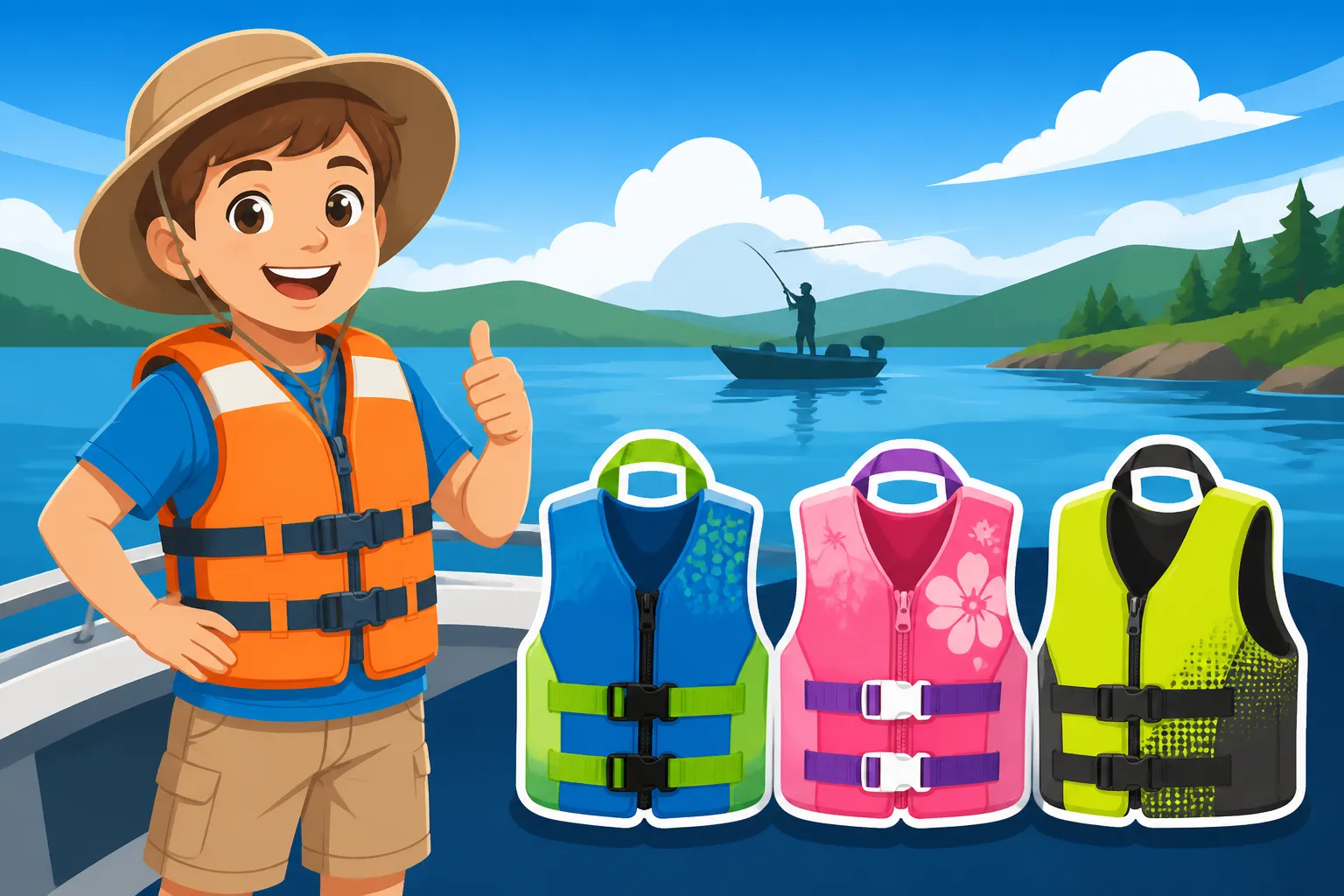
- Bright Colors: Choose life jackets in bright, fluorescent colors like neon green, orange, or yellow. These colors stand out dramatically against blue water, green shorelines, and gray skies, making it much easier to spot your child if they go overboard.
- Reflective Tape: Some jackets incorporate reflective tape, which can be invaluable during low-light conditions, such as early morning, dusk, or in an emergency situation at night. Every little bit of extra visibility counts.
- Head Support for Infants/Toddlers: As mentioned, jackets for very young children (typically under 30 lbs) often have a large, buoyant collar to provide crucial head support, helping to keep their airway clear and their face out of the water even if they are unconscious or too young to hold their head up reliably.
- Grab Handles: A sturdy grab handle on the back of the neck is another excellent feature, making it much easier to retrieve a small child from the water, especially if they are panicked or unresponsive. This simple addition makes a huge difference in an emergency, allowing you to quickly get a secure grip.
Choosing the Right Life Jacket by Age and Activity
Selecting the perfect life jacket isn't a one-size-fits-all situation. What works for an infant won't work for an active pre-teen, and vice-versa. Matching the jacket to your child's size, age, and planned activities on the lake is essential.
Infants and Toddlers (Under 30 lbs)
This is perhaps the most critical category, as these tiny humans have the least ability to help themselves in the water. For infants and toddlers (generally weighing under 30 pounds), a life jacket with a specific design is absolutely non-negotiable.
You're looking for a Type II PFD with several key features:
- Head Support Collar: A large, buoyant collar is crucial. This is designed to cradle their head and keep it elevated, ensuring their face stays out of the water, even if they're unconscious or too small to lift their head themselves.
- Crotch Strap(s): These straps go between the legs and clip to the front of the jacket, preventing it from riding up over their head when they are in the water. This is a must-have for securing the jacket.
- Grab Handle: A strong handle on the back of the collar makes it easy to scoop your little one out of the water quickly.
- Bright Colors: Again, maximum visibility is key.
The unique challenge with very young children is that they often feel swallowed by these jackets due to their bulk. It's an understandable feeling, and they might fuss. However, their safety depends on it. Get them used to wearing it at home for short periods before you even get to the boat. Explain why it's important. It's a small hassle for immense protection.
Children (30-50 lbs and 50-90 lbs)
As kids grow, their needs shift slightly. They gain more control over their bodies, but they're still very much dependent on a PFD for safety on big, unpredictable waters.
- For the 30-50 lb range: You'll likely still be looking at Type II PFDs that offer the head support and security of a crotch strap. While they might be able to hold their heads up, the extra buoyancy around the head is still a valuable safety net, especially if they hit their head or become disoriented. Comfort starts to become a bigger factor here, as these kids are more active. Look for softer materials or designs that allow for more arm movement.
- For the 50-90 lb range: This is where you might start to see a transition. Many children in this range can comfortably wear a Type III PFD. These jackets are designed for more active wear, offering greater freedom of movement for things like fishing, paddling, or playing. They'll typically have more streamlined designs and often come in vests made from neoprene or thinner nylon. While crotch straps aren't always standard on these larger kids' Type III vests, some still include them, which is a good bonus for preventing ride-up. The key is to ensure the jacket fits snugly, doesn't ride up, and allows for full arm mobility.
It's common for kids in this age group to resist wearing a jacket if it's uncomfortable or "uncool." Involving them in the selection process, letting them try on different styles (perhaps from Bass Pro Shops or even online options from Amazon with good return policies), can help encourage compliance. Emphasize that it's part of the fun of being on the boat safely. You can also teach them about Kentucky Fishing License Requirements for Kids which helps them feel like a "real" angler, and part of that involves wearing the right gear.
Youth (Over 90 lbs, but not yet adult size)
Once a child weighs over 90 pounds, they often fall into adult sizing categories for life jackets. However, this doesn't mean you can just grab any adult small. Youth PFDs are specifically designed for their developing bodies, often bridging the gap between child and adult models.
For youth over 90 pounds, you're usually looking at Type III PFDs. The emphasis shifts heavily towards comfort and mobility for specific activities, whether that's fishing for bass on Lake Barkley: The State's Top Bass Fishing Destination, wakeboarding, or Kayak Fishing Safety Gear for Kentucky Waters.
- Activity-Specific Designs: You might consider vests with larger armholes for casting, or those designed for personal watercraft use that offer excellent freedom of movement and a secure fit for higher speeds, as discussed in Life Jacket Requirements for Personal Watercraft Riders.
- Fit is Still Paramount: Even though they're nearing adult size, ensure the vest fits snugly and doesn't ride up when they lift their arms. Adjustable side and shoulder straps are still key to getting that perfect, comfortable fit.
- Personal Preference: At this age, youth often have strong preferences. Letting them choose the color and style (within the safety parameters) can dramatically increase their willingness to wear it. After all, a life jacket worn is infinitely safer than one stowed away in a locker.
Maintenance and Storage for Longevity and Safety
A life jacket is a piece of safety equipment, and like any safety gear, it needs proper care to function optimally. Neglecting your kids' life jackets can compromise their effectiveness when you need them most. Think of it as extending the life of your gear, similar to how you maintain your boat or fishing tackle.
Cleaning and Drying Your Kids' Life Jackets
After a fun day on the lake, it's tempting to just toss the life jackets in a pile and forget about them until the next trip. But proper cleaning and drying are essential.
- Rinse After Use: Always rinse life jackets thoroughly with fresh water, especially if you've been on a lake with any kind of algae or if they've been exposed to sunscreen and bug spray. This helps remove dirt, salt (if you've ventured to coastal areas, though less common for Kentucky's freshwater lakes), and chemical residues.
- Gentle Cleaning: If a jacket is visibly dirty, use a mild soap (like dish soap) and a soft brush or cloth to clean it. Avoid harsh detergents, bleach, or strong chemical cleaners, as these can degrade the fabric and flotation material, weakening the jacket's integrity.
- Air Dry Completely: This is probably the most crucial step. Hang life jackets in a well-ventilated area, out of direct sunlight, to air dry completely. Never put them in a dryer, as high heat can damage the flotation material and outer fabric. Allowing them to dry thoroughly prevents mildew, which not only smells terrible but can also compromise the integrity of the fabric over time. Nothing is worse than pulling out a damp, mildewy jacket for a trip to Best Fishing Spots in Kentucky.
Proper Storage and Inspection
How you store your life jackets directly impacts their lifespan and effectiveness.
- Cool, Dry Place: Once completely dry, store life jackets in a cool, dry place away from direct sunlight and extreme temperatures. Prolonged exposure to UV rays can degrade the fabric and diminish the buoyancy of the foam.
- Avoid Compression: Don't stack heavy items on top of life jackets or store them in tightly packed spaces that compress the foam. Compression can permanently reduce the buoyancy of the PFD. Hang them or lay them flat if possible.
- Regular Inspection: Before each outing, take a few moments to inspect each life jacket. Look for:
- Tears, rips, or holes: Even small damage can affect buoyancy.
- Faded or brittle fabric: A sign of UV damage that might indicate a weakened jacket.
- Damaged or corroded zippers, buckles, and straps: Ensure all fasteners are in good working order and securely hold the jacket.
- Weakened stitching: Check seams for any signs of fraying or coming undone.
- Waterlogging: Squeeze the jacket; if it feels heavy or retains water, the flotation material might be compromised.
- Don't Forget the Whistle: Many PFDs come with a whistle. Make sure it's still attached and in working order. This can be a vital signaling device in an emergency.
Remember, a life jacket isn't just a piece of gear; it's a piece of safety equipment. Taking good care of it ensures that it's always ready to protect your child when it matters most. Investing a little time in maintenance will help those life jackets last through many seasons of unforgettable Kentucky fishing adventures.
Disclaimer
This article is for general informational purposes only and does not constitute professional advice. Laws, prices and regulations vary by location and change over time. Consult a qualified professional for guidance on your specific situation.