Fire Extinguisher Requirements for Kentucky Boats
There’s nothing quite like a peaceful day out on Kentucky’s beautiful lakes or rivers, the sun shining, the reel whirring, maybe even a fish on the line. But amidst all that tranquility and excitement, it's easy to overlook a crucial safety component: fire. Boat fires, while thankfully not super common, can turn a perfect day into a harrowing emergency in mere moments, often far from shore. This guide is all about helping you understand Kentucky's specific fire extinguisher requirements, ensuring you and your loved ones are prepared and protected for any unexpected blaze on the water.
Why Fire Safety on Your Boat Isn't Just a Suggestion
When you're out on the water, whether it's the vast expanse of Kentucky Lake or a winding stretch of the Green River, you're pretty much on your own if something goes wrong. Unlike being on land where a fire department is just a phone call away, help can be a long time coming when you're adrift. That's why being proactive about fire safety isn't just a regulatory checkbox; it's a fundamental aspect of responsible boating that could literally save lives and your entire vessel.
The Real Dangers on the Water
Think about what's on a typical boat: gasoline or diesel fuel, oil, electrical systems that can short, and even cooking equipment if you're out camping or cruising. All these elements, when combined with vibration, heat, and sometimes negligence, create a recipe for potential disaster. A small fuel leak, a frayed wire, or an unattended grill could spark a fire that spreads with frightening speed. The confined space of a boat, often with limited exit points, makes any fire scenario incredibly dangerous. Smoke inhalation is a huge risk, and the fire itself can quickly engulf your vessel, leaving you with precious little time to react. It's not a scare tactic; it's just the reality of boating.
Protecting Your Investment and Loved Ones
Beyond the immediate danger to life, a boat fire means losing your vessel, often a significant financial investment. Imagine years of savings, dreams of future fishing trips, all going up in smoke because a simple piece of safety equipment wasn't on board or wasn't functional. More importantly, consider the emotional toll and potential injury to anyone on board. Having a properly maintained and easily accessible fire extinguisher means you have a fighting chance to extinguish a small fire before it becomes uncontrollable. It's peace of mind, really. It allows you to focus on the joy of fishing and boating, knowing you've taken steps to mitigate one of the most serious risks. Don't let a preventable oversight turn your cherished boating memories into a nightmare.
Understanding Kentucky's Fire Extinguisher Regulations
Navigating boating regulations can sometimes feel like trying to untangle a bird's nest of fishing line – confusing and a little frustrating. But when it comes to fire extinguishers, Kentucky, like most states, largely follows federal guidelines set by the U.S. Coast Guard. These rules are in place for a good reason, aiming to standardize safety across the nation's waterways. It's not about making things complicated; it's about making sure everyone has a baseline of protection.
Who Needs One? Exemptions and Specific Rules
Generally speaking, if you have a motorboat, you probably need a fire extinguisher. The primary differentiator for requiring an extinguisher often comes down to the presence of an enclosed engine compartment, fuel tanks, or other features that increase fire risk.
You typically need a fire extinguisher if your boat has any of the following:
- Inboard engines: These have an engine compartment that can trap flammable vapors.
- Permanently installed fuel tanks: Any fuel tank that isn't portable and less than 12 gallons.
- Double bottoms not sealed to the hull or not completely filled with flotation materials: These create spaces where fuel vapors can accumulate.
- Closed living spaces: Cabins, sleeping accommodations, galleys.
- Closed compartments under thwarts and seats where portable fuel tanks may be stored: This refers to spaces that aren't open to the atmosphere.
Small, open boats, like canoes, kayaks, or even small rowboats without engines or permanently installed fuel tanks, usually don't need an extinguisher. However, as an experienced angler, I'd still advocate for carrying a small, marine-rated extinguisher on any motorized vessel, regardless of strict legal requirement. It's just common sense. For detailed guidance on vessel registration, check out Kentucky Boat Registration Requirements Explained.
Number and Size Requirements
The specific type and number of fire extinguishers you need are determined by the length of your boat and whether it has a fixed fire extinguishing system in the engine compartment. The Coast Guard classifies extinguishers by type and size, primarily based on the extinguishing agent and the amount of agent.
Let's break down the common requirements for recreational vessels:
| Boat Length | Fixed System (Engine Compartment) | Minimum Extinguishers Required | Extinguisher Type & Size (Min.) |
|---|---|---|---|
| Less than 26 feet | No | 1 | B-I |
| Less than 26 feet | Yes | 0 | N/A (fixed system covers it) |
| 26 feet to less than 40 feet | No | 2 | B-I |
| 26 feet to less than 40 feet | Yes | 1 | B-I |
| 40 feet to less than 65 feet | No | 3 | B-I |
| 40 feet to less than 65 feet | Yes | 2 | B-I |
Note: For older extinguishers, you might see classifications like Type B-C Size I or Type B-C Size II. Newer standards simplify this to just B-I or B-II.
A "B-I" extinguisher typically contains about 2 pounds of extinguishing agent (like dry chemical). A "B-II" extinguisher is larger, usually containing around 10 pounds. If your boat is required to have a fixed fire extinguishing system, that system essentially takes the place of some of your portable extinguishers, because it's designed to automatically or manually discharge into the engine space. Always double-check your vessel's specific characteristics against the most current regulations to ensure compliance. Ignorance of the rules isn't an excuse, especially when a game warden pulls up for a Game Warden Enforcement and License Checks While Fishing.
Types of Fire Extinguishers for Marine Use
Choosing the right fire extinguisher isn't just about grabbing the first red cylinder you see. Different types of fires require different extinguishing agents, and on a boat, you're primarily concerned with certain classes of fires. Understanding the ABCs (or rather, BCs) of fire classes is essential for effective fire suppression.
B-I vs. B-II Ratings
When you're looking at marine fire extinguishers, you'll most often see them rated for Class B and Class C fires.
- Class A fires: These are ordinary combustibles like wood, paper, cloth, or plastics. Think of a cushion catching fire.
- Class B fires: These involve flammable liquids and gases, which are extremely common on boats. This includes gasoline, diesel fuel, oil, grease, propane, and solvents. This is the big one for boaters!
- Class C fires: These are electrical fires, stemming from wiring, motors, or appliances. Also a huge concern on any modern boat with electronics.
Most marine-rated fire extinguishers use a dry chemical agent (like monoammonium phosphate or sodium bicarbonate) and will carry a "B-C" rating, indicating they are effective against both flammable liquids/gases and electrical fires. The "I" or "II" designation refers to the size and extinguishing capacity of the unit. A B-I is your standard, smaller extinguisher, while a B-II is larger and has more agent, capable of tackling a bigger blaze or lasting longer. For most smaller recreational fishing boats, a B-I is sufficient to meet the minimum requirements, but a B-II offers greater protection. When shopping for these essentials, reliable retailers like Bass Pro Shops or Amazon often carry a good selection of marine-rated extinguishers.
Chemical vs. Clean Agent Extinguishers
Traditionally, most marine fire extinguishers have used dry chemical agents. They are effective and relatively inexpensive, but they can leave a corrosive residue that's difficult to clean up and can damage sensitive electronics or engine components. Imagine spraying that white powder all over your expensive fish finder!
A newer option that's gaining popularity, especially for boats with a lot of electronics or sensitive equipment, are "clean agent" extinguishers. These use agents like Halotron or FE-36 (hydrofluorocarbon) which are non-conductive, non-corrosive, and leave no residue. They extinguish fires by interrupting the chemical reaction and cooling the fire. While often more expensive, they can be a worthwhile investment for high-tech boats or those who want to minimize damage after a discharge. They are particularly appealing if you're worried about harming your Fish Finders and Electronics for Kentucky Lake Fishing in the event of a minor electrical fire.
When to Choose Which Type
For basic compliance and general fire safety on most smaller fishing boats, a dry chemical B-I or B-II extinguisher is perfectly adequate and cost-effective. It will handle the vast majority of fuel or electrical fires you might encounter. If you have a larger boat with multiple complex electronic systems, an enclosed engine compartment, or perhaps you just want the absolute best protection without the messy cleanup, investing in a clean agent extinguisher for key areas might be a smart move.
Consider your boat's size, its contents, and your budget. No matter which type you choose, ensure it's marine-rated (often indicated by a Coast Guard approval stamp) and specifically designed to handle Class B and C fires. Remember, the best extinguisher is the one you can deploy quickly and effectively when every second counts.
Where to Store Your Fire Extinguisher on a Boat
Having the right fire extinguisher is only half the battle. The other, equally crucial half is ensuring it's stored correctly so it's ready for immediate use. A fire extinguisher buried under a pile of gear in a bow compartment or stashed away in a locked cabinet is about as useful as a screen door on a submarine when a fire breaks out.
Accessibility is Key
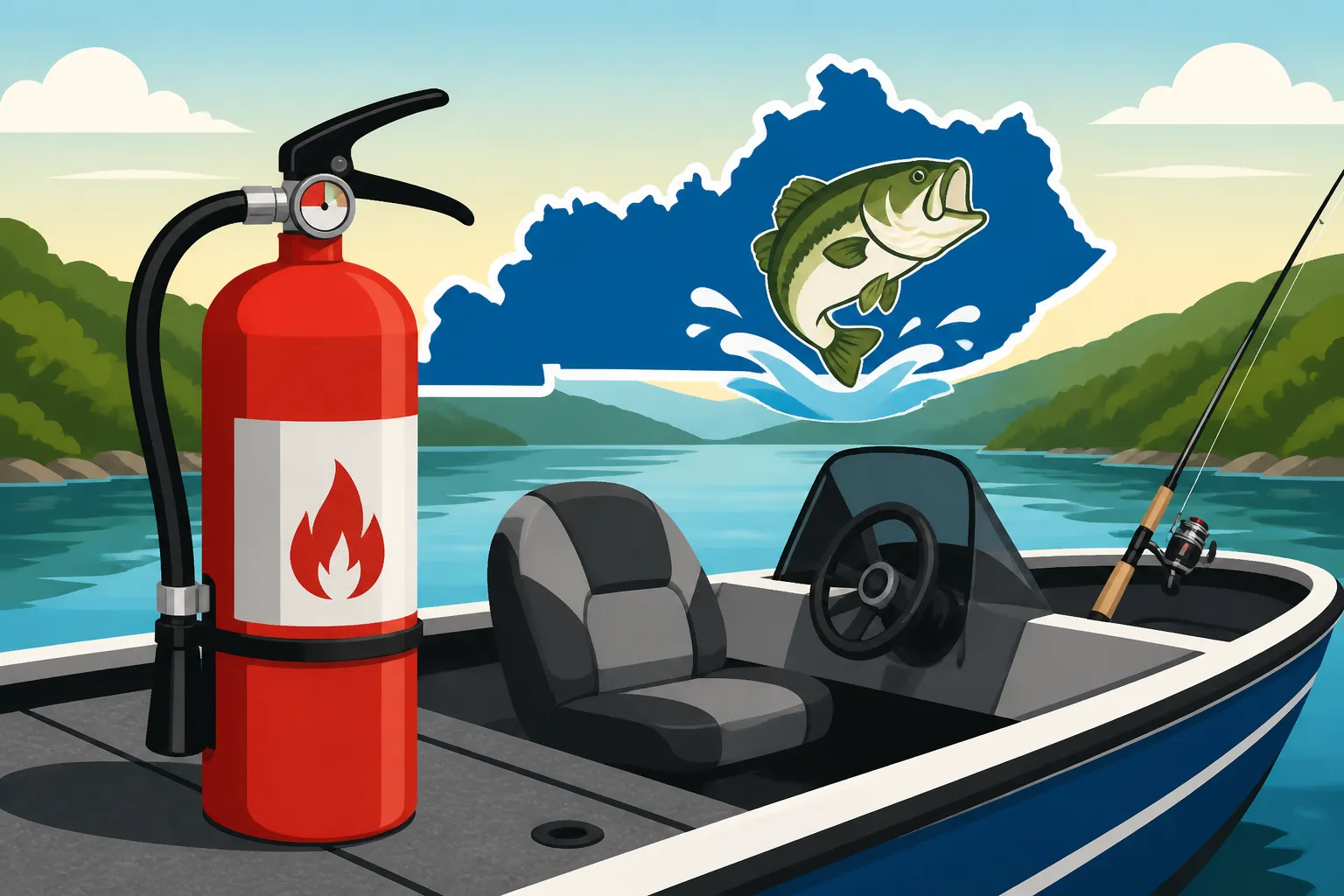
The golden rule for fire extinguisher placement on a boat is accessibility. It needs to be where you can grab it with one hand, without fumbling, and without having to move anything out of the way. Think about scenarios where a fire might start: the engine compartment, near the fuel tank, or in the galley. You should ideally have an extinguisher within easy reach of these high-risk areas.
For smaller boats, mounting one near the helm or in the main cockpit area is a good start. On larger vessels, you might need multiple extinguishers to ensure there's one within arm's reach of any potential fire source. Imagine a fire in your engine while you're at the helm – you need to be able to turn, grab the extinguisher, and point it towards the engine compartment access point in seconds. Don't hide it; make it conspicuous! Kentucky Boating Safety Gear Checklist emphasizes preparedness, and extinguisher placement is a big part of that.
Protecting from the Elements
While accessibility is paramount, you also need to protect your extinguisher from the harsh marine environment. Saltwater, UV rays, and constant vibration can degrade the extinguisher's components over time, rendering it useless when you need it most.
- Mounting: Use a sturdy marine-grade bracket to secure the extinguisher. This prevents it from rolling around and getting damaged, while also keeping it in a fixed, known location.
- Protection from UV: While direct sunlight won't necessarily damage the extinguishing agent itself, it can degrade plastic components, labels, and rubber hoses. If possible, store it in a shaded area or a protective cover.
- Moisture: Keep it away from direct spray or standing water. While marine extinguishers are designed to withstand some moisture, excessive exposure can lead to corrosion of metal parts or clogging of the nozzle.
Many boaters use small, easily accessible compartments or mount them on bulkheads in the cockpit or near the stern. The key is finding that sweet spot between being out of the way enough not to be a nuisance, but visible and instantly retrievable.
Common Mistakes to Avoid
- Stashing it in a locker: This is probably the most common mistake. By the time you unlock a locker, rummage through gear, and pull out the extinguisher, a small fire could have become much larger.
- Leaving it loose: An unmounted extinguisher can become a dangerous projectile in rough water or during a sudden stop. It can also get kicked around, leading to damage or accidental discharge.
- Ignoring the gauge: Many extinguishers have a pressure gauge. If it's not in the "green" zone, it's not properly charged. This isn't a storage mistake, but it's a common oversight related to readiness.
- One and done mentality: Believing one extinguisher is enough for a larger boat. Re-evaluate your boat's layout and potential fire zones. You might need more than the minimum required. For example, if you have an extensive galley or sleeping quarters, an additional extinguisher specifically for those areas could be a lifesaver.
Think of your extinguisher as your first line of defense. Where would you want your first line of defense to be positioned in an emergency? That's exactly where it should be on your boat.
Maintenance and Replacement: Keeping Your Extinguisher Ready
A fire extinguisher is like an insurance policy; you hope you never need it, but if you do, it has to work. Just like you wouldn't expect your boat engine to run perfectly without regular tune-ups, you can't expect your fire extinguisher to be ready for action without a bit of attention. This isn't a "set it and forget it" item; it requires periodic checks and timely replacement to ensure its effectiveness.
Regular Checks and Inspections
Make it a habit to inspect your fire extinguisher regularly, perhaps at the beginning of each boating season or even monthly if you're out on the water often. This routine check should only take a minute or two, but it can make all the difference.
Here's a simple checklist:
- Check the pressure gauge: Most dry chemical extinguishers have a gauge that should point to the green area, indicating it's properly charged. If it's in the red, it needs to be serviced or replaced immediately.
- Examine the exterior: Look for any signs of damage, corrosion, dents, or a clogged nozzle. If the extinguisher looks like it's been through a few battles, it's time for a replacement.
- Ensure the pin is intact: The tamper seal or safety pin should be in place, preventing accidental discharge.
- Check the hose and nozzle: Make sure they are clear of obstructions and not cracked or degraded.
- Shake it up: For dry chemical extinguishers, it's a good idea to invert them and shake them vigorously once a month or so. This helps prevent the dry chemical powder from settling and compacting at the bottom, which can hinder proper discharge.
These quick checks are simple to incorporate into your pre-trip routine, right alongside checking your Life Jacket Rules for Boats in Kentucky and fuel levels.
When to Recharge or Replace
Knowing when an extinguisher is no longer viable is crucial.
- Discharge: If an extinguisher has been used, even for a brief spray, it needs to be recharged or replaced. Never assume a partially discharged extinguisher will work effectively in an emergency. The pressure can drop quickly after even a short burst.
- Low Pressure: If the pressure gauge dips into the red zone, it's time for action. Some extinguishers can be professionally recharged, but for the common, smaller marine extinguishers, replacement is often the more practical and cost-effective solution.
- Damage: Any significant damage, such as a dented cylinder, a broken nozzle, or signs of heavy corrosion, warrants replacement. Compromised structural integrity is not something you want when under pressure.
Many marine supply stores, including those found on Amazon, offer affordable replacement extinguishers. It's a small price to pay for significant safety.
Understanding Expiration Dates
Yes, fire extinguishers have a lifespan! While they don't exactly "expire" like milk, the chemicals and components can degrade over time. Look for a date stamped on the extinguisher, often near the bottom or on the label, which might indicate the manufacture date or a recommended service/replacement date.
The Coast Guard generally accepts recreational boat fire extinguishers for 12 years from the date of manufacture, provided they remain in good, serviceable condition and pass the regular visual checks. After 12 years, even if it looks fine and the gauge is in the green, it's usually recommended to replace it. The internal seals and components can simply degrade with age, making it unreliable. Don't gamble with old equipment; invest in a new one. This longevity consideration is why it's also smart to understand when your Kentucky Fishing License Year and Renewal Dates are, ensuring all your permits and safety gear are current.
Beyond the Basics: Additional Fire Safety Measures
While a properly placed and maintained fire extinguisher is your primary defense, true boat fire safety involves a comprehensive approach. Think of it as building layers of protection. A good angler always has a backup plan, and fire safety is no different.
Carbon Monoxide Detectors
This might sound strange in a discussion about fire, but carbon monoxide (CO) is often called the silent killer because it's odorless, colorless, and tasteless. It's a byproduct of internal combustion, and it can leak into your boat from engines, generators, or even exhaust from nearby boats. While not a fire itself, CO poisoning can incapacitate you and your crew, making it impossible to respond to a fire or even an evacuation order.
Many modern boats, especially those with enclosed cabins or powerful engines, come with CO detectors installed. If yours doesn't, consider adding one, particularly if you spend time anchored or in marinas where exhaust fumes can accumulate. Regularly test these detectors to ensure they are functioning properly. It's a small device that provides a massive layer of protection, preventing a hazard that could render you helpless in an emergency.
Fuel System Vigilance
The fuel system is often the most significant fire risk on any boat. Gasoline and diesel are highly flammable, and leaks are a serious concern.
- Regular Inspections: Periodically inspect all fuel lines, hoses, connections, and the fuel tank itself for any signs of leaks, cracks, or deterioration. Look for drips, puddles, or the distinct smell of fuel.
- Ventilation: Ensure that your boat's ventilation system (especially in engine compartments) is functioning correctly to disperse any fumes. Turn on blowers for several minutes before starting your engine.
- Refueling Safety: Always shut off your engine and any open flames (like pilot lights) before refueling. Don't overfill your tank. Wipe up any spills immediately and allow fumes to dissipate before restarting.
- Portable Tanks: If you use portable fuel tanks, ensure they are stored securely and in a well-ventilated area, away from heat sources or direct sunlight.
Being meticulous about your fuel system isn't just about preventing fires; it also helps prevent pollution and ensures your engine runs smoothly.
Electrical System Checks
With all the modern electronics on fishing boats these days, from livewells to sophisticated Fish Finders and GPS for Kentucky Lake and Lake Barkley systems, the electrical system is another critical area for fire prevention.
- Frayed Wires: Regularly inspect all wiring for frayed insulation, loose connections, or corrosion. Old or damaged wiring is a fire waiting to happen.
- Proper Fusing: Ensure all electrical circuits are properly fused or have circuit breakers of the correct rating. Fuses are designed to blow and break the circuit if there's an overload, preventing wires from overheating and igniting. Never replace a fuse with one of a higher amperage.
- Professional Installation: If you're adding new electronics, either have a qualified marine electrician install them or ensure you follow manufacturer instructions precisely. Improper wiring is a leading cause of electrical fires.
- Battery Maintenance: Keep battery terminals clean and tight. Ensure batteries are properly secured and adequately ventilated.
Taking these extra steps, alongside having your fire extinguisher ready, elevates your overall boating safety profile. It’s about being a prepared and responsible boater, so every trip out on Kentucky’s waters is a safe and enjoyable one.
Disclaimer
This article is for general informational purposes only and does not constitute professional advice. Laws, prices and regulations vary by location and change over time. Consult a qualified professional for guidance on your specific situation.