What Age Can Kids Fish Without a License?
It can be incredibly confusing for parents and guardians trying to figure out all the nuances of fishing regulations, especially when it comes to bringing kids along. You just want to get out on the water and make some memories, not worry about whether your little angler needs a piece of paper! This guide is here to clear up one of the most common questions we hear in Kentucky: exactly what age can kids fish without a license, and what other rules should you be mindful of to ensure a smooth, fun, and legal fishing trip with the younger generation.
Understanding Kentucky's Youth Fishing License Exemptions
Let's get straight to the good news for families looking to introduce their children to the joys of fishing in the Bluegrass State. Kentucky makes it wonderfully easy to get youngsters hooked on angling without any immediate bureaucratic hurdles. It’s a fantastic way to foster a love for the outdoors from an early age, and honestly, it takes a load off parents' minds.
The Golden Rule: Age 15 and Under
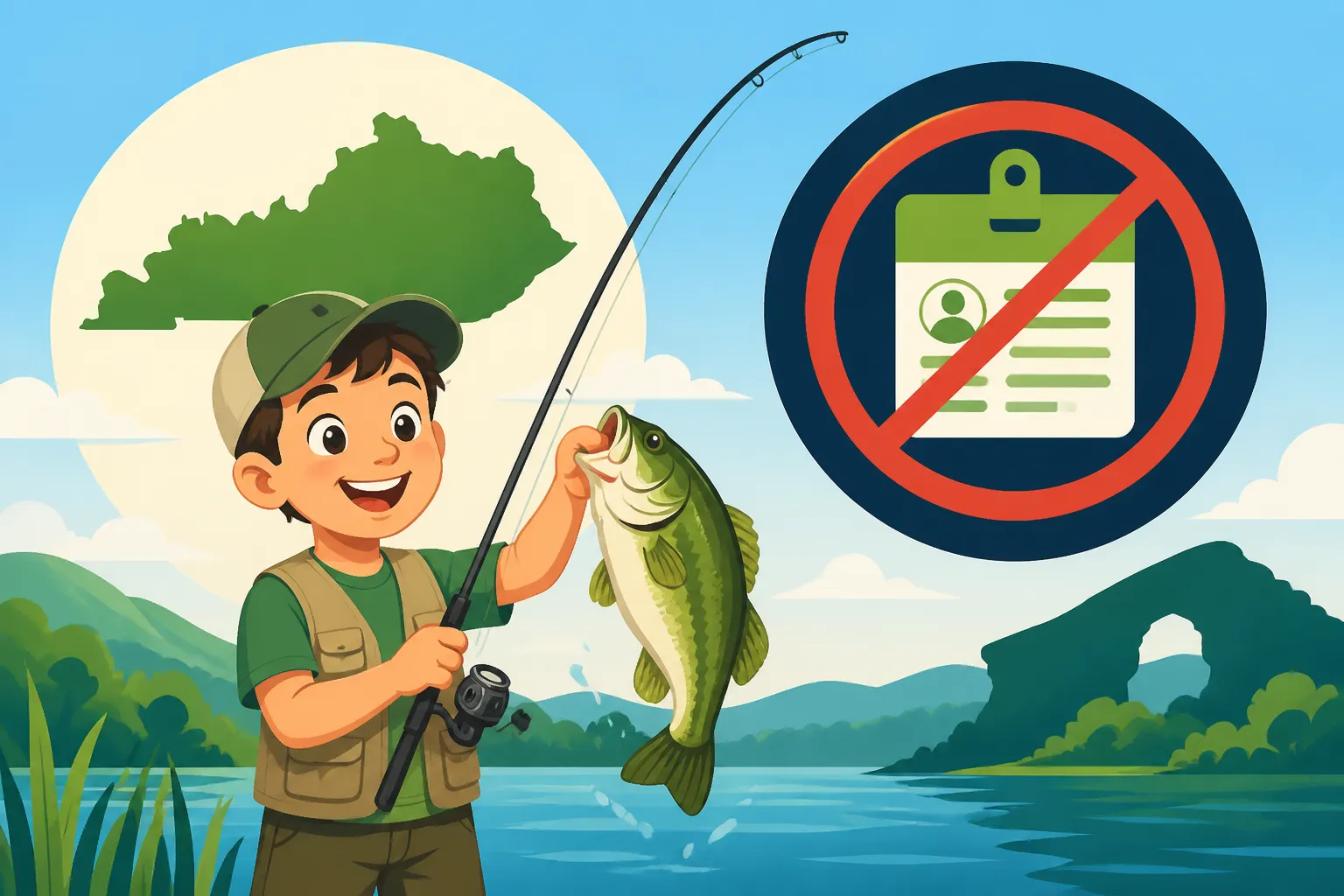
In Kentucky, the rule of thumb is delightfully straightforward: any child 15 years of age or younger does not need a fishing license. That means if your child is celebrating their 15th birthday this year, they can fish all year long without a license. It’s only when they blow out those 16 candles that the requirement kicks in. This exemption is a huge relief for families, eliminating the need to navigate license types, purchase points, or worry about costs for your youngest anglers. Imagine a scenario: you've got an excited 10-year-old and a curious 14-year-old ready to hit the lake. Both of them can cast their lines right alongside you, completely license-free. This simple rule encourages families to participate, making fishing an accessible and enjoyable activity for everyone. It truly embodies the spirit of getting kids outdoors without adding any extra stress for the adults planning the adventure.
Why This Exemption Matters for Families
This age exemption isn't just a minor detail; it’s a big win for family fishing. For starters, it provides immediate financial relief. Instead of purchasing multiple licenses for every member of the family, you only need to consider licenses for those 16 and older. This can free up a few dollars for extra bait, snacks, or even a new tackle box for the kids. More importantly, it acts as a significant incentive for parents and guardians to introduce fishing to children without the added step of obtaining a license. Think about it: a spur-of-the-moment decision to take the kids fishing after school or on a sunny Saturday afternoon becomes far less complicated when you don't have to factor in a license purchase for them. This policy directly encourages participation, giving countless children their first taste of reeling in a fish, building memories, and appreciating Kentucky's natural beauty without any barriers. It truly helps make family fishing trips an easy "yes."
Special Considerations for Free Fishing Weekend
While kids under 16 generally don't need a license anyway, Kentucky offers an extra special treat each year: the Kentucky Free Fishing Weekend Guide. This is typically a designated weekend (often in June) where everyone – residents and non-residents, young and old – can fish Kentucky's public waters without needing a fishing license. While it might seem redundant for the under-16 crowd, it's actually a fantastic opportunity for the entire family. If you're an adult who fishes infrequently or simply wants to try it out with your kids without committing to an annual license, this weekend is your chance. It levels the playing field, allowing even parents who might not normally purchase a license to cast a line alongside their license-exempt children. It’s a perfect chance for the whole family to experience the joy of fishing together. Check out the Kentucky Free Fishing Weekend Eligibility for All Anglers and Kentucky Free Fishing Weekend Rules for Kids and Seniors to make sure you know all the details for those special days.
What Happens When Kids Turn 16 in Kentucky
The sweet freedom of license-free fishing eventually comes to an end for young anglers in Kentucky, but it’s a natural progression into becoming a fully licensed and responsible angler. Knowing when and how to make this transition is crucial for avoiding any unintentional run-ins with the rules.
Transitioning to an Adult License
Once a child in Kentucky celebrates their 16th birthday, they officially enter the world of adult anglers, at least in the eyes of the Kentucky Department of Fish and Wildlife Resources (KDFWR). From that day forward, they are required to possess a valid fishing license to fish in public waters. This isn’t a grey area; the clock starts ticking on their 16th birthday. So, if your child turns 16 on June 15th, they are free to fish without a license until that exact date. On June 15th, or whenever they next go fishing after that date, they'll need their own license.
This transition is a significant step, and it's a great opportunity to teach young adults about their responsibilities as part of the angling community. It signals their full participation in contributing to conservation efforts, as license fees directly support fish stocking, habitat improvement, and enforcement. For a comprehensive overview, you might want to look into the Kentucky Fishing License Guide which details all the requirements. The process itself is fairly simple, and you can learn How to Get a Fishing License in Kentucky online or in person.
Different License Options for Young Adults
When your young angler turns 16, they'll have several options for purchasing their first fishing license, depending on how often they plan to fish. It's not a one-size-fits-all situation, and understanding the choices can save them money and hassle.
- Annual Fishing License: This is the most common choice for regular anglers. A Kentucky resident annual fishing license costs around $24.31 (prices can change, always check current KDFWR rates). This covers them for the entire license year, which runs from March 1st to the last day of February. For a dedicated young angler who plans to fish frequently throughout the year, this is usually the most cost-effective option. You can find detailed information on the Kentucky Resident Annual Fishing License Costs $24.31 post.
- 1-Day Fishing License: If your newly 16-year-old is more of a casual angler, perhaps only joining family trips a few times a year, a 1-day license might be more appropriate. These are much cheaper, usually costing around $7.40 for residents. This is a fantastic option for testing the waters (pun intended!) without a full annual commitment. More details on this can be found at Kentucky Resident 1-Day Fishing License Costs $7.40.
- 7-Day Nonresident Fishing License: For those 16-year-olds who might be visiting Kentucky from out of state, there are nonresident options, including annual licenses (around $58.14, as discussed in Kentucky Nonresident Annual Fishing License Costs $58.14) or a 7-day option. It’s important to select the correct type of license based on residency and planned fishing frequency.
Discussing these options with your now-16-year-old helps them understand the value of their contribution and encourages them to make informed decisions about their outdoor activities.
Potential Penalties for Fishing Without a License at 16+
This is where the rubber meets the road. While the intent of the age exemption is to encourage youth participation, once a child turns 16, fishing without a license in public waters carries the same legal weight as it would for any adult. Game wardens in Kentucky are out on the water, checking licenses, and they take these regulations seriously. Getting caught without the proper license can result in a citation, which means fines, court appearances, and potential legal fees. It's not a situation anyone wants to be in, especially a young adult just starting their journey as an independent angler.
The fines can vary, but they are certainly more expensive than the cost of an annual license. Beyond the monetary cost, there's the inconvenience and the sour taste it leaves on what should be an enjoyable pastime. Teaching your children the importance of respecting fishing regulations and always having their license (either a physical copy or easily accessible digital proof) is a vital part of responsible angling. Nobody wants to deal with the Penalties for Fishing Without a License in Kentucky, so it's always best to be prepared and compliant.
Beyond the License: Other Rules for Young Anglers
While the license exemption for kids under 16 is a major convenience, it’s absolutely critical to remember that it doesn't grant them a free pass on all other fishing regulations. Kentucky's fish and wildlife resources are managed through a comprehensive set of rules designed to protect fish populations and ensure sustainable angling for everyone.
Bag and Size Limits Still Apply
This is a point often misunderstood, and it's super important to clarify: even if your child doesn't need a license, all other fishing regulations, including bag limits, size limits, and species-specific rules, apply to them just as they would to a licensed adult. For example, if the statewide bass limit is 6 fish per day with a 12-inch minimum size, your 10-year-old can still only keep 6 bass, and each one must be at least 12 inches long. They can't keep an unlimited number of small fish just because they're young.
This ensures that conservation efforts are consistent across all age groups and that the resource is protected. It's a fantastic teaching moment for kids, too, instilling in them the importance of responsible harvesting and understanding the ecosystems they're interacting with. Before heading out, it's always a good idea to quickly review the Kentucky Fishing Regulations Explained and specifically check the Statewide Bag and Size Limits by Fish Species for the waters you plan to fish. These rules can sometimes vary from lake to lake, so being informed prevents any unfortunate surprises.
Trout Permits and Other Special Regulations
Here's another important nuance: while the general fishing license is exempt for youth under 16, certain specialized permits may still be required. The most common example of this is the Trout Permit. If your child (regardless of age) is fishing in designated trout waters or keeping trout that have been stocked, they will need to possess a Kentucky Trout Permit.
This permit is typically an add-on to a standard fishing license for adults, but for license-exempt youth, it's a standalone requirement if they're targeting trout. The Kentucky Trout Permit Guide elaborates on this in detail, but in short, it ensures that those who benefit from the state's trout stocking programs contribute to their funding. The Kentucky Trout Permit Costs $10.57 for Everyone, so there's no discount based on age for this specific permit. This is a common point of confusion for families, so it's always best to double-check if your fishing plans include trout.
Private Ponds vs. Public Waters
The rules we've discussed so far primarily apply to public waters in Kentucky – state-owned lakes, rivers, streams, and reservoirs that are managed by the KDFWR. However, there's a different scenario when it comes to truly private ponds. If you're fishing on a private pond or lake where you have permission from the landowner, and that waterbody is not connected to public waters and is not stocked by the state, then generally, no one, regardless of age, needs a fishing license.
This is a key distinction. Many farms and private properties have their own ponds, and fishing there with permission is often a simpler affair. However, if that private pond receives state-stocked fish or has a direct, navigable connection to a public waterway, the public fishing license rules would typically apply. It's always best to clarify the status of any "private" waterbody before you cast a line, just to be sure. Understanding the difference between License-Required Waters Versus Private Ponds can save you a lot of guesswork.
Practical Tips for Fishing with Kids in Kentucky
Getting kids involved in fishing is one of the most rewarding experiences, and a little preparation can go a long way in making those trips successful and enjoyable for everyone. Beyond understanding the license requirements, there are some practical steps you can take to ensure everything goes smoothly.
Keeping a Copy of the Rules Handy
Even if your child doesn't need a license, you, as the supervising adult, should always be prepared. Having the most current Kentucky Fishing & Boating Guide readily accessible is invaluable. You can usually download a digital copy from the Kentucky Department of Fish and Wildlife Resources (KDFWR) website, which you can save to your smartphone. For those times when cell service is spotty on the lake (and let's be honest, that happens more often than we'd like!), a printed copy is a lifesaver. You can even find waterproof versions of fishing guides or small, laminated checklists of regulations on sites like Amazon, which are perfect for stashing in your tackle box. This way, if you have a question about a specific bag limit or size restriction for a certain species in a particular lake, you can quickly reference it. It’s better to be over-prepared than to risk a fine or accidentally breaking a regulation.
Leading by Example: Teaching Responsible Angling
The best way to teach kids about fishing regulations and conservation is to model responsible behavior yourself. When you're out on the water, talk to them about why size limits exist (to protect spawning fish), why littering is harmful (to keep the environment clean for fish and other wildlife), and why catch-and-release is important for certain species or smaller fish. Show them how to properly handle a fish they plan to release, minimizing stress and injury. Teach them to appreciate the beauty of the outdoors and the importance of leaving no trace. These lessons go far beyond just catching fish; they instill a deep respect for nature and the principles of good sportsmanship. By demonstrating these values, you're not just creating a fisher; you're nurturing a responsible conservationist.
Where to Find More Information
The Kentucky Department of Fish and Wildlife Resources (KDFWR) website is your absolute best friend for the most accurate and up-to-date information on all fishing regulations, license purchases, and special permits. Their site is a treasure trove of knowledge, covering everything from statewide limits to lake-specific exceptions. Beyond the official sources, don't underestimate the wisdom of local bait shops! These places are run by fellow anglers who often have hyper-local knowledge about what's biting, where, and any specific quirks about the local waterways. They can be invaluable resources for everything from choosing the right bait to understanding subtle variations in rules that might not be immediately obvious online. Building relationships with these local experts can enhance your fishing experience and ensure you're always on the right side of the law.
Here’s a quick summary of the age requirements for kids fishing in Kentucky:
| Age Group | Fishing License Required | Trout Permit Required (if applicable) | Other Regulations Apply (Bag/Size Limits) | Where to Fish Without License |
|---|---|---|---|---|
| 0-15 Years Old | No | Yes (for trout fishing) | Yes | Public waters, Private ponds* |
| 16 Years and Up | Yes | Yes (for trout fishing) | Yes | Private ponds* |
| Free Fishing Wknd | No (for everyone) | No | Yes | All public waters |
Note: Private ponds must not be connected to public waters and not stocked by the state for the license exemption to apply to adults. For youth 0-15, this distinction still matters for adults fishing with them outside of Free Fishing Weekend.
Disclaimer
Please note that fishing regulations can change. While this guide provides the most current information available at the time of writing, it is always your responsibility to verify the latest regulations directly with the Kentucky Department of Fish and Wildlife Resources (KDFWR) before heading out on any fishing trip.