Statewide Bag and Size Limits by Fish Species
It can be incredibly frustrating to head out for a peaceful day of fishing, only to realize you’re unsure about the exact rules for what you can keep. Kentucky’s waters are teeming with fantastic fish, but navigating the various bag and size limits can feel like trying to untangle a bird's nest of fishing line. This comprehensive guide is here to cut through the confusion, clearly laying out the statewide daily creel (bag) and size limits for the most popular fish species, so you can fish with confidence and stay on the right side of the law.
Understanding Kentucky's Statewide Fishing Regulations
Before we dive into specific species, let’s talk about the big picture. The Kentucky Department of Fish and Wildlife Resources (KDFWR) sets these limits to ensure healthy fish populations for everyone, now and in the future. These aren't just arbitrary numbers; they're carefully considered management tools designed to prevent overfishing, protect spawning fish, and allow younger fish to grow to a mature, catchable size. It's all about balance, and as responsible anglers, understanding and adhering to these rules is part of our contribution to the angling heritage.
Generally, you'll find two main types of regulations: daily creel limits and size limits. A daily creel limit, often called a "bag limit," tells you the maximum number of fish of a particular species you can legally keep in one day. Size limits, on the other hand, specify the minimum (or sometimes a slot) length a fish must be to be kept. It's crucial to remember that these rules are statewide, meaning they apply to most public waters in Kentucky. However, some specific lakes or rivers might have special, more restrictive regulations. Always double-check the KDFWR’s annual fishing guide or their website if you're heading to a new spot, as these local exceptions can definitely catch you off guard if you're not prepared. For a deeper dive into all the rules, you might want to check out our article on Kentucky Fishing Regulations Explained.
Largemouth, Smallmouth, and Spotted Bass Limits
Kentucky is a renowned destination for bass fishing, and rightly so! Anglers come from all over for the chance to hook a trophy largemouth or a feisty smallmouth. These three species of black bass—largemouth, smallmouth, and spotted bass—are often grouped together when it comes to statewide regulations, though their habitats and behaviors can be quite different.
Statewide Daily Creel Limit for Black Bass
The good news is that for most of Kentucky’s public waters, the daily creel limit for black bass is pretty straightforward: you can keep a combined total of 6 bass per day. This means if you catch three largemouth and three smallmouth, you've hit your limit. This combined limit helps simplify things, so you don't have to worry about separate tallies for each bass species, which could get confusing out on the water. It’s designed to allow anglers to take a reasonable number of fish for the table while still leaving plenty of breeders in the water to sustain the population. Think of it as a shared resource that we all need to manage responsibly.
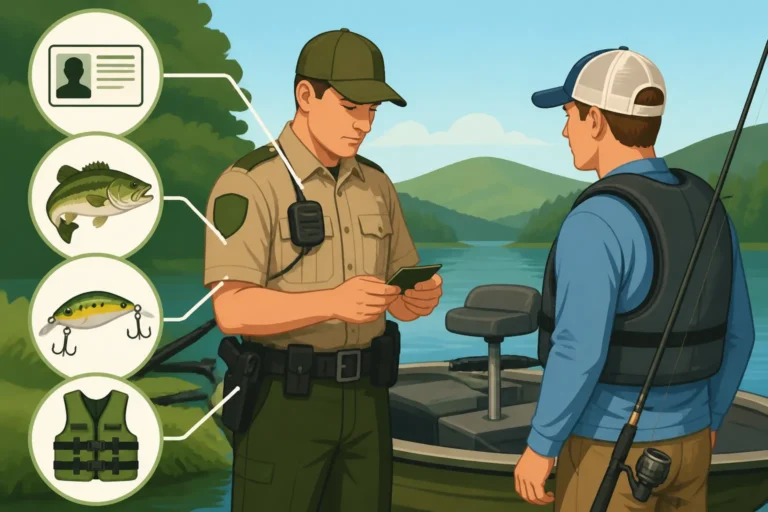
When you're out on the water, it's a good idea to keep a running count in your head, especially if you're having a particularly good day. Sometimes, anglers get so caught up in the excitement of the bite that they lose track. Having a simple fish counter (many can be found on Amazon) or even just a mental tally can prevent accidental over-creeling. Remember, ignorance of the law isn't a valid excuse if a game warden performs a license check.
Statewide Size Limit for Black Bass
Here's where it gets a little more specific. For largemouth, smallmouth, and spotted bass, the statewide size limit dictates that any fish you keep must be at least 12 inches long. This minimum length is critically important for bass management. It ensures that most bass have at least one chance to spawn before they're harvested, contributing to future generations of fish. Catching a chunky 10-inch bass can be exciting, but you’ll need to release it carefully to let it grow and reproduce.
Using a reliable measuring board is essential. Don't eyeball it! A fish that looks "close enough" might actually be undersized, and keeping one could lead to a citation. Many measuring boards are readily available and can be a handy addition to your tackle box, alongside your favorite lures and extra line. This 12-inch rule is quite common in many states, reflecting a widely accepted best practice in bass fisheries management. For more details on these specific limits, you can refer to our guide on Kentucky Statewide Bass Size and Daily Limit Rules.
Notable Exceptions to Statewide Bass Rules
While this guide focuses on statewide limits, it's worth acknowledging that there are a few very specific, important exceptions that deviate from the 12-inch minimum or the 6-fish daily limit. For instance, you’ll find different bass regulations at places like Lake Barkley, where the bass population is managed with a 15-inch minimum size limit for largemouth and smallmouth bass. This is done to achieve specific management goals for that particular fishery, often due to unique ecological factors or fishing pressure.
These site-specific rules underscore the importance of checking local regulations. Always treat the statewide limits as your baseline, but then take that extra step to verify if you’re fishing a particular body of water that might have a special set of rules. A quick look at the KDFWR fishing guide will clarify any nuances, ensuring your fishing trip is worry-free.
Crappie Fishing Limits
Crappie, both black and white, are a favorite among Kentucky anglers, known for their delicious fillets and their tendency to school up, offering some fast-paced action. They are particularly popular during their spring spawn, but can be caught year-round.
Statewide Daily Creel Limit for Crappie
When it comes to crappie, Kentucky is quite generous. The statewide daily creel limit for crappie, encompassing both black and white species, is a hearty 20 fish per day. This allows anglers to take home a substantial mess of these tasty panfish, which is often a big draw for families and those looking to stock their freezer. The relatively high limit reflects the crappie's reproductive success and ability to sustain higher harvest rates in many of Kentucky's lakes and reservoirs.
Imagine a perfect spring day, the crappie are biting, and you’re pulling them in one after another. Having a 20-fish limit means you can truly enjoy that bounty without feeling like you have to stop after just a few keepers. It’s one of the reasons crappie fishing is such a beloved pastime across the state.
Statewide Size Limit for Crappie
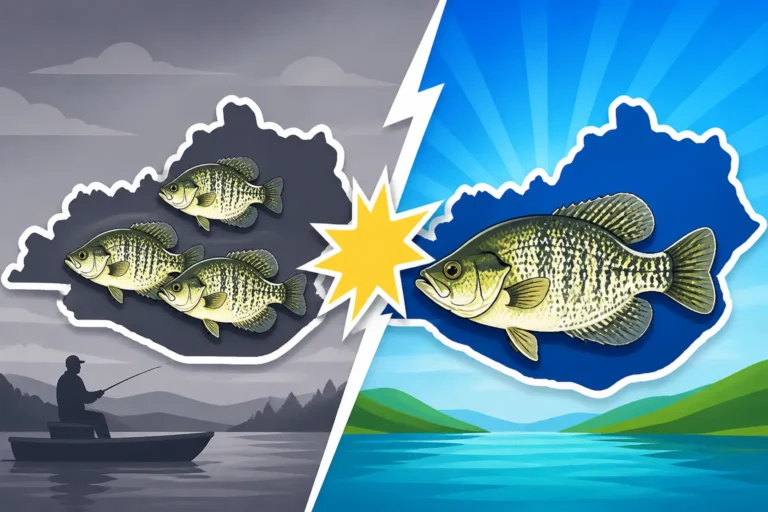
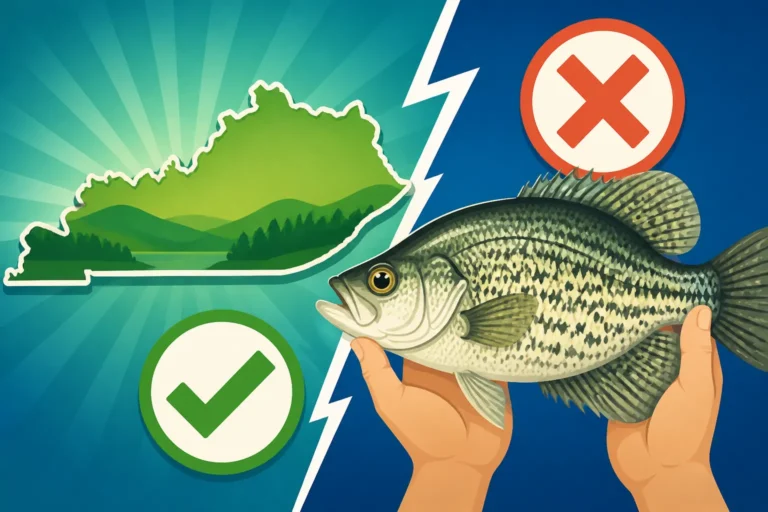
Perhaps one of the most surprising aspects for new crappie anglers is that there is no statewide size limit for crappie in Kentucky. That’s right, for most waters, if you catch a crappie, no matter how small, it counts towards your 20-fish daily limit. This differs significantly from bass regulations and gives anglers a lot of flexibility. It’s common to hear anglers debate whether to keep smaller crappie, but legally, you’re often permitted to do so.
This "no size limit" rule is generally in place because crappie populations can fluctuate significantly and often benefit from some level of harvest across all size classes to prevent overpopulation and stunting in certain fisheries. However, many seasoned anglers will voluntarily release smaller crappie to allow them to grow, focusing on the larger slabs for their dinner plate.
Specific Crappie Size Limit Exception at Barren River Lake
Just like with bass, there's a very prominent exception to the statewide crappie rule, and it’s important to know about it. Barren River Lake has a 10-inch minimum size limit for crappie. This means any crappie caught in Barren River Lake must be at least 10 inches long to be kept, and the 20-fish daily creel limit still applies.
This exception at Barren River Lake is a classic example of how local conditions dictate specific rules. Fisheries biologists observed a need to protect crappie in that particular lake to allow them to reach a larger, more desirable size, and thus contribute more to the overall health and quality of the fishery. If you’re planning a trip to this popular lake, be sure to have your measuring tape ready. For more details on this specific rule, you can check out Barren River Lake Crappie Size Limit in Kentucky. This kind of variation is precisely why keeping an up-to-date physical or digital copy of the KDFWR fishing guide handy is such a good idea; many anglers prefer to keep a laminated copy bought from Amazon in their boat or tackle bag.
Catfish Species Limits
Catfish, including channel, blue, and flathead, are another immensely popular target for anglers in Kentucky. Whether you’re setting trotlines on the Ohio River or bank fishing a local pond, catfish offer a unique and rewarding fishing experience. They’re known for their powerful fights and are highly prized for their taste.
Statewide Daily Creel Limit for Catfish
For channel catfish, blue catfish, and flathead catfish combined, the statewide daily creel limit is 15 fish per day. This means you can keep a mixed bag of these three species, up to 15 in total. This generous limit recognizes the robust nature of Kentucky's catfish populations and their ability to sustain a healthy harvest.
Catfishing is often a social affair, with groups of friends or family fishing together, and a 15-fish limit per person means everyone has a good chance to contribute to a fantastic fish fry. This regulation ensures that there's ample opportunity for anglers to enjoy their catches while still maintaining strong catfish numbers for future fishing trips.
Statewide Trophy Catfish Rule (Size Exception)
Here’s a crucial detail for catfish anglers: while there isn't a minimum statewide size limit for most catfish, there's a very important trophy fish rule that acts as a de facto size restriction for larger fish. Out of your 15-fish daily limit, you are only allowed to keep one catfish that is 25 inches or longer.
This regulation is designed to protect the breeding stock of large, mature catfish, particularly blue and flathead catfish, which can grow to immense sizes. These big fish are vital for the health of the fishery, contributing significantly to reproduction and genetics. While catching a giant catfish is thrilling, you’ll need to make a decision if you've already kept one over 25 inches for the day. This rule encourages catch-and-release for additional big fish, allowing them to continue to grow and reproduce, ensuring that trophy opportunities exist for generations to come. For more information on this, check out Kentucky Catfish Daily Limit and Trophy Fish Rule.
The Importance of Species Identification for Catfish
With channel, blue, and flathead catfish all counting towards the same 15-fish combined limit and the same trophy rule, it becomes important to be able to identify them accurately, especially if you’re getting close to your one-over-25-inch quota. Channel cats typically have a forked tail and scattered spots (though spots can fade in larger fish). Blue cats also have a forked tail but usually lack spots and have a more pronounced hump on their back, with an anal fin that has a straighter margin and more rays. Flatheads, by contrast, have a squarer, less-forked tail, a distinctive flat head, and a lower jaw that protrudes beyond the upper jaw, with mottled brown and yellow coloration. If you're unsure, it's always safer to measure and, when in doubt, release.
Trout Fishing Limits
Trout fishing in Kentucky offers a different kind of angling experience, often found in cooler, clearer waters like tailwaters below dams or certain stocked streams. Rainbow, brown, and brook trout are the primary species managed. Kentucky isn't typically known as a "trout state" in the same vein as some mountain states, but the KDFWR actively stocks trout to provide fantastic opportunities, particularly in places like the Cumberland River below Lake Cumberland.
Statewide Daily Creel Limit for Trout
The statewide daily creel limit for trout is 8 fish per day. This limit applies to all species of trout combined (rainbow, brown, and brook). Compared to bass or crappie, this limit is smaller, reflecting the different management strategies for trout, which are often heavily reliant on stocking programs.
For many trout anglers, the experience is less about filling a cooler and more about the delicate art of fly fishing or ultralight spinning gear, and the serene beauty of the waters. An 8-fish limit provides a good balance, allowing anglers to take some fish for a fresh meal while ensuring the stocked populations are not depleted too quickly. Remember, most trout fishing in Kentucky also requires a special Kentucky Trout Permit Guide in addition to your general fishing license, so don't forget that extra stamp!
Statewide Size Limit for Trout
For trout, there is no statewide size limit. This means that if you catch a legal trout (one that has been stocked in public waters), it counts towards your 8-fish daily limit, regardless of its length. This approach simplifies things for anglers and aligns with the put-and-take nature of many stocked trout fisheries in the state.
While there's no minimum size, many anglers will still opt to release smaller trout, especially if they are targeting larger, more mature fish. It’s a personal preference that speaks to the angler's respect for the resource. Just like with crappie, the legal allowance for smaller fish is a practical aspect of managing a put-and-take fishery, where the goal is to provide consistent opportunities for harvest.
Catch-and-Release Zones and Special Regulations for Trout
While the statewide limits are 8 fish with no size minimum, it is particularly vital to check for site-specific regulations when trout fishing. Some highly managed trout waters, especially certain sections of the Cumberland River or small mountain streams, might have very specific catch-and-release only zones, different daily limits, or even slot limits for certain trout species.
These special regulations are put in place to protect wild trout populations where they exist, or to foster a trophy fishery in specific areas. For example, some stretches might allow only artificial lures with single barbless hooks, or have a much stricter one-fish limit with a specific size window. Always, always check the KDFWR’s current fishing guide for the specific body of water you intend to fish for trout. It could save you a hefty fine and ensure you’re respecting these fragile fisheries.
Panfish (Bluegill, Sunfish) Limits
Panfish, including bluegill, redear sunfish, green sunfish, and others, are often the first fish many of us ever catch, and they remain a beloved target for anglers of all ages, especially those fishing with kids. They're abundant, eager biters, and excellent table fare.
Statewide Daily Creel Limit for Panfish
When it comes to the vast majority of panfish species—bluegill, redear sunfish, green sunfish, warmouth, rock bass, and others—Kentucky generally has a very generous combined daily creel limit of 30 fish per day. This high limit reflects the incredible abundance and rapid reproductive rates of these species.
This is fantastic news for families looking for a fun, productive day on the water. It means plenty of action and often enough fish to make a substantial meal. Many a summer evening has been made perfect by a platter of fresh-fried bluegill, and Kentucky's regulations support that tradition. This liberal limit encourages anglers to harvest these fish, which can sometimes help prevent overpopulation and stunting in smaller ponds.
Statewide Size Limit for Panfish
For most panfish species, there is no statewide size limit in Kentucky. If it’s a panfish, it counts towards your 30-fish limit, regardless of its size. This is similar to the general crappie rules and makes panfishing incredibly straightforward. You don't have to worry about measuring every little sunfish; if you want to keep it, and you're under your creel limit, it's yours.
The absence of a size limit means that even the smallest angler can contribute to the day's catch, which is part of what makes panfishing such a wonderful entry point into the sport for children. It removes a layer of complexity and allows for pure, unadulterated fun.
No Significant Statewide Exceptions for Panfish
Unlike bass, crappie, or trout, panfish rarely have complex site-specific regulations concerning size or bag limits. The 30-fish daily creel limit and no size limit rule hold true for almost all public waters across the state. This consistency is a blessing for anglers who just want to enjoy a simple, relaxing day of fishing without needing to consult a detailed map of exceptions. You can usually cast a line into any public lake or pond for panfish with confidence that the general statewide rules apply.
However, always remember that having a valid Kentucky Fishing License Guide is crucial for anyone over the age of 16, even if you’re only targeting panfish in a small public pond. Don’t get caught without it; game wardens do conduct checks, and it’s always best to be prepared.
Walleye, Sauger, and Saugeye Limits
Walleye, sauger, and saugeye are highly sought-after game fish in Kentucky, known for their elusive nature and delectable white meat. While not as widespread as bass or crappie, they provide thrilling opportunities, especially in specific river systems and reservoirs.
Statewide Daily Creel Limit for Walleye, Sauger, and Saugeye
The statewide daily creel limit for walleye, sauger, and saugeye combined is 6 fish per day. This consolidated limit prevents confusion between these closely related species, which can sometimes be difficult to tell apart for the untrained eye. It’s also a more conservative limit than for some other species, reflecting the more specialized nature of these fisheries.
These fish are often deeper dwellers or found in specific currents, making them a challenge to locate. The 6-fish limit encourages responsible harvesting while allowing anglers to enjoy the fruits of their labor. It's important to remember that once you've kept your 6, any additional walleye, sauger, or saugeye must be released immediately and unharmed.
Statewide Size Limit for Walleye, Sauger, and Saugeye
Here's where it gets a little more nuanced. For walleye, sauger, and saugeye, the statewide regulation specifies a 15-inch minimum size limit. This means any fish you intend to keep must measure at least 15 inches from the tip of the snout to the tip of the tail.
This minimum size limit is in place to protect juvenile fish and allow them to grow to a mature, spawning size, ensuring the long-term health of these populations. It also means you’re more likely to be taking home a fish that offers a decent meal, rather than a small, bony one. Given their popularity and the effort often involved in catching them, this 15-inch mark ensures a quality catch for those kept. A good, sturdy measuring tape from Amazon can be invaluable here.
River Systems and Tailwaters: Key Areas for Walleye/Sauger
While these are the statewide limits, walleye and sauger populations are often concentrated in specific river systems, particularly the Ohio River and the tailwaters below major dams like Lake Barkley. These areas can sometimes have intense fishing pressure, making careful adherence to limits even more important. Understanding how these fish migrate and relate to current can dramatically improve your success, but always keep those regulations in mind.
Kentucky Fishing Limits At A Glance
To help you keep track of the most common statewide regulations, here's a handy table summarizing the information we've covered. Remember, this table reflects statewide rules, and checking for local exceptions is always a smart move before you head out!
| Fish Species | Statewide Daily Creel Limit | Statewide Size Limit | Notable Exceptions (Local) |
|---|---|---|---|
| Black Bass | 6 (combined) | 12 inches minimum | Lake Barkley: 15 inches minimum |
| Crappie | 20 (combined) | No statewide minimum | Barren River Lake: 10 inches minimum |
| Catfish (Channel, Blue, Flathead) | 15 (combined) | 1 over 25 inches per day | No general statewide minimum, but one trophy rule applies. |
| Trout (Rainbow, Brown, Brook) | 8 (combined) | No statewide minimum | Specific catch-and-release zones/slot limits on certain waters. |
| Panfish (Bluegill, Sunfish, etc.) | 30 (combined) | No statewide minimum | No significant statewide exceptions. |
| Walleye, Sauger, Saugeye | 6 (combined) | 15 inches minimum | Specific regulations for some river segments or during runs. |
Why These Regulations Matter for Every Angler
Understanding and respecting Kentucky's fishing regulations isn't just about avoiding a fine; it's about being a responsible steward of our natural resources. Every angler plays a role in conserving our fisheries for future generations. When you adhere to the Kentucky Fishing Regulations Explained, you're helping to ensure that your kids, grandkids, and beyond will have the same fantastic opportunities to cast a line and reel in a great catch.
These rules are dynamic and can occasionally change, so it's always a good habit to consult the latest KDFWR fishing guide each year. You can usually pick one up where you buy your Kentucky Fishing License Costs and Types, or download a digital copy directly from the KDFWR website. This small effort ensures you're always up-to-date and fishing legally. Remember, whether you're fishing from a boat or enjoying Bank Fishing Techniques for Beginners, knowing the rules is part of the fun!
Disclaimer
Please note that while this guide provides comprehensive information on Kentucky's statewide fishing regulations, rules can change. Always consult the most current Kentucky Department of Fish and Wildlife Resources (KDFWR) fishing and boating guide or their official website before heading out on the water to ensure you have the most up-to-date and accurate information for the specific body of water you intend to fish. This content is for informational purposes only and should not be considered legal advice.