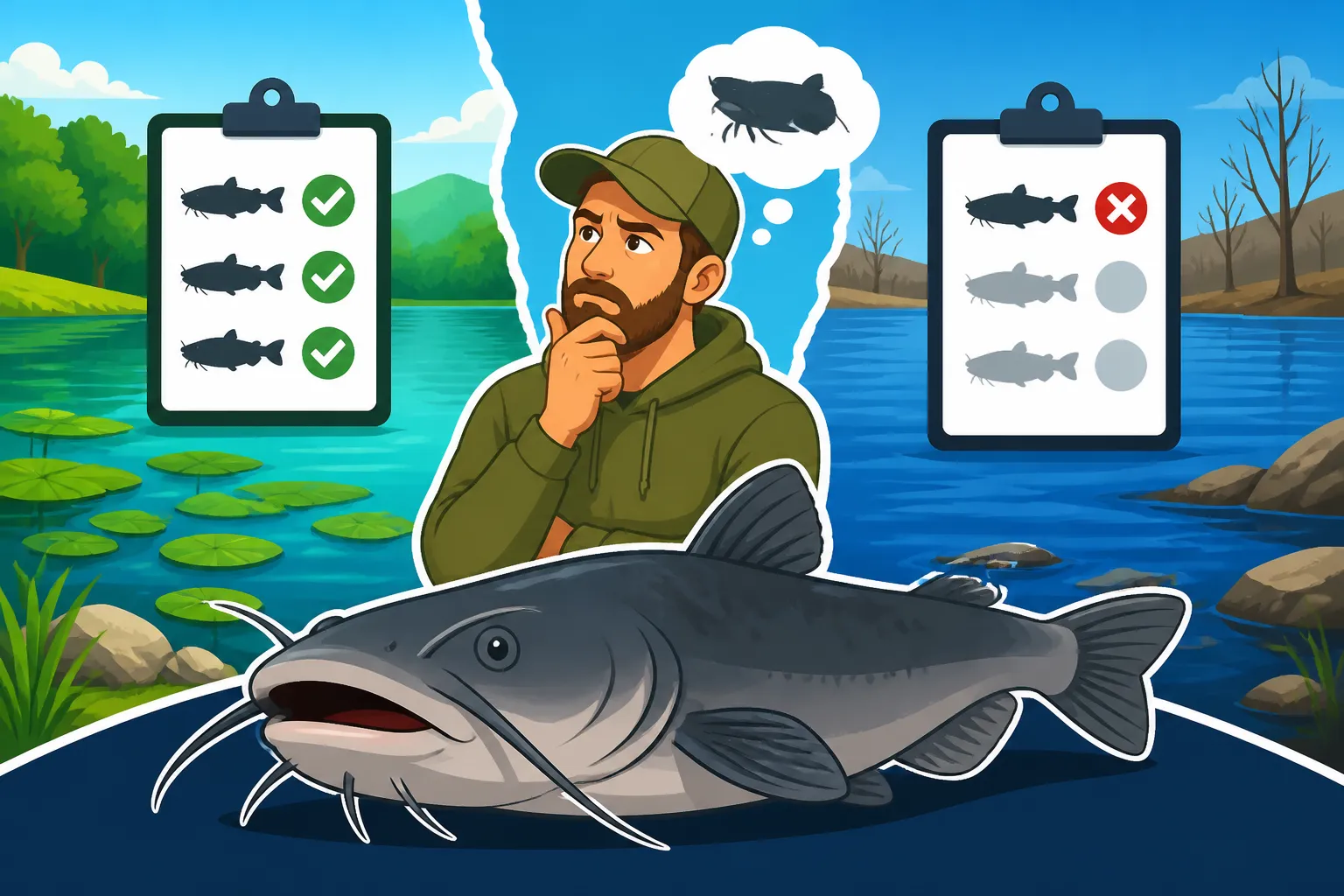
Why Catfish Limits Change From One Lake to Another
You've got your tackle box packed, your favorite catfish bait ready, and visions of a trophy blue cat dancing in your head. You're heading to a new lake or river in Kentucky, and you're pretty sure you know the statewide catfish limits. But then, you check the guide, and suddenly, those limits look different for that specific water body. It's a common and often frustrating scenario for anglers, leaving you scratching your head and wondering why the rules aren't just consistent across the board. This comprehensive guide is here to clear up that confusion, explaining exactly why catfish limits change from one Kentucky lake to another, so you can fish with confidence and stay on the right side of the law.
The Baseline: Kentucky's Statewide Catfish Regulations
Before we dive into the fascinating world of lake-specific exceptions, it’s crucial to understand the foundation: Kentucky's general statewide catfish regulations. These are the rules that apply to most public waters across the Commonwealth, setting a baseline that protects fish populations while still allowing for plenty of angling opportunities. Think of it as the default setting that gets tweaked depending on local conditions.
The General Aggregate Limit
Across most of Kentucky's lakes, rivers, and streams, the daily aggregate limit for all catfish species combined—that's channel, blue, and flathead catfish—is 15 fish. This means that whether you catch 15 channel cats, 5 blues and 10 flatheads, or any other combination, your total daily haul for these three species cannot exceed 15. This straightforward number helps manage overall harvest pressure and ensures a sustainable population for future generations of anglers. It's a blanket rule designed to be easy to remember for the majority of your fishing trips.
This aggregate rule is designed for simplicity, but it's vital to remember it's a combined total. You can't catch 15 channel cats and then another 15 blue cats. Once you hit that 15-fish mark for any combination of these species, your daily limit has been met. For those eager to delve deeper into the nuances, you can explore the details in our guide on Kentucky Catfish Daily Limit and Trophy Fish Rule. Understanding this foundational rule is the first step in appreciating why and how specific water bodies might deviate from it.
Understanding the "One Over 25 Inches" Rule
Adding another layer to the statewide regulation is the "only one catfish over 25 inches" rule. Out of your 15-fish aggregate daily limit, only one of those fish, regardless of species, can be longer than 25 inches. This is a critical conservation measure aimed at protecting larger, mature breeding stock and promoting the growth of trophy-sized fish. These larger individuals are often the most productive spawners, contributing significantly to the health and vitality of the catfish population.
Imagine you've had an incredible day on the water, pulling in several impressive catfish. You've got a 28-inch channel cat, a 30-inch blue cat, and a couple of nice 22-inch flatheads, along with some smaller ones. Under the statewide rule, you could only keep one of those fish over 25 inches. The others, if they exceed that 25-inch mark, would need to be released. This rule is often where anglers get tripped up, especially when they're used to catching and keeping everything they reel in. It's a clear indicator that Kentucky's wildlife management focuses on both quantity and quality, ensuring a balance between angler enjoyment and species protection. For a broader overview of the various species, our Kentucky Fish Species Guide: 265 Types You Can Catch provides an excellent resource.
Unpacking the Reasons for Lake-Specific Catfish Rules
So, now that we understand the statewide standard, why do some lakes or river stretches have different catfish limits? It's not just to make things confusing, I promise! These variations are rooted in scientific research, environmental factors, and the specific management goals for each unique body of water. Kentucky Fish and Wildlife resource managers are constantly studying fish populations, their habitats, and how angling pressure affects them to ensure sustainable fisheries for everyone.
Ecological Factors and Fish Population Dynamics
One of the primary drivers behind varying catfish limits is the unique ecological makeup and fish population dynamics of each lake or river. Not all waters are created equal when it comes to supporting catfish. Factors like water depth, food availability, water quality, and the presence of natural predators all play a role in how well catfish species can thrive and reproduce. A deep, nutrient-rich reservoir with abundant forage might be able to sustain a higher harvest rate for larger fish compared to a shallower, less productive lake.
For example, a lake with a history of stunted catfish growth due to overpopulation might have more liberal harvest limits on smaller fish, encouraging anglers to remove them to allow the remaining fish to grow larger. Conversely, if a particular lake's trophy catfish population is struggling, managers might implement stricter size or daily limits to protect those bigger fish and give them a chance to rebound. These decisions are often based on years of creel surveys, electrofishing data, and angler feedback. It's a delicate balancing act, and every body of water presents its own unique set of challenges and opportunities.
Angler Pressure and Management Goals
Another significant factor is angler pressure and the specific management goals set for a particular fishery. Some water bodies, like sections of the mighty Ohio River or major reservoirs, receive incredibly heavy fishing pressure for catfish. Others, perhaps smaller, more remote lakes, see far fewer anglers. The Kentucky Department of Fish and Wildlife Resources (KDFWR) adjusts regulations to account for these differences.
For a highly popular trophy catfish destination, managers might implement more restrictive limits on larger fish to ensure there are always big ones swimming around for anglers to pursue, creating a world-class fishing experience. This can mean allowing anglers to keep a higher number of smaller fish but having stricter rules on the number of "trophy" fish they can harvest. The goal isn't just about total numbers, but about the quality of the fishing experience and sustaining a diverse age structure within the fish population. For instance, understanding How Many Catfish Over 25 Inches Can You Keep? becomes especially relevant when management aims to preserve large breeding stock in certain waters.
Habitat and Growth Rates
The specific habitat available in a lake or river, along with the growth rates of its catfish populations, also heavily influences regulation changes. Catfish, particularly flatheads and blue cats, have different habitat preferences and growth potentials depending on where they live. A large, sprawling river system like the Ohio River with vast expanses of deep water, strong currents, and abundant food sources might support faster-growing, larger catfish compared to a smaller, more contained lake.
If a lake has a healthy, fast-growing population of blue catfish that can quickly reach trophy sizes, managers might allow for slightly more generous trophy limits. Conversely, if a lake struggles with habitat degradation or limited food sources, leading to slower growth, managers might impose more conservative limits to allow fish more time to mature. These habitat considerations are why anglers are always encouraged to look up site-specific rules before dropping a line. Fishing equipment, like specialized rods for large catfish, can often be found on Amazon, helping you gear up for any specific conditions you might encounter.
Navigating Specific Waterways: Examples of Varied Catfish Limits
Understanding the "why" behind the variations is one thing, but seeing it in practice on Kentucky's diverse waterways truly drives the point home. Let's look at a couple of prominent examples to highlight how catfish limits can differ.
The Ohio River: A Trophy Catfish Destination with Unique Rules
The Ohio River, a major artery forming much of Kentucky's northern border, is renowned as a premier trophy catfish destination. It's home to some truly monstrous blue and flathead catfish, attracting anglers from across the region. Due to its unique ecosystem, vast size, and the incredible potential for massive fish, the Ohio River often has slightly different regulations compared to most inland lakes.
While the aggregate daily limit of 15 catfish (channel, blue, and flathead combined) still applies on the Ohio River, the size rules are where things get interesting. Instead of the statewide "only one over 25 inches" rule, on the Ohio River, you're permitted to keep one blue catfish over 35 inches AND one flathead catfish over 35 inches as part of your 15-fish daily limit. This specific regulation is a direct reflection of the river's capacity to grow truly giant catfish and the management goal of sustaining a trophy fishery. It allows anglers the exciting chance to harvest a couple of legitimate monsters while still controlling the overall take.
Think about it: the Ohio River's immense volume, consistent current, and abundant food supply create an ideal environment for these fish to reach epic proportions. Protecting the largest spawners is still important, but allowing for a couple of exceptional trophy fish per angler is a nod to the river's unique capabilities and the type of fishing experience it offers. It’s also worth noting that the rules on the Ohio River can sometimes be influenced by reciprocal agreements with neighboring states like Ohio and Indiana, further complicating things if you're not checking the specific Kentucky regulations. For those interested in the species on offer, our Kentucky Fish Species Guide: 265 Types You Can Catch provides great context.
Regional Reservoirs: Local Nuances and Standard Limits
While the Ohio River stands out with its specific trophy catfish rules, many of Kentucky's large inland reservoirs largely adhere to the statewide limits, with minimal deviations. Lakes like Lake Cumberland: Kentucky's Best All-Around Fishing Lake, Lake Barkley Fishing Guide for Kentucky Anglers, or Barren River Lake Fishing Guide for Kentucky Anglers generally follow the 15-fish aggregate daily limit with only one over 25 inches.
However, even within these seemingly standard lakes, local management might occasionally implement temporary or very specific adjustments based on localized biological surveys. These could be subtle, perhaps affecting a specific cove or an isolated section of the lake for a limited time. It's less common for catfish than for species like bass or crappie, but the possibility always exists, underscoring the importance of checking current regulations. This consistent application of statewide rules on most major reservoirs means that KDFWR has determined that these waters are best managed under the general guidelines to ensure healthy, sustainable catfish populations.
Here’s a quick glance at how some of these limits compare:
| Water Body | Daily Aggregate Catfish Limit | Special Size or Trophy Limits |
|---|---|---|
| Statewide (most lakes) | 15 fish | Only 1 fish of any catfish species over 25 inches |
| Ohio River | 15 fish | May keep 1 blue catfish over 35 inches AND 1 flathead catfish over 35 inches (these count towards the 15 fish limit) |
| Barren River Lake | 15 fish | Same as Statewide (1 over 25 inches) |
| Lake Barkley | 15 fish | Same as Statewide (1 over 25 inches) |
As you can see, the differences, while sometimes subtle, are significant. Ignoring these nuances could lead to a citation from a game warden. This is why it’s so critical to not just assume the rules are the same everywhere you fish, even within Kentucky. Knowing your local rules is paramount. If you need to upgrade your fishing tackle to match specific conditions, you can often find great deals and a wide selection on Amazon.
Staying Informed: Your Role as a Responsible Angler
The varying nature of fishing regulations, particularly for species like catfish, means that staying informed is not just a good idea—it's essential for responsible and legal angling. Nobody wants to have a great day on the water only to find out they've accidentally broken a rule. The responsibility falls squarely on the angler to know and abide by the current regulations for the specific waters they intend to fish.
Where to Find the Most Current Regulations
The single most reliable source for current Kentucky fishing regulations is the official Kentucky Department of Fish and Wildlife Resources (KDFWR) website. They publish an annual Fishing & Boating Guide, which is available both online as a downloadable PDF and in print at most bait shops, sporting goods stores, and county clerks' offices. This guide is your bible for all things regulation-related, from statewide limits to lake-specific exceptions. Make it a habit to consult this guide before every fishing trip, especially when venturing to a new body of water. Our detailed Kentucky Fishing Regulations Explained guide walks you through the ins and outs.
Beyond the annual guide, the KDFWR website often provides real-time updates or alerts regarding specific lake conditions or temporary regulation changes. It's a good idea to check their "Fishing Forecasts" or "News & Events" sections for any last-minute adjustments. Remember, regulations can and do change, sometimes in response to environmental factors, fish disease, or population booms/busts. An outdated paper copy of the regulations might not reflect the most current rules. Always double-check, especially if it's been a while since you last fished a particular spot. Many seasoned anglers keep a digital copy on their phone or even buy a laminated version from retailers like Amazon to have on hand. For a comprehensive overview, our guide on Checking Current Regulations Before a Fishing Trip is an invaluable resource. Understanding Statewide Limits vs Lake-Specific Exceptions Explained will save you a lot of headaches.
Disclaimer
The information provided in this guide is for general informational purposes only and is not intended as legal advice. Fishing regulations can change frequently. Always consult the most current Kentucky Department of Fish and Wildlife Resources (KDFWR) official regulations before engaging in any fishing activities. Compliance with all applicable laws and regulations is the sole responsibility of the angler.