Ohio Anglers Fishing in Kentucky Waters
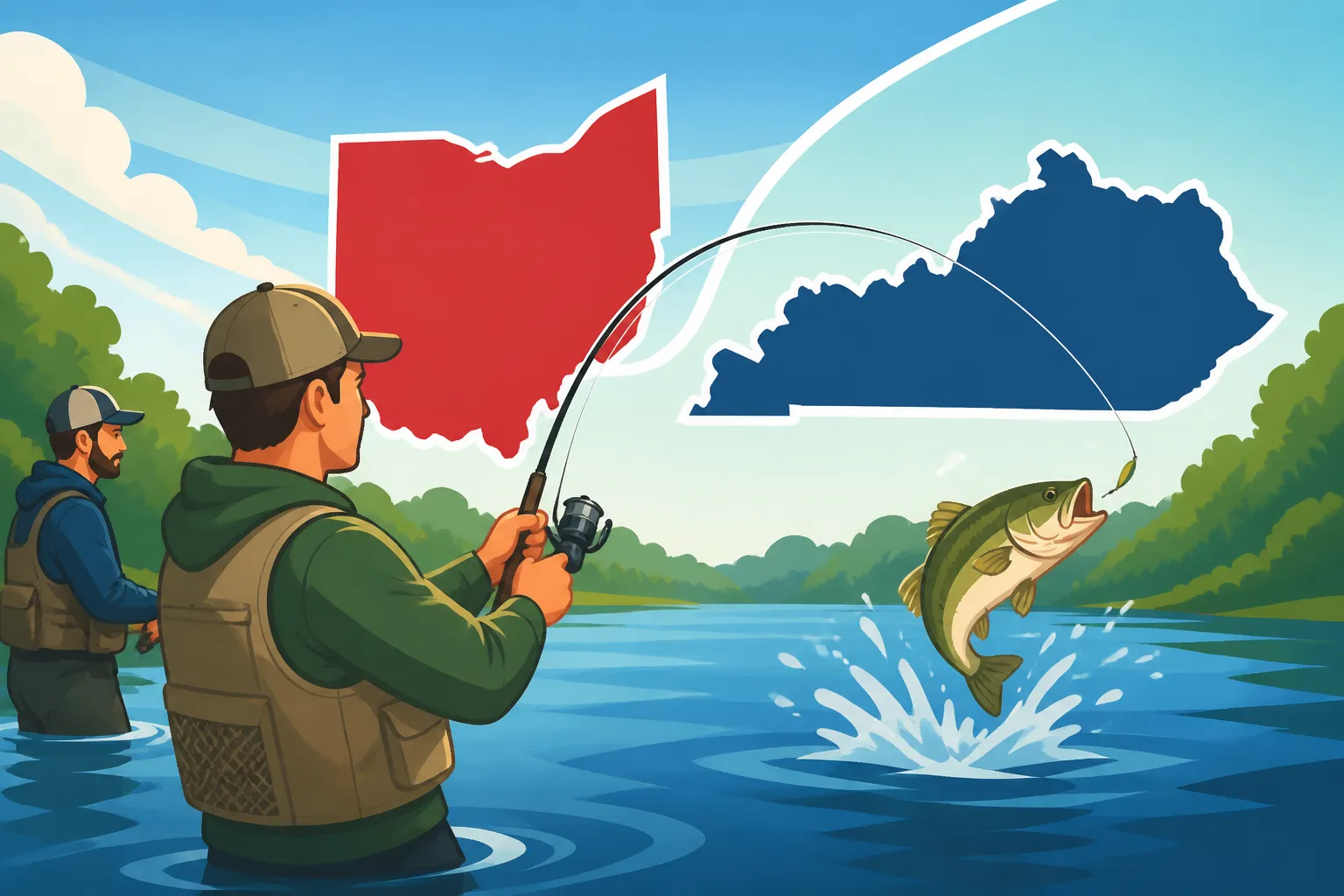
For Ohio anglers, the allure of Kentucky's diverse fishing waters, from the mighty Ohio River itself to its countless tributaries and serene inland lakes, is undeniable. However, navigating the specific licensing and regulation requirements when crossing state lines can feel like a confusing tangle of lines and knots. It's easy to assume your Ohio license covers everything, but that's a common misconception that can lead to unexpected fines. This comprehensive guide is designed to clarify exactly when an Ohio angler needs a Kentucky fishing license, what permits are necessary, and how to stay on the right side of the law while enjoying the fantastic fishing opportunities Kentucky offers.
Navigating the Ohio River: Kentucky's Northern Border
The Ohio River forms a significant portion of Kentucky's northern boundary, and its expansive waters are a magnet for anglers from both states. However, the specific rules governing who needs what license on this shared waterway are often misunderstood, leading to potential headaches for those not in the know.
Understanding Reciprocity on the Main Stem
When it comes to the main stem of the Ohio River, there's a unique and sometimes confusing reciprocity agreement in place between Kentucky and Ohio. If you are a properly licensed resident of Ohio, holding a valid Ohio fishing license, you are generally permitted to fish the main stem of the Ohio River without needing an additional Kentucky fishing license. This holds true whether you're casting from a boat or from the Ohio bank that directly borders the main stem. This agreement is a fantastic convenience for those who primarily stick to the main channel, allowing seamless movement across the river for fishing purposes. Many anglers appreciate this reciprocal arrangement, as it prevents the hassle and expense of having to buy two licenses just to fish the same continuous body of water.
However, it's absolutely crucial to understand the precise definition of "main stem." This reciprocity only applies to the primary channel of the Ohio River itself. It does not extend into any other waters that might be geographically within Kentucky's borders, regardless of how close they are to the Ohio River. This distinction is where many Ohio anglers inadvertently run into trouble.
When Kentucky Rules Take Over: Tributaries and Embayments
This is the critical point where Ohio anglers often find themselves on the wrong side of Kentucky fishing regulations. The moment your boat or your cast ventures into any tributary, creek, embayment, or backwater that is considered to be geographically within Kentucky's territory, the reciprocity agreement vanishes. You are now fishing in waters exclusively under Kentucky jurisdiction, and a valid Kentucky fishing license becomes mandatory. This boundary isn't always marked by buoys or signs, which can make it particularly tricky for newcomers or those unfamiliar with specific stretches of the river.
Consider a common scenario: You're happily trolling for hybrid striped bass in the main channel of the Ohio River, perhaps near Cincinnati or Louisville, with your valid Ohio license in hand. Suddenly, you spot some promising cover or a creek mouth on the Kentucky side and decide to explore it. The instant your boat, or even just your fishing line, crosses into a Kentucky-side tributary like the Licking River, Harrods Creek, or any other arm of water extending inland from the main channel, you've left the reciprocal zone. You are now operating under Kentucky's sole authority, and without a Kentucky fishing license, you are fishing illegally. This also applies if you decide to fish from the Kentucky bank of the Ohio River, even if you're only a few yards from the main channel. Kentucky's game wardens are well aware of these common confusion points and are diligent in patrolling them to ensure compliance.
Essential Kentucky Fishing License Requirements for Ohio Anglers
So, if you plan to explore beyond the main stem of the Ohio River or visit any of Kentucky's incredible inland lakes and rivers, you'll need to secure the proper Kentucky credentials. It's a straightforward process, but knowing your options can save you time and money.
The Basics: Nonresident Licenses
For any Ohio resident venturing into Kentucky-controlled waters, a Kentucky nonresident fishing license is your first and most fundamental requirement. Kentucky offers several options to accommodate different trip lengths and frequencies, ensuring you can pick the most cost-effective solution for your angling plans.
The most popular choices include:
- Annual Nonresident Fishing License: This is perfect if you anticipate making multiple trips throughout the year. As of the current license year (which runs from March 1st to the last day of February), the Nonresident Annual Fishing License Cost in Kentucky is typically around $58.14. It covers you for a full license year, offering the best value for frequent visitors.
- 7-Day Nonresident Fishing License: If you're planning a week-long fishing vacation or several shorter trips within a seven-day window, this can be a convenient and more affordable alternative to the annual option. The current cost is around $37.
- 1-Day Nonresident Fishing License: This is ideal for a quick day trip across the border. It's the most budget-friendly option for single outings, costing approximately $15.86. For those trying to decide between a short-term or annual option, it's worth reviewing how a "$7.40 vs $24.31: When a 1-Day License Beats the Annual" for residents might also apply to nonresidents when considering the 1-day vs annual cost difference.
Acquiring your Kentucky nonresident license is quite simple. The Kentucky Department of Fish and Wildlife Resources (KDFWR) website is the easiest place to purchase it online, allowing you to print it instantly or save a digital copy to your phone. Many local bait and tackle shops, as well as major retailers like Walmart, also serve as license vendors across the state, giving you plenty of options no matter where you are in Kentucky. For a full breakdown on how to get started, you can check out the guide on How to Get a Fishing License in Kentucky.
Understanding Additional Permits: The Trout Permit
Kentucky is renowned for its excellent trout fishing opportunities, particularly in tailwaters below dams and in cold-water streams. However, if you plan to target trout, even with your valid Kentucky fishing license in hand, you must also purchase a Kentucky Trout Permit. This isn't just an extra hurdle; it's a vital part of funding Kentucky's robust trout stocking programs and conservation efforts that keep these fisheries thriving.
The good news is that the Kentucky Trout Permit Costs $10.57 for Everyone, whether you're a Kentucky resident or an out-of-state angler from Ohio. It’s a flat fee that ensures everyone contributing to the trout fishery. This permit is required regardless of your age, unless you are exempt from needing a fishing license altogether (e.g., children under 16). So, if you're planning to fish the legendary Cumberland River below Wolf Creek Dam, or cast a line for rainbows in Lake Cumberland, make sure that trout permit is tacked onto your fishing license. You can learn more about this specific requirement in the Kentucky Trout Permit Guide. It's a small additional investment that helps sustain a fantastic angling experience.
Navigating Kentucky's Fishing Regulations as an Outsider
Beyond just the license, understanding the specific rules about what you can catch, how many, and how big, is paramount. Kentucky's regulations can vary significantly, not just statewide but often from one lake to another.
Statewide vs. Site-Specific Rules
This is where many anglers, even those familiar with their home state's general rules, can get tripped up. Kentucky, like most states, has a set of statewide bag and size limits for popular fish species. These provide a baseline, but they are by no means the only rules you need to follow. The KDFWR implements site-specific regulations on many popular lakes and rivers to manage fish populations more effectively, based on local conditions, growth rates, and angler pressure.
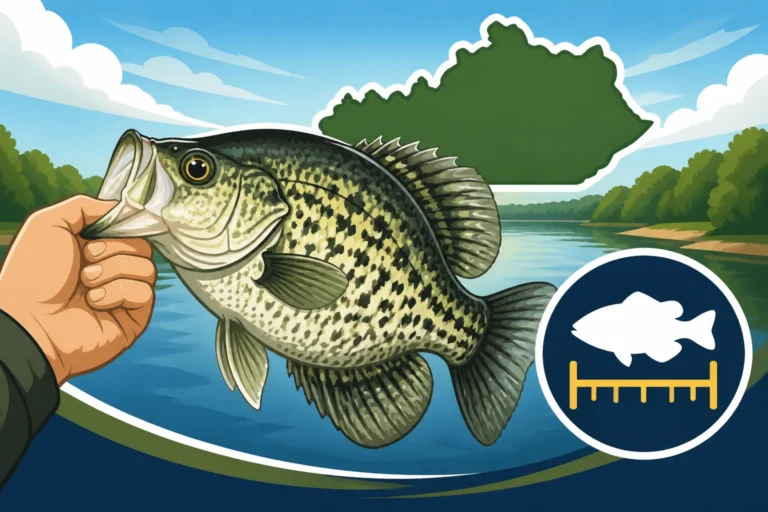
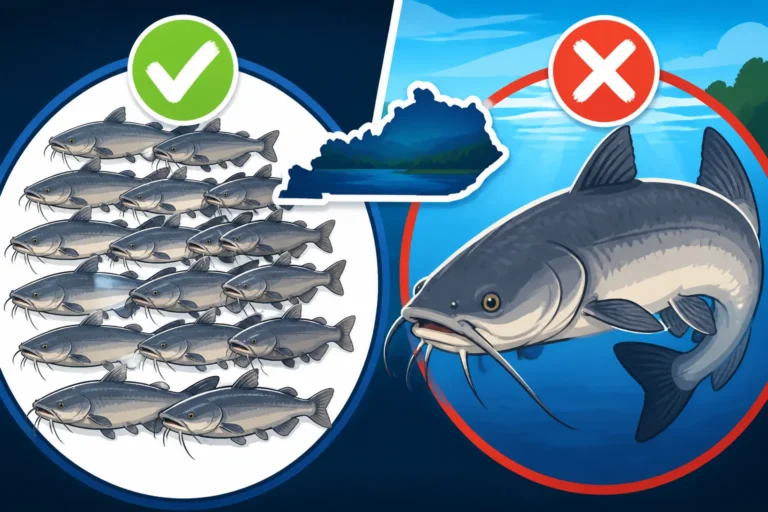
For example, statewide, Kentucky has a generous black bass (largemouth, smallmouth, spotted bass) daily limit of 6 fish, with a minimum size of 12 inches. However, if you decide to fish Lake Barkley, a popular destination, you'll find a stricter minimum size limit for largemouth and smallmouth bass. Similarly, while the statewide crappie limit is 20 fish daily with no minimum size generally, Barren River Lake has a specific 10-inch minimum size limit for crappie. Catfish also have statewide limits (15 fish daily, but only one blue or channel catfish over 25 inches), but some lakes or river stretches might have different rules. For a comprehensive overview, it's essential to consult the Kentucky Fishing Regulations Explained guide, and always double-check the KDFWR website for the most up-to-date information before you head out. These details are often printed in the annual fishing guide, which you can usually find at license vendors or download online. Always assume there might be a local exception to a statewide rule! You can also find a lot of information in the Statewide Bag and Size Limits by Fish Species article.
Protecting Your Catch and Your Wallet: Penalties and Enforcement
It's easy to think "what's the big deal?" about a forgotten license or an extra fish, but Kentucky game wardens take their job seriously. Ignorance of the law is generally not considered an excuse, and the consequences for non-compliance can be quite severe, far outweighing the cost of a license or the momentary pleasure of an illegally kept fish.
Fishing without a proper Kentucky fishing license, or without a required trout permit, can result in significant fines that are typically much higher than the cost of the license itself. In addition to monetary penalties, you could face the confiscation of your fishing gear, your catch, and in some cases, even your boat. Repeat offenses or more serious violations can lead to the loss of your fishing privileges in Kentucky, and potentially even in other states through interstate compacts.
Kentucky Fish and Wildlife Conservation Officers, often referred to as game wardens, are highly visible and active on Kentucky's waterways, particularly in popular fishing destinations and along the Ohio River. They conduct routine license checks and ensure compliance with all fishing regulations. While they are often friendly and willing to answer questions, their primary role is enforcement. When they stop you, they will expect you to have your valid license and any necessary permits readily available, whether as a physical card or a digital copy on your smartphone. Understanding the potential repercussions, as detailed in Penalties for Fishing Without a License in Kentucky, makes it clear that being prepared is always the best approach. You can also gain insight into what to expect from Game Warden Enforcement and License Checks While Fishing.
Preparing for Your Kentucky Fishing Adventure
With licenses and regulations understood, it’s time to focus on the practical aspects of planning your fishing trip to Kentucky. A little preparation goes a long way in ensuring a stress-free and enjoyable experience.
Planning Your Trip and Acquiring Licenses
The single best piece of advice for any Ohio angler planning a trip to Kentucky is to make a quick check of the KDFWR website before every single outing. Regulations can be updated annually, and occasionally mid-season for specific circumstances, so relying on outdated information is a gamble. The official KDFWR website is the most reliable source for current rules, stocking reports, and news.
When it comes to purchasing your license, online is almost always the most convenient option. You can do it from the comfort of your home in Ohio, print your license immediately, and even save a digital copy to your phone or a cloud service. This ensures you have proof of purchase even if you forget the paper copy. This ease of access means there's really no excuse for fishing without a license. Alternatively, many local tackle shops, marinas, and sporting goods stores across Kentucky also sell licenses. However, buying online ensures you have it sorted before you even hit the road. Remember that the Kentucky fishing license year runs from March 1st to the last day of February, so it's always good to check the Kentucky Fishing License Year and Renewal Dates to ensure your annual license is current.
Essential Gear and Local Knowledge
Just like fishing in Ohio, having the right gear is critical for success in Kentucky. The appropriate tackle will depend heavily on the species you're targeting and the waters you plan to fish. For instance, if you're chasing trophy blue catfish on the Ohio River, you'll need robust rods, heavy lines, and strong circle hooks. If you're wading a cold-water trout stream, delicate ultralight gear and specific fly patterns might be more appropriate.
Beyond your standard rods, reels, and tackle, consider checking local online fishing forums or social media groups dedicated to Kentucky fishing. Anglers often share valuable, real-time insights into bite patterns, productive spots, and effective baits. This kind of local knowledge can be invaluable, especially when exploring new waters. You can even find specialized gear and maps tailored to Kentucky's unique fisheries. For example, if you're looking for Kentucky-specific lures, a detailed map of Lake Cumberland, or a waterproof fishing vest, a quick search on Amazon can often turn up exactly what you need. Many anglers find it helpful to research and purchase unique or hard-to-find items from Amazon before hitting the local bait shops. Also, a good pair of polarized sunglasses and sturdy, waterproof boots or waders are always a wise investment. Don't forget basic safety gear, too, like a first-aid kit and a way to communicate in case of emergency, many of which are readily available on Amazon. Having a dedicated tackle box setup for the species you are targeting will also make your trips more efficient.
Common Misconceptions and Clarifications
Even with the rules laid out, certain scenarios and assumptions can still create confusion for visiting anglers. Let's tackle a couple of frequent misunderstandings.
The "I'm Just Passing Through" Fallacy
One common misconception among Ohio anglers is the idea that if their boat is simply moving through Kentucky-controlled waters to get to another point on the Ohio River, or if they just briefly drift into a Kentucky embayment without "actively fishing" there, they don't need a Kentucky license. This is a risky assumption. The general rule is: if your fishing lines are in the water and your vessel or person is physically located within waters that fall under Kentucky's exclusive jurisdiction (i.e., not the main stem of the Ohio River), you need a Kentucky license.
For example, if you motor up a Kentucky creek from the Ohio River and your lines are still trailing in the water, even if you don't consider yourself "fishing" in that specific spot, a game warden could interpret it differently. The safest bet is to always err on the side of caution. If you find yourself leaving the main channel of the Ohio River and entering any Kentucky-controlled tributary or embayment, either pull in your lines until you're back in the reciprocal main stem, or ensure you have a valid Kentucky fishing license. This proactive approach prevents any disputes or potential fines during a routine license check.
Kids and Free Fishing Weekend Rules
Kentucky is a fantastic state for introducing kids to fishing, and it has some friendly rules in place for youngsters and during special events.
- Kids: Generally, children under the age of 16 are not required to possess a fishing license in Kentucky. This is a wonderful policy that encourages families to get out on the water together without the added expense or paperwork for the youngest anglers. It's a great opportunity for a stress-free family outing. However, it's still crucial for accompanying adults to be properly licensed, and all anglers, regardless of age, must adhere to all other fishing regulations like size and creel limits. You can find more details on Kentucky Fishing License Requirements for Kids.
- Kentucky Free Fishing Weekend: Each year, typically on the first weekend in June (often Saturday and Sunday), Kentucky hosts a statewide "Free Fishing Weekend." During these two days, both residents and nonresidents are welcome to fish in any public Kentucky waters without needing a fishing license or a trout permit. This is an absolutely fantastic opportunity for Ohio anglers to explore Kentucky's diverse fisheries without the initial cost of a license. It's also a perfect time to take a new angler out or try a new fishing spot. However, and this is a big "however," all other fishing regulations regarding size limits, creel limits, and methods of take still apply. You can't just keep every fish you catch. Make sure to check the official KDFWR calendar for the exact dates each year, as they can shift slightly. You can learn more about this popular event in the Kentucky Free Fishing Weekend Guide and get clarification on Can Nonresidents Fish Free During Kentucky's Free Fishing Weekend?. It’s a truly generous offer for anglers of all ages and backgrounds.
Kentucky Nonresident Fishing Licenses Overview
To help you quickly reference the main nonresident license options and their typical costs, here's a handy table. Please note that prices are subject to change by the Kentucky Department of Fish and Wildlife Resources, so always verify the current rates before purchasing.
| License Type | Coverage | Current Approximate Cost | Best For |
|---|---|---|---|
| Annual Nonresident Fishing | Valid for a full license year (March 1st – end of Feb) in all KY public waters | $58.14 | Frequent visitors, multiple trips throughout the year |
| 7-Day Nonresident Fishing | Valid for 7 consecutive days from purchase in all KY public waters | $37.00 | Week-long vacations, several short trips within a week |
| 1-Day Nonresident Fishing | Valid for 1 specific day in all KY public waters | $15.86 | Single day trips, testing new waters without commitment |
| Trout Permit | Required in addition to a fishing license for targeting trout | $10.57 | Any angler (resident or nonresident) fishing for trout in KY |
This table provides a quick reference, but remember that specific regulations (bag limits, size limits) can vary by water body. Always consult the KDFWR for the most current information.
Disclaimer
The information provided in this guide is intended for general informational purposes only and is not a substitute for the official regulations published by the Kentucky Department of Fish and Wildlife Resources (KDFWR). Fishing regulations, license requirements, and fees are subject to change at any time. It is the responsibility of every angler to review and comply with all current Kentucky fishing laws and obtain all necessary licenses and permits before engaging in any fishing activity. Always refer to the most recent KDFWR fishing guide and official website for the accurate and up-to-date information.