Indiana Anglers Fishing Kentucky Border Lakes
It can be incredibly confusing trying to figure out which fishing license you need when you're casting lines near state borders, especially if you're an angler from Indiana looking to fish Kentucky's beautiful waters. Many folks assume if they launch their boat from an Indiana ramp or stick close to their side of the Ohio River, their Indiana license is sufficient. This guide is here to unravel that mystery, making sure you're properly licensed and ready to enjoy your fishing trip without any unwelcome surprises from a game warden.
Understanding Reciprocity on Kentucky's Border Waters
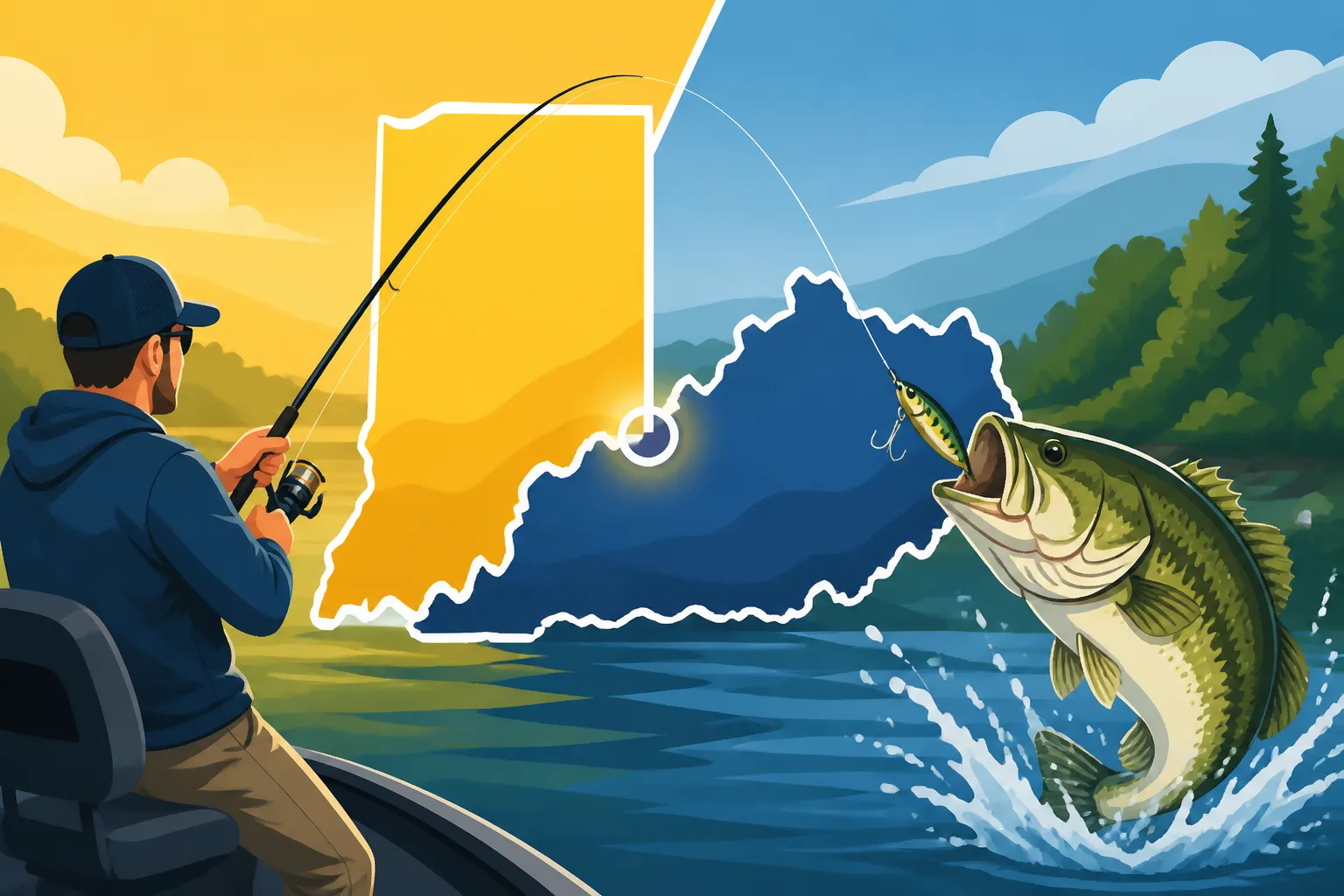
Let's get right to the heart of the matter for our friends across the river in Indiana. When you're fishing waters that border Kentucky, the rules can feel like a tangled line. It's not always as simple as "if I'm in my boat, my state's license is fine." For most of the significant border waters shared with Indiana, particularly the mighty Ohio River, Kentucky maintains jurisdiction over the fishing regulations right up to the low-water mark on the Indiana side. This means that if you're an Indiana resident, and you intend to fish in any part of these shared waters within Kentucky's jurisdiction, you will almost certainly need a Kentucky fishing license.
Imagine you're launching your boat from a ramp in New Albany, Indiana, eager to explore a promising looking channel on the Ohio River. While your boat is registered in Indiana and you've got your Indiana fishing license tucked safely in your wallet, if you drop a line into the main stem of the Ohio River, you're fishing in waters where Kentucky's regulations apply. The legal precedent for this dates way back, stemming from Kentucky's original statehood and its unique boundary definitions. So, even if you feel like you're "closer" to the Indiana shore, if you're within the main body of the Ohio River, you need to be prepared with a Kentucky license. This can be a real head-scratcher for many, leading to frustrating encounters if they aren't aware.
Navigating the Ohio River's Jurisdictional Nuances
The Ohio River is undoubtedly the most prominent border water between Indiana and Kentucky, and it's also where the most confusion arises. Many anglers from Indiana assume there's a blanket reciprocal agreement, meaning an Indiana license would suffice regardless of where on the river you're fishing. Unfortunately, that's not always the case for Kentucky.
Historically, Kentucky's northern boundary extends to the low-water mark on the northern (Indiana) bank of the Ohio River. This means that, for fishing purposes, much of the Ohio River itself falls under Kentucky's jurisdiction. There are exceptions and special agreements, especially for certain embayments or smaller tributaries, but for the vast majority of the main stem, if you're fishing, you're expected to comply with Kentucky's licensing requirements. This contrasts with how some other states manage shared waters, which can definitely throw a wrench into your pre-trip planning. It's not unheard of for an Indiana angler, fishing what they believe to be "Indiana waters" of the Ohio, to be approached by a Kentucky game warden and discover they're on the wrong side of the license ledger. This isn't about being tricky; it's just how the historical boundaries were drawn and upheld. Understanding the nuance of these rules is vital to avoid potential fines and the hassle of a citation, which no one wants on a peaceful fishing day.
It's always a good practice to check the most current regulations, as agreements can sometimes evolve. However, the consistent advice for Indiana anglers wanting to fish the Ohio River main stem is to acquire a Kentucky fishing license. This will cover you regardless of where you decide to drop anchor and cast your line along that extensive border.
Obtaining Your Kentucky Nonresident Fishing License
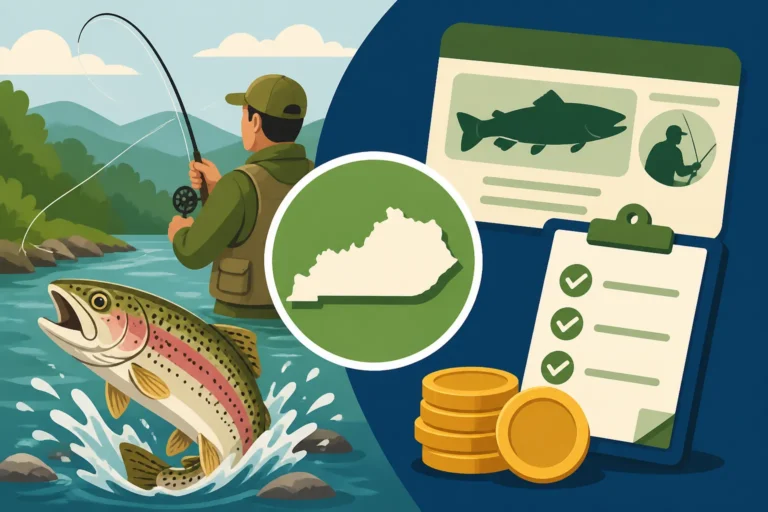
So, if you're an Indiana angler ready to fish Kentucky's border waters, getting your nonresident fishing license is your next crucial step. Thankfully, it's a straightforward process, designed to be as convenient as possible. You won't need to cross state lines just to pick up a permit anymore.
Types of Nonresident Licenses and Costs
Kentucky offers several options for nonresident anglers, catering to different trip durations. You can choose what best fits your fishing plans, whether it's a quick day trip or a longer vacation.
- Nonresident Annual Fishing License: This is perfect if you plan on making multiple trips to Kentucky waters throughout the license year, which runs from March 1st to the end of February the following year. It offers the best value for frequent visitors. You can find the current Nonresident Annual Fishing License Cost in Kentucky.
- Nonresident 7-Day Fishing License: Ideal for those planning a week-long fishing excursion. It gives you coverage for seven consecutive days, allowing you to maximize your time on the water without the commitment of an annual pass. You can check the Nonresident 7-Day Fishing License Cost in Kentucky.
- Nonresident 1-Day Fishing License: If you're just popping over for a single day of fishing, this is your most economical option. It's perfect for spontaneous trips or if you're trying out a new spot. Details on the Nonresident 1-Day Fishing License Price in Kentucky are readily available.
Each of these licenses is designed to ensure that you are legally compliant with Kentucky's regulations while you enjoy your fishing adventure. Remember, these are specific to fishing, and if you plan on hunting or other activities, you’ll need to explore additional permits.
Where and How to Purchase Your License
Buying your Kentucky nonresident fishing license is incredibly easy these days. You have a few convenient options:
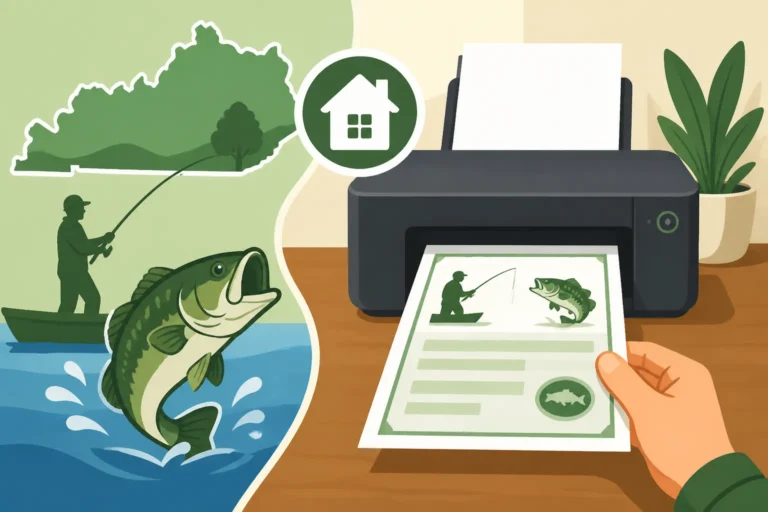
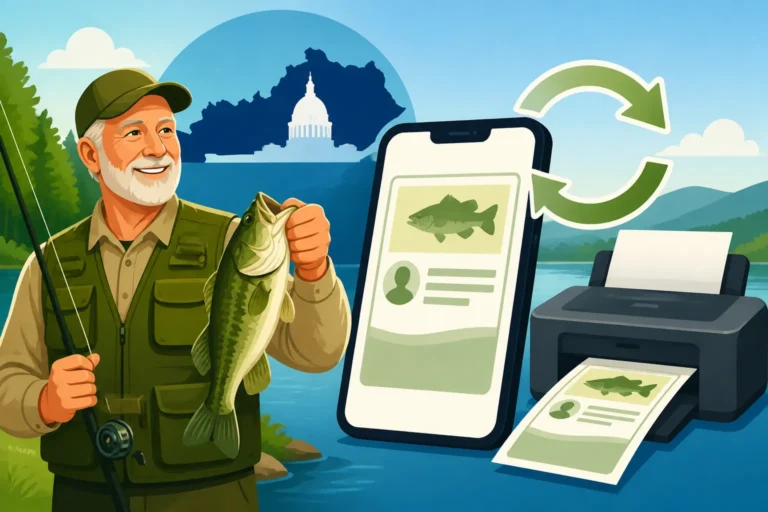
- Online: The easiest and quickest way is through the Kentucky Department of Fish and Wildlife Resources (KDFWR) website. You can purchase and print your license from the comfort of your home or even on your smartphone before you hit the water. This is by far the most recommended method. Just search for "How to Buy a Kentucky Fishing License Online," and you'll be directed to the official portal. This option means you can get your license literally minutes before you cast your first line, assuming you have cell service or Wi-Fi. Many anglers even save a digital copy on their phone, which is generally accepted during a license check.
- Authorized Vendors: If you prefer the traditional route or need to pick up some last-minute bait and tackle, you can purchase your license at numerous authorized vendors across Kentucky. These include sporting goods stores, bait shops, and even some convenience stores. Look for signs indicating that they sell KDFWR licenses. This can be particularly handy if you're already in Kentucky and realize you need a license.
- By Phone: In some cases, you might be able to purchase a license over the phone, though the online system is typically more efficient and self-service.
When purchasing, you'll need to provide some basic personal information, including your name, address, and date of birth. Make sure to have a valid form of identification handy, especially if buying in person. Once you have your license, whether it's a physical printout or a digital copy on your phone, keep it accessible. Game Warden Enforcement and License Checks While Fishing are a common part of ensuring everyone is following the rules.
Kentucky Fishing Regulations Beyond the License
Having the correct license is just the first step for Indiana anglers venturing into Kentucky waters. It's equally important to understand and adhere to Kentucky's specific fishing regulations regarding what you can catch, how many, and what sizes. These rules are in place to manage fish populations and ensure healthy fisheries for everyone, so they can differ significantly from Indiana's regulations.
Bag and Size Limits by Species
Once you have your Kentucky nonresident fishing license, you are bound by Kentucky's statewide and site-specific regulations. These rules govern the daily creel limits (the number of fish you can keep) and the minimum or maximum size limits for various species. Failing to know these can land you in just as much trouble as not having a license.
For instance, Kentucky has a statewide bass limit, typically allowing you to keep a certain number of fish per day with a minimum size. However, some lakes, like Lake Barkley, might have specific exceptions with stricter size limits for certain species to promote trophy fisheries. This means that a 12-inch bass might be perfectly legal to keep in one Kentucky lake, but if you're fishing in a special regulation zone, it might need to be released. This can be a significant difference for anglers used to Indiana's rules. Checking the Statewide Bag and Size Limits by Fish Species is critical before each trip.
- Bass (Largemouth, Smallmouth, Spotted): Often, there are specific length limits and daily creel limits. For example, the statewide daily limit for black bass (largemouth, smallmouth, spotted bass) is 6 fish in aggregate, with a 12-inch minimum size limit on most lakes. But as mentioned, always check the specific body of water you intend to fish.
- Crappie (Black and White): Kentucky's Crappie Daily Limit Rules typically allow for a generous number of fish per day, but again, certain lakes might have exceptions, like Barren River Lake's 10-inch minimum size for crappie.
- Catfish (Channel, Blue, Flathead): There are often daily limits on catfish, with some restrictions on the number of larger "trophy" fish you can keep. Kentucky Catfish Daily Limit and Trophy Fish Rule usually state 15 catfish in total, but only one can be over 25 inches.
These are just a few examples, and the regulations can change, so always consult the latest KDFWR Fishing & Boating Guide. Many anglers even download a PDF version to their phone or tablet so they have it readily accessible on the water. You can find many resources, even physical guides, on platforms like Amazon if you prefer a tangible copy for your tackle box.
Additional Regulations to Consider
Beyond bag and size limits, there are other important regulations that Kentucky enforces:
- Trout Permits: If you plan on fishing designated trout waters, such as Lake Cumberland or specific streams, you’ll need a special Kentucky Trout Permit on top of your fishing license. This is a common requirement in many states for managing trout populations.
- Gear Restrictions: Certain waters might have restrictions on the type of gear you can use (e.g., no trotlines or jugs in specific areas, or bait restrictions).
- Boating Regulations: If you're bringing your boat from Indiana, make sure you're aware of Kentucky's boating safety regulations, including life jacket requirements, particularly for children.
- Live Bait Rules: There might be rules regarding the transport or use of live bait, especially if you're bringing it from out of state to prevent the spread of invasive species.
It might seem like a lot to keep track of, but a little research upfront saves a lot of headaches later. The Kentucky Fishing Regulations Explained guide on the KDFWR website is your best friend here.
Avoiding Common Pitfalls and Penalties
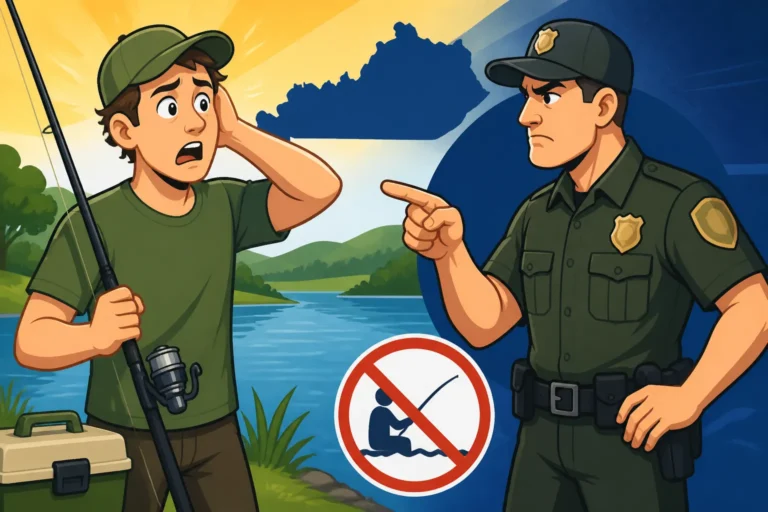
No one wants their peaceful day on the water to end with a hefty fine or a confiscated fishing pole. For Indiana anglers, the biggest pitfall is often simply not realizing that Kentucky's licensing and regulation rules apply on those shared border waters. Ignorance of the law, unfortunately, is rarely an acceptable excuse in the eyes of a game warden.
The Costs of Non-Compliance
Getting caught fishing without a valid Kentucky fishing license, or violating bag and size limits, can lead to some significant penalties. These aren't just slaps on the wrist; they can be costly and disruptive to your fishing plans.
- Fines: The most immediate consequence is a fine, which can range from minor to substantial depending on the severity of the violation. For example, "Penalties for Fishing Without a License in Kentucky" often start in the hundreds of dollars, and additional fees or court costs can add up quickly.
- Confiscation: In more serious cases, game wardens have the authority to confiscate your fishing equipment, including rods, reels, and even your catch. Imagine losing your favorite rod and the fish you worked so hard to catch, all because of a misunderstanding about a license.
- Court Appearances: Depending on the citation, you might be required to appear in a Kentucky court, which means more time off work and travel back and forth across state lines. This can turn a relaxing weekend trip into a major ordeal.
- Loss of Privileges: Repeated offenses or severe violations could potentially lead to the suspension of your fishing privileges in Kentucky, and in some cases, these suspensions can be recognized by other states through interstate compacts.
It’s just not worth the risk. A few dollars for a license or a quick check of the regulations can save you a lot of money and stress.
Essential Tips for a Smooth Trip
To ensure your trip from Indiana to Kentucky's border waters is enjoyable and hassle-free, keep these tips in mind:
- Always Get the Kentucky License: When in doubt, get the Kentucky nonresident fishing license. It's the safest bet for the Ohio River and other shared waters. It's a small investment for peace of mind.
- Check Current Regulations: Before every trip, give the KDFWR website a quick once-over for any updates to bag limits, size restrictions, or special regulations for your chosen fishing spot. Don't assume the rules are the same as last year or your home state.
- Keep Your License Accessible: Whether it's a printed copy in a waterproof holder (you can find plenty of great options on Amazon!) or a digital version on your phone, make sure you can easily show it to a game warden if asked. Have your ID ready too.
- Know Your Waters: Understand the specific body of water you're fishing. Even within the Ohio River, certain tributaries or specific pools might have unique rules.
- Be Courteous: If approached by a game warden, be polite and cooperative. They're just doing their job to protect our natural resources.
By following these guidelines, you, as an Indiana angler, can fully enjoy the fantastic fishing opportunities that Kentucky's border waters have to offer without any unpleasant interruptions. Remember, "What Happens If You Fish Without a License in Kentucky?" is an outcome best avoided entirely.
Here's a quick reference table for common license options and key considerations:
| License Type | Best For | Current Cost (Approx.) | Where to Buy | Key Considerations |
|---|---|---|---|---|
| Nonresident 1-Day Fishing | Short, spontaneous trips; trying out new spots | ~$15.86 | KDFWR Online, Authorized Vendors | Valid for 24 hours from purchase. Cheapest option for quick visits. |
| Nonresident 7-Day Fishing | Week-long fishing vacations or multiple outings | ~$37.00 | KDFWR Online, Authorized Vendors | Provides coverage for seven consecutive days. Good value for longer trips without committing to a full year. |
| Nonresident Annual Fishing | Frequent visitors throughout the license year | ~$58.14 | KDFWR Online, Authorized Vendors | Valid from March 1 to February 28/29. Best value if you plan on fishing Kentucky waters more than a couple of times. |
| Kentucky Trout Permit | Any angler targeting trout in designated waters | ~$10.57 (additional to license) | KDFWR Online, Authorized Vendors | Required in addition to your fishing license if you plan to fish for or keep trout. Often overlooked by new anglers. |
Note: All costs are approximate and subject to change by KDFWR. Always check the official KDFWR website for the most up-to-date pricing.
Disclaimer
The information provided in this guide is for general informational purposes only and is not intended as legal advice. Fishing regulations in Kentucky, especially concerning border waters and nonresident requirements, can be complex and are subject to change. Always consult the official Kentucky Department of Fish and Wildlife Resources (KDFWR) website or current printed regulations guide before heading out to fish to ensure complete compliance.