Kentucky Anglers: Check Site-Specific Rules Before You Fish
There’s nothing quite as frustrating as planning the perfect fishing trip to one of Kentucky’s incredible lakes or rivers, getting all your gear ready, dropping your line, and then realizing you’ve misunderstood the rules. Maybe you thought you knew the statewide limit for bass, only to find out the lake you’re on has a completely different regulation. It's a common headache, and honestly, it can turn a peaceful day into a stressful one. This guide is here to walk you through why those site-specific rules exist, how they might differ from what you expect, and most importantly, how to confidently check them so you can fish worry-free and legally.
The Reality of Varied Fishing Regulations in Kentucky
Kentucky is a state blessed with an incredible diversity of waterways, from vast reservoirs like Kentucky Lake to winding rivers and serene mountain streams. Each of these unique environments supports different fish populations, faces different pressures, and requires specific management strategies to ensure healthy fisheries for generations to come. This is why a "one-size-fits-all" approach to fishing regulations simply wouldn't work, and why Kentucky anglers really need to check site-specific rules before they hit the water.
Why Statewide Rules Aren't Always Enough
When you first dive into fishing in Kentucky, you'll likely encounter the statewide regulations. These are the baseline rules that apply to most public waters across the Commonwealth. They cover general bag limits, size restrictions, and gear requirements for common species like largemouth bass, crappie, and catfish. These rules are super helpful for giving you a general understanding, but thinking they apply everywhere is a common pitfall. Imagine you're heading to Lake Barkley, a true jewel for anglers, expecting to keep bass under the statewide limits. If you haven't looked into it, you might be in for a surprise, as its bass regulations can be quite different. This is why understanding that a statewide rule is just the starting point is crucial. You'll find a detailed explanation in our comprehensive article on Kentucky Fishing Regulations Explained.
The Science Behind Site-Specific Management
These localized rules aren't arbitrary; they're the result of careful scientific study by the Kentucky Department of Fish and Wildlife Resources (KDFWR) biologists. They monitor fish populations, analyze growth rates, assess spawning success, and consider fishing pressure on a lake-by-lake or river-by-river basis. For instance, a lake with a high population of slow-growing bass might benefit from a protective slot limit to encourage the growth of larger fish, while another lake with an overabundance of crappie might have a more liberal creel limit to help thin out the population and improve overall health. These specific rules help ensure sustainable fishing and protect the diverse ecosystems across Kentucky, making sure that your favorite fishing hole stays productive.
Key Differences Between Statewide and Site-Specific Rules
Let's get down to the nitty-gritty and look at some of the most common ways site-specific rules deviate from the statewide baseline. Knowing these potential differences can save you a lot of grief and ensure you're fishing legally.
Bass: Size and Creel Limits that Shift
For many anglers, bass fishing is the holy grail, and Kentucky has some phenomenal bass fisheries. The statewide regulation for black bass (largemouth, smallmouth, and spotted bass) is typically a 12-inch minimum size limit and a daily creel limit of six fish. Sounds simple, right? Not always. Take a look at a fantastic spot like Lake Barkley. While the statewide rules are a good general guideline, Lake Barkley often has a stricter size limit for bass, sometimes requiring them to be 15 inches or larger before you can keep them. This is designed to protect the juvenile and growing bass population in that specific reservoir, ensuring a healthy trophy fishery. Our guide on Kentucky Statewide Bass Size and Daily Limit Rules covers the general rules, but you absolutely must consult the site-specific exceptions. Another great example is found in the article Lake Barkley Bass Size Limit Exception in Kentucky, which dives deep into those nuances.
Crappie: Minimum Size Exceptions to Note
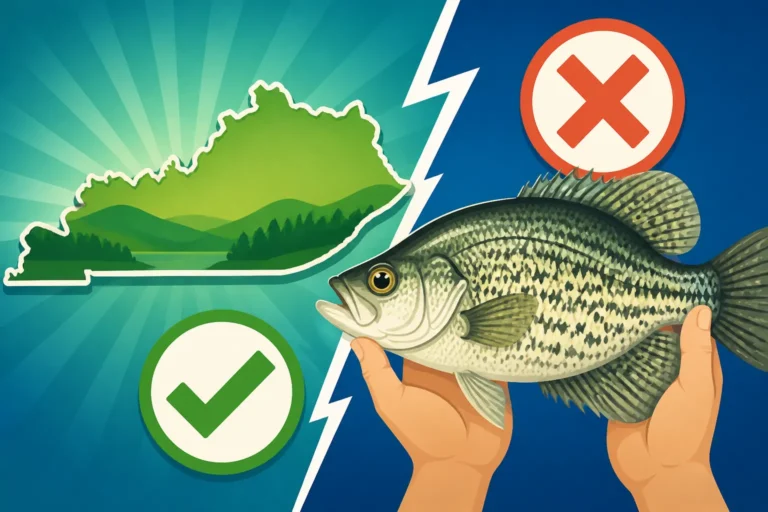
Crappie are another popular target, especially for those delicious fillets. The statewide crappie daily limit in Kentucky is 20 fish, with no minimum size limit, which is pretty generous. However, just like bass, certain lakes have their own specific regulations. Barren River Lake, for example, is a prime crappie destination, but it's also known for having a 10-inch minimum size limit on crappie. If you're used to keeping every crappie you catch from other bodies of water, this could be a major oversight if you're not paying attention. The KDFWR implements these kinds of limits to allow crappie in specific lakes to reach a larger, more desirable size, which improves the quality of the fishery over time. You can learn more about the general rules in our piece on Kentucky Crappie Daily Limit Rules, but remember to always verify for your specific destination. And if you're planning a trip to Barren River Lake, don't miss our focused article on Barren River Lake Crappie Size Limit in Kentucky.
Catfish: Trophy Rules and Daily Limits
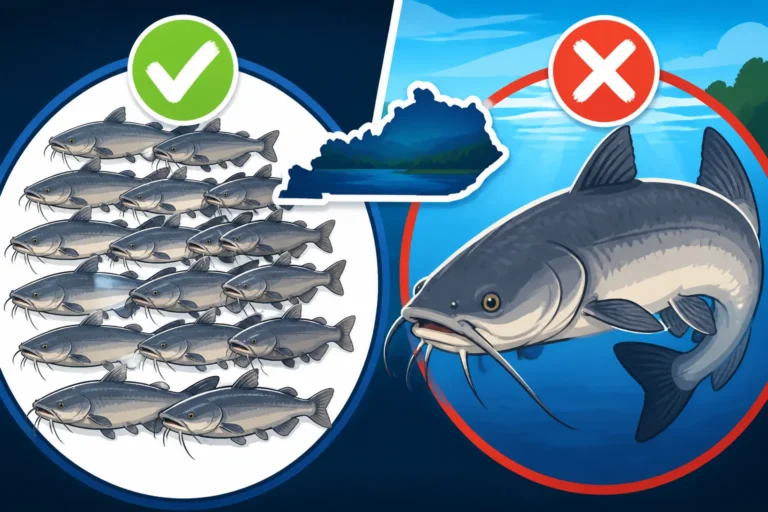
Catfish are abundant in Kentucky, from the mighty Ohio River to countless smaller lakes and ponds. The statewide daily limit for channel, blue, and flathead catfish is often a combined limit of 15 fish, with a special rule allowing only one blue catfish over 25 inches in length. This is a crucial "trophy fish" regulation designed to protect the breeding stock of larger blue cats. However, these limits can also be adjusted on specific waters. For instance, some smaller lakes might have different daily limits if they are heavily stocked or managed for a specific catfish population. Always check the local regulations to ensure you're compliant, especially if you're targeting those monster blue cats. Our guide to Kentucky Catfish Daily Limit and Trophy Fish Rule explains the statewide rules in detail.
Other Species with Local Nuances
It's not just the big three (bass, crappie, catfish) that have localized rules. Species like sauger, walleye, and even some panfish can have specific limits on certain lakes. For example, some trout streams might have special restrictions on bait types, hook sizes, or even catch-and-release only sections. If you're planning on fishing for anything beyond the most common species, or if you're exploring smaller, less-frequented waters, the need to check site-specific rules becomes even more critical. Each body of water is a unique ecosystem, and the KDFWR tailors its management to keep them healthy and productive for anglers. This is precisely Why Kentucky Fishing Limits Vary From Lake to Lake.
To give you a clearer picture, here's a quick comparison of some common statewide vs. site-specific regulations:
| Species | Statewide Regulation (General) | Example Site-Specific Regulation (Lake/River) |
|---|---|---|
| Black Bass | 6 fish daily, 12-inch minimum | Lake Barkley: 6 fish daily, 15-inch minimum |
| Crappie | 20 fish daily, no minimum size | Barren River Lake: 20 fish daily, 10-inch minimum |
| Catfish | 15 fish daily (combined), 1 over 25" Blue | Some smaller lakes may have different total daily limits |
| Trout | 8 fish daily (stocked waters) | Designated Trout Waters: Special seasons, bait restrictions, or catch-and-release |
How to Find and Interpret Site-Specific Fishing Regulations
So, you understand why these rules exist and how they can differ. Now, the big question is, where do you find them, and how do you make sense of all the information? Don't worry, it's easier than it sounds, especially once you know where to look. This is about making sure you're always Checking Current Regulations Before a Fishing Trip.
Your Go-To Resource: KDFWR Website and Guide
The absolute best and most reliable place to find up-to-date fishing regulations in Kentucky is the Kentucky Department of Fish and Wildlife Resources (KDFWR) website. They publish an annual Kentucky Fishing & Boating Guide, which is available both online as a PDF and in print at various KDFWR offices, bait shops, and county clerk offices.
- Navigate to the KDFWR Website: Head to the official KDFWR site.
- Find the Fishing Guide: Look for a section dedicated to "Fishing" or "Regulations" and you should easily find the link to the current year's Fishing & Boating Guide.
- Download and Search: Once you have the PDF, you can use its search function (Ctrl+F or Cmd+F) to look up specific lakes, rivers, or fish species. The guide is typically organized with a general statewide rules section, followed by a detailed "Lakes, Rivers, and Streams" section that lists exceptions and special regulations for individual bodies of water. This is where you’ll find crucial details like How Kentucky's Statewide Limits Differ From Lake Barkley's Rules.
It’s an invaluable resource, and honestly, a must-have for any Kentucky angler. Keep a digital copy on your phone or print out the relevant pages for your trip.
On-Site Signage and Local Intelligence
While the KDFWR guide is the authoritative source, don't overlook local resources once you arrive at your fishing destination.
- Ramp and Marina Signage: Many popular boat ramps, marinas, and public access points will have informational signs posted that summarize the specific fishing regulations for that body of water. These are incredibly helpful quick reminders. Always take a moment to read them, even if you think you know the rules.
- Local Bait and Tackle Shops: These places are goldmines of information! The folks who run them and the regulars who frequent them are usually keenly aware of the local regulations, current bite patterns, and any recent changes. Don't be shy about asking questions when you pick up your bait or a new lure. They're often passionate about their local waters and happy to share their knowledge. Plus, they might just give you a tip on where the fish are biting!
- KDFWR App: The KDFWR also offers a mobile app that can be a fantastic tool. It often includes interactive maps, regulation summaries, and even options for reporting harvests or checking hunting seasons. It's like having the full guide right in your pocket.
Understanding Regulation Lingo
Sometimes, the language used in regulations can be a bit confusing. Here are a few terms you might encounter:
- Creel Limit: This is the maximum number of fish of a particular species an angler can keep in one day.
- Size Limit (Minimum/Maximum/Slot):
- Minimum Size Limit: The fish must be at least this length to be legally kept.
- Maximum Size Limit: The fish cannot be longer than this length to be legally kept (less common, usually for specific trophy management).
- Slot Limit: Fish within a certain size range (the "slot") must be immediately released. For example, a 15-18 inch slot limit means you can keep fish under 15 inches or over 18 inches, but not those in between. This is often used to protect spawning-size fish.
- Possession Limit: The maximum number of fish an individual can have in their possession, regardless of when they were caught. This applies if you're camping for a few days or have fish stored at home. Often, the possession limit is twice the daily creel limit, but not always.
- Designated Trout Water (DTW): Specific streams or sections of rivers that are managed for trout, often with unique regulations that differ from general fishing rules. You'll definitely want to check the Kentucky Trout Permit Guide if you're chasing trout.
Taking a few minutes to familiarize yourself with these terms will make reading the official guide much clearer and less intimidating.
The Consequences of Not Knowing Your Local Rules
Nobody wants to have their peaceful fishing day interrupted by a game warden for a violation they didn't even know they were committing. Understanding and adhering to site-specific regulations isn't just about avoiding trouble; it's about being a responsible angler.
Potential Fines and Legal Trouble
Let's be blunt: fishing without a proper license or violating regulations can lead to a hefty fine and a ruined day. Game wardens in Kentucky are out on the water to protect the state's natural resources and ensure everyone is playing by the rules. If you're caught with an undersized bass from Lake Barkley, or you've kept too many crappie from Barren River Lake, you're looking at a citation. These fines can range from moderate to substantial, depending on the severity of the violation and whether it's a repeat offense. Beyond the financial hit, it can also involve court appearances and the potential for losing your fishing privileges. Remember that the Penalties for Fishing Without a License in Kentucky can be quite severe, and breaking other regulations isn't far behind.
Impact on the Fishery and Your Reputation
Beyond the legal ramifications, there's an ethical component to following these rules. Site-specific regulations are put in place to ensure the health and sustainability of local fish populations. Keeping undersized fish or exceeding creel limits can directly harm a fishery, potentially leading to declining fish numbers or reduced average size. As anglers, we are stewards of the environment. By respecting these rules, you're doing your part to ensure that healthy fish populations exist for future generations. Ignoring them not only impacts the fish but also tarnishes the reputation of responsible anglers everywhere. Our collective actions directly influence the future of fishing in Kentucky.
Ruining a Perfectly Good Fishing Day
Let's face it, fishing is meant to be relaxing. The last thing you want is the stress of wondering if you're breaking the law, or worse, having your trip cut short by a game warden. Imagine catching a beautiful stringer of crappie on Barren River Lake, only to have to throw half of them back because you didn't know about the 10-inch minimum size limit. The disappointment and frustration can be immense. Taking the time to do your homework before you launch your boat or cast your line ensures you can focus on the pure joy of fishing, the tranquility of nature, and the thrill of the catch, rather than the nagging worry of a potential fine. Always consult the detailed Statewide Bag and Size Limits by Fish Species but verify for your specific location!
So, before your next adventure, grab a copy of the KDFWR guide, check the website, or even call a local bait shop. A little bit of preparation goes a long way in ensuring a legal, ethical, and truly enjoyable day out on Kentucky's incredible waters.
Disclaimer
The information provided in this guide is for general informational purposes only and is not legal advice. Fishing regulations can change, and it is the angler's sole responsibility to consult the official Kentucky Department of Fish and Wildlife Resources (KDFWR) regulations and local signage before fishing any body of water. Always verify current rules directly with the KDFWR.