Getting Caught Fishing in Kentucky Without Buying a License First
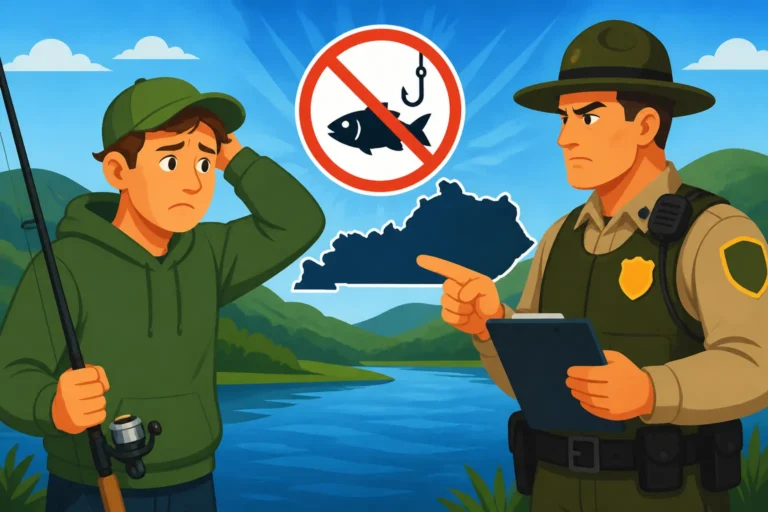
There's nothing quite like the sudden, heart-stopping feeling of seeing a Kentucky game warden approach your fishing spot, especially if you have that nagging doubt in the back of your mind about whether your fishing license is actually valid. That moment of dread can instantly turn a peaceful day on the water into a stressful encounter. It’s a common worry for many anglers, whether you simply forgot to renew, misplaced your physical copy, or genuinely didn't realize a license was required for the water you're on. This comprehensive guide is here to walk you through exactly what happens if you're caught fishing in Kentucky without the proper credentials, the penalties you might face, and, more importantly, how to easily ensure you’re always on the right side of the law so you can fish with peace of mind.
The Immediate Aftermath: What Happens When a Game Warden Shows Up
It’s a scenario no angler wants to imagine: you're enjoying the tranquility of a Kentucky lake or river, the sun is shining, maybe you've got a bite or two, and then you see it—the tell-tale uniform or patrol boat of a Kentucky Department of Fish and Wildlife Resources (KDFWR) conservation officer. Your stomach drops. If you suspect your license isn't in order, that initial moment can be incredibly intimidating. But knowing what to expect can help you navigate the situation with composure, even if the outcome isn't ideal.
The Initial Encounter and Information Gathering
When a game warden approaches, their primary job is to ensure that everyone enjoying Kentucky’s natural resources is doing so legally and safely. They're not just looking for license violations; they're also checking for adherence to bag limits, size limits, and general boating safety. Their approach will usually be polite but firm. The first thing they'll ask for, almost universally, is your fishing license and a form of identification.
It's crucial to cooperate fully and respectfully. Trying to evade them, becoming argumentative, or refusing to provide your information will only escalate the situation and can lead to additional charges. Even if you know you don’t have a valid license, being honest and upfront (without being overly apologetic or making excuses) is generally the best policy. They have systems to check your license status electronically, so attempting to bluff will likely be discovered very quickly. This is where having your physical license, a photo of it on your phone, or access to the KDFWR app that shows your digital license comes in handy. Remember, while a physical copy isn't strictly required anymore thanks to digital options, having proof readily available is paramount.
Receiving a Citation: The Start of the Legal Process
If the game warden determines you are indeed fishing without a valid Kentucky fishing license, they will issue you a citation. Think of a citation like a ticket you'd get for a traffic violation. However, unlike many traffic tickets, fishing without a license in Kentucky is typically classified as a misdemeanor offense. This isn't just a slap on the wrist; it's a criminal charge.
The citation will detail the specific violation (fishing without a license), the date, time, and location of the incident, and your personal information. It will also instruct you on what steps to take next, which almost always involves either paying a fine or appearing in court. The officer will explain your options, and it’s important to listen carefully and ask questions if you don’t understand. This isn't just about a potential fine; it’s about a criminal record, even if it's a minor one. The thought of having to go to court can be daunting, but ignoring the citation is absolutely the worst thing you can do, as it will lead to even more severe consequences, including warrants for your arrest.
Confiscation of Gear or Catch
While it’s not always the immediate first step for a simple "no license" violation, game wardens do have the authority to confiscate your fishing gear and any fish you may have caught. This usually happens in more egregious circumstances, such as repeated offenses, fishing with illegal methods, or if the fish caught are clearly over the legal limit or out of season. However, even for a first-time "no license" offense, if the warden feels it's necessary or if you are uncooperative, they can take your equipment.
Imagine losing that favorite rod and reel you spent so much time picking out, or the cooler full of fish you were planning to cook for dinner. It’s a harsh reality, but it serves as a powerful deterrent. The KDFWR takes its role in protecting Kentucky's aquatic resources very seriously, and one way to enforce compliance is by removing the means and results of illegal activity. This possibility alone should be enough to motivate any angler to double-check their license status before heading out.
Understanding the Legal Ramifications and Penalties
Getting a citation for fishing without a license is more than just an inconvenience; it carries real legal weight and financial implications. Many people mistakenly think it's just a small fine, similar to an expired parking meter, but the reality is much more serious. The state of Kentucky views the unauthorized harvesting of its natural resources as a violation of the law, and the penalties reflect that.
Fines and Court Costs
The monetary penalties for fishing without a license in Kentucky can vary depending on the judge, the specific circumstances, and whether it's a first offense or a repeat violation. Typically, the base fine for this misdemeanor can range from around $50 to $250, but that’s often just the starting point. What really adds up are the associated court costs and fees, which can sometimes double or even triple the initial fine. You could easily be looking at a total bill of several hundred dollars. For instance, a basic Kentucky Resident Annual Fishing License Costs $24.31, which pales in comparison to even the lowest possible fine you might face.
Consider this: you might pay $7.40 for a Kentucky Resident 1-Day Fishing License Price for a quick trip, or $24.31 for an entire year. If you get caught without one, that seemingly small "savings" can quickly balloon into hundreds in fines and court fees. It’s a stark reminder that the cost of compliance is significantly less than the cost of a violation.
Here’s a simplified comparison to illustrate the financial impact:
| Item | Cost (Approximate) | Notes |
|---|---|---|
| Resident Annual License | $24.31 | Covers fishing for a full license year. |
| Nonresident Annual License | $58.14 | For out-of-state anglers. |
| Resident 1-Day License | $7.40 | Great for short trips or trying out fishing. |
| Nonresident 1-Day License | $15.86 | Single day option for visitors. |
| Minimum Fine for Violation | $50 – $250 | Varies by judge and circumstances. |
| Court Costs & Fees | $100 – $300+ | Added to the fine, making the total significantly higher. |
| Total Potential Cost (Violation) | $150 – $550+ | A substantial sum for not purchasing a relatively inexpensive license. |
Loss of Fishing Privileges
Beyond the immediate financial hit, one of the most significant consequences for anglers is the potential loss of fishing privileges. Depending on the severity of the offense and whether you have a history of violations, the KDFWR has the authority to suspend or revoke your fishing license. This isn't just a temporary ban; it can mean you’re prohibited from fishing in Kentucky waters for a year, several years, or even permanently.
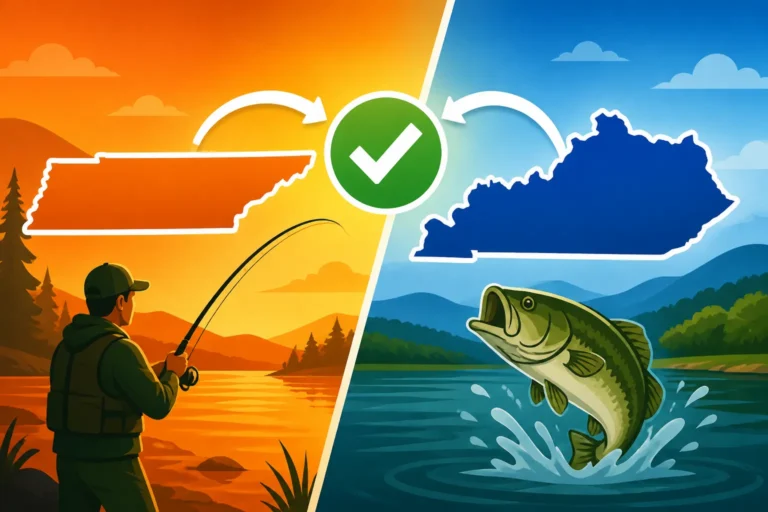
The repercussions can also extend beyond Kentucky’s borders. Many states have reciprocal agreements regarding license suspensions. If your fishing privileges are suspended in Kentucky, you might find that you’re also unable to legally fish in neighboring states like Tennessee, Ohio, or Indiana, even if you have a valid license from those states. This can be particularly frustrating for avid anglers who travel to different states for various fishing opportunities. Imagine planning that dream fishing trip to Lake Barkley or Lake Cumberland, only to find out you can't even cast a line because of an past, unaddressed violation. It puts a real damper on your passion.
Long-Term Consequences
Because fishing without a license is a misdemeanor, it means it will go on your criminal record. While it's not a felony, and typically won't impact major life events like applying for a professional license or certain types of employment in the same way a more serious crime might, it can still surface during background checks. This might not seem like a big deal, but having any criminal record, no matter how minor, can sometimes create complications or raise questions down the line.
Furthermore, repeated offenses are treated with increasing severity. A second or third offense could lead to much higher fines, longer suspensions of fishing privileges, and potentially even more significant legal consequences. It highlights why it's so important to understand the rules and take proactive steps to ensure compliance, rather than just hoping you won't get caught.
Avoiding the Hassle: Easy Ways to Ensure You're Legal
Let's face it, nobody wants to deal with fines, court appearances, or the embarrassment of being caught fishing illegally. The good news is that avoiding these hassles is incredibly simple and much less expensive than the alternative. The KDFWR has made it remarkably easy for anglers to purchase, renew, and carry proof of their fishing licenses.
Checking Your License Status
One of the most common reasons people get caught without a license is simple forgetfulness. Life gets busy, and it's easy to lose track of expiration dates. The Kentucky Fishing License Year Runs March 1 to February 28, meaning all annual licenses expire at the end of February each year, regardless of when you bought them. This means if you bought your license in August, it still expires the following February, not a full year later. It's a common misconception that leads to many inadvertent violations.
To avoid this, make it a habit to check your license status regularly. You can do this easily online through the KDFWR website. They often send out reminders via email if you’re signed up for notifications, but it’s always best to be proactive. If you’re unsure, a quick check can save you a lot of grief. Knowing your Kentucky Fishing License Year and Renewal Dates is essential for continuous legal fishing.
Convenient Ways to Purchase or Renew
Gone are the days when you had to trek to a specific store during business hours to get a license. Now, buying or renewing your Kentucky fishing license is incredibly convenient.
- Online: This is by far the easiest and fastest method. You can complete the entire process from the comfort of your home in just a few minutes. If you want to know how to get a fishing license in Kentucky, the online portal is your best bet. It’s quick, secure, and you can usually print your license immediately or save a digital copy to your phone. Check out our guide on how to Renew Your Kentucky Fishing License Online for step-by-step instructions.
- KDFWR Mobile App: Kentucky offers a convenient app that allows you to purchase licenses, carry digital proof, and even check regulations on the go. This is a fantastic option for those who prefer to keep everything on their smartphone. With digital proof, you won't have to worry about losing a physical copy. Our guide on Digital vs Printed Kentucky Fishing License on the Water can give you more details on this.
- Authorized Vendors: If you prefer the traditional route, you can still purchase licenses at hundreds of authorized vendors across the state, including many sporting goods stores, bait shops, and even some county clerk offices. Places like Walmart, local tackle shops, and rural general stores are usually good bets. While you’re picking up your license, you might even consider picking up a new tackle box or maybe a more comfortable fishing chair from Amazon to make your next trip even better.
Understanding Exceptions: Kids, Private Ponds, and Free Fishing Weekends
While a license is generally required for most public waters in Kentucky, there are a few important exceptions that every angler should be aware of.
- Kids: Children under the age of 16 are not required to have a fishing license in Kentucky. This is a wonderful initiative to encourage youth participation in fishing. So, if you're taking your child out for their first fishing experience, they can fish without a license. However, if you're over 16, you absolutely need one. You can find more details in our guide on Do Kids Need a Fishing License in Kentucky?
- Private Ponds: Generally, a fishing license is not required to fish in a private pond that is entirely enclosed within the landowner's property and does not have public access or flow into public waters. This is a key distinction. If the pond is stocked by the state or has any connection to public waterways, a license is usually required. Always clarify with the landowner if you're unsure.
- Kentucky Free Fishing Weekend: Each year, Kentucky designates a specific weekend (usually in early June) as the Kentucky Free Fishing Weekend. During this period, all Kentucky residents and non-residents can fish Kentucky waters without a license. It’s a fantastic opportunity for beginners to try fishing without the initial investment of a license. However, all other fishing regulations, such as bag and size limits, still apply. This is a limited-time exception, so don't mistake it for year-round freedom to fish. Check our Kentucky Free Fishing Weekend Guide for specific dates and rules.
Remember, the vast majority of fishing in public lakes, rivers, and streams in Kentucky requires a valid license. When in doubt, it is always safer to assume a license is needed and purchase one.
Real-Life Scenarios and Common Mistakes
Understanding the rules is one thing, but real-world situations can sometimes catch even seasoned anglers off guard. Let's look at some common pitfalls and misconceptions that lead to license violations.
"I Just Forgot It": Why Excuses Don't Usually Work
This is perhaps the most frequent explanation game wardens hear. You bought your license, you printed it, but you left it on the kitchen counter or in your other fishing vest. Or maybe you thought you saved it to your phone, but the file corrupted or you can't find it. While it's an honest mistake, it rarely holds up as a valid excuse. The law states you must possess a valid license while fishing.
This is why the digital options are so incredibly helpful. If you’ve purchased your license online, you can often pull it up on the KDFWR app or simply log into your account on your phone's browser to show proof. Many anglers will take a screenshot of their digital license and save it to their phone's photo gallery for quick access, or even print a laminated copy to keep in their wallet. You can find essential accessories on Amazon like waterproof pouches for your phone to keep your digital license safe and accessible while on the water. The key is proof. If you can't provide proof of a valid license, the warden has to assume you don't have one, and you'll likely receive a citation.
"I Didn't Think I Needed One Here": Misconceptions About Water Bodies
Another common mistake involves misunderstanding when and where a license is required. This often comes up in a few key areas:
- Small Ponds or Lakes: Many anglers assume that smaller, seemingly isolated ponds or lakes don’t require a license, especially if they're near private land or don't look like "major" fishing destinations. However, if that water body is public, or if it connects to public waters (even intermittently, like a creek flowing in or out), a license is required.
- Fishing from a Boat vs. Shore: Some believe that if they are only fishing from the bank or a pier, a license might not be necessary. This is incorrect. Whether you are fishing from a boat, a dock, the shore, or wading in a stream, if it’s a public water body, you need a license.
- Border Waters: Kentucky shares borders with several states, including Ohio, Indiana, Illinois, Missouri, Tennessee, Virginia, and West Virginia. Fishing in border waters often has specific reciprocity rules. For example, some sections of the Ohio River might allow anglers from Ohio to fish with an Ohio license, but this isn't always universal and can be quite complex. Always check specific regulations, as often you will need a Kentucky fishing license to fish Kentucky waters. Our article on Tennessee-Kentucky Fishing License Reciprocity Rules can help clarify some of these nuances.
Always default to the assumption that you need a license for any fishing activity in Kentucky, unless you are absolutely certain of an exception like the Free Fishing Weekend or a truly private, enclosed pond. Checking the current Kentucky Fishing Regulations Explained before you head out is a smart move.
The Importance of a Trout Permit
This is a specific, yet often overlooked, detail that can lead to unexpected citations. While your general Kentucky fishing license covers most fish species, if you intend to fish for trout, you are almost always required to purchase an additional Kentucky Trout Permit. This permit costs $10.57 for everyone, residents and nonresidents alike.
Many popular trout fishing spots, like sections of the Cumberland River below Lake Cumberland or various stocked streams, are regularly patrolled by game wardens specifically looking for anglers with the proper trout endorsement. You might have your annual fishing license in hand, feeling completely compliant, only to be hit with a citation for not having that additional permit when you're targeting trout. It's an easy mistake to make, but one that can cost you. Always confirm if the species you're targeting or the water you're fishing requires any additional permits beyond the basic fishing license. Our Kentucky Trout Permit Guide provides all the details you need to stay legal when chasing those beautiful trout.
Ultimately, the goal is to enjoy your time on the water without worry. By understanding the regulations, taking advantage of convenient purchasing options, and being prepared, you can ensure your Kentucky fishing adventures are always legal and stress-free.
Disclaimer
The information provided in this guide is for general informational purposes only and does not constitute legal advice. While we strive to provide accurate and up-to-date information, fishing regulations and legal penalties can change. Always consult the official Kentucky Department of Fish and Wildlife Resources (KDFWR) website or contact a KDFWR officer directly for the most current and authoritative information.