Lake Cumberland’s Best Trout Fishing Spots in Kentucky
There’s nothing quite like the thrill of a trout biting, especially in a majestic setting like Lake Cumberland. But let's be honest, trying to find those elusive trout on such a massive body of water can feel like searching for a needle in a haystack, often leading to wasted time and frustration. This comprehensive guide is designed to cut through the guesswork, offering you a detailed breakdown of Lake Cumberland’s most productive trout fishing spots, along with proven strategies to help you land more fish and make your next trip truly memorable.
Understanding Lake Cumberland's Unique Trout Fishery
Lake Cumberland isn't just any lake; it's a true gem in Kentucky's fishing crown, especially for those of us who love chasing trout. Its sheer size and depth, combined with consistent stocking efforts, make it a unique and highly productive trout fishery. But understanding why it’s so good and how it became that way is key to unlocking its full potential.
The Genesis of Lake Cumberland's Trout
The story of trout in Lake Cumberland really begins with the creation of the lake itself and, more specifically, with the operation of Wolf Creek Dam. This massive dam impounds the Cumberland River, creating a deep, cold-water reservoir. The release of cold, oxygenated water from the bottom of the dam into the tailwater below creates an ideal habitat for cold-water fish like trout, even in the warmer months. Originally, the Kentucky Department of Fish and Wildlife Resources (KDFWR) focused on stocking the Cumberland River below the dam, establishing a world-class tailwater trout fishery.
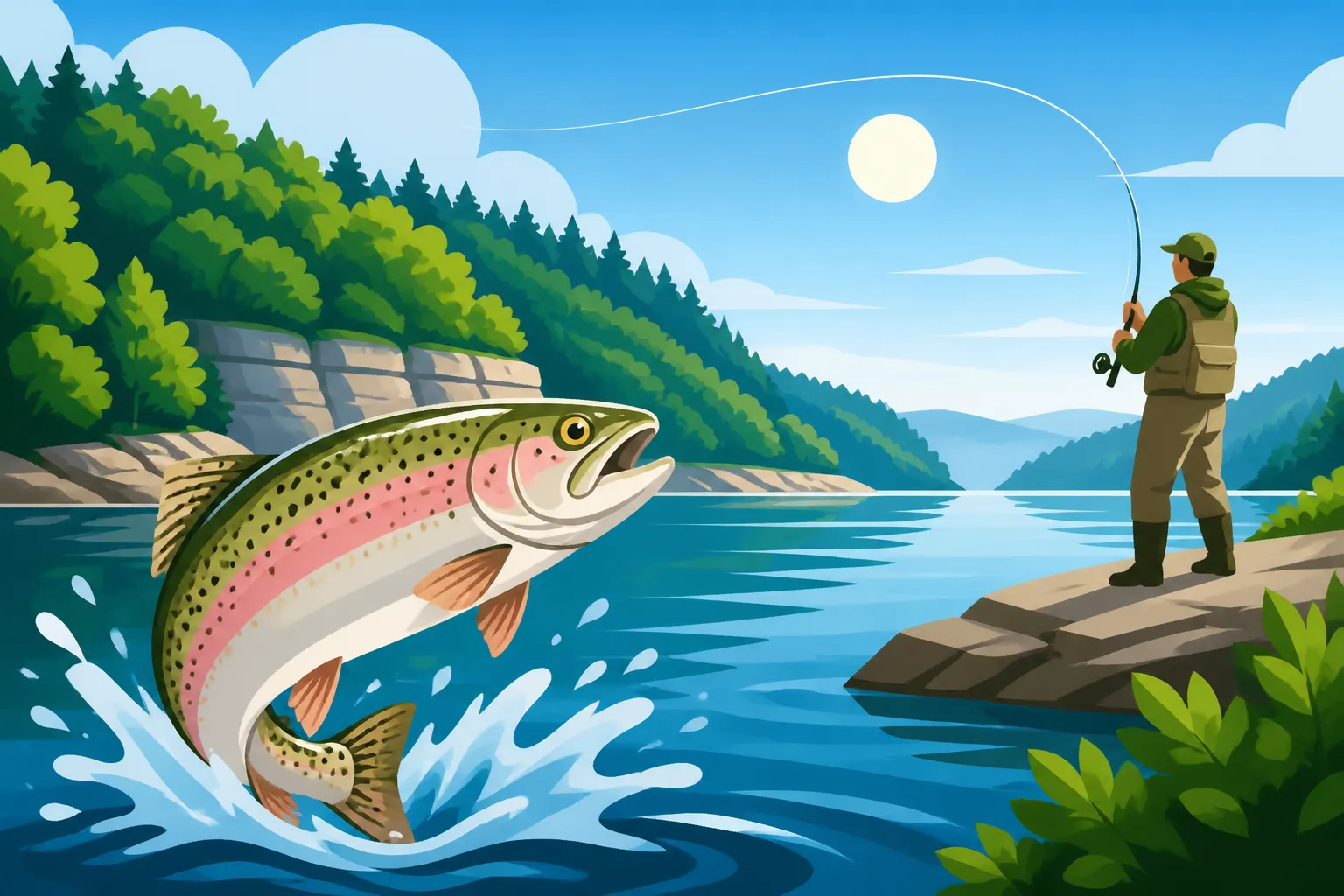
Over time, it became clear that some of these trout would migrate upstream into the main lake, particularly into the deeper, cooler sections. Recognizing this potential, the KDFWR began strategically stocking trout directly into Lake Cumberland itself. This stocking program, primarily focused on rainbow trout, has transformed Lake Cumberland into a dual threat: a fantastic warm-water fishery for bass and walleye, and a surprisingly robust cold-water fishery for trout. It's a testament to good fisheries management and the lake's incredible natural resources that we get to enjoy such diverse opportunities. For a deeper dive into the specific species available, check out our guide on what trout are stocked at Lake Cumberland each season.
Why Lake Cumberland is a Premier Trout Destination
So, what makes Lake Cumberland stand out as a premier trout destination? It boils down to a few critical factors that create near-perfect conditions for these finicky fish. First and foremost is the consistent availability of cold, deep water, particularly in the lower end of the lake near the dam. Even when surface temperatures climb in the summer, the thermocline provides a sanctuary for trout, allowing them to thrive year-round. This is a crucial distinction from many other lakes that might only hold trout during the cooler spring and fall months.
Secondly, the KDFWR's aggressive and consistent stocking program ensures a healthy population of rainbow trout, with occasional brown and brook trout stockings adding to the diversity. This means there's always a fresh supply of fish for anglers to target. When you combine these factors with the sheer abundance of forage fish in the lake, providing a rich food source, you have a recipe for fast-growing, healthy trout. Many anglers are surprised by the size and fighting power of Lake Cumberland trout, often exceeding expectations for a put-and-take fishery. It's truly a unique opportunity that many anglers, myself included, cherish.
Prime Trout Fishing Zones and Access Points
Navigating Lake Cumberland’s vast expanse can be daunting, but pinpointing the best trout fishing zones makes all the difference. While trout can theoretically be found anywhere with cold, oxygenated water, certain areas consistently produce more fish due to water conditions, access, and structure.
Wolf Creek Dam Tailwater: A Year-Round Trout Haven
Without a doubt, the area immediately below Wolf Creek Dam is the undisputed king of trout fishing on Lake Cumberland, or rather, the Cumberland River system originating from Lake Cumberland. This tailwater fishery is legendary and provides some of the most consistent trout action in the state, making it a true year-round destination. The constant release of cold, oxygenated water from the bottom of the dam maintains perfect trout habitat, regardless of the season above. Anglers can find excellent fishing here for rainbow, brown, and even brook trout.
Access to the tailwater is fantastic, with numerous public access points along the river. Areas like the Wolf Creek National Fish Hatchery offer immediate access to the riverbank and are a great spot to start, particularly for fly anglers or those looking for easy wade-fishing opportunities. Further downstream, boat ramps at places like Helm's Landing or Burkesville offer access for drift boats, canoes, and kayaks, allowing anglers to cover more water and target deeper runs. It's important to remember that water levels and flow rates can change dramatically and quickly with dam generation, so always be aware of conditions and prioritize safety. This area is so significant that it has its own distinct regulations, which you'll find thoroughly explained in our comprehensive guide to Kentucky fishing regulations explained. Many anglers consider this the best trout fishing in the entire region, and it’s easy to see why once you experience it.
Upstream Tributaries and Cold-Water Feeder Creeks
While the dam tailwater gets most of the attention, don't overlook the potential of upstream tributaries and cold-water feeder creeks that flow into Lake Cumberland itself. These smaller waterways, especially during cooler parts of the year or after heavy rains, can offer unique trout fishing opportunities, particularly for wilder, more elusive fish. Creeks like Beaver Creek, Caney Fork, and other smaller mountain streams that empty into the upper sections of the lake can maintain colder temperatures longer, especially where they flow over rocky bottoms or through shaded areas.
These spots often require a bit more effort to reach, sometimes involving hiking or using smaller watercraft, but the reward can be worth it. Stocked trout released into the main lake sometimes move into these cooler inflows, especially during periods of thermal stratification. Additionally, some of these creeks might harbor small populations of native or wild-spawned trout, though these are often much harder to catch. Fly anglers, in particular, might find these intimate settings appealing, presenting dry flies or nymphs to opportunistic feeders. Always check local land access rules before venturing off the beaten path, and be mindful of private property.
Deep-Water Coves and Main Lake Structures
For anglers targeting trout directly within Lake Cumberland, the key is to focus on the deepest, coolest sections, particularly near the dam and in large, deep coves. The deep waters of Lake Cumberland, especially in the lower third of the lake, provide a consistent cold-water refuge for trout, even during the dog days of summer. Look for areas with significant depth changes, submerged timber, or old creek channels. These structures often hold baitfish, which in turn attract hungry trout.
Popular main lake spots include the deep coves and main channel edges around Jamestown and Wolf Creek Dam. Anglers often find success trolling deep-diving crankbaits or spoons in these areas, targeting suspended fish. Vertically jigging spoons or heavy jigs can also be effective when you locate schools of trout on your electronics. Using a quality fish finder is almost essential here to locate the thermocline and identify bait balls or individual fish holding at specific depths. Accessing these areas often requires a boat, and many of the marinas around the lake, such as Jamestown Marina or Grider Hill Marina, offer boat rentals or launches. If you're looking for an easier way to find a fishing guide who knows these exact spots, online platforms like FishingBooker can connect you with experienced local captains.
| Location Category | Prime Season | Recommended Techniques | Target Species | Key Feature |
|---|---|---|---|---|
| Wolf Creek Dam Tailwater | Year-round | Fly fishing (nymphs, streamers), spin fishing (inline spinners, small jerkbaits, power bait) | Rainbow, Brown, Brook | Cold water discharge from dam |
| Upstream Tributaries | Spring, Fall | Fly fishing (dry flies, nymphs), ultralight spin (small spinners, worms) | Rainbow, Native Trout | Cold inflows, often shaded, requires hiking/small boat |
| Deep-Water Coves | Summer, Winter | Trolling (deep-diving crankbaits, spoons), vertical jigging (spoons, heavy jigs) | Rainbow | Thermal stratification, baitfish schools |
| Main Lake Channel | Summer, Winter | Trolling (downriggers for deep presentation), vertical jigging, live bait presentations | Rainbow | Deepest sections, submerged structure |
Seasonal Strategies for Lake Cumberland Trout
Trout fishing on Lake Cumberland isn't a one-size-fits-all endeavor. The changing seasons dramatically influence where trout will be found, what they'll be eating, and how you'll need to approach them. Understanding these seasonal patterns is crucial for consistent success.
Spring and Fall: Aggressive Bites and Shallow Water Opportunities
Ah, spring and fall – these are arguably the golden seasons for trout fishing on Lake Cumberland, especially for those who prefer to fish without specialized deep-water gear. As the lake water cools in the fall and warms gradually in the spring, the trout become much more active and disperse into shallower water. The entire water column, or at least a much larger portion of it, becomes comfortable for trout, leading to aggressive feeding behavior.
In spring, as water temperatures climb into the 50s and low 60s, trout move into creek arms and main lake points, chasing baitfish and insects. This is a fantastic time for casting small spoons, inline spinners like Panther Martins or Rooster Tails, or even soft plastics retrieved slowly. The stocked trout, in particular, are often eager to bite after a long winter. Similarly, in the fall, as the surface temperatures drop and the lake "turns over," trout become invigorated. They'll actively feed on shad and other forage fish preparing for winter. Trolling shallow-running crankbaits or casting jerkbaits around rocky points and channel swings can be incredibly effective. This is also an excellent time for fly anglers to hit the tailwater, as trout are often more surface-oriented. For specific timing, our guide on the Kentucky's Lake Cumberland trout season explained offers valuable insights.
Summer: Chasing Trout in the Thermocline
Summer trout fishing on Lake Cumberland presents a unique challenge and opportunity. As surface temperatures soar into the 80s, trout retreat to the cooler, oxygenated waters found below the thermocline. This means anglers need to adapt their techniques to target fish suspended in the deeper parts of the lake, typically in the lower third of the reservoir near the dam. Don't be fooled into thinking trout disappear; they just go deep!
The most effective method during summer is often trolling with downriggers or lead-core line to present baits at specific depths. Small spoons, like those from Shasta Tackle or Sutton, or minnow-imitating crankbaits are excellent choices. Anglers often target depths ranging from 30 to 60 feet, depending on the thermocline's depth, which can vary day to day. Alternatively, vertical jigging with heavy spoons or blade baits over submerged humps or old creek beds can be highly productive once you mark fish on your sonar. Fishing early in the morning or late in the evening can sometimes coax trout a bit shallower, but the deep bite is usually the most consistent. This is also when having local knowledge or hiring a guide through platforms like FishingBooker can really pay off, as they know exactly where those deep schools tend to congregate.
Winter: Consistent Action in the Dam Area
Winter on Lake Cumberland can be a surprisingly consistent time for trout fishing, particularly in the immediate vicinity of Wolf Creek Dam. The dam's constant release of cold water means the temperatures in the lower lake remain stable, creating a consistent environment for trout even when other parts of the lake freeze over or experience extreme temperature swings. This stability makes winter a reliable season, provided you're prepared for the cold.
During winter, trout in the main lake will often congregate in deep channels and humps near the dam. Trolling deep-diving crankbaits or vertically jigging spoons remain effective strategies. The slower metabolism of the fish means you might need to present baits more slowly and deliberately. In the tailwater below the dam, winter fishing can be phenomenal, often producing some of the largest brown trout of the year. Fly anglers will often find success with larger streamers or egg patterns, while spin anglers can do well with PowerBait or small inline spinners fished slowly along the bottom. Just remember to bundle up and be mindful of changing weather conditions and water generation schedules. You'll often find that the Best Time of Year to Catch Rainbow Trout on Kentucky's Lake Cumberland aligns perfectly with these consistent winter patterns.
Essential Gear and Techniques for Lake Cumberland Trout
Having the right gear and knowing how to use it makes a world of difference when chasing trout on Lake Cumberland. Whether you're a seasoned angler or just starting out, a few key pieces of equipment and techniques will significantly boost your success.
Rods, Reels, and Line for Lake Cumberland Trout
For general trout fishing on Lake Cumberland, versatility is key. A medium-light to medium action spinning rod, typically in the 6'6" to 7'6" range, is an excellent all-around choice. This length provides good casting distance for shore anglers and boaters alike, while the action offers enough backbone to handle a feisty trout but enough sensitivity to detect subtle bites. Pair this with a lightweight spinning reel in the 1000 to 2500 size range, spooled with 4-8 pound test monofilament or fluorocarbon line. Monofilament offers good knot strength and shock absorption, while fluorocarbon is virtually invisible underwater and has excellent abrasion resistance. For those keen on specific techniques, our article on Spin Fishing for Trout: Gear and Technique offers more detailed guidance.
If you plan on doing a lot of deep trolling in the main lake, you might consider a slightly heavier rod, perhaps a medium action trolling rod, to handle heavier weights or downriggers. For the finesse approach in the tailwater, especially for fly fishing, a 4 to 6 weight fly rod with a matching reel and floating line is ideal for casting nymphs, dry flies, and smaller streamers. Remember, line visibility is important, especially in clear tailwater conditions, so using a fluorocarbon leader of 2-4 pounds is a smart move.
Best Baits and Lures for Lake Cumberland Trout
Trout in Lake Cumberland can be selective, but they also have a wide range of appetites. For bait fishing, staple choices include corn, salmon eggs, and PowerBait (in various colors and forms like PowerBait Nuggets or Power Worms). These are especially effective for recently stocked trout, which are often conditioned to these hatchery foods. Live baits like small minnows or worms can also be deadly, particularly for larger, more naturalized trout. These are best fished on a small hook under a bobber or on a light Carolina rig. Find more details on these options in our guide to the Best Bait for Trout Fishing in Streams, which applies well to the tailwater.
When it comes to lures, small inline spinners such as Rooster Tails, Mepps, and Panther Martins are perennial favorites. Their flashing blades and vibrating action mimic small baitfish or insects, triggering aggressive strikes. Small spoons, like Kastmasters or Little Cleos, are excellent for casting or trolling, especially when trout are feeding on shad. Deep-diving crankbaits in natural baitfish patterns are crucial for targeting suspended trout in deeper sections of the main lake. For fly anglers, a selection of nymphs (e.g., Pheasant Tail, Hare's Ear), dry flies (e.g., Caddis, Mayfly imitations), and small streamers (e.g., Woolly Bugger) will cover most conditions in the tailwater.
Effective Fishing Techniques for Different Scenarios
Matching your technique to the specific scenario is paramount for trout fishing success on Lake Cumberland. If you're fishing the Wolf Creek Dam Tailwater, wading and casting upstream with small spinners or flies, allowing them to drift naturally downstream, is often highly effective. Pay attention to current breaks, eddies, and seams where trout often hold, waiting for food to drift by. For more specific fly fishing advice, consult our article on Fly Fishing Techniques for Trout.
When targeting deep-water coves and the main lake, trolling is a common and productive method. Using a boat, deploy your chosen lure or bait at the desired depth using planer boards, lead-core line, or downriggers. Maintain a slow, consistent speed, typically between 1.5 to 2.5 miles per hour, and make wide turns to vary the lure's action. Keep an eye on your fish finder to stay on top of fish concentrations. If you mark a school, try vertical jigging a spoon or heavy jig directly below the boat, letting it fall and then snapping it up to entice a strike. For bank anglers, casting and retrieving spinners or spoons from accessible points or the dam area can still yield results, especially during cooler months when trout roam shallower. Remember to adapt, experimenting with different depths, retrieval speeds, and lure colors until you find what the fish are biting on that day.
Navigating Regulations and Conservation for Trout Fishing
As enthusiastic as we are about catching trout on Lake Cumberland, it's absolutely vital to be good stewards of the resource. That means understanding and adhering to all the rules and regulations, and practicing responsible conservation habits. These guidelines are in place to ensure that Lake Cumberland's fantastic trout fishery remains healthy and vibrant for generations to come.
Kentucky Trout Permit and General Regulations
Before you even think about casting a line for trout in Kentucky, you absolutely need to make sure your paperwork is in order. Beyond your standard Kentucky Fishing License Guide, if you're targeting trout, you'll need a special permit – the Kentucky Trout Permit. This permit is required for all anglers, regardless of age, who wish to fish for or possess trout. It's a small additional cost, but it directly funds the state's trout stocking programs, so it's money well spent if you ask me. Our article on the Kentucky Trout Permit Guide breaks down everything you need to know about purchasing it.
General statewide fishing regulations in Kentucky cover things like daily creel limits (how many fish you can keep) and minimum size limits, which are designed to manage fish populations sustainably. For trout, these limits can vary depending on the water body, so always check the latest KDFWR fishing guide or their website. For instance, the Cumberland River below Wolf Creek Dam often has more restrictive limits for brown trout, sometimes requiring catch-and-release only, to protect trophy-sized fish. Never assume that statewide limits apply everywhere; specific waterways often have site-specific rules that supersede general regulations. Penalties for not having the proper license or permit, or for violating size and creel limits, can be hefty, so it’s always better to be safe than sorry.
Practicing Responsible Catch and Release
Catch and release is a cornerstone of trout conservation, especially for those larger, more mature fish that contribute significantly to the fishery's genetics. While it's perfectly fine to keep legal-sized trout for a delicious meal, practicing responsible catch and release for others ensures that the population thrives. This is particularly important for species like brown trout in the tailwater, where specific regulations often encourage or mandate it for certain sizes.
When practicing catch and release, handle the fish as little as possible. Use wet hands to minimize the removal of the protective slime layer, which acts as the fish's immune system. Avoid letting the fish flop on the ground or in the boat. If possible, remove the hook while the fish is still in the water. Barbless hooks can make hook removal much easier and cause less damage. If the fish is deeply hooked, it’s often best to cut the line as close to the hook as possible rather than tearing vital organs trying to remove it. Finally, revive the fish gently, holding it upright in the current until it swims away under its own power. A healthy release means that fish can continue to grow and provide another angler with a thrilling fight down the line.
Site-Specific Rules and What to Watch For
Lake Cumberland, and especially its adjacent tailwater, can have very specific and often localized fishing regulations. It’s not enough to know the general Kentucky rules; you need to understand the nuances of the particular stretch of water you're fishing. For example, some sections of the Cumberland River below the dam might have special tackle restrictions (e.g., artificial lures only, single barbless hook), or different size and creel limits for certain species of trout, particularly brown trout. These rules are usually posted at public access points and boat ramps, but it's always best to check the official KDFWR fishing guide before your trip.
Water generation schedules at Wolf Creek Dam are another critical factor to watch. High water flows can make wading extremely dangerous and even impossible, dramatically changing fishing conditions. Always consult the dam generation schedule, often available online, before heading out. Moreover, pay attention to any signage around boat ramps and fishing access points, as these will often detail the most current and specific rules for that particular area. Ignorance of the law is never an excuse, and game wardens in Kentucky are very diligent about enforcing these regulations to protect our precious natural resources. Being a responsible angler means doing your homework and respecting the rules designed to preserve the beauty and bounty of Lake Cumberland: Kentucky's Best All-Around Fishing Lake.
Disclaimer
Please be aware that fishing regulations, license requirements, and local conditions can change. Always consult the most current Kentucky Department of Fish and Wildlife Resources regulations and local advisories before planning your fishing trip. This guide is for informational purposes only and should not be considered legal advice.