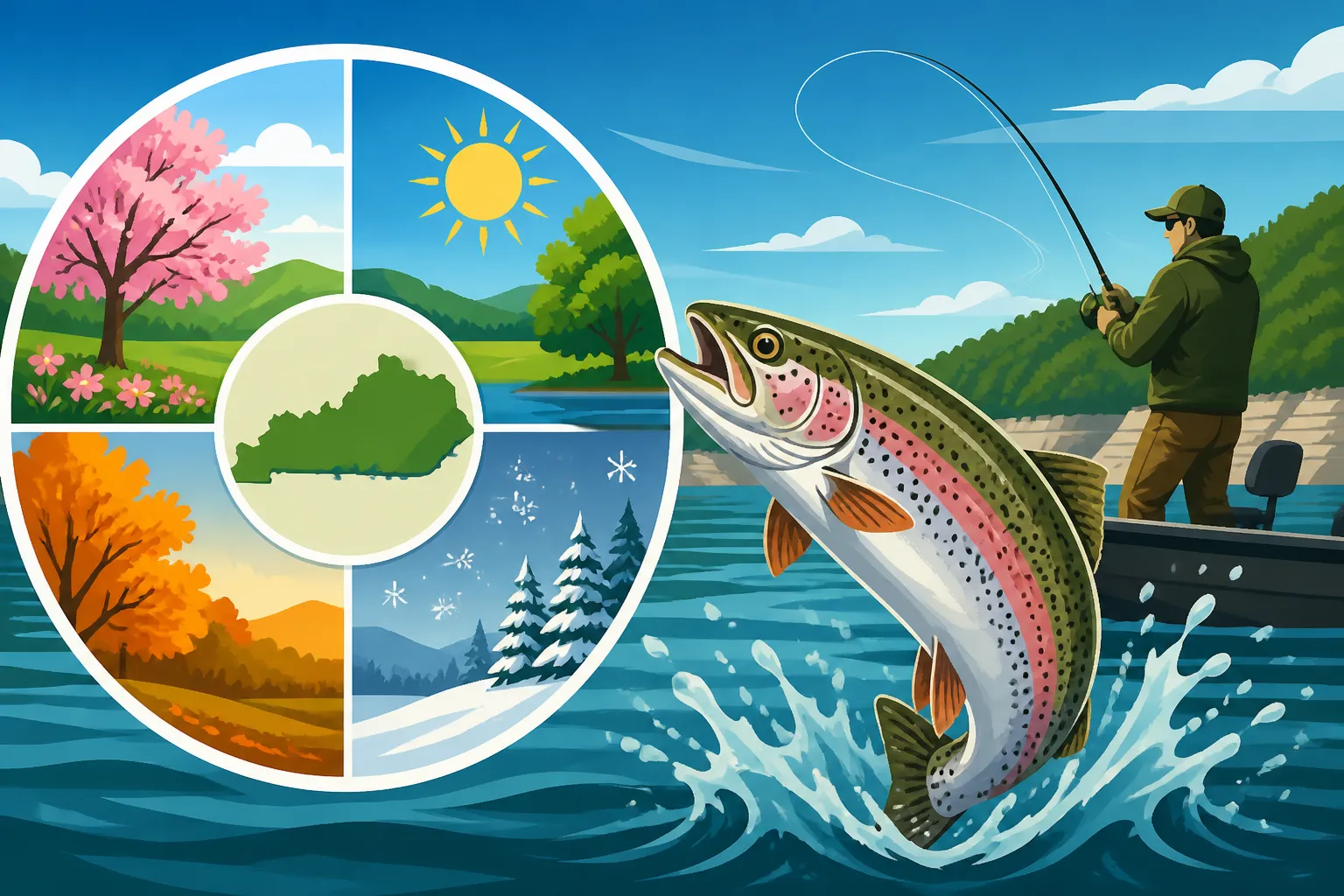
Best Time of Year to Catch Rainbow Trout on Kentucky’s Lake Cumberland
Figuring out the absolute best time to target a specific fish species can feel like cracking a secret code, especially when you're dreaming of reeling in some beautiful Rainbow Trout from a gem like Lake Cumberland. It's not always as simple as "just go in spring" or "only fish in winter." The truth is, Rainbow Trout in Lake Cumberland offer unique opportunities year-round, but knowing when and why certain periods shine will dramatically improve your chances. This guide is all about peeling back those layers, helping you understand the seasonal nuances, and pinpointing the prime windows for a truly memorable trout fishing experience on one of Kentucky's most incredible lakes.
Understanding Lake Cumberland's Unique Trout Fishery
Lake Cumberland isn't just any lake; it's a massive, deep reservoir known for its cold, clear waters, especially in the lower reaches. This particular characteristic, primarily driven by the Wolf Creek Dam, is what makes it such a phenomenal trout fishery, capable of sustaining robust populations of Rainbow Trout that thrive in cooler temperatures. Unlike many other lakes in Kentucky where trout might only survive a short period after stocking, Lake Cumberland provides a habitat where they can grow, flourish, and even reproduce in certain areas. It's a special place, and understanding its unique ecosystem is the first step to becoming a successful trout angler here.
The Cold-Water Release Phenomenon
The very existence of a thriving trout population in Lake Cumberland is thanks to the Wolf Creek Dam. This isn't just a big wall holding back water; it's an engineering marvel that, through its deep-water release gates, discharges incredibly cold water from the bottom of the lake into the Cumberland River below. This process doesn't just affect the river; it creates a large area within the main lake, particularly in the lower lake, that maintains consistently cold temperatures, even in the heat of summer. Think of it like a giant refrigerator for fish. This cold-water pocket is precisely where Rainbow Trout find their preferred environment, allowing them to survive and grow to impressive sizes year after year. Without this constant influx of chilly water, the lake would simply get too warm for sustained trout populations, especially during those scorching Kentucky summers. This phenomenon ensures that trout are present and catchable through all four seasons, although their behavior and preferred locations will certainly shift.
Stocking Schedules and Their Impact
While Lake Cumberland's cold water is a natural gift, the Kentucky Department of Fish and Wildlife Resources (KDFWR) ensures a healthy supply of Rainbow Trout through regular stocking programs. These stockings are absolutely vital, bolstering the wild populations and providing fantastic opportunities for anglers. Understanding when these stockings occur can give you a significant advantage, as recently stocked trout are often more active and less wary, having just been introduced to a new environment.
The exact timing of stockings can vary slightly year to year, but generally, you'll see Rainbow Trout released into the lake and the Cumberland River below the dam at various points throughout the year. Typically, stocking happens most heavily in the cooler months – fall, winter, and spring. The KDFWR aims to spread these stockings out to maintain a continuous, healthy population and to provide consistent fishing opportunities. After a fresh stocking, trout tend to disperse fairly quickly, but for a few days to a week, they might congregate closer to release points, making for some hot and heavy action. Checking the KDFWR website for the Kentucky Trout Stocking Schedule Explained is always a smart move before you plan your trip. These stocked fish, combined with the wild populations, create a dynamic and exciting fishery for anglers seeking Rainbow Trout.
Prime Seasons for Rainbow Trout on Lake Cumberland
While Rainbow Trout can be caught year-round in Lake Cumberland, each season brings its own set of challenges and rewards. There are definitely periods when the bite is hotter, the fish are more accessible, or the scenery just makes the experience that much sweeter. Knowing what to expect each season can help you fine-tune your approach and maximize your time on the water. It’s all about adapting to what the lake and the fish are doing at any given moment.
Fall: The Trout Hunter's Delight
Ah, fall. For many experienced trout anglers on Lake Cumberland, this is the time. As the oppressive summer heat gives way to crisp, cool air, the entire lake ecosystem begins to shift. The surface waters start to cool down, and the thermocline (that distinct layer separating warm surface water from cold deep water) begins to break up. This process, often called the "fall turnover," allows trout to expand their range throughout the water column. They're no longer confined to the deepest, coldest pockets.
During the fall, Rainbow Trout become incredibly active. They sense the coming winter and often go on a feeding binge to bulk up. This means they are more willing to chase lures and flies. You might find them suspended over deep water, cruising near points, or even moving into shallower coves as the water temperature becomes more uniform. The moderate air temperatures also make for a much more comfortable fishing experience for anglers. You're less likely to be battling heatstroke and more likely to be enjoying the stunning autumn foliage reflecting on the water. Early fall, right after the first significant cool fronts, can be particularly productive. Look for trout to be aggressive and spread out, offering diverse fishing opportunities.
Winter: Challenging but Rewarding
Winter trout fishing on Lake Cumberland might sound daunting, but for those willing to brave the chill, it can be incredibly rewarding. This is often when you'll find fewer anglers on the water, giving you a more peaceful experience. The water is at its coldest, and clarity is typically at its peak. While trout activity might slow down compared to fall, they are still very much catchable. The key here is to slow down your presentation and fish deeper.
Trout will often congregate in stable, deep water areas where temperatures remain consistent. Targeting structures like submerged creek channels, deep points, and humps can be highly effective. Vertical jigging or slowly trolling small spoons and baits become go-to techniques. It's a game of patience and precision, but the reward can be some of the largest, healthiest Rainbow Trout of the year. Don't let the cold deter you; bundle up, bring a thermos of hot coffee, and be prepared for a fight. Winter Trout Fishing at Kentucky's Lake Cumberland can be an incredible experience if you're prepared. You'll often find that the biggest trout are caught when the weather is at its most brutal.
Spring: Post-Stocking Frenzy
Spring on Lake Cumberland is synonymous with renewed energy, both for nature and for trout fishing. As the days lengthen and water temperatures gradually climb, trout activity begins to pick up. This is also a primary season for trout stockings, meaning a fresh influx of feisty Rainbows ready to bite. The period immediately following a stocking can be phenomenal, with anglers often reporting high catch rates.
Trout in spring will start to move more freely, often exploring shallower areas earlier in the day and retreating to deeper water as the sun gets higher. They'll be feeding aggressively after the slower winter months. Look for them around points, channel swings, and areas with submerged timber. This is a fantastic time for various techniques, from trolling to casting small spinners or spoons. The only real challenge can be unpredictable weather, with sudden cold fronts or heavy rains capable of temporarily slowing the bite. However, overall, spring offers excellent opportunities, especially for those who enjoy the thrill of a fresh stocking. Just remember to grab your Kentucky Trout Permit Guide before heading out!
Summer: Deep Water and Thermoclines
Summer fishing for Rainbow Trout on Lake Cumberland presents the biggest challenge but is by no means impossible. As air and surface water temperatures soar, trout are forced to seek refuge in the deepest, coldest parts of the lake. This means they will be highly concentrated below the thermocline, which is a distinct layer of water where the temperature changes rapidly. Finding this thermocline and fishing just above or within it is crucial for summer success.
Fish finders become invaluable tools during this season, allowing you to pinpoint the exact depth where trout are holding. You'll typically be targeting them in 40-80 feet of water, often suspended over much deeper areas. Trolling with downriggers or lead core line is a popular and effective method to get your lures down to the strike zone. Still fishing with live bait or powerbait at these depths can also yield results. The fish might be less aggressive due to the effort of staying cool, so slower presentations and more natural baits often work best. While it requires more specialized techniques and knowledge, catching a beautiful Rainbow Trout in the middle of summer heat is a true testament to Lake Cumberland's unique fishery. For those willing to invest in the right gear, like specialized deep-diving lures or lead core line found on sites like Amazon, summer can still deliver.
Factors Influencing the Bite (Beyond the Season)
While the time of year is a massive factor in trout fishing on Lake Cumberland, it's not the only factor. Smart anglers know that several environmental conditions can drastically alter the bite, sometimes even overriding seasonal expectations. Understanding these nuances will help you make better decisions on the water, no matter what month it is. It's about being a detective, reading the signs, and adjusting your approach.
Water Temperature and Oxygen Levels
For Rainbow Trout, water temperature is paramount. They are cold-water species, thriving in temperatures generally between 50-65°F. Any deviation from this range will directly impact their activity and location. In Lake Cumberland, the deep-water releases from Wolf Creek Dam are a blessing, creating those ideal thermal refuges. However, even within this large body of water, temperatures fluctuate.
During warmer months, trout will actively seek out the coldest, most oxygenated water available, often found near the dam or in the deepest parts of the main lake. As surface temperatures cool in fall and winter, trout can move shallower, becoming more comfortable in a wider range of depths. Oxygen levels are also critical. While deep water is cold, if it becomes stagnant and deoxygenated (which can happen in some lakes, though less common in Cumberland due to its size and flow), trout will avoid it. A sharp drop in water temperature (like after a severe cold front) can also temporarily shut down the bite, making fish lethargic. Conversely, a stable period of ideal temperatures will often correlate with increased feeding activity.
Dam Generation and Water Flow
The operation of Wolf Creek Dam has a direct and significant impact on fishing conditions, especially for trout. When the dam is generating power, it pulls a massive amount of water through its turbines, creating substantial current and flow. This current can concentrate baitfish and dislodge food sources, effectively creating a "feeding frenzy" for trout and other species. Many experienced anglers specifically target periods of generation for prime opportunities, especially near the dam itself or in the upper reaches of the Cumberland River directly below.
However, continuous, strong generation can also make fishing challenging due to powerful currents that make boat positioning difficult and bait presentation tricky. When the dam is not generating, the water can become more stagnant, and trout might spread out or hold tighter to structure. Anglers often check the generation schedule from the Army Corps of Engineers before heading out, as it can be a game-changer. This rhythm of generation and slack water profoundly affects where trout position themselves and how actively they feed. Fishing after a period of heavy generation, as the currents subside, can also be very productive, as fish might still be actively foraging on dislodged food.
Baitfish Availability
Like any predator, Rainbow Trout go where the food is. The availability and concentration of baitfish, such as threadfin and gizzard shad, alewives, or even smaller panfish, heavily influence where trout will be found and how actively they feed. Lake Cumberland has a rich forage base, which contributes to the excellent growth rates of its trout. If you can locate schools of baitfish, there's a good chance that predatory trout won't be far behind.
Trout will often school up to chase baitfish, especially in open water. Using a good fish finder to locate these bait balls can be incredibly effective. Their movements are also seasonal; baitfish tend to move shallower in the spring and fall, and deeper in the summer and winter. Understanding these patterns helps you predict where trout might be holding. Matching your lure or fly to the size and color of the prevailing baitfish is a classic and highly effective strategy. For example, if trout are feeding on small, silvery alewives, a small silver spoon or a lure with a similar profile, perhaps found browsing on Amazon, would be an excellent choice. A healthy baitfish population equals healthy, active trout, so paying attention to what's swimming around is always a good idea.
Essential Gear and Techniques for Lake Cumberland Rainbows
Successfully targeting Rainbow Trout on Lake Cumberland requires more than just knowing when and where they might be. It also demands the right approach, both in terms of your fishing methods and the specific gear you use. The lake's size and depth, combined with the trout's behavior, mean that a one-size-fits-all approach rarely works. You'll want to be versatile and adaptable to maximize your success.
Trolling vs. Still Fishing vs. Casting
Each of these fundamental fishing techniques has its place when chasing Lake Cumberland Rainbows, and the best choice often depends on the season, conditions, and your personal preference.
-
Trolling: This is arguably the most popular and effective method for covering large expanses of water and finding actively feeding trout, especially in open water. Trolling allows you to present lures or baits at specific depths for extended periods. Techniques like lead core line, downriggers, or even planer boards are commonly used to achieve the desired depth and spread. Trolling is particularly effective during the fall and spring when trout are more spread out, and in the summer when they are holding deep. You can experiment with different speeds, lure types, and depths until you find what the fish are biting on. Spin Fishing for Trout: Gear and Technique often involves trolling as a primary method.
-
Still Fishing: Also known as "dead sticking" or "anchoring," still fishing involves positioning your boat or fishing from the bank and presenting a bait stationary or with minimal movement. This method is excellent when trout are concentrated in a specific area, such as near a dam, a deep channel bend, or around a known structure. Using live bait (like minnows or worms) or powerbait suspended under a float or on the bottom with a sinker can be very effective. Still fishing shines in winter when fish are less active and during periods of slack current. For bank anglers, still fishing with a simple bottom rig or a bobber setup is often the most accessible way to target trout.
-
Casting: While less common for deep-water trout on Lake Cumberland, casting can be incredibly effective in certain situations, especially immediately after stocking events or when trout move shallower in cooler months. Casting small spinners, spoons, or even flies (How to Fly Fish for Stocked Trout) allows you to target specific visible structure or areas where you suspect trout are holding. This is a more active form of fishing, requiring repetitive casts and retrieves. It's often employed by anglers fishing from shore or those targeting the immediate areas around boat ramps after a fresh stocking. Using ultralight gear can make casting small lures a blast and provide an exciting fight with a feisty Rainbow.
Recommended Baits and Lures
Having the right bait or lure in your tackle box is just as important as the technique you choose. Trout can be picky, so a variety of options is always a good idea.
-
PowerBait & Dough Baits: These scented, moldable baits are perennial favorites for trout. They come in a rainbow of colors and various scents. Often fished on a small treble hook with a split shot or an egg sinker, they float just off the bottom, making them highly visible. They are particularly effective for stocked trout and excel in still-fishing scenarios. Brands like Berkley PowerBait are very popular and can be easily found on Amazon.
-
Live Baits: Nothing beats natural bait sometimes. Live minnows, particularly small shiners or shad, are irresistible to larger Rainbow Trout. Worms (like red wigglers or nightcrawlers) are also excellent choices, especially when fishing on the bottom or under a float. Best Bait for Trout on Cold-Water Mountain Streams often works just as well in the lake.
-
Spoons: Classic metal spoons are deadly for trolling or casting. Their wobbling, flashing action mimics injured baitfish. Silver, gold, and vibrant colors (like orange or chartreuse) are often productive. Popular spoon brands often include a variety of sizes and weights to match different depths and baitfish profiles.
-
Spinners: Inline spinners, featuring a rotating blade, create flash and vibration that attract trout. Sizes ranging from 1/8 to 1/4 ounce are generally effective. Again, silver, gold, and bright colors work well. Spinners are great for casting and retrieving, especially in shallower water or for targeting aggressive fish.
-
Crankbaits & Jerkbaits: Small, slender crankbaits and jerkbaits that imitate baitfish can be very effective, especially when trolled. Look for models that dive to the desired depth. Their erratic swimming action can trigger strikes from even hesitant trout. Having a selection of these, some from trusted brands available on Amazon, can make a big difference.
-
Soft Plastics: Small grubs, tubes, or swimbaits rigged on a lightweight jig head can be very productive, particularly when vertically jigged in deeper water or slowly retrieved. Experiment with different colors and sizes to see what the trout prefer on a given day.
Remember to vary your presentation, retrieve speed, and lure color until you find what the trout are keying in on. Sometimes, a subtle change is all it takes to turn a slow day into a memorable one.
Lake Cumberland Rainbow Trout Fishing Seasonal Overview
Here's a quick rundown to help you visualize the seasonal opportunities:
| Season | Key Characteristics | Typical Location | Recommended Techniques | Preferred Baits/Lures | Special Considerations |
|---|---|---|---|---|---|
| Fall | Cooling water, active feeding, turnover | Spread throughout water column, points, humps | Trolling, Casting | Spoons, Spinners, Live Minnows, PowerBait | Excellent bite, comfortable weather, beautiful scenery |
| Winter | Coldest water, less active, concentrated fish | Deep channels, humps, near dam | Still Fishing, Vertical Jigging | PowerBait, Live Minnows, Small Spoons | Fewer anglers, challenging conditions, potential for big fish |
| Spring | Warming water, post-stocking frenzy, increased activity | Points, channel swings, shallower coves (early) | Trolling, Casting, Still Fishing | PowerBait, Spinners, Spoons, Worms, Live Minnows | Fresh stockings, unpredictable weather, aggressive bite |
| Summer | Warm surface water, trout in cold deep pockets | Below thermocline, deep main lake, near dam | Trolling (downriggers/lead core), Still Fishing | PowerBait, Live Minnows, Deep-diving Spoons/Crankbaits | Specialized gear needed, challenging but still productive |
Ultimately, Lake Cumberland is a fantastic destination for trout fishing any time of the year, provided you understand the changing conditions and adjust your tactics accordingly. From the explosive bites of fall and spring to the challenging but rewarding deep-water game of summer and winter, there's always an opportunity to tangle with a beautiful Rainbow. So, plan your trip, get your Kentucky Fishing License Guide and trout permit, and hit the water! Don't forget to check the Kentucky Trout Permit Cost and Requirements and consider How to Add a Trout Permit to Your Kentucky Fishing License before you go.
Disclaimer
This article is for general informational purposes only and does not constitute professional advice. Laws, prices and regulations vary by location and change over time. Consult a qualified professional for guidance on your specific situation.