Taylorsville Lake State Park Shore Fishing Access
Finding reliable, accessible shore fishing spots can sometimes feel like searching for a hidden treasure, especially when many of Kentucky's magnificent lakes are geared heavily towards boat access. But for those of us who love the simplicity and connection of fishing from the bank, fear not! This comprehensive guide is here to unravel all the fantastic opportunities for shore fishing available at Taylorsville Lake State Park, ensuring you can enjoy a relaxing and productive day on the water without ever needing to launch a boat.
Why Taylorsville Lake State Park Shines for Bank Anglers
Taylorsville Lake, nestled in Spencer, Anderson, and Nelson counties, is a gem in Kentucky's state park system, and it offers some truly exceptional opportunities for anglers who prefer to keep their feet firmly on solid ground. Many lakes, for all their beauty, can be frustratingly difficult to access if you're not bringing a boat. You might find yourself staring across vast expanses of water from a tiny, overgrown patch of bank, feeling a world away from the actual fishing action. Taylorsville Lake State Park, however, is designed with a more inclusive approach, providing multiple well-maintained areas that make it a genuine haven for shore anglers.
What makes this park so special for us bank-bound folks is its varied shoreline and dedicated infrastructure. You’re not just relegated to a single, crowded pier. Instead, you'll discover a thoughtful network of accessible points that put you right where the fish are, or at least, where they should be! This accessibility means less bushwhacking, less struggling with gear over rough terrain, and more actual fishing time. It’s a place where families can easily spend the day, and solo anglers can find a peaceful retreat. Plus, the surrounding state park offers other amenities, making it a great destination for a full day out, even if not everyone in your party is as obsessed with fishing as you are. The foresight in developing these public access points truly sets it apart from many other impoundments in the state.
More Than Just a Pretty View: Productive Shorelines
It’s easy to get caught up in the scenic beauty of Taylorsville Lake – the rolling hills, mature trees, and calm waters are undeniably captivating. But beneath that surface, and right off the banks, lies a thriving fishery that's very much within reach for shore anglers. This isn't just about catching small sunfish, though there are plenty of those for the kids and beginners. Taylorsville Lake is renowned for its healthy populations of largemouth bass, crappie, and various catfish species, all of which can be successfully targeted from the bank if you know where to look and what techniques to employ.
The lake’s structure plays a huge role in this productivity. Even close to shore, you’ll find drop-offs, submerged timber, and weed beds that act as perfect ambush points for predators like bass and crappie. These features are often inaccessible from shore on other lakes, but Taylorsville Lake State Park’s design brings them into play. Anglers frequently report good catches of decent-sized bass and slab crappie right from the bank, especially during the spring and fall months when fish are more likely to be cruising the shallows. And for the dedicated catfisherman, the deeper pockets and channels near some of the access points can yield impressive blue and channel catfish. It’s this combination of easy access and genuine fishing potential that makes Taylorsville Lake State Park such a popular spot.
Prime Shore Fishing Locations within Taylorsville Lake State Park
Now, let's get down to brass tacks: where exactly can you drop a line and expect some action? The beauty of Taylorsville Lake State Park is its diversity of access points, each offering a slightly different experience and targeting potential. You're not stuck with just one option, which is a common frustration at many public access points. Whether you prefer a dedicated pier, a quiet cove, or a spot near amenities, you've got choices.
Here’s a breakdown of some of the best spots to consider:
The Tailwater Area Below the Dam
One of the most consistently productive areas for shore fishing, especially for species that thrive in moving water, is the tailwater area directly below the Taylorsville Lake Dam. While it's not technically "in" the main lake, it's a fantastic part of the park for bank anglers. This section of the Salt River can be excellent for a variety of species, including white bass, sauger, and even larger catfish that congregate below the dam, particularly when water is being released.
Fishing here requires a different approach than the lake itself. The current can be strong, so heavier tackle might be necessary to keep your bait or lure down. Many anglers find success using jigs tipped with minnows or soft plastics for the sauger and white bass, while sturdy bottom rigs with cut bait or nightcrawlers are preferred for catfish. Always exercise caution in this area due to varying water levels and currents, and be sure to check the generation schedule if possible. It’s a dynamic environment, offering some of the most exciting and fast-paced shore fishing experiences in the park.
Campground and Day-Use Areas
The campground and day-use areas within Taylorsville Lake State Park offer some of the most convenient and family-friendly shore fishing access. These spots are usually well-maintained, feature ample parking, and often have amenities like restrooms and picnic tables nearby. What's more, the shoreline in these areas is often relatively clear of heavy snags, making it a great place for beginners or for fishing with children.
- Campground Shoreline: For those staying at the park, the campground offers immediate access to the lake's edge. Many campsites are just a stone's throw from the water, allowing for impromptu fishing sessions whenever the mood strikes. The lake bottom here typically features a mix of gravel and some scattered cover, attracting panfish, smaller bass, and channel catfish. It's a fantastic place to teach kids how to fish, using simple bobber rigs with worms or crickets. Just make sure to be mindful of other campers and their activities.
- Day-Use Picnic Areas: Throughout the park, you’ll find designated picnic areas that often have direct access to the water. These spots are perfect for a day trip, combining a meal outdoors with some relaxing fishing. These areas tend to have shallower, gradual slopes, which warm up quickly in spring, attracting spawning crappie and bass. Casting small jigs, inline spinners, or a simple worm under a bobber can be very effective here. Check out areas near the boat ramp or designated swimming beach (when not in use for swimming, of course) for good bank access.
Dedicated Fishing Piers and Boardwalks
Perhaps the most obvious and user-friendly options for shore anglers are the dedicated fishing piers and boardwalks. Taylorsville Lake State Park is known for having a few such structures that extend out into the water, providing anglers access to slightly deeper water and areas that might otherwise be unreachable from the bank. These structures are often handicap-accessible, making them a great option for everyone.
The main fishing pier near the marina and restaurant area is a prime example. This pier provides excellent opportunities to target crappie, especially during their spring and fall movements, as well as bass and catfish. The deeper water off the end of the pier can hold larger fish. Using minnows under a slip bobber or vertical jigging small spoons and jigs are popular and effective techniques here. For those interested in a wider array of species, consulting the Kentucky Fish Species Guide: 265 Types You Can Catch might give you an idea of what else you could encounter.
Another notable spot is the boardwalk system that winds through some of the wetter, marshier areas, sometimes offering secluded fishing pockets. While these might not be "piers" in the traditional sense, they offer elevated, stable platforms over parts of the lake that would otherwise be impossible to fish from the bank. These more secluded areas can be excellent for bass that hide in cover or for panfish.
Essential Gear and Techniques for Taylorsville's Shorelines
Fishing from the bank at Taylorsville Lake State Park is about simplicity and efficiency. You don't need a boatload of expensive gear, but having the right setup can make a huge difference in your success and enjoyment. Many of the basic Bank Fishing Techniques for Beginners will work wonderfully here.
Rods, Reels, and Line Choices
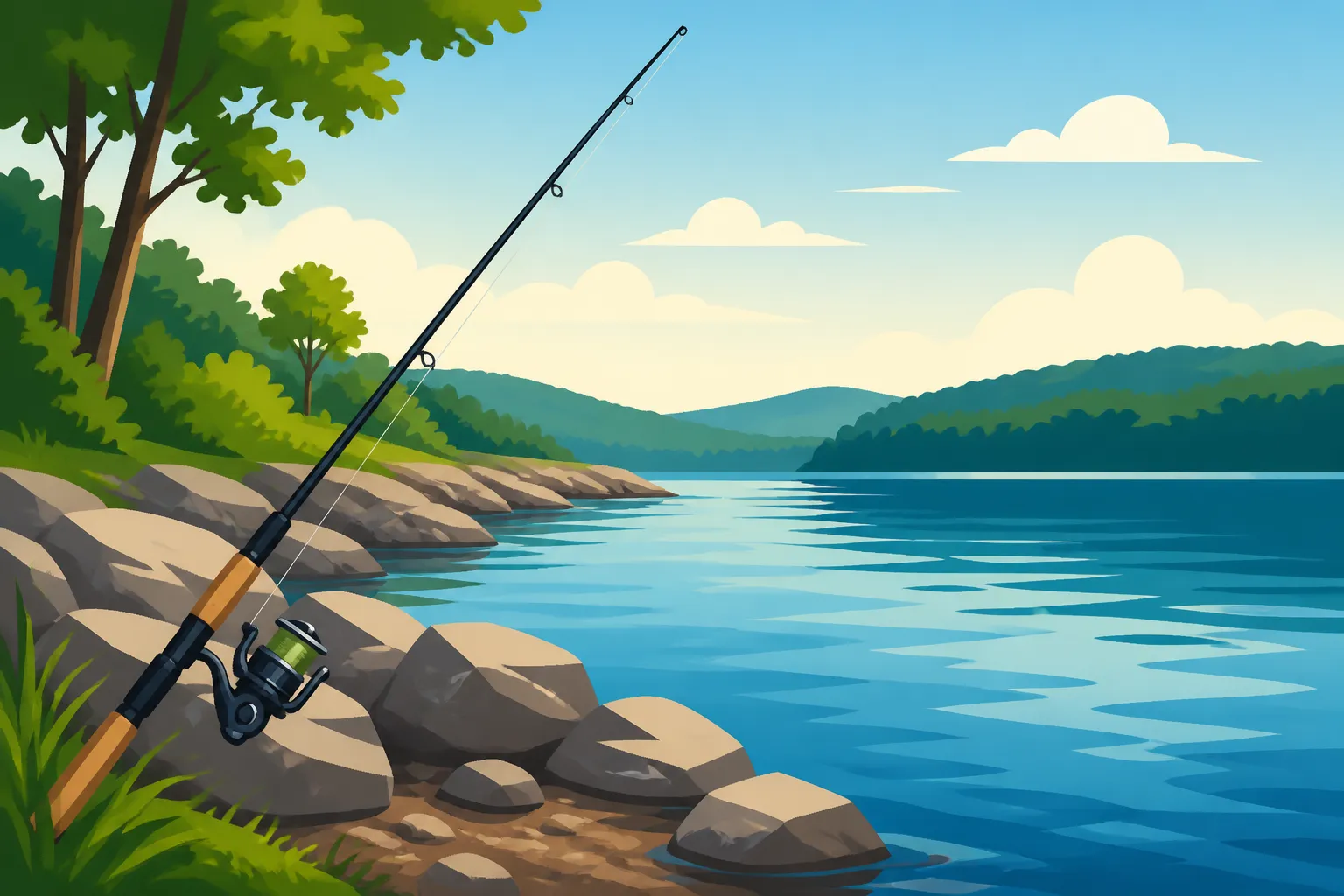
For general shore fishing at Taylorsville, a medium-light to medium action spinning rod, 6 to 7 feet in length, is incredibly versatile. This setup will give you enough backbone to handle a decent-sized bass or catfish, while still being sensitive enough to detect bites from smaller crappie or panfish. Pair it with a 2500 or 3000 series spinning reel spooled with 6-10 lb monofilament or fluorocarbon line. Monofilament is a great all-around choice for its forgiving stretch and ease of use, while fluorocarbon offers less stretch and better abrasion resistance, which can be useful around submerged timber. Braided line, with a fluorocarbon leader, is another excellent option for its strength and sensitivity, especially if you're targeting larger bass or catfish.
Best Baits and Lures for Bank Anglers
Your bait and lure selection will depend on what you're targeting, but a few staples will serve you well across the board at Taylorsville:
- Live Bait: Live bait is often king, especially for beginners and when targeting crappie, catfish, and panfish.
- Minnows: Essential for crappie, often suspended under a bobber or slowly retrieved.
- Nightcrawlers/Worms: The ultimate all-around bait, perfect for panfish, channel catfish, and even opportunistic bass.
- Chicken Liver/Prepared Baits: Excellent for channel catfish and blue catfish.
- Artificial Lures:
- Jigs: Small jigs (1/16 to 1/8 oz) tipped with soft plastic bodies (grubs, tubes, swimbaits) are incredibly effective for crappie and can also catch bass. Consider colors like chartreuse, white, and black.
- Spinnerbaits & Chatterbaits: For bass, especially in areas with grass or submerged cover. These create a lot of flash and vibration, calling fish in.
- Crankbaits: Smaller, shallow-diving crankbaits can be great for bass patrolling the banks.
- Soft Plastics: Wacky-rigged Senkos, Texas-rigged worms, or creature baits can be deadly for bass around cover. Don't be afraid to experiment with different colors and retrieves.
- Inline Spinners: Like a classic Mepps or Rooster Tail, these are fantastic for white bass, smaller bass, and even larger panfish. They cast well and are easy to retrieve.
Remember, fish behavior changes with the seasons. What works in spring might not be as effective in summer. Keep an eye on the Kentucky Fishing Seasons: What to Catch Each Month to help guide your choices.
Seasonal Considerations for Shore Fishing
Taylorsville Lake offers excellent fishing year-round, but your success from the bank will largely depend on understanding seasonal patterns.
- Spring (March-May): This is arguably the best time for shore fishing. As water temperatures rise, crappie move shallow for their spawn. You can find them in coves and around any available cover. Similarly, bass become very active near the banks, feeding aggressively before and during their spawn. This is when shallow-running crankbaits, spinnerbaits, and soft plastics can be particularly effective for bass. For crappie, small jigs and minnows under a bobber are tough to beat. The Kentucky Crappie Fishing: Spring Spawn Run Guide would be an invaluable read.
- Summer (June-August): As temperatures soar, many fish move to deeper, cooler water. Shore fishing can become more challenging during the day. Focus on early mornings, late evenings, or even night fishing for catfish. Bass might move into shaded areas or deeper weed lines, making them harder to reach from shore. However, panfish will still be abundant in shallower, oxygenated areas, especially around any structure.
- Fall (September-November): Fall brings another surge of activity as fish feed heavily in preparation for winter. Bass and crappie move back into shallower waters, often chasing baitfish. This is a great time for lipless crankbaits, spinnerbaits, and jigs. Catfish remain active and can be caught from deeper bank access points.
- Winter (December-February): Shore fishing in winter requires patience and different tactics. Fish are lethargic and often hold in deeper channels or near vertical structure. Look for warmer, sunny days and slow down your retrieve significantly. Jigging small spoons or minnows can still tempt a bite, especially in the tailwater area or from the fishing piers that reach into deeper water.
Navigating Regulations and Ensuring a Smooth Trip
No matter how seasoned you are, understanding and adhering to fishing regulations is paramount for a responsible and enjoyable trip. Kentucky has specific rules, and while Taylorsville Lake State Park offers fantastic access, it’s still part of the wider state-regulated fishing system.
License Requirements and Park Rules
First and foremost, if you are 16 years of age or older, you must possess a valid Kentucky fishing license. It's not just a formality; it's a legal requirement and directly supports the conservation efforts that make places like Taylorsville Lake so productive. You can easily purchase a Kentucky Resident Annual Fishing License Costs $24.31 online through the Kentucky Department of Fish and Wildlife Resources website, at most sporting goods stores, or even at some local bait shops. Don’t forget that kids under 16 don't need a license, but they still need to abide by all other regulations, like bag and size limits. You can find more details in our guide on Do Kids Need a Fishing License in Kentucky?.
Beyond your state fishing license, always be mindful of specific park rules. While general fishing regulations apply, state parks sometimes have additional guidelines regarding areas where fishing is permitted, hours of operation, or even bait restrictions. Always check signage at the park entrance or specific fishing access points. For a comprehensive overview of statewide rules, check out Kentucky Fishing Regulations Explained.
Bag and Size Limits for Common Species
Taylorsville Lake has general statewide bag and size limits for most species, but it's always wise to double-check before you go. These limits are in place to ensure sustainable fishing for everyone.
Here's a quick reference for some of the most popular species you'll encounter from the bank at Taylorsville Lake:
| Species | Statewide Size Limit | Statewide Daily Limit |
|---|---|---|
| Largemouth Bass | 12 inches minimum | 6 fish |
| Smallmouth Bass | 18 inches minimum | 1 fish |
| Crappie | No statewide size limit | 20 fish |
| White Bass | No statewide size limit | 30 fish |
| Channel Catfish | No statewide size limit | 15 fish |
| Blue Catfish | No statewide size limit | 15 fish (only 1 over 25") |
| Flathead Catfish | No statewide size limit | 5 fish |
| Sunfish/Bluegill | No statewide size limit | No limit |
Note: Always verify current regulations with the Kentucky Department of Fish and Wildlife Resources before your trip, as rules can change.
It's crucial to understand that while these are statewide limits, some specific lakes or bodies of water can have unique, site-specific regulations. While Taylorsville Lake generally follows statewide rules, it's a good practice to check for any Site-Specific Regulations Every Angler Should Check First to avoid any surprises. A simple Google search for "Taylorsville Lake fishing regulations KDFWR" will usually get you the most up-to-date information. If you're planning on hiring a guide to explore other parts of the lake by boat, especially for bass, a service like FishingBooker can provide insights from local captains who are always current on the latest rules.
Safety First on the Banks
Even from the bank, safety should always be a top priority. The natural environment can be unpredictable.
- Footing: Watch your step, especially on rocky or muddy banks that can be slippery.
- Weather: Be aware of changing weather conditions. Kentucky summers can bring sudden thunderstorms.
- Sun Protection: Wear sunscreen, a hat, and sunglasses, even on cloudy days.
- Hydration: Bring plenty of water, especially during warmer months.
- Wildlife: Be respectful of local wildlife. While encounters are rare, it's always good to be aware of your surroundings.
- Life Jackets: While not legally required for bank fishing, if you’re fishing from a pier or near deeper drop-offs, especially with kids, consider having a life jacket on hand. It's better to be safe than sorry.
By being prepared and informed, your shore fishing experience at Taylorsville Lake State Park can be incredibly rewarding, offering a peaceful escape and the thrill of a good catch without the need for a boat. If you ever decide to try a boat trip on the lake, you can easily find local guides and compare options on FishingBooker, but for now, enjoy the fantastic bank fishing opportunities this state park provides!
Disclaimer
Please remember that fishing regulations, conditions, and park amenities can change. Always consult the official Kentucky Department of Fish and Wildlife Resources website and Taylorsville Lake State Park's official pages for the most current and accurate information before planning your trip. This guide is for informational purposes only and should not replace official guidance.