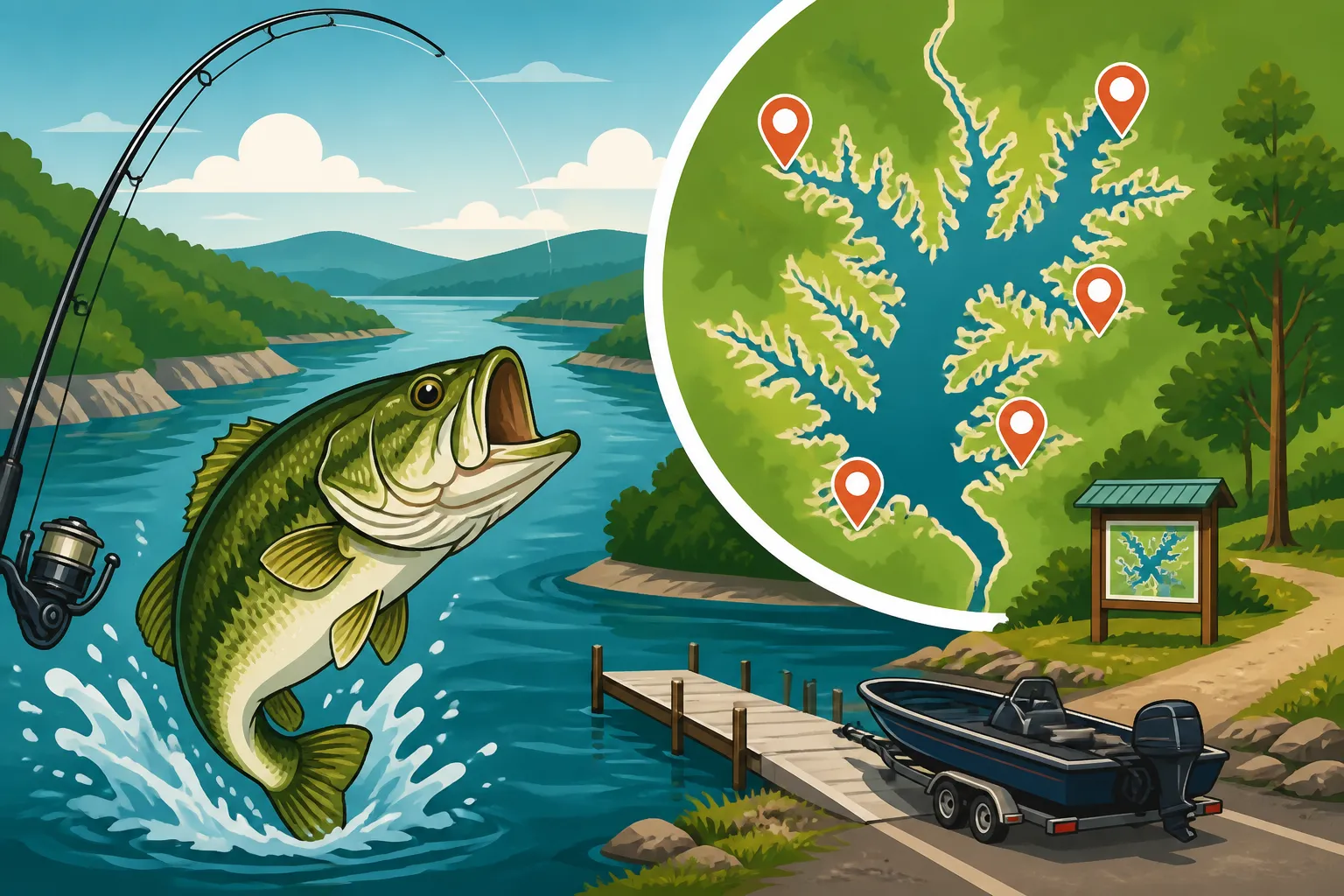
Dale Hollow Lake Fishing Spots and Access Points
Trying to navigate a new lake, especially one as vast and legendary as Dale Hollow, can feel like you're staring at a giant, confusing map with no "X marks the spot." It's incredibly frustrating to spend valuable time on the water guessing where the fish are hiding, or worse, struggling to even find a good launch point. This comprehensive guide is designed to cut through that confusion, giving you the insider scoop on Dale Hollow Lake's prime fishing spots and the practical access points you'll need to make your next trip a success.
Understanding Dale Hollow Lake's Unique Character for Anglers
Dale Hollow Lake isn't just another body of water; it's a living legend in the fishing world, especially if you're chasing smallmouth bass. Straddling the border of Kentucky and Tennessee, this massive reservoir was formed by the damming of the Obey River and portions of the Cumberland River system, creating a truly unique and diverse aquatic environment. Its character profoundly influences where fish congregate and how anglers should approach their pursuit.
The Lake's Geographical Footprint and Depth Profile
Imagine nearly 28,000 acres of crystal-clear water, winding through intricate hollows and covering submerged timber, rock formations, and old creek channels. That's Dale Hollow Lake. With an average depth hovering around 50 feet and reaching depths exceeding 130 feet in some areas near the dam, this isn't a shallow-water paradise. Its deep, clear waters are a direct result of its Appalachian foothills location, fed by clean, spring-fed tributaries. This significant depth means that fish have a vast vertical range to roam, often retreating to cooler, oxygen-rich thermoclines in the summer months. Anglers targeting species like walleye or even crappie will need to master deep-water presentations, relying on electronics to locate structure and baitfish schools. For bass, understanding how they relate to ledges, points, and humps in various depths is absolutely critical, as they rarely stay in one depth zone for long.
How Dale Hollow's Clear Waters Influence Fish Behavior
The exceptional water clarity of Dale Hollow Lake is both a blessing and a curse. On one hand, it allows light to penetrate deep, fostering lush weed growth in shallower coves and providing ample ambush points for predatory fish. On the other, it makes fish incredibly wary and spooky, especially on bright, sunny days. This means lighter lines, more subtle presentations, and often, fishing during low-light conditions like dawn, dusk, or even at night can be more productive. Anglers frequently find success using natural bait colors that mimic the lake's abundant forage, or by employing fluorocarbon leaders to reduce line visibility. When you can see your lure 10-15 feet down, you can bet the fish can too, making stealth an absolute game-changer here.
Historical Significance and Its Impact on Current Fisheries
Dale Hollow Lake has a rich history, being one of the earlier projects of the U.S. Army Corps of Engineers, completed in 1943. The impoundment flooded fertile river bottoms, old farms, and even small communities, creating a treasure trove of submerged structure that continues to hold fish today. Old roadbeds, foundations of former homesteads, and vast fields of standing timber are still vital fish habitats, acting as highways and hotels for everything from smallmouth to catfish. This historical context is why experienced anglers often consult old topographical maps or modern mapping software that highlights these underwater features. The lake's management has also consistently prioritized its world-class smallmouth fishery, leading to strict regulations and stocking programs that have cultivated its reputation. Knowing this background helps you understand why certain areas consistently produce and how the lake's unique history literally shaped its incredible fishing opportunities.
Top Spots for Targeted Species: Dale Hollow's Angling Hotbeds
Dale Hollow Lake is renowned for certain species, with smallmouth bass often stealing the spotlight. However, it offers fantastic fishing for a variety of other popular game fish, each requiring specific tactics and knowledge of their preferred habitats. Understanding where to focus your efforts for each species can drastically improve your success rate.
Legendary Smallmouth Bass Haunts and Strategies
If there’s one fish that defines Dale Hollow, it's the smallmouth bass. This lake is famous for producing some truly gargantuan "bronze backs," and it's even home to the world record smallmouth, caught back in 1955. Anglers chasing these hard-fighting fish often target rocky points, bluff walls, deep humps, and submerged islands. Areas around Sulphur Creek, Obey River, and Big Blue Springs are historically productive. Early spring sees smallmouth moving shallower onto gravel and rock flats for spawning, where crankbaits, jerkbaits, and tube jigs excel. As the water warms into summer, they retreat to deeper water, often holding on points and ledges at depths of 20-40 feet, making drop-shot rigs, hair jigs, and shaky heads indispensable tools.
A classic strategy on Dale Hollow is to fish "the ledges." These are abrupt depth changes, often found off main lake points or along creek channels, where smallmouth ambush baitfish moving up and down the water column. Finding the right depth where the fish are actively feeding is key, and this can change hourly. Many anglers find success exploring the many points and coves on the Kentucky side of the lake, particularly those leading into major creek arms like Illwill Creek or Otter Creek. Don't be afraid to fish vertical presentations right under your boat when using your electronics to spot suspended fish or those holding tight to deep structure. For more detailed insights, check out our guide on the Best Smallmouth Bass Spots on Dale Hollow Lake.
Walleye and Crappie: Deep Water and Structure Fishing
While smallmouth are the stars, Dale Hollow also boasts a robust population of walleye, particularly in the lower, deeper sections of the lake near the dam. These elusive predators prefer cool, clear water and are often found relating to similar deep rock structures as the smallmouth. Trolling deep-diving crankbaits or using jigging spoons over humps and ledges in 25-60 feet of water can be highly effective, especially around dawn and dusk. The Obey River channel, particularly where it meanders through deeper sections, is a prime area for walleye. Our specific guide on Where to Catch Walleye on Dale Hollow Lake offers more in-depth strategies for these tasty fish.
Crappie, both black and white, are also present, though they can be a bit more challenging due to the lake's clarity and deep nature. They tend to school around submerged brush piles, standing timber, and creek channel drop-offs. In spring, they move into shallower coves and can be caught jigging small jigs or fishing live minnows under slip bobbers near submerged wood. During warmer months, you'll need to locate them in deeper water, often suspended over brush in 15-30 feet. Look for these fish in the upper reaches of creek arms or in the dead timber fields that are common throughout the lake. Remember that while Kentucky has a statewide crappie daily limit of 20 fish, you should always check if Does Kentucky Have a Size Limit on Crappie? for any site-specific exceptions on Dale Hollow, although generally, there isn't one here.
Other Popular Catches: Largemouth, Spotted Bass, and Panfish
Dale Hollow isn't exclusively a smallmouth domain. You'll find healthy populations of largemouth and spotted bass, especially in the more stained water of the upper lake arms and in coves with more terrestrial vegetation. Largemouth tend to prefer areas with more cover, like laydowns, docks, and weed beds, which can be found in the backs of creeks and shallower bays. Spotted bass often share habitat with smallmouth but can be more aggressive and easier to catch. Spinnerbaits, Texas-rigged worms, and jig-and-trailer combos are excellent choices for these fish.
For those looking for a relaxing day and some table fare, panfish like bluegill and redear sunfish are abundant, especially in shallower coves and around marinas. They're typically found near docks, fallen trees, and rocky shorelines, particularly during their spawning season in late spring and early summer. A simple setup with a small hook, a piece of worm, and a bobber is often all you need. These fish offer fantastic opportunities for new anglers and families. When planning your trip, consider checking out Best Family-Friendly Fishing Spots on Dale Hollow Lake to find areas specifically suited for a relaxed panfish outing.
Public Access Points and Marinas Around Dale Hollow Lake
Getting your boat on the water or finding a good bank fishing spot is the first step to a successful Dale Hollow trip. While the lake spans two states, understanding the primary access points on both the Kentucky and Tennessee sides is crucial for anglers looking to explore its full potential.
Kentucky Side: Key Ramps and Facilities
Kentucky offers several excellent access points to Dale Hollow Lake, predominantly through public ramps and state resort parks. These facilities are generally well-maintained and provide ample parking, though they can get busy during peak season.
- Dale Hollow Lake State Resort Park Marina: Located on the northern, Kentucky side of the lake, this is one of the most prominent access points. It offers a large, multi-lane boat ramp, extensive parking, a full-service marina, boat rentals, and even lodging. It’s an ideal starting point for exploring the upper and mid-lake sections of the Kentucky arm. The ramp here is suitable for all types of fishing boats, from bass boats to pontoons. You'll find restrooms, a fish cleaning station, and often a small store for bait and essentials.
- Sulphur Creek Resort & Marina: Further west on the Kentucky side, Sulphur Creek is another popular destination. It provides excellent boat ramps, cabin rentals, and a marina. This area is known for good smallmouth fishing and offers access to the Sulphur Creek arm, which has plenty of coves and points to explore.
- Hendricks Creek Resort: Also located on the Kentucky side, Hendricks Creek offers a quieter, more secluded experience. It features boat ramps, a marina, and cabins, and is a great base for anglers looking to target the middle sections of the Kentucky half of the lake. The ramps here are well-maintained, but parking can sometimes be a bit more limited compared to the larger state park facilities.
These Kentucky locations are generally easy to find and offer a good starting point for your fishing adventures. For specific details on these and other ramps, our guide on Best Boat Ramps on the Kentucky Side of Dale Hollow Lake will be incredibly useful.
Tennessee Side: Major Access Points and Amenities
Given that Dale Hollow Lake is shared, many Kentucky anglers will find themselves launching from or exploring areas on the Tennessee side, which also boasts excellent marinas and access points. These can often provide different fishing opportunities depending on your target species and desired fishing pressure.
- Dale Hollow State Park (Tennessee): Not to be confused with Kentucky's State Resort Park, this park in Tennessee offers fantastic access near the dam. It features a large marina, multiple boat ramps, and plenty of amenities. This is a prime location for those targeting the deeper, clear waters of the lower lake, known for its walleye and trophy smallmouth.
- Obey River Park: Operated by the Army Corps of Engineers, Obey River Park is a popular day-use area with a good boat ramp and fishing access near the confluence of the Obey River and the main lake. It's an excellent launch point for exploring the Obey River arm, which holds a variety of species.
- Sunset Marina & Resort: A high-quality, full-service marina on the Tennessee side, Sunset Marina offers multiple ramps, extensive parking, lodging, and all the conveniences an angler could need. It's a great base for exploring the central part of the lake.
When planning to explore the Tennessee side, always remember to verify that your Kentucky fishing license is valid for the specific waters you intend to fish, or if a Tennessee license is required. Reciprocity rules can be tricky on border waters. If you're considering hiring a guide to help navigate these waters, particularly if you're unfamiliar with the area or looking for specific species, services like FishingBooker can connect you with experienced local captains who know the lake inside and out, regardless of which state they primarily operate from.
Navigating Boat Ramps and Parking Considerations
Dale Hollow's boat ramps are generally well-maintained, but it's important to be mindful of ramp etiquette and parking, especially during busy weekends or tournaments. Most major ramps are concrete and suitable for most trailerable boats. However, some smaller, less-used ramps might have steeper inclines or gravel surfaces that can be challenging for larger vessels or two-wheel drive vehicles.
Always ensure your boat is properly prepared for launch before you get to the ramp itself. This means removing tie-downs, inserting the drain plug, and having your lines ready. This helps keep the line moving and avoids frustrating delays for other anglers. Parking can be a real issue at popular ramps, especially the ones near the Best Remote Coves for Bass during peak season. Plan to arrive early to secure a spot for your truck and trailer. Be considerate of designated parking areas and avoid blocking access roads or other trailer spaces. In some cases, there might be a small fee for using public ramps, so have cash or a card ready. It's always a good idea to check the specific marina or park website for current conditions and any temporary closures before heading out.
| Access Point | State | Type | Key Features | Primary Target Areas |
|---|---|---|---|---|
| Dale Hollow Lake State Resort Park Marina | Kentucky | Public Marina/Ramp | Large multi-lane ramp, ample parking, lodging, store | Upper/Mid Kentucky arms |
| Sulphur Creek Resort & Marina | Kentucky | Private Resort/Ramp | Boat ramps, cabins, marina | Sulphur Creek arm, Kentucky side |
| Hendricks Creek Resort | Kentucky | Private Resort/Ramp | Quieter ramps, cabins, marina | Mid Kentucky lake |
| Dale Hollow State Park | Tennessee | Public Marina/Ramp | Large marina, multiple ramps, near dam | Lower lake, deep water |
| Obey River Park | Tennessee | Public Ramp | Good launch near Obey River confluence | Obey River arm |
| Sunset Marina & Resort | Tennessee | Private Resort/Ramp | Full-service, extensive parking, lodging | Central Tennessee lake |
Shore Fishing and Family-Friendly Areas on Dale Hollow
Not everyone has a fancy bass boat, and that's perfectly fine! Dale Hollow Lake offers some wonderful opportunities for shore anglers and families looking for a relaxed day on the water. Finding those accessible spots where you can set up a comfortable camp and still have a good chance at catching fish is key.
Productive Bank Fishing Locations and Techniques
While much of Dale Hollow's shoreline is steep and rocky, making bank fishing challenging, there are specific areas where it's not only possible but also quite productive. Public parks and recreation areas often have designated bank access. Look for flatter points, coves near campgrounds, or areas around some of the smaller marinas that allow public access to their shorelines.
One excellent area for bank fishing is around the Dale Hollow Lake State Resort Park in Kentucky. They often have designated fishing piers or accessible shorelines, especially near picnic areas. Here, you can target panfish, catfish, and even occasional bass that move into shallower water. Another option is to explore the various Corps of Engineers day-use areas. These spots often feature mowed grass areas leading down to the water, providing easier access.
When bank fishing, focus on areas with natural structure like fallen trees, rock outcrops, or submerged vegetation. These are prime ambush points for fish. Simple bottom rigs with worms or cut bait are great for catfish, while small jigs or spinners can entice bluegill and crappie. For bass, try casting crankbaits or soft plastics parallel to the shoreline, especially during low light conditions in spring and fall when bass move shallower. Remember to always bring a comfortable chair, a cooler, and a pair of sturdy shoes for navigating uneven terrain.
Recreational Areas with Fishing Opportunities for All Ages
Dale Hollow Lake is surrounded by numerous recreational areas designed for enjoyment beyond just boating. Many of these offer prime access for family fishing.
- Lillydale Campground (Tennessee side): This popular campground not only offers camping but also has accessible shorelines and sometimes even a fishing pier. It's a great place to set up for a weekend with the family, combining camping with easy fishing access. The protected coves here are often teeming with panfish and smaller bass.
- Obey River Park (Tennessee side): As mentioned for boat access, this park also has some nice shoreline areas where you can cast a line. It's well-maintained with picnic tables and restrooms, making it convenient for a family outing.
- Dale Hollow Lake State Resort Park (Kentucky side): Beyond its marina, the park has picnic areas, hiking trails, and often very accessible sections of shoreline perfect for kids. Casting a worm under a bobber can lead to consistent bluegill action, sparking joy in any young angler. These spots are often stocked with various species, increasing the chances of a catch.
When planning a family trip, remember to check out our specific guide on Best Family-Friendly Fishing Spots on Dale Hollow Lake for more detailed recommendations and tips on making the experience enjoyable for everyone.
Tips for Fishing with Kids from Shore
Fishing with kids is all about making it fun and easy, focusing on the experience rather than just the catch count. Dale Hollow's accessible spots are perfect for this.
- Keep it Simple: Small rod and reel combos, a bobber, a hook, and some worms or corn are usually all you need. Panfish are abundant and usually willing biters, providing quick action that keeps kids engaged.
- Focus on Comfort: Choose a spot with shade, easy access to restrooms, and enough space for kids to move around safely. Pack plenty of snacks, drinks, and sunscreen.
- Teach Basic Skills: Show them how to cast, reel in, and handle a fish gently. Even if you're doing most of the work, involving them in the process builds confidence.
- Manage Expectations: Emphasize the fun of being outdoors, the beauty of the lake, and the joy of spending time together, rather than catching a trophy fish. If they catch a tiny bluegill, celebrate it like a state record!
- Safety First: Ensure kids are always wearing life jackets if they are near the water's edge, even if not in a boat. Teach them about sharp hooks and safe casting practices.
Finding a spot that allows easy casting and a good chance at a bite is crucial for keeping young anglers interested. Sometimes, a local guide booked through a service like FishingBooker can offer a special "kids' trip" designed to maximize small catches and fun, taking the pressure off parents to find the perfect spot themselves.
Seasonal Fishing Patterns and Tactics for Dale Hollow Lake
Understanding how fish behave throughout the year is perhaps the most critical component of consistent success on Dale Hollow Lake. Water temperature, forage availability, and spawning cycles dictate where fish will be and what they'll be willing to bite.
Spring Spawning and Pre-Spawn Tactics
Spring is arguably one of the most anticipated seasons for anglers on Dale Hollow. As water temperatures begin to rise from the low 40s into the 50s and 60s, fish transition from their deep wintering grounds to shallower staging areas and eventually to their spawning beds.
- Pre-Spawn (March-April): This period sees fish, especially smallmouth and largemouth bass, moving from deep main lake points and creek channels to secondary points and humps leading into spawning coves. They are often aggressive feeders, trying to pack on calories before the rigors of spawning. Deep-diving crankbaits, jerkbaits, and suspend baits worked along these transition areas can be incredibly effective. For smallmouth, look for rocky banks and bluff ends that absorb sunlight and warm up quickly. Crappie will also start moving shallow, often congregating around brush piles in the mouths of creeks before heading to shallower wood or submerged vegetation to spawn. Our guide to Kentucky Fishing Seasons: What to Catch Each Month will give you a broader overview of what to expect during this prime time.
- Spawning (April-May): When water temperatures hit the mid-50s to low 60s, bass move onto their beds, often in gravel pockets, protected coves, or on flat points. Targeting these visible beds with tube jigs, shaky heads, or weightless worms can be productive, but many anglers prefer to let spawning fish be, focusing on pre-spawn or post-spawn patterns instead. Walleye will also spawn in early spring, often in moving water over rocky bottoms, making river sections and dam outflows prime areas.
Summer Deep Water Strategies
Once the scorching Kentucky summer truly sets in, usually from June through August, Dale Hollow's fish will follow the cooler water and higher oxygen levels into the depths, forming distinct thermoclines.
- Finding the Thermocline: Your fish finder becomes your best friend in summer. Locate the thermocline – the layer where the water temperature changes rapidly – as this is where baitfish and predatory game fish often suspend. Smallmouth and walleye will frequently hold on deep ledges, humps, and points in 20-50 feet of water. Vertical jigging spoons, drop-shot rigs, and heavy hair jigs are go-to presentations.
- Night Fishing: Due to the clear water and intense summer sun, night fishing can be incredibly productive for bass and catfish. The cooler surface temperatures bring fish shallower to feed under the cover of darkness. Casting topwater lures or slow-rolling spinnerbaits along main lake points can produce explosive strikes from bass. For catfish, target creek channels and flats with cut bait or stink bait.
- Hydrilla and Submerged Structure: While much of the lake is deep, some shallower coves develop hydrilla beds in summer. These can hold excellent populations of largemouth and spotted bass. Punching heavy jigs or Texas-rigged plastics through the mats can be highly effective. For crappie, focus on deep brush piles and standing timber. FishingBooker can help you find guides specializing in deep water tactics or night fishing if you're looking to learn these techniques firsthand.
Fall Turnover and Active Feeding Patterns
Fall brings a welcome change to Dale Hollow Lake, as dropping air temperatures cool the surface water, eventually leading to the "fall turnover." This phenomenon, usually occurring in late September or October, can temporarily disorient fish, but once complete, it ushers in a period of aggressive feeding.
- Turnover Effects: During turnover, the stratified layers of water mix, equalizing oxygen and temperature throughout the water column. Fish can scatter during this time, making them harder to locate. Keep an eye on water clarity; if it looks murky throughout, turnover is likely in progress. Focus on areas with consistent temperatures or active baitfish schools.
- Post-Turnover Feeding Frenzy (October-November): Once the lake has turned over, fish go on a major feeding binge, preparing for winter. Bass, crappie, and walleye become highly active. Bass will often move shallower, feeding aggressively on baitfish migrating into creek arms. Crankbaits, spinnerbaits, and jerkbaits worked along main lake points and secondary channels become deadly. Crappie will school up tightly around deep brush and timber, and once located, can provide fast action with minnows or small jigs. Our article on Seasonal Bait Choices for Bass Fishing can give you an edge during this productive time.
- Sauger Runs: As fall progresses into late fall, the sauger bite often picks up, particularly in the lower lake and river sections. These cousins to the walleye respond well to vertical jigging with minnows or jigs tipped with soft plastics near drop-offs and current breaks.
Winter Fishing for Hardy Anglers
Winter fishing on Dale Hollow is not for the faint of heart, but for those willing to brave the cold, it can offer some of the most rewarding catches, especially for trophy fish. The lake doesn't typically freeze over completely, allowing for open-water fishing.
- Deep and Slow: Fish are sluggish in cold water, so slow, deep presentations are essential. Smallmouth and walleye will often relate to the deepest main lake points, bluff walls, and humps, often holding tight to the bottom. Jigging spoons, blade baits, and slow-rolled hair jigs are excellent choices.
- Sunny Days and North-Facing Banks: On sunny winter days, look for north-facing rock banks (which receive more direct sun) or bluff walls that absorb heat. These areas can warm up a degree or two, drawing baitfish and hungry predators. Bass might move shallower onto these sun-drenched rocks for short feeding windows.
- Crappie in Deep Timber: Crappie will suspend in large schools around deep standing timber or brush piles, often in 30-60 feet of water. Electronics are crucial for locating these schools. Vertical jigging with tiny jigs or minnows is the most effective method.
- Catfish: While not as active, large blue and channel catfish can still be caught in deeper holes and channel bends with large cut bait. Winter offers the chance for some truly massive catfish. Remember that you'll still need a valid Kentucky Fishing License Guide even in the quiet winter months.
Dale Hollow Lake is a fantastic fishery year-round, but success hinges on understanding these seasonal shifts and adapting your tactics accordingly. Don't be afraid to experiment, and always pay attention to water temperature and clarity, as they are often the most reliable indicators of fish location.
Disclaimer
Fishing regulations and conditions can change. Always consult the latest Kentucky Department of Fish and Wildlife Resources (KDFWR) regulations before your trip. This guide is for informational purposes only and does not constitute legal advice. Adhere to all local, state, and federal laws and regulations. Fish responsibly and safely.