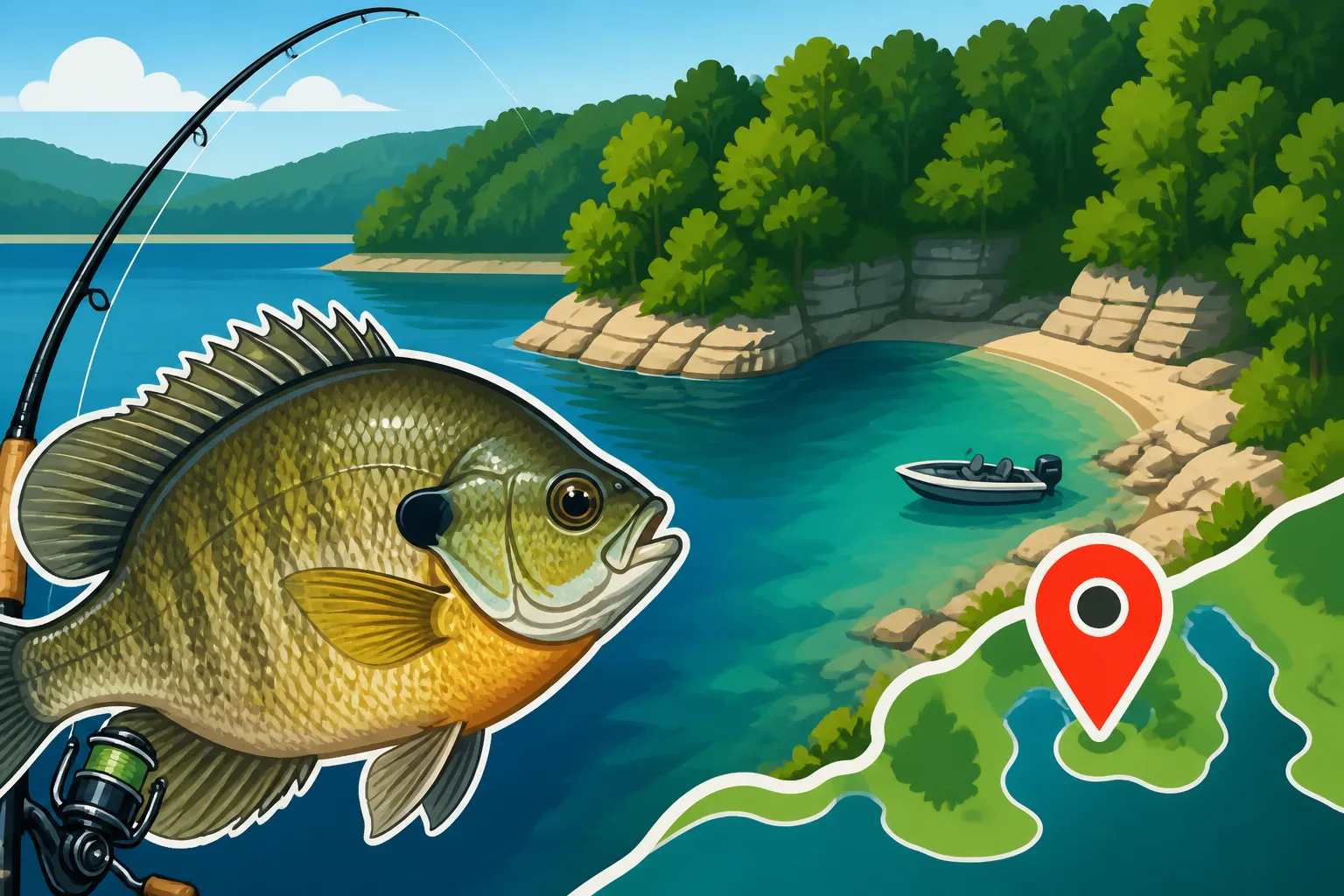
Where to Find Bream Fishing Coves on Lake Cumberland
Lake Cumberland is a truly magnificent body of water, sprawling and stunning, but its sheer size can feel overwhelming when you're trying to pinpoint a specific fish like bream. Many anglers, myself included, have spent countless hours searching for those sweet spots, feeling like you're just casting into a giant abyss. This guide is all about cutting through that vastness to help you uncover the prime bream fishing coves and strategies that truly make a difference on Lake Cumberland.
Understanding Lake Cumberland's Unique Bream Habitat
When you look at Lake Cumberland, you see a deep, clear, and often steep-sided reservoir, a characteristic that makes it a world-class fishery for species like smallmouth bass and trout. But bream, those feisty little panfish including bluegill, redear sunfish, and green sunfish, have different preferences. They aren't typically found roaming the wide-open, deep main lake channels. Instead, they seek out specific conditions that offer both food and protection. Understanding these preferences is the first step to consistently finding them.
Bream thrive in areas that provide cover, food sources, and slightly warmer, shallower water than much of Lake Cumberland's main body. This means you'll be looking for protected coves, creek arms, and pockets that feature an abundance of submerged timber, brush piles, rock formations, and, when present, aquatic vegetation. These features break up the current, provide ambush points for feeding, and offer refuge from larger predators. The lake's water levels fluctuate, which can change the availability of shoreline cover, so paying attention to current conditions is crucial. Often, the backs of major creek arms will have more gradual slopes and muddy bottoms, which tend to hold more nutrients and, in turn, more insect life and smaller fish that bream prey upon.
Think of it this way: a bream isn't going to be hanging out in the middle of a barren, deep main lake point. They want a cozy, sheltered neighborhood where they can raise their families and forage without too much danger. This is why targeting the countless coves and indentations along Lake Cumberland's extensive shoreline is key.
Prime Bream Fishing Coves and Areas on Lake Cumberland
Finding those "bream neighborhoods" on a lake as enormous as Cumberland requires a bit of local knowledge and a good map. While conditions can change with the seasons and water levels, some areas consistently hold bream due to their underlying structure and habitat. Here are some of the most reliable coves and creek arms you'll want to explore for a productive bream fishing experience.
Beaver Creek Area
Beaver Creek is one of the most popular and expansive arms of Lake Cumberland, known for its diverse fishing opportunities, and it’s an absolute hotspot for bream. As you move further back into Beaver Creek, the water tends to warm up slightly faster in spring, and the slopes become more gradual. Look for secondary coves and pockets off the main creek channel. These areas often have an abundance of flooded timber, especially after water levels rise. Bluegill, in particular, will congregate around these submerged trees and brush piles, using them for cover and nesting. Access points like the Beaver Creek Boat Dock provide convenient entry to this extensive area, allowing you to explore numerous promising coves. You can often find guides on FishingBooker who specialize in this particular creek arm due to its productivity across various species.
Wolf Creek Arm
On the lower end of the lake, near the dam, you'll find the Wolf Creek arm. While it's famous for its trout fishery, particularly below the dam, the upper reaches and numerous coves within Wolf Creek itself offer fantastic bream opportunities. The key here is to focus on the shallower, less turbulent coves, particularly those with a mix of rocky banks and some natural vegetation or downed trees. Around the spawn, bream will push into the very backs of these coves, often in just a few feet of water, making beds near any available hard bottom or structure. Anglers can find excellent bluegill and redear fishing here, especially in late spring and early summer. Don't overlook small, overlooked coves even if they don't look like much from the main channel – sometimes the most productive spots are those less pressured.
Indian Creek and Harmon Creek
Moving further up the lake, Indian Creek and Harmon Creek are two more excellent destinations for bream. These creeks offer a good balance of depth and shallower, structure-rich areas. Indian Creek, especially, has many small, winding coves that are perfect bream habitats. Look for areas where feeder creeks enter the main body of the coves, as these can deposit nutrients and create slight current breaks that attract baitfish and insects, which in turn draw in the bream. Harmon Creek also presents similar opportunities, with several smaller secondary coves that are worth investigating. Both areas benefit from numerous points and subtle humps within the coves themselves, which often hold concentrations of redear sunfish, also known as shellcrackers, especially if there's a gravelly or sandy bottom. If you're planning a multi-day trip, checking out nearby Lake Cumberland Boat Ramps and Access Points in Kentucky will ensure you can launch close to these productive areas.
Fishing Creek and Clifty Creek
Up towards the middle and upper lake regions, Fishing Creek and Clifty Creek are also excellent choices. These areas tend to be a bit shallower overall than the lower lake, with more expansive flats and a higher density of standing timber and brush. Fishing Creek is particularly renowned for its panfish populations. When the water temperatures are right, especially in May and June, bream will be aggressively bedding in the shallower protected coves throughout these creek arms. Focus on depths of 3 to 8 feet, looking for circular depressions on the bottom which indicate active bream beds. These coves are also great spots for families, as the fishing can be quite consistent, making it easy to catch a lot of fish, which are often considered Kid-Friendly Fish to Catch in Kentucky.
To help visualize some of the prime characteristics and target species, here's a quick overview:
| Cove/Area | Primary Bream Species | Key Features to Look For | Best Time of Year | Access Notes |
|---|---|---|---|---|
| Beaver Creek | Bluegill, Redear | Flooded timber, brush piles, secondary coves, gradual slopes | Spring/Early Summer | Beaver Creek Boat Dock, numerous private ramps |
| Wolf Creek | Bluegill, Green | Rocky banks, downed trees, protected shallow pockets | Late Spring | Wolf Creek Dam access, public ramps |
| Indian Creek | Bluegill, Redear, Green | Winding coves, feeder creek mouths, gravelly bottoms | Spring/Summer | Multiple public and private access points |
| Harmon Creek | Bluegill, Redear | Secondary coves, points within coves, sandy/gravel flats | Spring/Summer | Public ramps at Lake Cumberland State Resort Park |
| Fishing Creek | Bluegill, Green | Abundant standing timber, large flats, shallow protected coves | Spring/Early Summer | Pulaski County Park, various public ramps |
| Clifty Creek | Bluegill, Redear | Brush piles, rocky transitions, humps, gradual sloping banks | Spring/Summer | Clifty Creek Recreation Area, public ramps |
Essential Techniques and Gear for Lake Cumberland Bream
Once you've identified a promising bream cove, the next step is to employ the right techniques and gear to entice these eager biters. Bream aren't generally picky, but presenting your bait or lure effectively is crucial for consistent success. You don't need highly specialized equipment, which is another reason Why Bluegill Are a Great Beginner Fish.
Light Tackle and Line Choices
For bream fishing, ultralight or light spinning gear is your best friend. A 5 to 6-foot ultralight spinning rod paired with a small reel spooled with 4 to 6-pound test monofilament or fluorocarbon line is ideal. This setup allows for accurate casting of small baits and lures, and the light line provides an excellent feel for those subtle bream bites. While braid is great for sensitivity, mono often has just enough stretch to prevent hooks from tearing out of a bream's soft mouth, especially for beginners. For crappie anglers, much of the gear you use for those fish, like a Best Rods and Reels for Kentucky Crappie Fishing setup, will translate perfectly to bream.
Bait and Lure Selection
Bream are opportunistic feeders, so you have a wide array of choices. Live bait is almost always a surefire bet.
- Crickets: These are probably the gold standard for bream. Hooked lightly through the collar, they float naturally and are irresistible.
- Worms: Small pieces of redworms or nightcrawlers are also highly effective. They have a natural scent and wiggle that bream love.
- Small Minnows: While less common for bream, very tiny minnows can sometimes attract larger bluegill or redear.
- Artificial Lures: Tiny jigs (1/32 to 1/16 ounce) in colors like chartreuse, white, pink, or black are fantastic. Tip them with a small piece of a soft plastic grub or a wax worm for added appeal. Small spinnerbaits designed for panfish are also effective, especially when bream are aggressive.
For specific guidance, consider checking out resources on Best Bait for Bream Fishing With Kids as many of those tips apply to all bream anglers.
Rigging for Success
The simplest rigs are often the most effective for bream.
- Slip Bobber Rig: This is incredibly versatile. It allows you to present your bait at a precise depth, which is crucial when bream are suspended around cover or holding at a particular level in a bream bed. A small slip bobber, a few split shot weights to get your bait down, and a small Aberdeen or straight shank hook (size 6 or 8) is all you need.
- Bottom Rig: For redear sunfish, which often feed on the bottom, a simple split shot or small bullet weight a foot or so above your hook can keep your bait down where they forage for mussels and snails.
- Naked Jig: Sometimes, a small jig cast unweighted or with minimal weight, allowed to slowly flutter down, can be deadly, especially when fish are suspended or near the surface.
Patience and stealth are also key. Bream, especially in clear water, can be spooky. Make quiet casts, and try to approach your chosen cove discreetly.
Seasonal Considerations for Bream Fishing on Lake Cumberland
Just like any fish, bream behavior on Lake Cumberland is heavily influenced by the changing seasons and water temperatures. Understanding these patterns will help you predict where and when to find the most active fish. For general knowledge about when to target fish in Kentucky, an article like Kentucky Fishing Seasons: What to Catch Each Month can be very helpful.
Spring: The Bream Spawn Explosion
Spring is arguably the best time to target bream on Lake Cumberland. As water temperatures climb into the high 60s Fahrenheit, typically from late April through June, bream move into shallow coves and protected flats to spawn. This is when they're most concentrated and aggressive. Look for circular, dinner-plate-sized depressions on the bottom in 2-8 feet of water, often clustered together. These are bream beds, and fish guarding them will readily strike anything that invades their space. The backs of the major creek arms like Beaver Creek and Fishing Creek, where the water warms fastest, are prime locations during this period. Early mornings and late evenings are particularly productive.
Summer: Deeper and Shadier
As summer progresses and water temperatures rise well into the 80s, bream will generally move out of the very shallow, exposed areas. They seek refuge in deeper water, but still around cover. You'll find them concentrating around brush piles, submerged timber, and even dock pilings in 8-20 feet of water within the coves. The key is to fish vertically, dropping your bait directly into the cover. Early mornings and evenings, or even night fishing under lights, can be very productive as they move shallower to feed under the cover of darkness. Don't be afraid to explore offshore humps or points within the coves that drop off into deeper water. Local guides listed on FishingBooker are masters at pinpointing these deeper summer haunts.
Fall: Transition and Feeding Frenzies
Fall on Lake Cumberland sees bream becoming more scattered but often actively feeding in preparation for winter. As water temperatures cool, they might move back shallower during the day, especially on sunny banks that absorb heat. Look for them around the edges of vegetation lines (if present), rock piles, and submerged timber. The bite might not be as explosive as the spawn, but the fish you catch tend to be robust and healthy. They'll follow baitfish into the coves, so pay attention to any signs of schooling bait.
Winter: Deep and Slow
Bream fishing in winter on Lake Cumberland can be challenging but rewarding for those who know where to look. They'll retreat to the deepest parts of the coves, often suspending over deep channels or holding tight to bottom structure like rock piles or deep brush. A slow, subtle presentation is required, often using tiny jigs or small pieces of bait fished vertically. Focus on areas with a significant depth change, such as creek channel bends within a cove. It takes patience, but catching a stringer of healthy bream on a cold winter day is a true testament to an angler's skill. Remember to always consult the Kentucky Fishing Regulations Explained for any seasonal or species-specific rules.
Maximizing Your Bream Catch and Experience
Beyond finding the right coves and using the right gear, there are a few additional tips that can significantly improve your bream fishing success and overall enjoyment on Lake Cumberland.
Reading the Water and Conditions
Bream are creatures of habit, but their habits are dictated by the environment. Pay close attention to subtle clues. Is there a current? Are there shadows cast by trees or docks? Is the water stained or clear? These factors all influence where bream will hold. For instance, after a heavy rain, the mouths of feeder creeks might become hot spots as fresh water and nutrients wash in, creating a localized feeding frenzy. Conversely, in very clear water, bream can be incredibly wary, requiring longer casts and lighter lines. Always be observant of birds diving or baitfish flickering on the surface, as these can indicate an active feeding area.
Employing a Good Fish Finder
While not strictly necessary for bank fishing, if you're exploring coves by boat or kayak, a good fish finder can be invaluable. It can help you locate those submerged brush piles, rock formations, and even detect schools of fish or individual bream holding near structure. Modern units with side-imaging or down-imaging can reveal incredible detail of the underwater landscape, allowing you to effectively target areas that would be invisible from the surface. Many local charter captains on FishingBooker utilize advanced electronics to consistently locate fish, even in deep water.
Catch and Release vs. Keeping Your Catch
Bream are delicious, and catching a mess of them for a fish fry is a classic angling experience. However, practicing responsible harvest is important. While there are generally generous daily limits for bream (often 20 or 30 fish per day statewide), always check the latest Kentucky Crappie Daily Limit Rules and other panfish regulations before you go, as they can occasionally change or have site-specific exceptions. If you're catching many small bream, consider releasing the largest ones to allow them to continue spawning and contribute to the population, while keeping the medium-sized ones for the pan. This helps ensure a healthy fishery for years to come.
Utilizing Online Resources and Local Intel
Before you even launch your boat, take advantage of online resources. Many state wildlife agencies provide fishing reports, stocking schedules, and lake maps. Forums and social media groups dedicated to Kentucky fishing can also be a goldmine of current information, though always take online reports with a grain of salt and verify them. Don't be shy about striking up conversations with other anglers at the boat ramp or local tackle shops; they can often provide invaluable, real-time insights into what's biting and where. A quick search on FishingBooker can also reveal local fishing guides who offer bream or panfish trips, providing a hands-on learning experience.
Remember that a valid Kentucky Fishing License Guide is always required when fishing public waters like Lake Cumberland, so make sure yours is up to date before heading out.
Disclaimer
Please remember that fishing conditions, regulations, and fish behavior can change rapidly. Always consult the latest official Kentucky Department of Fish and Wildlife Resources (KDFWR) regulations before any fishing trip. The information provided here is for general guidance and educational purposes only.