Where to Find the Best Crappie Bite in Late Winter
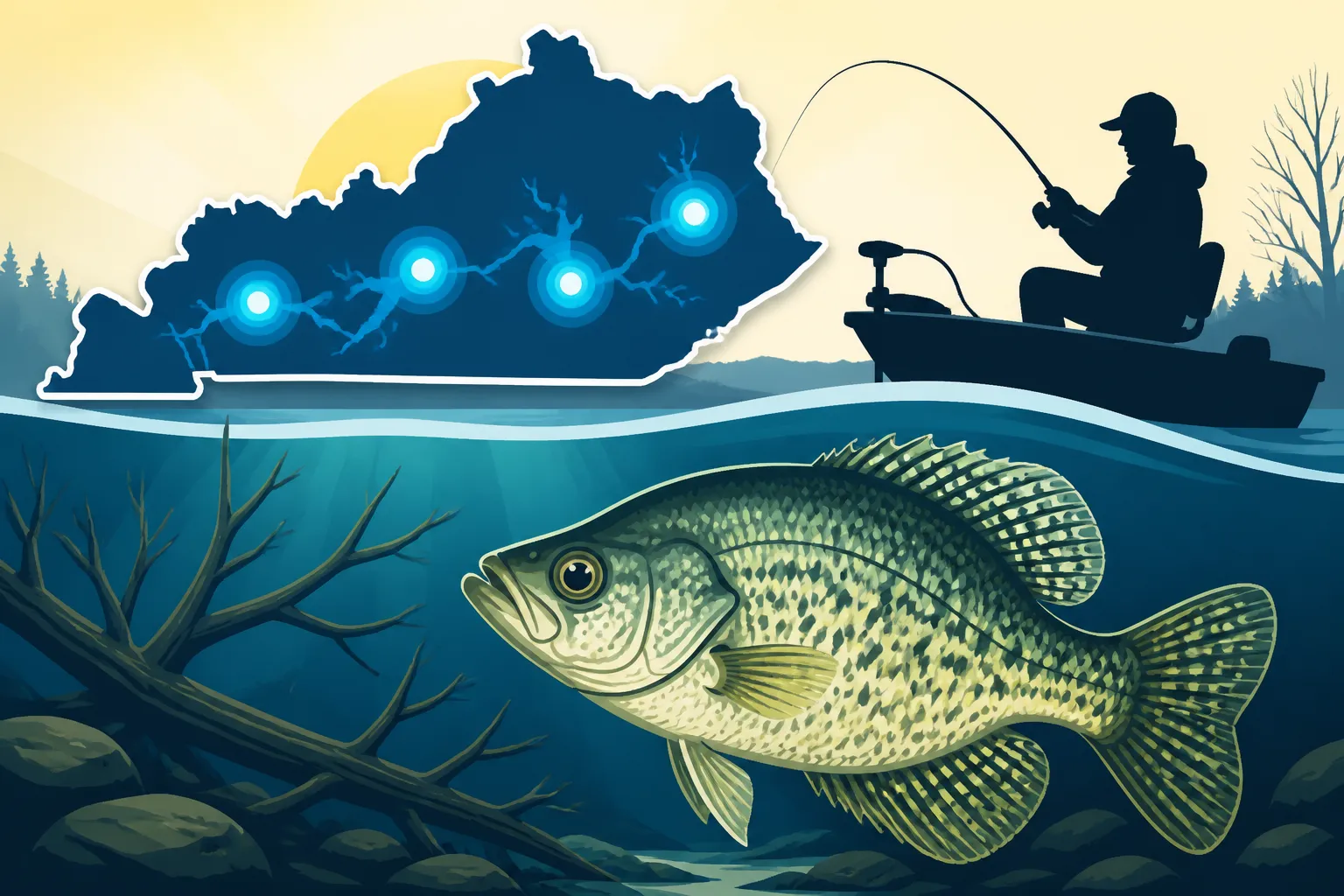
That late winter crappie bite can feel like one of the most elusive challenges in Kentucky fishing. You know they're out there, getting ready for the big spawn, but actually finding them in those often-frigid, unpredictable conditions? That's a whole different ballgame. This guide is all about cutting through the guesswork, helping you understand crappie behavior during this tricky transition, pinpointing the best lakes and spots, and giving you the techniques you need to finally put some slabs in the boat as winter grudgingly gives way to spring.
Understanding Late Winter Crappie Behavior in Kentucky
Crappie in late winter are often misunderstood. Many anglers pack away their gear, assuming nothing is biting until spring. But that's a mistake! While it's true they're not as aggressive as during the spawn, these fish are feeding and moving, constantly positioning themselves for the coming warmth. The key to catching them now is understanding their subtle shifts and preferences.
The Transition Period: Ice to Pre-Spawn
Think of late winter as a fascinating, yet frustrating, transition zone for crappie. The brutal cold of true winter might be behind us, but we're not quite into the full-blown pre-spawn frenzy yet. Crappie are shaking off the deep-water lethargy, but they haven't committed to the shallow banks. They're in an in-between state, often staging in deeper water adjacent to their eventual spawning grounds. This means they might be found along creek channels, on the edges of main lake points, or nestled in deep brush piles.
The challenge during this period is the notoriously inconsistent Kentucky weather. One day it's sunny and feels like spring, pushing water temperatures up a few degrees. The next, a cold front rolls in, dropping the mercury and sending fish scattering. This makes finding a consistent pattern incredibly tough. You might find them in 15 feet of water one day, and the next they're back in 25 feet. Persistence and adaptability are your best friends during this time. They're constantly assessing the water temperature, light penetration, and potential food sources, making small, incremental moves that can be hard to track without a keen eye and the right gear.
Key Water Temperatures and Depth Preferences
Water temperature is the absolute king when it comes to locating crappie in late winter. They are cold-blooded creatures, and every degree change influences their metabolism and where they feel most comfortable. Generally, you're looking for water temperatures in the upper 40s to low 50s. Once the water consistently hits about 48-52 degrees Fahrenheit, crappie start to become more active and will gradually begin their migration towards shallower staging areas for the spawn. If the water drops back below 45 degrees, they'll often retreat to deeper, more stable environments.
Their depth preference during this time is heavily influenced by these temperatures, as well as light. On bright, sunny days, even if the air is cold, the sun can penetrate the water, warming the upper layers slightly. This might draw crappie up a bit shallower, perhaps into 10-15 feet of water, especially if there's structure. However, on overcast days or after a cold front, they'll often hold tighter to deep structure or suspend over deeper channels, seeking thermal refuge in 20-30 feet or more. They're often found suspended rather than directly on the bottom, preferring to hover just above or within cover like submerged trees or brush piles. Knowing What Water Temperature Triggers the Crappie Spawn in Kentucky can help you anticipate their movements even earlier in the season. Understanding these subtle shifts is crucial to intercepting them before the main spawn truly kicks off.
Top Kentucky Lakes for Late Winter Crappie
Kentucky is blessed with an abundance of fantastic crappie lakes, and many of them offer excellent late winter opportunities if you know where to look. While the crappie spawn gets all the glory, the late winter bite can produce some truly impressive slabs, often with less competition from other anglers.
Lake Barkley: A Crappie Hotspot
When you talk about crappie in Kentucky, Lake Barkley always comes up, and for good reason. This massive reservoir, especially its northern sections and tributaries, can be absolutely fantastic for late winter crappie. As the water temperatures begin their slow ascent, crappie start moving out of the main river channel and into the deeper creek channels that feed into the lake. You'll want to focus on areas like Donaldson Creek, Little River, and Eddy Creek.
Look for areas where these creek channels have defined bends, deep holes, or transition into shallower flats. Crappie will stage along the channel edges, especially where there's submerged timber, brush piles, or old roadbeds. These pieces of structure act as critical ambush points and resting spots. Try to find the confluence of a creek channel and a major depth change, perhaps a sharp drop-off from 15 to 30 feet, and you're likely to find fish. The Lake Barkley Fishing Guide for Kentucky Anglers offers even more insights into navigating this immense body of water. Early in the season, before the main rush, the crappie here can be aggressive if you present your bait just right.
Kentucky Lake: Deep Water and Structure
Just across the canal from Lake Barkley lies Kentucky Lake, another crappie paradise that holds its own during the late winter months. Similar to Barkley, the sheer size and diverse topography of Kentucky Lake mean crappie have endless places to hide. Your best bet here is to concentrate on the main lake channels and major creek arms, particularly those with abundant submerged structure.
Think ledges, old creek beds, and expansive brush piles. Anglers often find success by targeting the deeper ends of major bays or the main lake ledges that drop from 10-15 feet down to 25-40 feet. Crappie will suspend along these contours or hunker down inside deep brush piles. Good areas to explore include Big Sandy, Blood River, and New Johnsonville areas, particularly where you find a combination of deep water and significant cover. It's often a game of searching with your electronics, marking schools, and then precisely presenting your bait. For even more detailed information, check out the Kentucky Lake: The State's Top Bass Fishing Destination guide, as crappie often relate to similar structures. The deep, stable water here can hold significant numbers of crappie even when surface temperatures are fluctuating wildly.
Barren River Lake: Hidden Gems
While not as widely known for crappie as Kentucky Lake or Lake Barkley, Barren River Lake in south-central Kentucky can be a fantastic, often less-pressured option for late winter crappie. This lake is known for its standing timber and numerous creek arms, which provide excellent cover for crappie when the water is cold.
Focus your efforts on the major creek channels and the dense standing timber found in areas like Beaver Creek and Peter Creek. Crappie will relate heavily to the vertical structure provided by these trees, suspending at various depths within the timber. It's a prime example of where your electronics really shine, allowing you to identify fish holding within the tree tops. The fish in Barren River Lake can be a bit more predictable in their depth preference compared to the larger reservoirs, often holding in 15-25 feet of water among the timber. Navigating these areas requires careful boat control, but the rewards can be significant. The Barren River Lake Fishing Guide for Kentucky Anglers can provide additional insights for planning your trip here. Don't overlook the potential for a really solid crappie bite in this often-underestimated lake.
Essential Techniques and Baits for Late Winter Crappie
Catching crappie in late winter often means slowing down your presentation and paying meticulous attention to detail. These fish aren't in their full-blown feeding frenzy yet, so you need to entice them. Forget fast retrieves and aggressive jerks; finesse is the name of the game.
Vertical Jigging and Slow Trolling Strategies
In late winter, crappie are often schooled tightly together and concentrated around specific structures or depth contours. This makes vertical jigging an incredibly effective technique. Once you've located a school or brush pile on your fish finder, position your boat directly over them. Drop a small jig or a minnow-tipped jig straight down, letting it fall just above the fish or into the cover. The key is to keep your bait in the strike zone for as long as possible. A slight twitch of the rod tip is often all it takes to trigger a bite. Sometimes, simply holding the bait perfectly still is the most effective presentation. This technique works wonders when fish are lethargic and not willing to chase. For more specific rigging tips, refer to the guide on How to Rig a Jig for Crappie Fishing.
Slow trolling, often called "spider rigging" with multiple rods, is another excellent strategy, especially when crappie are more spread out along a channel or ledge. By deploying several rods at different depths and with various bait presentations, you can cover a wider area and quickly identify the crappie's preferred depth and bait for the day. Maintain a very slow boat speed, often just 0.5 to 1.5 miles per hour, allowing your baits to dangle enticingly in front of the fish. This method is particularly effective when crappie are suspended over deeper water or are slowly moving along a contour rather than being locked down on a specific piece of structure. Many anglers use GPS-controlled trolling motors to maintain a precise speed and direction, allowing them to focus entirely on their rod tips.
Best Baits and Lures for Finicky Fish
When crappie are in their late winter funk, their appetite can be finicky. Live minnows are, without a doubt, a perennial favorite and often the most consistent producer. A small, lively minnow hooked lightly through the back or lips beneath a slip bobber or on a bare hook with a small split shot can be irresistible. The natural movement and scent of a live minnow can coax bites from even the most lethargic crappie. It's tough to beat the real thing when fish are being picky.
For artificials, tiny jigs are your best friend. We're talking 1/32 to 1/16 ounce jigs, sometimes even smaller, tipped with small soft plastics. Colors can vary by water clarity and conditions, but common producers include chartreuse, white, black/chartreuse, and various shades of pink or purple. Experimentation is key on any given day. Sometimes a subtle, natural color like smoke or clear glitter will outperform a bright chartreuse. Other times, a vibrant jig is what they need to see. The action of the jig is also critical; think subtle tail wiggles rather than aggressive thumps. Don't be afraid to add a dab of crappie attractant or scent to your jigs, as the added olfactory appeal can make a huge difference. For a deeper dive into jig choices, check out our guide on Best Crappie Jigs for Kentucky Waters.
Using Electronics to Locate Schools
Let's be honest, trying to find late winter crappie without modern electronics is like trying to find a needle in a haystack in the dark. Crappie are nomadic, and during this cold water period, they're often concentrated in specific, sometimes small, areas. A good fish finder with down imaging and side imaging capabilities is an absolute game-changer. These tools allow you to quickly scan large areas, identify submerged timber, brush piles, and most importantly, locate schools of fish.
When you're out on the water, pay close attention to your depth finder as you motor slowly along creek channels, ledges, and major points. Look for "arches" or "blobs" on your screen that indicate fish. Side imaging is fantastic for sweeping wider areas, letting you spot brush piles or standing timber off to the sides of your boat that you might otherwise miss. Once you mark potential fish or structure, switch to down imaging or traditional 2D sonar to get a clearer picture of their depth and density. Mark these spots on your GPS, and then return to them for a more precise vertical presentation. This isn't just about finding fish; it's about understanding their habitat and behavior in real-time. Without this technological edge, the late winter crappie bite can remain a frustrating mystery.
Planning Your Late Winter Crappie Trip
Embarking on a late winter crappie trip in Kentucky requires more than just knowing where the fish are; it demands careful planning for unpredictable conditions and adherence to regulations. A little foresight can make the difference between a memorable day on the water and a miserable, unproductive one.
Weather Considerations and Safety
Late winter in Kentucky is notoriously fickle. One day you might be basking in mild, sunny weather, and the next could bring freezing rain, heavy winds, or a sudden dip in temperatures. Always check the forecast meticulously, not just for air temperature but also for wind speed and direction, as well as precipitation. Dressing in layers is absolutely non-negotiable. Start with moisture-wicking base layers, add insulating mid-layers, and top it off with a waterproof and windproof outer shell. Warm hats, gloves, and waterproof boots are essential, as cold extremities can quickly lead to an uncomfortable and potentially dangerous situation.
Beyond personal comfort, safety on the water is paramount. Cold water immersion is a serious risk, so ensuring your boat's safety gear is up to snuff is critical. Make sure all required Life Jacket Rules for Boats in Kentucky are met, and that everyone on board knows where their life jacket is and how to use it, even if they aren't legally required to wear it constantly (though for cold water, wearing it is always a smart choice). Double-check your boat's battery, fuel levels, and navigational lights. Even a short trip can turn dangerous if you're unprepared for a sudden squall or engine trouble. Don't take chances with cold water; always err on the side of caution.
Licensing and Regulations
Before you even think about dropping a line, make sure you're properly licensed. In Kentucky, anyone aged 16 and older needs a valid fishing license to fish in public waters. This isn't something you want to overlook, as a game warden check without a license can quickly ruin your day and lighten your wallet. You can easily purchase your license online through the Kentucky Department of Fish and Wildlife Resources website, or at many sporting goods stores and county clerk's offices. For a comprehensive overview, read our Kentucky Fishing License Guide.
Beyond the general license, it's absolutely crucial to familiarize yourself with the specific regulations for the body of water you plan to fish. While the statewide crappie daily limit is generally 20 fish, some lakes have site-specific regulations regarding size limits or daily creel limits that differ from the statewide rule. For instance, the Kentucky Crappie Daily Limit Rules might be different on a particular lake than the general state rule. Always check the most current Kentucky Fishing & Boating Guide before you go, paying close attention to any special regulations for your chosen lake. Ignorance of the rules is not an excuse, and game wardens are out there enforcing them to protect our valuable fisheries.
Finding Guides and Local Expertise
Sometimes, the best way to crack the late winter crappie code is to tap into local expertise. A professional fishing guide who spends countless hours on the water can put you on fish much faster than you could on your own, especially during a challenging time like late winter. They know the subtle nuances of the lake, where the crappie are holding under specific conditions, and what techniques are working best on any given day. This is particularly valuable if you're fishing a new lake or are short on time.
Platforms like FishingBooker make it incredibly easy to find and book experienced crappie guides in Kentucky. You can browse local guides, read reviews from other anglers, and even book your trip directly through the site. Many anglers find success by tapping into local expertise, and platforms like FishingBooker can connect you with experienced crappie guides who specialize in specific lakes like Kentucky Lake or Lake Barkley. These guides often have specialized equipment, like advanced electronics and refined techniques, that give them an edge. Even if you're an experienced angler, a day with a local guide can be a fantastic learning experience, revealing patterns and spots you might never discover otherwise. Booking a trip through FishingBooker can turn a frustrating search into a productive and enjoyable outing, saving you hours of trial and error.
Late Winter Crappie Fishing Conditions by Lake
| Lake Name | Typical Late Winter Crappie Depth | Preferred Structure | Key Water Temp Range | Notes |
|---|---|---|---|---|
| Kentucky Lake | 15-35 feet, often suspended | Main channel ledges, deep brush piles, creek arms | 48-52°F | Large lake, requires good electronics. Look for suspended fish. |
| Lake Barkley | 12-30 feet, relating to channels | Creek channel bends, submerged timber, roadbeds | 47-51°F | Northern arms often warm faster. Similar to Kentucky Lake in many ways. |
| Barren River Lake | 15-25 feet, in standing timber | Standing timber, creek channel transitions | 46-50°F | Less pressured, vertical fishing in timber is key. |
| Lake Cumberland | 20-40 feet, deeper structure | Bluff walls, main lake points, deepest creek beds | 45-49°F | Deeper, clearer lake; fish can hold very deep. |
| Taylorsville Lake | 10-25 feet, near cover | Standing timber, creek channels, old pond beds | 47-50°F | Good timber lake, fish can be found tighter to cover than bigger lakes. |
Disclaimer
Fishing conditions and regulations in Kentucky can change. While every effort has been made to provide accurate and up-to-date information, it is always your responsibility to check the latest regulations from the Kentucky Department of Fish and Wildlife Resources before heading out on the water. Stay safe and enjoy your fishing!