Why Bluegill Are a Great Beginner Fish
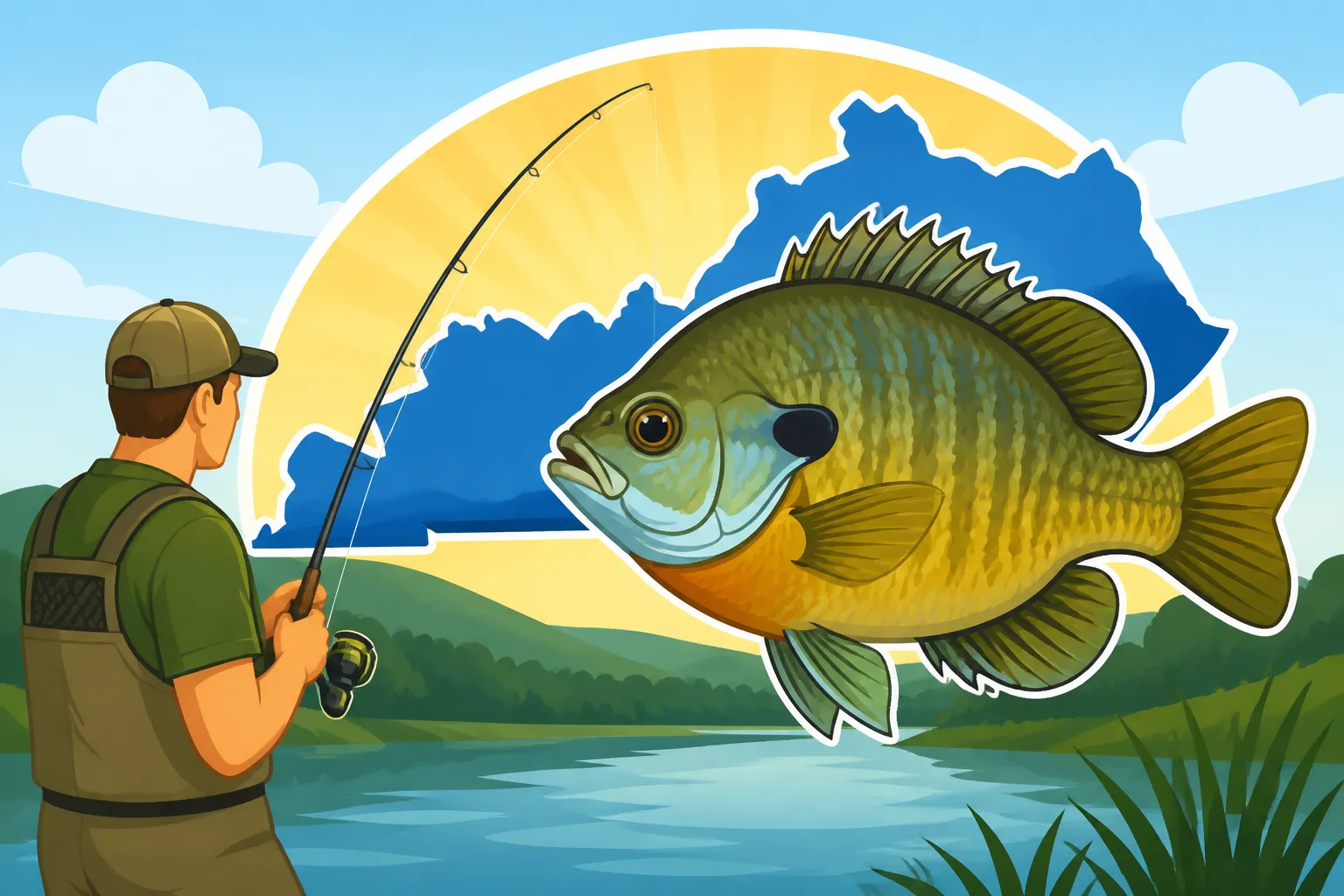
Stepping into the world of fishing can feel a little overwhelming, especially if you’re trying to introduce a new angler, a child, or even yourself to the joys of the sport. Many folks get discouraged when they spend hours on the water without a single bite. But what if I told you there’s a fish in Kentucky that’s almost guaranteed to put a bend in your rod and a smile on your face? This guide is all about why the humble bluegill is not just a great beginner fish, but truly the best gateway to a lifelong love of angling in the Bluegrass State.
Bluegill: The Perfect Gateway Fish for New Anglers
When you're starting out, or you're trying to get a youngster hooked on fishing, nothing beats consistent action. The real frustration often comes from sitting there, rod in hand, waiting and waiting, only to go home empty-handed. That's a surefire way to kill enthusiasm. Bluegill, however, are like the welcoming committee of Kentucky's waterways, practically begging to be caught. They're not picky, they're plentiful, and they offer that immediate gratification that keeps beginners coming back for more.
Abundance and Accessibility in Kentucky Waters
One of the biggest advantages of bluegill in Kentucky is just how many of them there are and how easy it is to find them. You don't need a fancy boat or secret GPS coordinates to get into bluegill action. These little fighters populate nearly every pond, lake, and slow-moving creek across the state. From the smallest farm pond to the massive reservoirs like Kentucky Lake and Lake Barkley, bluegill thrive. This widespread distribution means you're almost never far from a spot where you can drop a line and expect to find them.
Think about it: you can often find them right off public docks, from the bank of a local park pond, or even in shallow coves of bigger lakes. This accessibility cuts down on the logistical challenges that can deter new anglers. You don't need to spend hours scouting or traveling great distances. Just find a patch of water, and chances are, bluegill are there, ready to nibble. It's truly a blessing for anyone looking to get started without a huge investment in time or specialized knowledge. To learn more about where to find these fish, check out Best Ponds for Bluegill Fishing in Kentucky.
Eager Biters and Consistent Action
Here's the magic trick of bluegill: they are almost unbelievably eager to bite. Unlike some other species that can be finicky, shy, or highly sensitive to weather changes, bluegill are often in a perpetual state of hunger. This means that if you present a bait to them, even a simple one, they're likely to investigate and, more often than not, take a bite. This constant engagement is exactly what a beginner needs. Every tug on the line, every bob of the bobber, is a little shot of excitement.
For kids especially, this steady action is invaluable. Their attention spans can be short, and a long period without a bite can quickly lead to boredom. Bluegill provide that almost immediate feedback loop: cast, wait a minute, get a bite, reel in a fish. This rapid cycle of success builds confidence and teaches them the fundamentals of setting the hook, reeling in, and handling a fish without the pressure of a trophy catch. It makes the whole experience fun and keeps them engaged from start to finish.
Boosts Confidence for Anglers of All Ages
Success breeds confidence, and bluegill fishing is practically designed for success. There’s something incredibly rewarding about feeling that first tug and successfully bringing a fish to hand, no matter its size. For a new angler, landing a feisty bluegill is a huge accomplishment. It validates their effort, proves they can do it, and ignites that spark of curiosity about what else they can catch. This feeling isn't limited to children; many adults who are new to fishing find the consistent bites from bluegill a fantastic way to build their own skills and enjoyment.
Furthermore, bluegill fishing provides a low-pressure environment for learning. There's no expectation of catching a state-record fish, just the simple joy of fishing. This allows beginners to focus on the basics: casting, baiting a hook, observing the water, and understanding fish behavior, all while having fun. That foundational confidence built on bluegill success can then easily translate to tackling more challenging species down the line, perhaps even Kentucky's famed bass or crappie. If you’re a beginner, make sure to read Easy Bluegill Fishing Tips for Beginners.
Understanding Bluegill Behavior and Habitat in Kentucky
To consistently catch bluegill, it helps to understand a little about where they like to hang out and what they're looking for. The good news is, bluegill aren't complicated! They have fairly predictable behaviors, which makes them even more ideal for beginners. Knowing a few key facts about their habitat and diet can significantly increase your catch rate and make your fishing trips even more enjoyable.
Where to Find Bluegill: Ponds, Lakes, and Rivers
Bluegill are true generalists when it comes to habitat, thriving in a wide variety of Kentucky waters. You'll find them most commonly in shallow, warmer waters of ponds, small lakes, and the protected coves of larger reservoirs. They love areas with plenty of submerged vegetation, fallen trees, docks, and other structures that offer cover from predators and shade from the sun. Think about those lily pad fields, brush piles, or shady spots under overhanging trees – these are prime bluegill real estate. Even slow-moving sections of rivers and larger creeks can hold good numbers of bluegill, especially where there are eddies or backwaters with reduced current.
When you're looking for a spot, focus on these areas that offer some form of shelter. A simple public fishing pier often extends into areas where bluegill congregate. Don't overlook small, lesser-known ponds; they can often be absolute honey holes for bluegill, especially if they don't get a lot of fishing pressure. Kentucky State Parks are also excellent options, often featuring well-maintained ponds and lake access points that are perfect for a family fishing outing. For more on general panfish species, consider Panfish and Sunfish Species Found in Kentucky.
Seasonal Movements and Spawning Habits
Like most fish, bluegill have seasonal patterns, but even these are relatively easy to follow. In the spring, as water temperatures rise, bluegill move into very shallow areas, often forming large groups to spawn. This is arguably the easiest time to catch them, as they become highly visible and aggressive, guarding their saucer-shaped nests. You'll often see these "beds" as light-colored depressions on the bottom in just a few feet of water. Targeting bluegill during the spawn is almost cheating, it's so effective! Learn how to find these areas by reading How to Find Bluegill Beds in Spring.
During the summer, after the spawn, bluegill will often spread out a bit more but will still relate to cover and shade in shallower waters. They might move a little deeper during the hottest parts of the day but will return to the shallows in the mornings and evenings. In fall, they begin to school up again and feed heavily in preparation for winter, often moving slightly deeper but remaining accessible. Even in winter, if the water isn't frozen, you can find them concentrated in deeper holes or near structure. Their predictable nature means you can often find them by simply looking for cover in appropriate depths for the season.
What Bluegill Eat: A Simple Diet
Bluegill are opportunistic feeders with a fairly simple diet, which again, plays right into the hands of a beginner angler. Their primary diet consists of small insects, larvae, tiny crustaceans, and even small plant matter. They're constantly foraging, inspecting anything that looks remotely edible. This means you don't need highly specialized or expensive baits to tempt them.
From a fishing perspective, this translates to success with readily available and inexpensive options. Worms, crickets, grasshoppers, and even small pieces of corn or bread are all fair game. They're not particular about brand-name baits or complex scents; if it looks like food and fits in their mouth, they'll usually give it a try. This makes bait selection easy and affordable, removing another barrier for those just getting started.
Essential Gear and Techniques for Catching Bluegill
One of the beautiful things about bluegill fishing is that you absolutely do not need to break the bank on high-end equipment. In fact, some of the most effective bluegill setups are also the most basic and budget-friendly. This low barrier to entry makes it perfect for beginners who aren't ready to invest heavily but want to experience the thrill of the catch.
Simple and Affordable Tackle Setup
For bluegill, simplicity is key. A basic ultralight spinning rod and reel combo is perfect. These setups are lightweight, easy for small hands to manage, and offer enough sensitivity to feel those light bluegill bites. You can find perfectly capable ultralight combos for very reasonable prices on platforms like Amazon or at any local sporting goods store. A 5 to 6-foot rod with a small spinning reel spooled with 4-6 pound test monofilament line is ideal. Monofilament is forgiving, easy to tie knots with, and cheap.
Beyond the rod and reel, your tackle box can be incredibly sparse. A handful of small hooks (size 8 or 10 are perfect), a few split shot weights, and some small bobbers are really all you need. Add a pair of small pliers for hook removal, and you’re pretty much set. This minimalist approach means less fuss, less expense, and more focus on the actual fishing. For a general overview, consider Best Rod and Reel Combo for Beginners.
| Item | Description | Why It's Great for Bluegill |
|---|---|---|
| Ultralight Rod | 5-6 foot, light action | Sensitive, easy to cast, fun fight |
| Small Spinning Reel | Size 1000-2000, smooth retrieve | Easy to operate, balanced with ultralight rod |
| Monofilament Line | 4-6 lb test | Visible, forgiving, inexpensive, easy to tie |
| Small Hooks | Size 8 or 10 | Fits bluegill mouths, good hook-up ratio |
| Split Shot Weights | Small sizes (BB, 3/0, 2/0) | Gets bait down, adjustable, easy to apply |
| Small Bobbers | Clip-on or slip bobbers (1/2 to 1 inch diameter) | Visual bite indicator, suspends bait |
| Pliers | Small, needle-nose | Safely removes hooks, cuts line |
Best Baits and Lures for Bluegill
Bluegill are not picky eaters, which is fantastic news for beginners. Live bait is almost always a surefire bet. The undisputed champion for bluegill is the good old worm. Small pieces of nightcrawlers or red wigglers are irresistible to them. You can find these at any bait shop, many convenience stores, or even in your own backyard after a rain! Crickets are another fantastic option, especially in the summer. For more specifics on bait, check out Best Bait for Bluegill in Kentucky Ponds.
If live bait isn't your preference, or you're running low, bluegill will also readily take artificial lures, as long as they are small. Tiny jigs (1/32 to 1/16 ounce) with grub tails in colors like chartreuse, white, or black are incredibly effective. Small spinners like a Mepps Aglia or a Panther Martin can also entice aggressive bluegill. For beginners, however, starting with live bait often yields quicker results and builds confidence, before moving on to mastering lure presentation. Just remember, keep it small!
Easy Fishing Techniques for Quick Success
The beauty of bluegill fishing is that the techniques are incredibly straightforward. The most classic and effective method is simply using a bobber rig. Tie your hook on, pinch a split shot a few inches above it, and then attach a bobber about 1 to 3 feet up the line, depending on how deep you think the fish are. Cast it out near cover, and watch that bobber! When it dips, twitch, or goes under, set the hook with a gentle upward sweep of the rod. This technique is incredibly visual and exciting, especially for kids. For specific instructions on setting this up, check out How to Rig a Bobber for Bluegill Fishing.
Another simple technique, especially if you're fishing from a bank or pier and don't need to cast far, is tightlining. This involves simply tying on a hook, adding a split shot, and letting your bait sink to the bottom. Hold your rod tip slightly elevated and watch the tip for a subtle twitch or bend. This works well when bluegill are congregated on the bottom. The key is to be patient, but not too patient, as bluegill tend to peck at bait before fully committing. Keep experimenting with depth and location until you find where they're biting!
Family-Friendly Fishing Fun with Bluegill
Fishing, at its heart, is often about more than just catching fish. It's about spending time outdoors, connecting with nature, and creating memories with loved ones. Bluegill fishing provides the perfect backdrop for these experiences, especially when you're introducing the whole family to the sport. Its inherent simplicity and high success rate make it a fantastic tool for fostering outdoor appreciation and teaching valuable lessons.
Creating Lasting Memories with Kids
Let’s be honest, getting kids interested in anything that requires patience can be a challenge in today's fast-paced world. But bluegill fishing has a knack for capturing their imagination. The excitement of seeing a bobber go down, feeling that first tug on the line, and reeling in a vibrant, iridescent bluegill is an experience that sticks with a child. These aren't just fish; they're moments of triumph, shared laughter, and quiet wonder.
Think about the photos you’ll take – a child proudly holding up their first catch, a parent patiently untangling a line, or siblings giggling over a particularly feisty bluegill. These are the building blocks of cherished family memories. Bluegill fishing provides an accessible activity that gets everyone outside, away from screens, and engaged in a shared, rewarding experience. It’s an easy win for family bonding, and exactly why bluegill are often called Kid-Friendly Fish to Catch in Kentucky.
Safe and Accessible Fishing Spots
Kentucky offers a wealth of safe and easily accessible locations for bluegill fishing, many of which are specifically designed with families in mind. State parks, local city parks with fishing ponds, and even many community lakes provide ample shore access, fishing piers, and often restrooms and picnic areas. These amenities take away much of the stress associated with planning an outing with children. You don't need to navigate rough terrain or worry about strong currents.
Many of these locations are regularly stocked and managed to ensure healthy fish populations, including bluegill, further increasing your chances of success. They also tend to have clear regulations that are easy to follow, making the experience stress-free. Look for designated public fishing lakes or areas with well-maintained Best State Park Fishing Piers in Kentucky for an ideal family outing. The focus is on safety and comfort, allowing everyone to relax and enjoy the simple act of fishing.
Teaching Conservation Through Bluegill Fishing
Bluegill fishing also offers a fantastic opportunity to introduce basic conservation principles to new anglers. When you’re catching a lot of fish, it naturally sparks questions about their environment. You can teach children about catch-and-release practices, why bag limits exist (even though bluegill limits are often quite generous), and the importance of not littering. It’s a hands-on lesson in respecting nature and being a responsible steward of our waterways.
Handling fish gently, understanding their habitat, and appreciating the delicate balance of the ecosystem all become real and tangible lessons when you're actively engaged in fishing. Bluegill are resilient, but teaching kids to wet their hands before handling fish, to release fish carefully if they're not keeping them for a meal, and to always pack out what they pack in, instills a sense of responsibility from a young age. It’s not just about catching fish; it’s about nurturing a love for the outdoors and understanding our role within it.
Beyond the Beginner: Bluegill as More Than Just a Starter Fish
While bluegill are undoubtedly the perfect beginner fish, don't make the mistake of thinking they're only for beginners. These vibrant panfish offer plenty for experienced anglers to appreciate, from their delicious taste to their important ecological role, and even the challenge of targeting larger specimens with refined techniques. They are a staple of Kentucky fishing for a reason, appealing to a wide range of anglers.
The Delicious Taste of Kentucky Bluegill
One of the best-kept secrets, or perhaps not-so-secret joys, of bluegill fishing is how incredibly delicious they are. Often referred to as "panfish" for a reason, bluegill are fantastic table fare. Their white, flaky meat has a mild, slightly sweet flavor that's hard to beat, especially when freshly caught and prepared. They are excellent fried, baked, or even grilled, making them a popular choice for fish fries across Kentucky.
For families, keeping a few bluegill for dinner can turn a fun fishing trip into a complete outdoor experience. It teaches children about where their food comes from and the satisfaction of harvesting a meal from nature. Cleaning bluegill is also a relatively simple process, making it approachable even for those new to fish preparation. Just remember to check local regulations for daily limits, though bluegill often have very generous allowances, meaning you can usually bring home enough for a tasty meal without impacting the population.
Their Role in the Ecosystem
Beyond their appeal to anglers, bluegill play a crucial role in Kentucky's aquatic ecosystems. As a prominent panfish species, they are a primary food source for larger predatory fish like largemouth bass, smallmouth bass, and even catfish. This position in the food chain makes them incredibly important for maintaining healthy fish populations. A thriving bluegill population often indicates a healthy ecosystem overall, with a strong base for other game fish to grow large.
Bluegill also help control insect populations by feeding on aquatic insects and larvae. Their abundance and adaptability mean they can quickly colonize new waters and help establish a healthy food web. So, while you might just see them as a fun catch, they are actually tiny ecological powerhouses, supporting the very fisheries that we all love to enjoy. Understanding this helps us appreciate them not just for the tug on the line, but for their contribution to the entire aquatic community. You can learn more about How Big Do Bluegill Get in Kentucky? and their overall importance.
Advanced Tactics for Bigger Bluegill
Even if you've mastered the bobber and worm, bluegill can still offer a challenge. As anglers gain experience, they might start targeting larger, "trophy" bluegill, which can be surprisingly elusive and put up a fantastic fight on ultralight tackle. This involves refining techniques, such as using micro-jigs, fly fishing with small flies, or carefully presenting artificial lures to wary fish.
Experienced bluegill anglers often focus on subtle presentations, precise casting, and understanding how bigger bluegill relate to specific structures or deeper water. They might use lighter lines, more sensitive rods, or even target bluegill during specific times of day or year when the larger ones are most active. This quest for a truly massive bluegill can be just as rewarding as hunting for a big bass or crappie, proving that this "beginner fish" has layers of challenge and enjoyment for anglers of all skill levels. There are many specialized bluegill lures available on sites like Amazon that cater to anglers looking for these larger specimens.
Disclaimer
This article is for general informational purposes only and does not constitute professional advice. Laws, prices and regulations vary by location and change over time. Consult a qualified professional for guidance on your specific situation.