Where to Catch Crappie on Kentucky Lake in Spring
Finding those elusive crappie on Kentucky Lake in the spring can feel like a real treasure hunt, especially when the weather is fickle and the fish seem to be everywhere and nowhere all at once. It's a common frustration for many anglers who know the potential of this incredible fishery but struggle to pinpoint those key areas where the slabs are biting. This guide is here to cut through the guesswork, helping you understand the crappie's spring behavior and precisely where to focus your efforts for a successful trip on Kentucky Lake.
Understanding the Kentucky Lake Spring Crappie Migration
Spring on Kentucky Lake is truly a magical time for crappie anglers, but it's also a period of significant change for the fish. They're transitioning from their deep winter haunts to much shallower waters, driven by instinct and the warming temperatures. Understanding this migration is key to unlocking their patterns and knowing exactly where to drop your lines. It’s not just about throwing a jig; it’s about timing and location.
The Influence of Water Temperature on Crappie Movement
The biggest factor influencing spring crappie movement on Kentucky Lake is undoubtedly water temperature. As the sun climbs higher and days get longer, the water in the shallower bays and coves begins to warm up much faster than the main lake. Crappie are cold-blooded creatures, and their activity levels are directly tied to the water temperature. They’re looking for that sweet spot where they can feed actively and prepare for their annual spawn.
When the water temperature starts nudging into the low 50s Fahrenheit, you'll see the first major push of crappie from the main lake channels into the larger creek arms and shallower flats. They won't be right on the bank yet, but they'll be staging in slightly deeper water, often around submerged timber, brush piles, or channel swings within these creek systems. As the temperatures rise further, getting into the upper 50s and low 60s, that’s when the real magic happens. This is when the main event, the crappie spawn, truly kicks off in Kentucky, bringing them right to the shoreline cover. Anglers often look to the article on When Does Crappie Spawning Start in Kentucky for precise timing, but generally, early to mid-April is prime.
Prime Spring Crappie Habitats on Kentucky Lake
Kentucky Lake is absolutely enormous, stretching over 160,000 acres, so saying "go to Kentucky Lake" for crappie isn't exactly helpful. You need specifics! In the spring, crappie are drawn to very particular types of habitat. They want protection, food, and suitable spawning grounds. Think about areas that offer a mix of these elements.
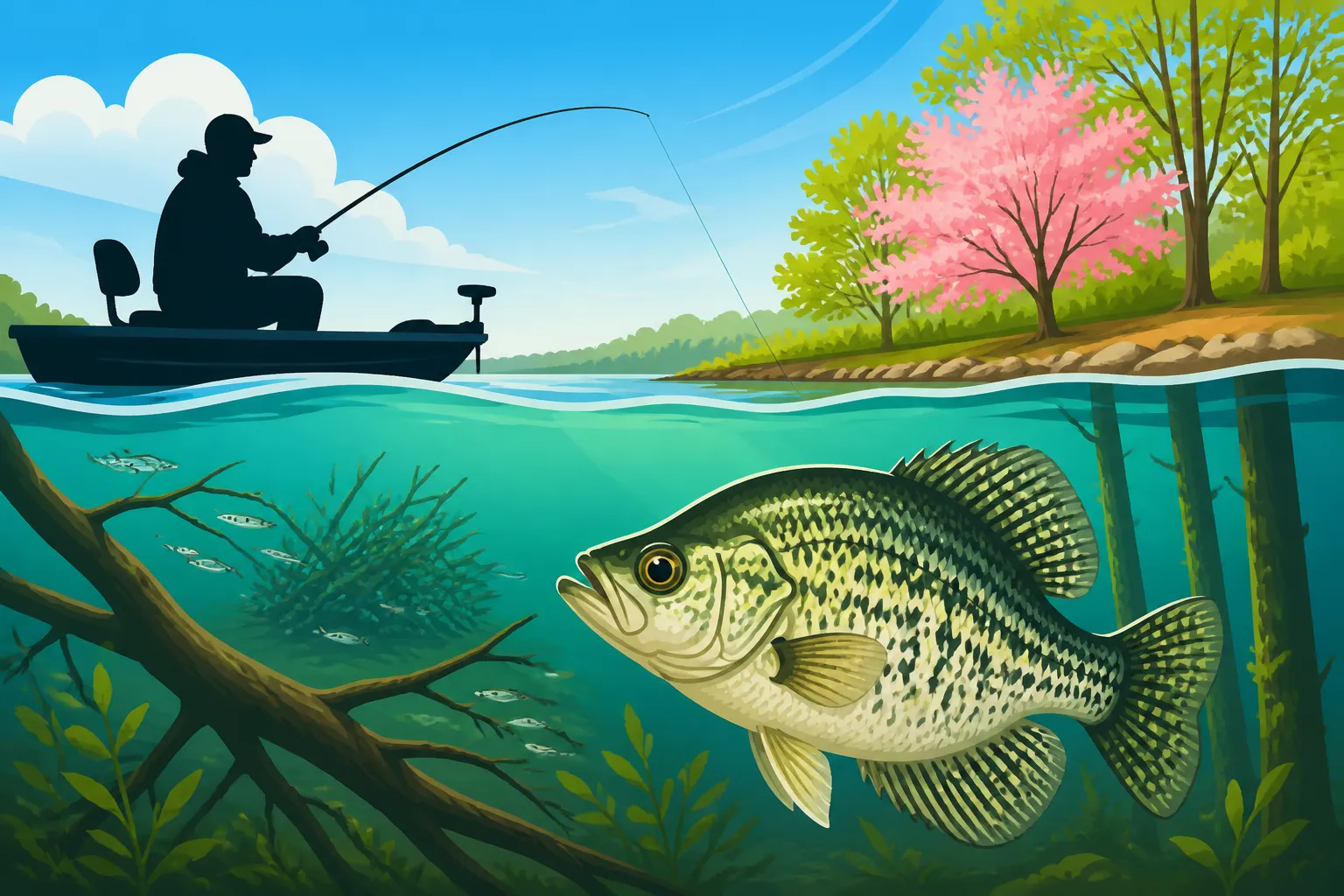
Generally, you'll want to focus on the large creek arms and shallower embayments. These areas provide the protection from wind and current that crappie seek, along with ample cover. Look for flooded timber, laydowns, brush piles, and even docks. These structures offer security and ambush points for baitfish, which are also moving shallow. The backs of these creeks will warm up fastest, often holding the earliest spawners. Don't forget to consult resources like Best Crappie Spots on Kentucky Lake for more detailed maps and specific locations.
Top Crappie Hotspots on Kentucky Lake in Spring
Kentucky Lake is a crappie fishing paradise, but knowing where to start in its vast expanse can be daunting, especially when the fish are in their spring transition. While crappie can be found throughout the lake, certain areas consistently produce excellent catches during the spring spawn. These spots offer the ideal combination of warming water, protective cover, and abundant food sources that crappie crave.
Big Sandy River Embayment
The Big Sandy River Embayment is arguably one of Kentucky Lake's most famous and productive crappie fishing areas, especially in the spring. This massive arm on the eastern side of the lake, near Camden, Tennessee, offers an incredible diversity of crappie habitat. Its shallow, stained water tends to warm up quickly, drawing crappie in earlier than some of the deeper, main lake sections.
Within the Big Sandy, anglers should concentrate on the numerous creeks and pockets that branch off the main embayment. Places like Spring Creek, West Sandy, and Big Sandy itself are goldmines. Look for flooded willows, cypress trees, and extensive brush piles that line the banks. These areas provide critical cover for spawning crappie. You'll often find fish staging in slightly deeper water (8-15 feet) just outside the spawning flats before moving right into the 2-4 feet depth range. Many anglers choose to hire local guides through services like FishingBooker to navigate this expansive area efficiently, especially if they are new to the lake. The sheer amount of fishable water here means you could spend weeks exploring and still not see it all.
Blood River Area
Located on the western side of the lake, the Blood River is another phenomenal spring crappie destination. Similar to the Big Sandy, Blood River is a large, relatively shallow creek arm that offers excellent conditions for spawning crappie. It's known for its abundant submerged timber and numerous smaller coves and pockets that provide perfect hideouts for pre-spawn and spawning fish.
When fishing Blood River, focus your efforts around the standing timber and brush piles. These structures often hold significant numbers of crappie, especially if they are adjacent to a channel or a slight drop-off. The mouths of the smaller creeks feeding into Blood River are also prime locations, as baitfish will concentrate there, attracting hungry crappie. Don't overlook the boat docks that pepper the shoreline; many anglers find crappie suspending under these structures, particularly on sunny days. A quick check of a detailed map, perhaps via an online booking platform like FishingBooker, can highlight specific access points and guide service options in this area.
Bear Creek and Jonathan Creek
Moving south towards the Land Between the Lakes area, Bear Creek and Jonathan Creek are two more excellent choices for spring crappie on Kentucky Lake. These creeks offer a slightly different dynamic, often with clearer water than the Big Sandy or Blood River, but with equally compelling crappie habitat.
Bear Creek, especially its upper reaches, is known for its shallow flats and extensive shoreline cover, including numerous private docks and natural laydowns. Crappie here will often stack up around these structures as they prepare to spawn. Jonathan Creek, on the other hand, can be a bit deeper in sections but still boasts plenty of excellent spawning coves and brushy banks. Look for areas where feeder creeks enter the main body of Jonathan Creek, as these are often pathways for crappie moving shallow. Both of these areas can get quite busy during the peak spring bite, so arriving early or fishing during weekdays can give you a better shot at undisturbed water. These areas are also popular for camping and lodging, making them ideal for multi-day trips.
Effective Techniques and Baits for Spring Crappie on Kentucky Lake
Once you've zeroed in on the right areas, knowing the most effective techniques and baits is the next crucial step to filling your cooler with Kentucky Lake crappie. Spring crappie can be finicky, responding differently to presentations depending on whether they're staging, actively spawning, or even post-spawn. Having a diverse approach in your tackle box is always a good idea.
Jigging and Spider Rigging for Staging Fish
For those pre-spawn and staging crappie that are hanging in slightly deeper water, typically 8-15 feet, two techniques shine above the rest: single pole jigging and spider rigging.
Single Pole Jigging: This is a fantastic method when crappie are concentrated around specific cover like brush piles, submerged timber, or bridge pilings. You'll use a relatively light rod (5-7 feet, ultralight to medium-light action) and a small jig (1/16 to 1/8 ounce) tipped with a soft plastic grub or a live minnow. The key is to vertically present your bait right into the heart of the cover. Many anglers prefer brightly colored jigs like chartreuse, pink, or white, especially in stained water. The bite can be subtle, sometimes just a slight tap or a feeling of weight, so paying close attention to your line is essential. This method is incredibly versatile and allows you to precisely target fish. You can find more detailed tips on How to Jig for Crappie in Shallow Water or even How to Jig for Sauger in Deep Water which shares some similar principles for vertical presentation.
Spider Rigging: When crappie are spread out over flats or along channel edges in larger creek arms, spider rigging becomes incredibly effective. This technique involves using multiple rods (often 4-8) extending from the front of the boat, presenting jigs or minnows at various depths simultaneously. It allows you to cover a wide swath of water and quickly identify the crappie's preferred depth. You'll typically motor slowly (0.5 to 1.0 mph) over suspected crappie habitat, letting your baits do the work. The beauty of spider rigging is its efficiency in locating scattered fish. Popular baits include live minnows, sometimes paired with a small jig head, or soft plastic curly tail grubs.
Casting and Dipping for Spawning Crappie
Once the water temperatures hit that sweet spot in the upper 50s and low 60s, crappie will move right up to the bank to spawn. This is when casting and dipping techniques truly come into their own, allowing you to target fish in very shallow water and tight cover.
Casting Jigs: For crappie holding tight to shoreline cover like flooded willows, cypress trees, or shallow brush, casting small jigs is the way to go. Use a lightweight spinning reel spooled with 4-6 lb test line and cast a 1/16 to 1/32 ounce jig, often tipped with a small tube bait or grub, right up to the cover. Let it sink for a few seconds, then impart a slow retrieve with subtle twitches. The idea is to imitate a small baitfish or insect. Popular colors again include chartreuse, white, and various greens. Don't be afraid to experiment with retrieve speeds and jig sizes. This method is particularly effective when you see fish actively splashing or moving around shallow cover.
Dipping: When crappie are buried deep within dense cover, like thick brush piles or under docks, dipping with a long crappie pole is unbeatable. This involves using a long rod (10-14 feet or more) to gently lower your jig or minnow straight down into openings in the cover, directly presenting it to the fish. The silent approach is key here; you want to get your bait in front of the crappie without spooking them. This technique is often used from a quiet trolling motor or by slowly paddling a kayak or small boat. It's incredibly precise and allows you to extract fish from places you couldn't reach with a cast. Remember to check out Best Crappie Jigs for Kentucky Waters for some top recommendations before your trip.
Essential Gear for Your Kentucky Lake Crappie Adventure
Embarking on a spring crappie trip to Kentucky Lake requires more than just a rod and reel. Having the right gear can significantly impact your comfort, safety, and ultimately, your success on the water. Given the size and potential for diverse conditions on Kentucky Lake, being prepared is key.
Rods, Reels, and Line Choices
Your choice of fishing equipment for crappie fishing on Kentucky Lake is crucial. You'll want gear that's sensitive enough to detect the often-subtle crappie bite but strong enough to handle a feisty slab.
Rods: For single pole jigging or casting, a 5 to 7-foot ultralight to medium-light action spinning rod is ideal. The softer tip allows for better bite detection and shock absorption when a crappie strikes. For spider rigging, specialized crappie rods, often 10 to 16 feet long, are used to spread lines out. For dipping, a long, telescopic crappie pole, sometimes up to 20 feet, is perfect for reaching into tight cover.
Reels: Pair your spinning rods with small, lightweight spinning reels (500 to 1000 series) that balance well with the rod. For spider rigging, simple baitcasting reels or even spin cast reels are often used, as precise casting isn't required.
Line: Most crappie anglers prefer monofilament or fluorocarbon line in the 4-8 pound test range. Monofilament offers good stretch and knot strength, while fluorocarbon provides less stretch for better sensitivity and is nearly invisible underwater. Many spider riggers use braided line as their main line for sensitivity and then tie on a fluorocarbon or monofilament leader. For more general advice on your setup, you might consult Best Rods and Reels for Kentucky Crappie Fishing.
Navigation and Safety Equipment
Kentucky Lake is a massive body of water, and while beautiful, it demands respect. Proper navigation and safety equipment are non-negotiable, especially during the spring when weather can be unpredictable.
Navigation: A reliable GPS-enabled fish finder is invaluable. It not only helps you locate brush piles and submerged structures where crappie hold but also ensures you can navigate safely, especially in large creek arms or during low light conditions. Keep a keen eye on your charts, noting channel markers and potential hazards.
Safety: Always have enough Coast Guard-approved life jackets for everyone on board. Kentucky has specific Life Jacket Requirements for Kids Under 12 in Kentucky, so be aware of those rules. A fully charged marine battery, a whistle or horn, and a fully stocked first-aid kit are also essential. Because you might be fishing in remote areas, it's wise to have a basic tool kit and spare prop, especially if you're venturing far from public ramps. Before heading out, consider checking local conditions or even booking a trip with a professional service through FishingBooker, where experienced captains prioritize safety.
Regulations and Conservation on Kentucky Lake
As responsible anglers, it's our duty to understand and adhere to the regulations set forth by the Kentucky Department of Fish and Wildlife Resources (KDFWR). These rules are in place to ensure the health of the fishery for future generations. Ignoring them can lead to hefty fines and impact the crappie population.
Kentucky Fishing License and Trout Permit Requirements
Before you even think about wetting a line, make sure your Kentucky fishing license is current. All anglers 16 years of age and older need a valid license. You can purchase these easily online through the KDFWR website, at county clerks' offices, or at various sporting goods stores across the state. It's an annual license, and the Kentucky Fishing License Year Runs March 1 to February 28, so keep an eye on those renewal dates.
While crappie fishing generally doesn't require a trout permit, it's worth noting that if you ever decide to try for trout in specially stocked waters, you'll need a separate Kentucky Trout Permit Guide in addition to your regular fishing license. Always double-check the KDFWR regulations, as they can change annually.
Crappie Size and Daily Limits
Kentucky Lake has specific regulations for crappie, which are designed to protect the population and promote healthy growth. For crappie (both white and black), the statewide daily creel limit is usually 20 fish. There's generally no size limit on crappie statewide, which differs from some other species like bass. However, regulations can sometimes have lake-specific exceptions, so it's always critical to consult the official KDFWR fishing guide or the Kentucky Crappie Daily Limit Rules just before your trip to confirm the most current information.
Always count your fish carefully as you catch them, and if you're fishing with a group, ensure everyone understands their individual limits. Practicing catch-and-release for larger, breeder crappie is a great way to help conserve the fishery, even if it's not mandated by law. Maintaining a healthy crappie population means more fantastic spring fishing for everyone in the years to come.
Table: Kentucky Lake Spring Crappie Hotspots at a Glance
| Hotspot Area | Key Features for Crappie | Best Techniques | Typical Water Depth (feet) | Fishing Tips |
|---|---|---|---|---|
| Big Sandy Embayment | Shallow, stained water, flooded timber, numerous creeks | Spider rigging, casting | 2-15 | Focus on creek mouths & brush piles. Warms up fastest. |
| Blood River Area | Abundant submerged timber, many coves, channel edges | Jigging, spider rigging | 5-15 | Check standing timber & docks. |
| Bear Creek | Shallow flats, private docks, natural laydowns | Casting, dipping | 2-10 | Good for sight fishing on sunny days. |
| Jonathan Creek | Mix of shallow coves and deeper sections, feeder creeks | Casting, jigging | 3-12 | Target creek entrances and brush. |
| New Johnsonville Area | Riprap, bridge pilings, submerged roadbeds | Vertical jigging, casting | 8-20 | Deeper water crappie can be found year-round here. |
Disclaimer
Please remember that fishing conditions, regulations, and fish behavior can change rapidly. Always consult the latest Kentucky Department of Fish and Wildlife Resources (KDFWR) regulations before your trip. The information provided here is for general guidance and informational purposes only.