Barren River Lake’s Best Crappie Spots in Kentucky
It's incredibly frustrating to head out to a new lake, or even a familiar one, with visions of a cooler full of delicious crappie, only to spend hours chasing ghosts. You know the fish are there, but actually finding those elusive schools and getting them to bite feels like solving a mystery. Barren River Lake is absolutely brimming with crappie, but knowing where to focus your efforts and when to go can turn a frustrating day into a fantastic fishing trip. This comprehensive guide is here to unravel that mystery, giving you the insider scoop on Barren River Lake's best crappie spots, helping you understand their patterns, and ensuring you have all the knowledge you need for a successful outing.
Understanding Barren River Lake's Crappie Fishery
Barren River Lake, nestled in south-central Kentucky near Glasgow, is a fantastic crappie fishery that offers anglers diverse opportunities. But like any large reservoir, it has its quirks and unique characteristics that you need to understand to consistently put fish in the boat or on the bank.
Crappie Species and Their Habits
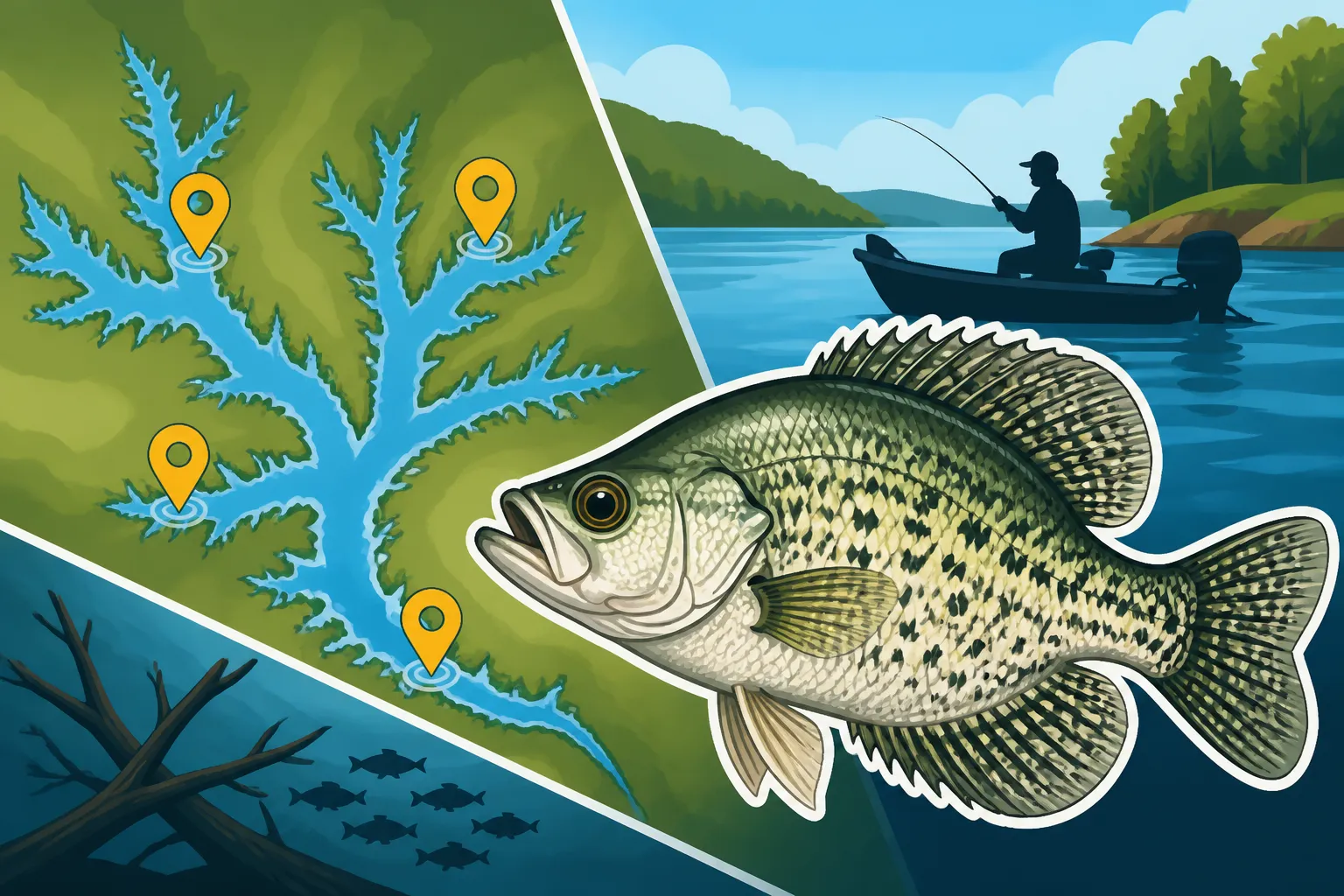
When you're out on Barren River Lake targeting crappie, you'll primarily be looking for two species: black crappie and white crappie. Both are abundant here, and while they share many similarities, understanding their subtle differences can help you refine your approach. Black crappie tend to prefer clearer water and more cover, often hanging around standing timber, brush piles, or submerged vegetation. They’re often found in areas with a bit more structure. White crappie, on the other hand, are a bit more tolerant of murkier water and tend to be found more often in open water, relating to ledges, channel swings, and scattered cover. On Barren River Lake, you’ll find plenty of both, and often in the same general areas, though perhaps at slightly different depths or closer to specific types of structure. Understanding these preferences means you might adjust your lure color or presentation slightly depending on the clarity of the water you're fishing.
Key Lake Characteristics for Crappie
Barren River Lake is known for its diverse habitat, which is great for crappie. You've got vast areas of standing timber, particularly in the upper reaches of creeks and coves, which act as natural crappie condominiums. There are also numerous brush piles, both naturally occurring and those placed by the Kentucky Department of Fish and Wildlife Resources (KDFWR), which are magnets for baitfish and, consequently, crappie. The lake also features extensive rocky banks, submerged humps, and old creek channels that provide excellent deep-water structure during colder months or hot summer days. The lake's water levels can fluctuate, and paying attention to these changes is crucial, as rising or falling water can shift crappie locations, either pushing them further into flooded timber or pulling them back towards deeper channel edges. Always check the current water levels before heading out. For a broader overview of the lake, check out our Barren River Lake Fishing Guide for Kentucky Anglers.
Barren River Lake's Unique Crappie Regulations
One crucial aspect of fishing Barren River Lake for crappie that often catches anglers by surprise is its site-specific regulation. While the statewide crappie daily limit in Kentucky is 20 fish, with no size limit, Barren River Lake has a special rule in place to protect its crappie population and promote larger fish. On Barren River Lake, there's a 10-inch minimum size limit on crappie. This means any crappie you catch under 10 inches must be immediately released back into the water. This regulation is specifically designed to enhance the quality of the crappie fishery, allowing more fish to reach a larger, more desirable size. It’s vital to be aware of this, as game wardens are frequently patrolling, and penalties for not adhering to regulations can be significant. Make sure to review the most current Kentucky Fishing Regulations Explained before your trip to avoid any issues. For a deep dive into this specific rule, read our article on Barren River Lake's 10-Inch Crappie Size Limit.
Key Crappie Hotspots on Barren River Lake
Barren River Lake boasts several areas that consistently produce good numbers of crappie, especially if you know what to look for within them. These aren't just random spots; they're chosen for their consistent crappie populations and their diverse underwater structure.
Productive Creeks and Coves
Some of the most consistent crappie action on Barren River Lake happens in its numerous creeks and coves. These areas offer a mix of shallow and deep water, along with ample cover for crappie throughout the year.
- Beaver Creek: This is a perennial favorite for crappie anglers. Beaver Creek offers a fantastic blend of standing timber, especially in its upper and middle sections, and numerous submerged brush piles. In the spring, crappie push far back into the shallower arms of Beaver Creek, especially around new growth and flooded bushes, making it ideal for targeting them with jigs or minnows under a float. As the water warms, they'll often pull out to the deeper edges of the creek channel, relating to submerged timber lines or humps. The ample public access and varied structure here make it a great starting point for any crappie enthusiast.
- Skaggs Creek: Similar to Beaver Creek, Skaggs Creek provides excellent cover. It features extensive standing timber, especially on its western side, and a well-defined creek channel that crappie use as a highway. Look for areas where the creek channel swings close to rocky bluffs or points, as these are often ambush points. In the colder months, crappie will often stack up in the deeper holes and along the channel edges within Skaggs Creek, making vertical jigging or slow trolling effective.
- Peter's Creek: Peter's Creek is another hotspot known for its crappie. It's often a bit clearer than some other areas, which can make for more challenging fishing on sunny days but can be fantastic on overcast days or during the early morning/late evening bite. Focus on the submerged timber and brush piles that line the creek's main channel. The banks here also offer good bank fishing opportunities in several locations. If you're looking for other panfish, some of these same areas also hold good numbers of bluegill, as detailed in our guide on Best Bluegill Fishing Spots on Barren River Lake, Kentucky.
Major Structures and Deep Water Access
Crappie, especially outside of the spring spawn, often relate to more prominent underwater structures or deep-water access points.
- Standing Timber Forests: Throughout Barren River Lake, you'll find large areas of standing timber, particularly visible during lower water levels. These "tree forests" are crappie magnets. The crappie will hold at various depths within the timber, depending on light penetration, water temperature, and baitfish presence. Spider rigging (slow trolling multiple rods) through these areas, or single-pole jigging around individual trees or clumps, can be incredibly productive. Use your electronics to identify schools of baitfish or crappie suspended within the timber.
- Brush Piles and Rock Piles: Many anglers, including the KDFWR, place brush piles throughout the lake to create habitat. These are often marked on navigation charts or can be found with a good fish finder. Crappie love to congregate around these man-made structures. Beyond brush, natural rock piles and humps, especially those rising from deeper water, also hold crappie. When you find one, work it thoroughly from different angles and depths.
- The Dam Area and Main Lake Channel: The deeper waters near the dam, including the main lake channel and adjacent humps and points, are crucial for crappie during the colder months (late fall through early spring) and hot summer. Crappie will often suspend in deep schools along channel breaks or on deep humps. This is where advanced electronics come into play, helping you locate these suspended fish. Vertical jigging or drop-shotting small crappie jigs or minnows can be very effective in these deeper zones.
Best Times and Techniques for Crappie
Knowing where to fish is only half the battle; knowing when to fish and how to present your bait is equally important. Crappie behavior changes dramatically with the seasons and water temperature, and so should your approach.
Seasonal Crappie Patterns
Crappie fishing on Barren River Lake is a year-round affair, but the best spots and tactics will shift with the calendar.
- Spring Spawn Run (March-May): This is arguably the most popular time for crappie fishing. As water temperatures climb into the high 50s and low 60s, crappie move from their deeper wintering holes into shallow spawning areas. Look for them in less than 5 feet of water, tucked away in protected coves, around submerged brush, flooded willows, and standing timber in the backs of creeks like Beaver, Skaggs, and Peter's Creek. A small jig or a minnow fished under a bobber is deadly during this time. Remember that 10-inch size limit – sometimes you’ll catch a lot of smaller males guarding nests, but the bigger females are often nearby. For more on this exciting time, check out our Kentucky Crappie Fishing: Spring Spawn Run Guide.
- Summer Deep Water (June-August): When the Kentucky summer heat kicks in, crappie on Barren River Lake will retreat to deeper, cooler waters. They'll often suspend over creek channels, around deep standing timber, or on brush piles located on main lake points and humps in 15-30 feet of water. This is when your fish finder becomes your best friend. Look for schools of crappie suspending at specific depths, and then target them with vertical jigging or slow trolling small jigs or minnows. Early morning and late evening can still produce shallow bites, but the midday action will be deep.
- Fall Transition (September-November): As water temperatures cool in the fall, crappie become more active and start to feed heavily in preparation for winter. They'll often move from their deep summer haunts to relate to channel edges, main lake points, and larger brush piles in 8-15 feet of water. This is a great time for spider rigging, covering a lot of water along channel breaks. The crappie are often schooled up and aggressive, making for some excellent fishing.
- Winter Holds (December-February): Don't overlook winter crappie fishing on Barren River Lake! Crappie will concentrate in large schools in deep creek channels, often near the dam or in the lower sections of major creeks, relating to structure like deep brush piles, standing timber, or rock bluffs. They'll be lethargic, so a slow, subtle presentation is key. Vertical jigging tiny jigs or dead-sticking minnows directly over their heads is the most effective technique.
Effective Lures, Baits, and Techniques
The right presentation can make all the difference, especially when crappie are finicky.
- Jigs: Small jigs (1/32 to 1/8 ounce) are a crappie angler's best friend. Soft plastic bodies in various colors like chartreuse, white, black, and natural shad patterns are excellent. Experiment with different tail actions – curly tails, paddle tails, or tube jigs – to see what the fish prefer on a given day. Tipping your jig with a live minnow can significantly increase your catch rate. Learn How to Rig a Jig for Crappie Fishing to maximize your presentation. For more on colors, see our guide on Best Crappie Jigs for Kentucky Waters.
- Live Minnows: There's simply no substitute for live bait sometimes. Small shiner or fathead minnows fished on a light wire hook (size 4-8) under a bobber in shallow water, or weighted on a tight-line rig in deeper water, are irresistible to crappie.
- Spider Rigging: This technique involves using multiple rods (often 4-8) set up in rod holders on the front of the boat, allowing you to slow troll jigs or minnows at various depths. It's incredibly effective for covering large areas, especially during the fall and winter when crappie are scattered or when trying to find suspended schools.
- Dock Shooting/Skipping: If you’re targeting crappie around boat docks or overhanging cover, "dock shooting" or "skipping" a small jig can be highly effective. This technique involves flicking a light jig under docks or into tight spots where crappie love to hide, allowing you to reach fish that other methods can't.
Navigating Barren River Lake for Crappie
Getting around Barren River Lake and safely accessing its prime crappie waters is an important part of your fishing plan. Whether you're launching a boat or fishing from shore, Barren River Lake offers good options.
Public Access Points and Boat Ramps
Barren River Lake is well-equipped with numerous public boat ramps, making it easy to launch your vessel and get to the crappie hotspots. Some popular ramps include:
- Barren River Lake State Resort Park Marina: Offers excellent facilities, including a multi-lane ramp and plenty of parking. Its central location provides good access to both the main lake and several key creeks.
- Peninsula Ramp: Located on the north side of the lake, offering quick access to areas like Peter's Creek.
- Walnut Creek Ramp: Provides good access to the upper reaches of the lake and the timber-filled coves.
You can find more detailed information on specific locations and amenities in our article Best Boat Ramps on Barren River Lake. If you're planning a trip and need a guide to help you explore these spots, or if you prefer to have a professional take you out, services like FishingBooker can connect you with experienced local crappie guides on Barren River Lake.
Essential Gear and Safety Considerations
When heading out on Barren River Lake, especially in a boat, having the right safety gear is non-negotiable. Always ensure you have enough Life Jacket Requirements for Every Boat Occupant in Kentucky for everyone on board, a functional fire extinguisher, navigation lights if you're out near dawn or dusk, and a throwable flotation device. A fully charged marine battery for your trolling motor and electronics is also crucial, as is a reliable anchor, especially if you plan to fish specific brush piles.
For your fishing gear, light to medium-light action rods (5-7 feet) with sensitive tips are ideal for detecting subtle crappie bites. Pair them with small spinning reels spooled with 4-8 pound test monofilament or fluorocarbon line. Monofilament offers a bit more stretch for softer mouths, while fluorocarbon provides better sensitivity and less visibility. Don't forget a net to land those bigger crappie, and a cooler with ice to keep your catch fresh, especially with that 10-inch size limit meaning you'll want to keep the keepers healthy until you're ready to clean them. If you’re fishing with kids, Barren River Lake is generally a great choice; read more about it in Is Barren River Lake Good for Fishing With Kids?.
Seasonal Crappie Guide for Barren River Lake
To help you visualize the best approach throughout the year, here's a quick overview of crappie locations and techniques on Barren River Lake:
| Season | Primary Location | Depth Range (feet) | Recommended Techniques | Key Lures/Baits |
|---|---|---|---|---|
| Spring | Backs of coves, shallow creek arms, flooded cover | 2-8 | Jigging, pitching jigs, slip bobber | Small jigs (chartreuse, white), minnows |
| Summer | Deep creek channels, main lake points, deep timber | 15-30 | Vertical jigging, slow trolling (spider) | Minnows, small tube jigs, curly tails |
| Fall | Channel edges, brush piles on points, larger timber | 8-15 | Spider rigging, casting jigs, jigging | Minnows, shad-pattern jigs, soft plastics |
| Winter | Deep creek channels, dam area, deep brush piles | 20-40+ | Vertical jigging, dead-sticking | Tiny jigs (black, white), minnows |
Remember, these are general guidelines, and crappie can always surprise you. Always pay attention to water temperature, weather patterns, and what the baitfish are doing. Sometimes the best way to uncover the current bite is to consult a local guide, which you can often find listed on platforms like FishingBooker. They spend countless hours on the water and can provide real-time insights into where the crappie are biting.
Disclaimer
Always check the latest Kentucky Department of Fish and Wildlife Resources regulations before heading out, as rules and limits can change. This guide is for informational purposes only and does not constitute legal advice regarding fishing regulations.