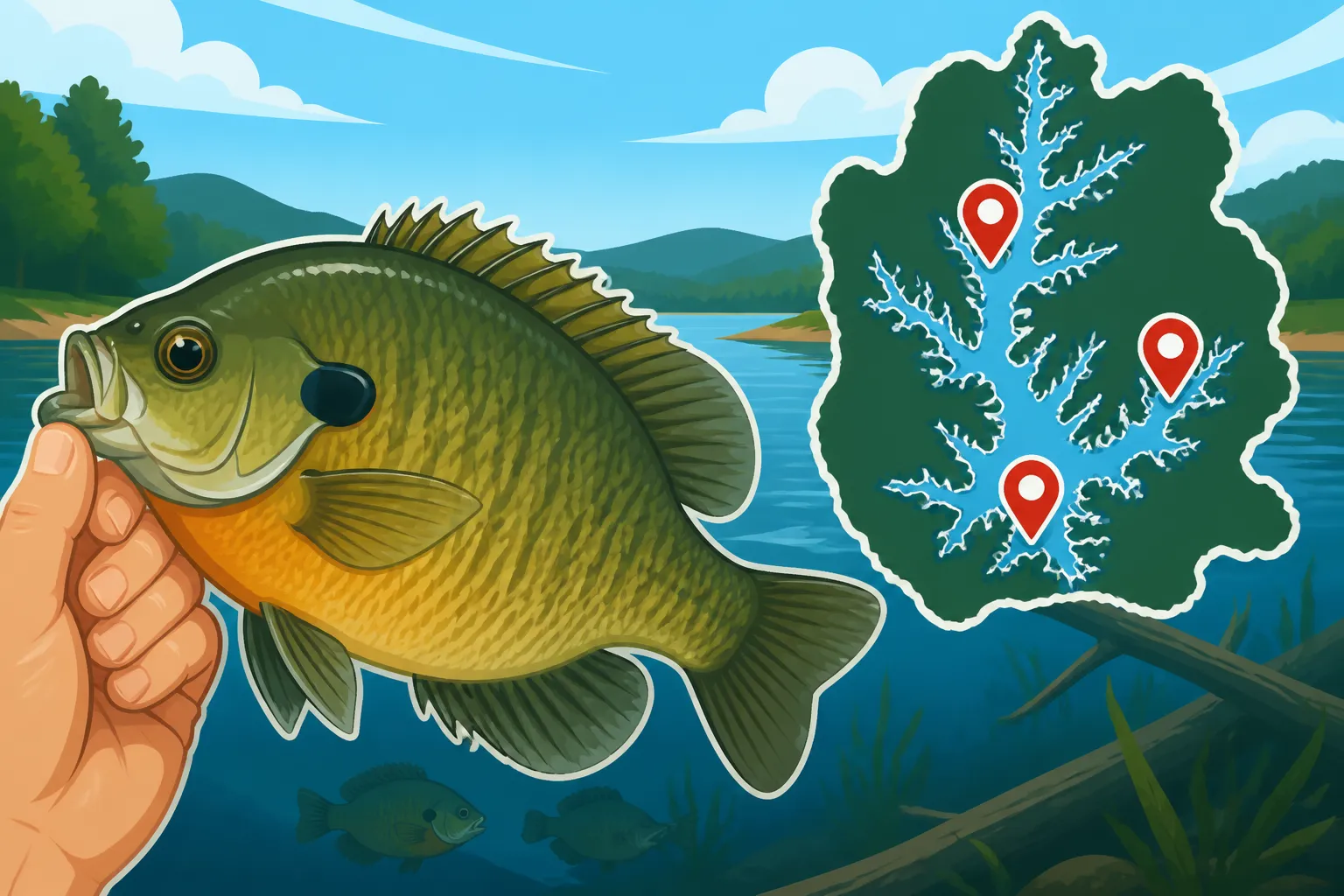
Best Bluegill Fishing Spots on Barren River Lake, Kentucky
There’s nothing quite like the excitement of a bluegill tugging on your line, especially when you’re out on a beautiful Kentucky lake. However, trying to find those elusive bluegill beds or productive areas on a large body of water like Barren River Lake can feel like searching for a needle in a haystack. This guide is here to cut through the guesswork, helping you pinpoint the best bluegill fishing spots on Barren River Lake, so you can spend less time searching and more time reeling in those feisty sunfish.
The Allure of Barren River Lake for Bluegill Anglers
Barren River Lake, nestled in the rolling hills of south-central Kentucky, is a true gem for panfish enthusiasts, especially those chasing bluegill. It’s a massive reservoir, over 10,000 acres, with a diverse underwater landscape that makes it a fantastic habitat for a variety of fish species. But for bluegill, in particular, it offers everything they could ever want: plenty of food, abundant cover, and diverse water conditions that allow them to thrive.
Understanding Barren River Lake's Unique Ecosystem
Barren River Lake isn't just a big puddle; it's a complex ecosystem. It's an impoundment of the Barren River, and its waters are generally clear to moderately stained, depending on recent rainfall and runoff. The lake features a mix of rocky banks, gradual sloping points, submerged timber, and a myriad of coves and creek arms. This varied terrain is precisely what makes it so productive for bluegill. They can find shallow spawning beds in the spring, move to deeper cover as temperatures rise, and always have access to abundant insect larvae, small crustaceans, and even tiny baitfish that make up their diet.
The clarity of the water also plays a significant role. While gin-clear lakes can make bluegill wary, Barren River Lake often has just enough tint to make the bluegill feel comfortable feeding in shallower areas, even during brighter parts of the day. This balance makes for more consistent fishing opportunities. Plus, the lake is managed by the Kentucky Department of Fish and Wildlife Resources, which actively works to maintain a healthy fishery, ensuring good populations of panfish year after year.
Why Bluegill Thrive in Barren River's Waters
Bluegill absolutely flourish in Barren River Lake, thanks to a combination of factors. First, the sheer amount of natural cover available is incredible. Think about all those submerged trees and brush piles, especially in the upper arms of the lake and smaller coves. These provide crucial protection from predators like bass and crappie, allowing juvenile bluegill to grow and mature. Mature bluegill then continue to utilize this cover for ambush points when feeding and for nesting during the spawn.
Secondly, the lake's rich aquatic insect life and forage base are excellent. Bluegill are opportunistic feeders, and Barren River Lake delivers a buffet. From tiny nymphs clinging to submerged vegetation to small minnows, there's always something for a bluegill to munch on. This consistent food supply directly translates to healthy, chunky bluegill that put up a surprisingly strong fight on light tackle. Many anglers also report catching a good number of redear sunfish, often called "shellcrackers," in the same areas, which adds to the panfishing appeal. If you're looking for Best Bait for Bream Fishing With Kids – which includes bluegill – Barren River Lake has the forage to support a thriving population.
Prime Shoreline and Bank Fishing Locations for Bluegill
Not everyone has a boat, and that's perfectly fine! Barren River Lake offers some fantastic opportunities for bank anglers to get in on the bluegill action. You just need to know where to look for accessible spots that provide good cover and a chance to get your bait out to where the fish are holding.
Barren River Lake State Resort Park Fishing Piers and Access
One of the absolute best and most accessible places for bluegill fishing on Barren River Lake is right within the Barren River Lake State Resort Park Fishing Access. The park provides a variety of amenities, including several designated fishing piers that extend out into the water. These piers are often situated near submerged structures or brush piles that park staff or local anglers have intentionally placed, creating artificial habitat that bluegill love. It’s a fantastic spot for families and beginners, offering safe, paved access and often yielding consistent catches.
Imagine a sunny afternoon, relaxing on a pier at the state park, your bobber gently rocking. The depth around these piers can vary, but generally, you'll find depths from 4 to 10 feet within casting distance, which is perfect for bluegill. The key here is patience and sometimes a bit of stealth; try not to spook the fish right at the pier's edge. Early mornings and late evenings tend to be most productive, especially during the warmer months. These spots are also great for those wondering Is Barren River Lake Good for Fishing With Kids? The answer is a resounding yes, thanks to these easy-to-access, fish-rich areas.
Public Access Areas with Ample Bank Fishing Opportunities
Beyond the state park, several other public access areas around Barren River Lake offer ample bank fishing opportunities for bluegill. The Narrows, near the dam, provides some excellent spots with deeper water access, often with rocky outcroppings where bluegill might hide. Also, consider the areas around the Peninsula and Beaver Creek, where you’ll find sections of accessible shoreline, especially closer to the creek mouths where water might be slightly warmer and hold more forage.
When you're exploring these bank spots, look for visible cover such as fallen trees, submerged logs, or dense aquatic vegetation along the waterline. These are prime bluegill hangouts. Using a small jig or a worm under a bobber is often all it takes. Remember to bring a pair of polarized sunglasses to help you spot underwater structure and maybe even cruising bluegill in clearer sections. You don't need fancy gear to have a great day; sometimes the simplest approach yields the best results when bank fishing for bluegill.
Top Boat Access and Offshore Bluegill Hotspots
For anglers with a boat, Barren River Lake truly opens up, offering access to countless coves, creek arms, and submerged structures that are absolute bluegill goldmines. Having a boat allows you to cover more water and target those less pressured fish that shoreline anglers might not reach.
Key Boat Ramps and Their Nearby Productive Waters
Barren River Lake boasts several excellent public boat ramps that get you quickly onto the water and into bluegill territory. Perhaps one of the most popular is the Barren River Lake State Resort Park Boat Ramp itself, offering easy access to the main lake body and several productive coves nearby. Another excellent option is the Beaver Creek Boat Ramp, located further up the creek arm. This ramp provides access to extensive shallow flats, submerged timber, and a labyrinth of smaller coves that are fantastic for spring and early summer bluegill.
Other notable ramps include Peninsula Boat Ramp and Walnut Creek Boat Ramp. When choosing a ramp, think about the kind of water you want to fish. If you're looking for open water and main lake points, the state park ramp is ideal. If you prefer to explore quieter, shallower creek arms with more cover, Beaver Creek or Walnut Creek might be your better bet. Once launched, consider exploring nearby shallow points and transitions where bluegill tend to congregate, especially during the spawn. You can find detailed maps of these areas online, or by checking out resources like FishingBooker for local insights and guide services.
Exploring Submerged Structures and Brush Piles
This is where having a boat, and especially a good fish finder, really pays off. Bluegill absolutely love structure, whether it's natural submerged timber, rock piles, or artificial brush piles that anglers or state agencies have placed. These structures provide shade, ambush points, and protection. On Barren River Lake, you'll find plenty of natural laydowns and standing timber in the backs of creeks and coves, particularly in the upper reaches of the lake where old trees weren't cleared before inundation.
Dedicated anglers and the Kentucky Department of Fish and Wildlife Resources (KDFWR) also maintain a network of artificial brush piles throughout the lake. These are often marked on navigation charts or can be found by consulting local fishing reports. A good strategy is to motor around, watching your fish finder for humps, old creek channels, or dense clusters of submerged wood. Once you locate a promising structure, anchor upwind or upcurrent and drift your baits over it. These "honey holes" can hold dozens of large bluegill, especially during the hotter months when fish seek deeper, cooler water. A precise cast with a small jig or a worm can make all the difference.
Seasonal Bluegill Fishing Strategies at Barren River Lake
Bluegill are present in Barren River Lake year-round, but their behavior and location change dramatically with the seasons. Understanding these shifts is key to consistent success. Adaptability is your best friend when chasing these panfish throughout the year.
Spring Spawn Bonanza and Post-Spawn Patterns
Spring is arguably the most exciting time for bluegill fishing on Barren River Lake. As water temperatures climb into the mid-60s Fahrenheit (around 65-75°F), usually late April through June, bluegill move into the shallows to spawn. They'll create circular "beds" by fanning out depressions in soft bottoms, often in clusters in shallow coves, protected bays, and along sunny banks. This is prime time for catching big, aggressive bluegill.
To find these beds, cruise slowly through shallow, protected coves with polarized sunglasses. Look for light-colored, dinner-plate-sized depressions on the bottom, usually in 1-4 feet of water. Once you spot a bed, a small jig, a tiny soft plastic bait, or a piece of worm fished under a bobber can be irresistible. The key is to present your bait gently and precisely. Remember, these fish are guarding their nests and will readily strike anything that intrudes. The action can be fast and furious! After the initial spawn, some bluegill will move slightly deeper to recuperate, but remain accessible in the 4-8 foot range, often relating to submerged brush or docks in the same coves. Knowing How to Find Bluegill Beds in Spring is a game-changer for these months.
Summer Deep Water and Fall Transition Bluegill
Once summer heat sets in and water temperatures soar, bluegill tend to move away from the extreme shallows, seeking cooler, more oxygenated water. During this time, you'll often find them holding in deeper water, typically 8-20 feet, around submerged structures, deep docks, brush piles, or along ledges and old creek channels. They might still venture shallow during early morning or late evening to feed, but for consistent daytime action, you'll need to go deeper.
Vertical jigging with tiny jigs (1/32 to 1/16 ounce) tipped with a small piece of worm or a micro-soft plastic can be incredibly effective when you locate a school of deep bluegill. Similarly, fishing small minnows or pieces of nightcrawler on a bottom rig or slip bobber can also produce. As fall approaches and water temperatures begin to drop, bluegill will start to transition back into shallower coves and creek arms, mimicking their spring patterns but often with less intensity. They'll feed aggressively to fatten up for winter, making for another excellent, though shorter, period of shallow-water action. You might even find them congregating with crappie, so if you're hitting Barren River Lake's Best Crappie Spots in Kentucky, keep an eye out for bluegill too!
Mastering Your Tackle and Techniques for Barren River Bluegill
You don't need a boatload of expensive gear to catch bluegill, but having the right tackle and knowing a few key techniques will significantly boost your success on Barren River Lake. Simplicity often reigns supreme when it comes to these feisty panfish.
Recommended Rods, Reels, and Line for Panfish
For bluegill, ultralight tackle is the way to go. It makes even a modest-sized bluegill feel like a heavyweight, and it's simply more fun! A good setup would be a 5-foot to 6-foot ultralight spinning rod, paired with a small spinning reel (size 500 or 1000). This combination offers the sensitivity to detect subtle bites and enough backbone to handle a good fight. For line, stick with something light: 4-pound test monofilament or fluorocarbon is perfect. Monofilament offers a bit of stretch and is easy to handle, while fluorocarbon is nearly invisible underwater and sinks, which can be an advantage in certain situations.
The light line allows for longer casts with tiny baits and jigs, and it won't spook the bluegill. Plus, the ultralight rod provides maximum sensitivity, letting you feel those gentle taps and subtle takes that heavier gear might miss. If you're new to fishing, this is also an excellent setup to learn on, as it's forgiving and versatile. Consider looking at articles like Best Rod and Reel Combo for Beginners for more detailed advice on getting started with appropriate gear for bluegill and other panfish.
Effective Baits, Lures, and Rigs for Bluegill Success
Bluegill are not picky eaters, which is great news for anglers. However, some baits and lures consistently outperform others on Barren River Lake. Live bait is almost always a winner. Small pieces of red worm or nightcrawler are classic bluegill magnets. Crickets, wax worms, and mealworms are also incredibly effective, especially when fished under a small bobber. For those who prefer artificials, tiny jigs (1/64 to 1/32 ounce) in colors like chartreuse, white, pink, or black are fantastic. Tip them with a small piece of plastic, like a micro tube or grub, for added appeal.
When it comes to rigging, a simple slip bobber rig is incredibly versatile. It allows you to present your bait at a precise depth, which is crucial when bluegill are holding at a specific level, whether it's over a submerged brush pile or suspended near a dock. A tiny split shot a few inches above your hook will help your bait sink. Another effective rig is a small beetle spin or a similar inline spinner, which can be cast and retrieved, especially when bluegill are actively chasing small forage in slightly stained water. Remember, bluegill have small mouths, so use small hooks (size 8 to 12) to ensure a good hookset. You can also explore local guides or charter options on platforms like FishingBooker to learn specific rigs and techniques that are currently working well on Barren River Lake.
| Access Point | Type of Access | Primary Benefits for Bluegill | Best Time to Fish | Common Bluegill Depths |
|---|---|---|---|---|
| Barren River Lake State Park | Piers, Bank, Boat | Easy access, marked structures | Spring, Early Summer, Fall | 2-10 feet |
| Beaver Creek Boat Ramp | Boat, Limited Bank | Shallow coves, submerged timber | Spring, Summer (early/late) | 1-15 feet |
| Peninsula Boat Ramp | Boat, Bank | Main lake points, cove access | Spring, Fall | 3-12 feet |
| Walnut Creek Boat Ramp | Boat, Limited Bank | Creek arm cover, quieter water | Spring, Summer | 2-10 feet |
| The Narrows (Dam Area) | Bank, Limited Boat | Deeper access, rocky structure | Summer, Fall | 5-20 feet |
Armed with this information, you're well on your way to enjoying some fantastic bluegill fishing on Barren River Lake. Whether you're casting from the bank, exploring with a kayak, or navigating in a powerboat, this lake truly offers something for every panfish enthusiast. Remember, it’s all about getting out there, observing the water, and enjoying the natural beauty of Kentucky. For more insights on maximizing your bluegill catch, consider reading up on Best Bluegill Fishing Tips for Beginners to sharpen your skills even further. Good luck, and tight lines!
Disclaimer
Fishing conditions and regulations on Barren River Lake can change. Always consult the latest Kentucky Department of Fish and Wildlife Resources (KDFWR) regulations before your trip. This guide provides general information and recommendations, but local conditions, weather, and fish behavior can vary. Your safety is paramount; always wear a life jacket when boating and be aware of weather changes.