Best Boat Ramps on Taylorsville Lake, Kentucky
There's nothing quite like the excitement of hitting a new fishing spot, but that eagerness can quickly turn to frustration when you can't figure out the best place to launch your boat. Navigating unfamiliar boat ramps, especially on popular lakes like Taylorsville Lake, can be a real headache, wasting precious fishing time. This comprehensive guide is here to cut through that confusion, helping you pinpoint the top boat ramps on Taylorsville Lake so you can get on the water smoothly and start reeling in those catches.
Discovering Taylorsville Lake's Premier Boat Ramps
Taylorsville Lake, a sprawling 3,050-acre reservoir in central Kentucky, is a favorite among anglers for its excellent bass, crappie, and hybrid striped bass fishing. However, its popularity also means that some ramps can get incredibly busy, especially on weekends or during peak seasons. Knowing which ramps offer the best access, amenities, and less congestion can make all the difference in your fishing experience. We’re going to break down the primary access points, giving you the lowdown on what to expect.
Taylorsville Lake State Park Boat Ramp: The Main Hub
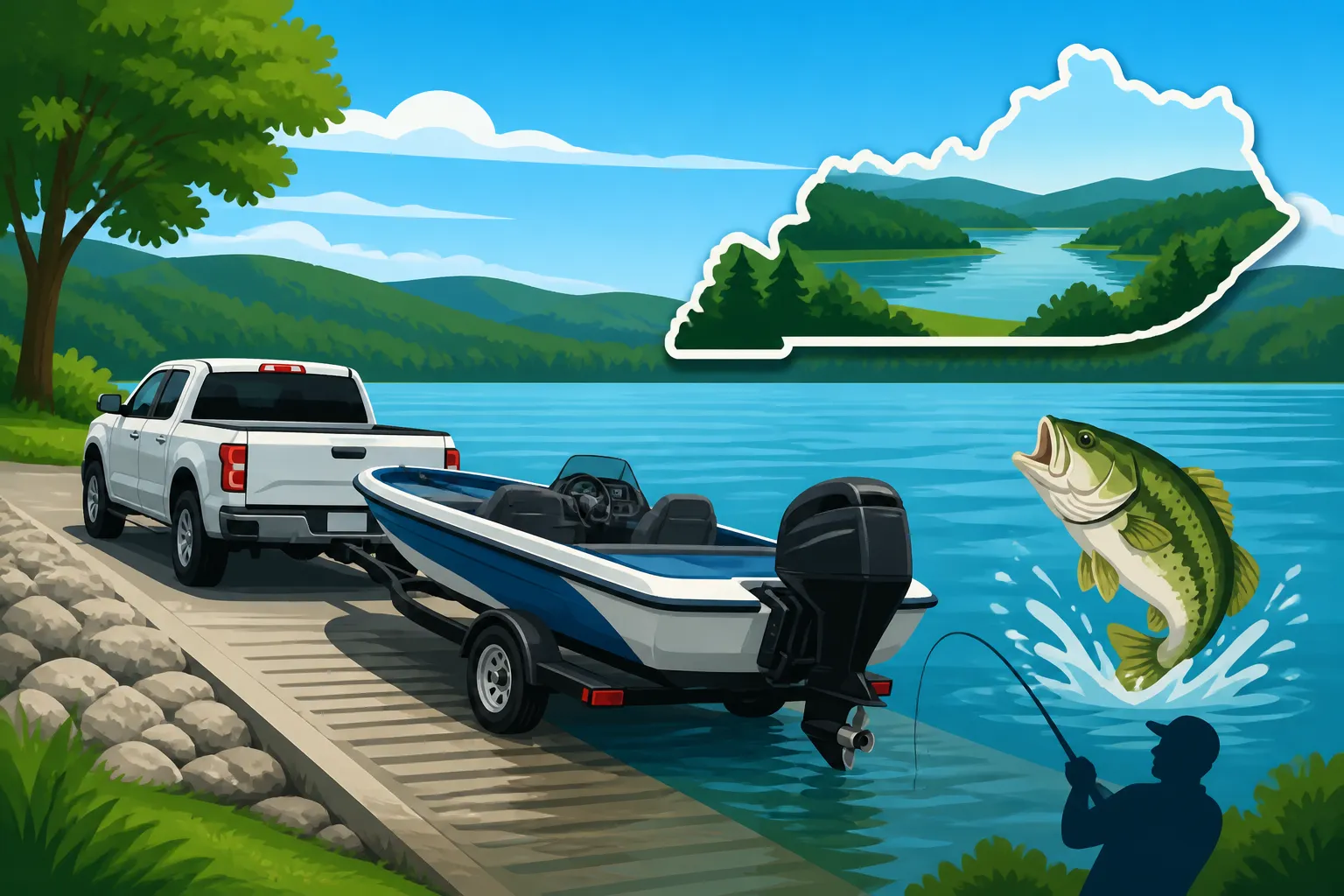
When most people think of launching on Taylorsville Lake, the Taylorsville Lake State Park boat ramp is often the first, and sometimes only, place that comes to mind. It's the largest and most well-equipped public ramp on the lake, making it a natural magnet for boaters and anglers.
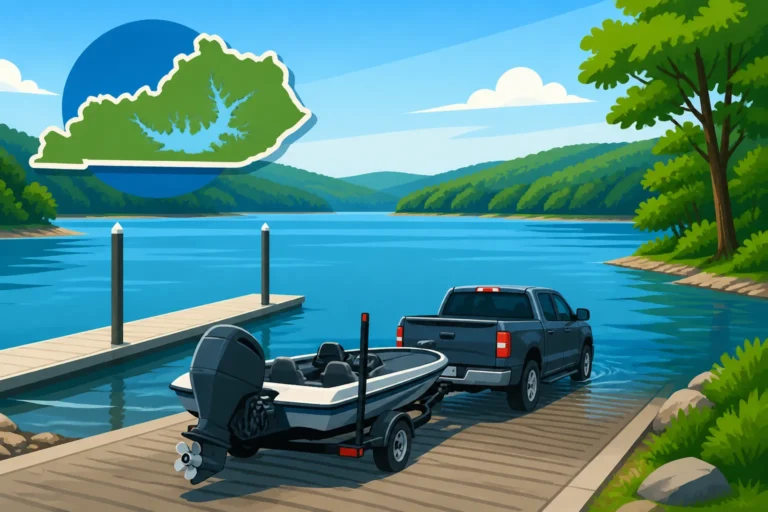
This ramp complex is truly impressive, featuring multiple lanes that can accommodate several boats launching or retrieving simultaneously. This design helps somewhat with the flow, but don't be surprised to find a line on a beautiful Saturday morning. The parking area is expansive, capable of holding numerous truck and trailer rigs, which is a huge plus, though even it can fill up quickly. You'll also find well-maintained restrooms and a courtesy dock that's invaluable for loading passengers and gear before heading out into the main lake. It's truly a full-service setup, which is why it's so popular. Many anglers who are planning a trip to explore Taylorsville Lake's various fishing opportunities, whether for bass or crappie, often start here because of the convenience. If you’re looking to get out onto the main body of the lake quickly and have all the amenities close by, this is your go-to.
Van Buren Boat Ramp: A Convenient Western Access Point
Moving further west on Taylorsville Lake, you'll find the Van Buren boat ramp. This ramp offers a fantastic alternative to the often-bustling State Park ramp, especially if you're looking to target the western sections of the lake. It's situated conveniently off KY-248, making it easily accessible for those coming from the west or northern parts of Kentucky.
The Van Buren ramp typically features a good two-lane concrete ramp with ample parking for trailers, though it's not quite as massive as the State Park lot. There are usually courtesy docks available, which, again, are a huge help for getting your boat ready and securing it while you park your vehicle. What makes Van Buren particularly appealing is its strategic location. Anglers launching here often find themselves closer to some excellent coves and creek arms that can hold productive fishing, particularly for bass and crappie in the spring and fall. It tends to be a bit less crowded than the State Park, offering a slightly more relaxed launch experience. It's a solid choice for those who value a bit more tranquility and want quicker access to different fishing grounds. When researching specific areas of the lake, many online resources, like FishingBooker, highlight how different ramps provide access to unique parts of the fishery.
Chowning Lane Boat Ramp: The Eastern Gem
Venturing to the eastern side of Taylorsville Lake brings us to the Chowning Lane boat ramp. This ramp is often considered a hidden gem by those who prefer to avoid the larger crowds and access a distinct portion of the lake. It's located off Chowning Lane, offering a more secluded and often quieter launching experience.
The Chowning Lane ramp typically provides one or two launch lanes and a decent-sized parking area. While it might not boast the sheer number of amenities as the State Park, it usually has a courtesy dock and is well-maintained. The real draw of Chowning Lane is its proximity to the upper reaches of the lake and the Salt River arm. This area can be fantastic for riverine species and also offers excellent opportunities for bass and crappie, especially during certain times of the year when fish move further upstream. It's an ideal spot if you're looking to explore a different side of Taylorsville Lake or if you have a smaller boat and prefer a less hectic launch. For those researching "Taylorsville Lake's Best Bass Fishing Spots" or "Best Crappie Spots on Taylorsville Lake", accessing different parts of the lake via various ramps is key, and Chowning Lane opens up unique possibilities.
Beyond the Concrete: Important Considerations for Taylorsville Lake Ramps
While knowing the main public ramps is essential, a successful day on the water involves more than just finding a concrete slab. A few other factors can significantly impact your launch and overall fishing trip on Taylorsville Lake.
Water Levels and Their Impact on Ramps
One of the most crucial, yet often overlooked, aspects of using boat ramps is the fluctuating water levels. Taylorsville Lake, like many reservoirs, experiences changes in water levels throughout the year due to rainfall and water management. A ramp that's perfectly usable at full pool might become tricky, or even unusable, during periods of low water.
During low water conditions, the end of the concrete ramp might drop off sharply, or worse, you could encounter submerged obstacles like stumps, rocks, or silt that aren't visible from the surface. This can lead to prop damage, getting your trailer stuck, or simply being unable to launch larger boats. Always check the current lake levels before you head out, especially if there hasn't been significant rain recently or if you know it's typically a dry season. Websites like the U.S. Army Corps of Engineers often provide real-time lake level data, which is an invaluable resource. Some ramps might also accumulate mud or algae, making them slick and dangerous. Pay attention to your footing and use four-wheel drive if available when launching or retrieving on questionable ramps.
Matching Your Boat to the Ramp
Not all boats are created equal, and neither are all ramps. What works perfectly for a 20-foot bass boat might be overkill or even impractical for a small jon boat or kayak, and vice-versa.
- Bass Boats and Larger Fishing Vessels: For larger, heavier bass boats or pontoon boats, the State Park ramp with its multiple wide lanes and deep water access is often the most comfortable choice. Van Buren is also a strong contender. These boats need plenty of depth and maneuvering room. You'll want sturdy courtesy docks for securing your boat while parking, and these larger ramps deliver.
- Jon Boats and Smaller Fishing Boats: If you're running a smaller jon boat or a modest aluminum fishing boat, you'll have more flexibility. Chowning Lane might be a great option, as it often sees less traffic and can provide access to shallower, more river-like sections of the lake. Even the State Park and Van Buren ramps are perfectly fine, but you might find yourself navigating around much larger vessels.
- Kayak and Canoe Anglers: For paddle craft, dedicated kayak launches are always ideal, but if not available, any ramp will do as long as there's a safe place to pull your vehicle off to the side to unload. The Taylorsville Lake State Park Shore Fishing Access areas might also offer easier, more informal spots to launch kayaks or canoes without interfering with larger powerboats. You might not need a full-blown concrete ramp, and a quiet, less-used spot can be much more pleasant. When looking for unique fishing experiences, a quick search on FishingBooker might reveal local guides who specialize in kayak fishing on Taylorsville Lake and can point you to ideal launch spots.
Practical Tips for a Seamless Launch Experience
A smooth launch sets the tone for your entire fishing trip. Nobody wants to start their day with frustration at the boat ramp. Here are some seasoned tips to ensure your Taylorsville Lake adventure begins without a hitch.
The Pre-Launch Checklist and Ramp Etiquette
Being prepared before you even get to the ramp is half the battle. This not only saves you time but also shows respect for other anglers waiting to launch.
- Prep Before the Ramp: Before you pull onto the ramp, make sure your boat is ready to go. This means removing your boat cover, taking out your transom saver, loading all your gear (rods, tackle boxes, coolers, life jackets), putting in the drain plug, and securing your lines. The goal is to spend as little time as possible actually on the ramp itself. Imagine being the person stuck behind someone fumbling with their boat cover while a line of six boats grows behind them – it's a sure way to start the day in a bad mood!
- Check Your Lights and Straps: Before hitting the road, double-check that your boat's tail lights are working, and all tie-down straps are secure. You don't want to find out you have a broken light on the way, or worse, lose a strap during transit.
- Mind Your Manners: Boat ramp etiquette is crucial. Be efficient, be patient, and be courteous. Don't block the ramp if you're not actively launching or retrieving. If someone is having trouble, offer a hand if you can. A little camaraderie goes a long way. This goes for parking too; make sure you're taking up only one spot and not impeding traffic flow. Remember, a crowded ramp is part of the experience on popular lakes, so a good attitude is your best fishing buddy before you even cast a line.
Essential Gear and Safety Considerations
Beyond your fishing tackle, having the right boat safety gear is non-negotiable. Kentucky has specific regulations regarding boating safety, and it's always better to be overprepared.
- Life Jackets: Ensure you have enough Coast Guard-approved life jackets for everyone on board, and that children under 12 are wearing them while the boat is underway. Check out the guide on Life Jacket Rules for Boats in Kentucky for full details.
- Fenders and Dock Lines: Even if a courtesy dock is present, having fenders (bumpers) on your boat can protect it from scrapes and dings, especially if the dock is crowded or if you're tying up alongside another boat. Strong, reliable dock lines are also essential for securing your vessel.
- Other Safety Gear: Depending on the size of your boat, you might need a fire extinguisher, horn or whistle, navigation lights, and a throwable flotation device. These items are not just regulations; they're vital for safety on the water. A quick review of the Kentucky Boat Registration Requirements Explained and related safety guides can help ensure you're fully compliant.
- First Aid Kit: Always carry a well-stocked first aid kit for minor cuts, scrapes, or other unexpected incidents.
- Local Regulations: Before you head out, always make sure you're up to speed on the specific rules for Taylorsville Lake, including any special size or creel limits. The guide Site-Specific Regulations Every Angler Should Check First is a great resource. You wouldn't want to accidentally violate a rule when you could have easily checked beforehand!
Planning Your Trip: Beyond the Ramp
Once your boat is in the water, the real adventure begins. But even before you leave home, consider the broader aspects of your trip.
- Fuel and Bait: There are typically gas stations and bait shops near the major ramps like Taylorsville Lake State Park and Van Buren. However, it’s always wise to fill up your boat and grab your live bait (if you're using it) before you get to the lake, especially if you're heading to a lesser-known ramp where services might be scarce.
- Fishing Licenses: Don't forget your Kentucky fishing license! You can't fish without one. If you're unsure about the costs or how to obtain one, check out our guide on Kentucky Fishing License Costs and Types. Make sure your license is current for the Kentucky Fishing License Year and Renewal Dates.
- Booking a Guide: If you’re new to Taylorsville Lake or just want to maximize your chances of success, consider booking a local fishing guide. They know the lake inside and out, can put you on the fish, and handle all the navigation. Platforms like FishingBooker can help you find experienced local guides for Taylorsville Lake, who often launch from the best and most convenient ramps for their specific fishing plans.
Here's a quick overview of the main public boat ramps on Taylorsville Lake:
| Ramp Name | Location (Approx.) | Number of Lanes | Parking Availability | Amenities | Best For | Typical Crowds | Notes |
|---|---|---|---|---|---|---|---|
| Taylorsville Lake State Park | Eastern side of the lake, off KY-248 | 4-6 | Very Large | Restrooms, Courtesy Docks | All boat types, quick main lake access | High | Most popular, can be very busy, but well-equipped. |
| Van Buren Boat Ramp | Western side of the lake, off KY-248 | 2 | Large | Courtesy Docks | All boat types, western lake access | Moderate | Good alternative to State Park, access to productive creek arms. |
| Chowning Lane Boat Ramp | Northeastern side of the lake, off Chowning Lane | 1-2 | Medium | Courtesy Docks (usually) | Smaller boats, upper lake/river arm access | Low to Moderate | More secluded, good for exploring upstream, check water levels for larger boats. |
Remember, while these ramps offer excellent access to Taylorsville Lake, always check local conditions and specific advisories before you head out. A little planning goes a long way in ensuring a memorable day on the water.
Disclaimer
Please note that fishing regulations, lake conditions, and ramp access can change. Always consult the Kentucky Department of Fish and Wildlife Resources (KDFWR) website for the most current information regarding fishing licenses, regulations, and boat ramp status before planning your trip. The information provided in this guide is for general informational purposes only and should not be considered legal advice or a substitute for official regulations.