Life Jacket Rules for Boats in Kentucky
There’s nothing quite like a peaceful day out on the water in Kentucky, whether you’re casting a line on Kentucky Lake, cruising Lake Cumberland, or paddling a quiet creek. But as enjoyable as these moments are, the water demands respect, and nothing underscores that more than the need for a life jacket. It's easy to think of life jacket rules as just another piece of bureaucratic red tape, especially when the sun is shining and the water is calm. However, these aren't just arbitrary laws; they are vital guidelines designed to keep you and your loved ones safe. This comprehensive guide is here to cut through the confusion and explain Kentucky’s life jacket rules, why they matter, and how to stay compliant without feeling bogged down.
Why Life Jackets Aren't Just a "Rule," They're a Lifesaver
Let's be real for a moment. Nobody wants to wear a bulky life jacket when they're trying to relax on a boat or cast a line. They can feel cumbersome, hot, and sometimes, well, just plain uncool. I get it! But what if I told you that thinking of them as merely a "rule" is missing the entire point? A life jacket isn't just a piece of gear you carry to avoid a ticket; it's the single most important piece of safety equipment you have on the water, a silent guardian that could literally save your life or the life of someone you care about. Ignoring their importance is a gamble no one should take.
The Silent Dangers of the Water
The water, while beautiful and inviting, holds a unique set of silent dangers that can catch even the most experienced boater off guard. Think about it: a sudden wave from a passing boat, an unexpected mechanical failure that leads to a capsized vessel, or even just slipping on a wet deck. These aren't far-fetched scenarios; they happen more often than we'd like to admit. Cold water shock can incapacitate you in minutes, making it impossible to swim or even call for help. Strong currents can pull you away from your boat faster than you can react. And let's not forget the possibility of being knocked unconscious in a fall. In these moments, there's no time to grab a life jacket from storage; it needs to be on you already.
Imagine you're out with friends, enjoying a perfect afternoon fishing on Barren River Lake. Suddenly, a rogue wake from a large cruiser comes out of nowhere, rocking your smaller craft violently. Before you know it, you're in the water. If you weren't wearing your life jacket, the shock of the cold water could make it incredibly difficult to orient yourself, let alone swim back to the boat or tread water until help arrives. This isn't about being paranoid; it's about being prepared for the unpredictable nature of open water.
How Life Jackets Actually Work
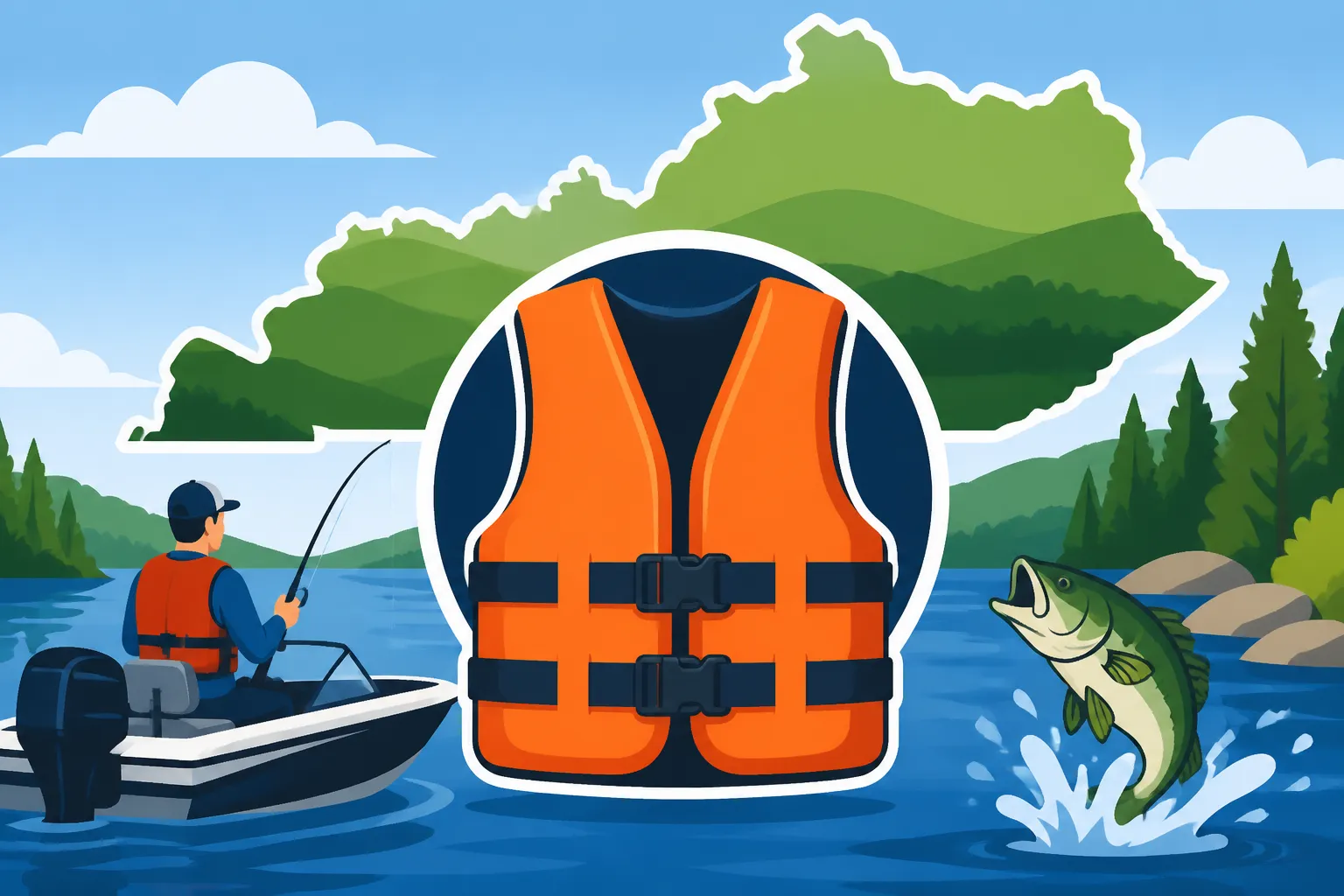
At its core, a life jacket works on the principle of buoyancy – it provides enough lift to keep your head and mouth above water, even if you're unconscious or too exhausted to swim. It's designed to turn you face-up in the water, ensuring your airway remains clear. This isn't just a fancy floatation device; it's engineered to mitigate the risks associated with accidental immersion. Different types of life jackets offer varying degrees of buoyancy and features, but their primary goal is always the same: to keep you afloat.
Think about the sheer relief of knowing that if you or a loved one accidentally goes overboard, you'll stay on the surface. That peace of mind is invaluable. A properly fitted life jacket redistributes your weight in the water, allowing you to conserve energy that would otherwise be spent treading water. For children, it's even more critical, as their smaller bodies lose heat faster in cold water, and they may panic more easily. The subtle design features, from reflective tape for visibility to whistles for signaling, all contribute to increasing your chances of survival and rescue.
Real-Life Scenarios Where They Make a Difference
You hear stories all the time about people who were "lucky" because they had a life jacket on. But really, it wasn't luck; it was preparedness. Picture a scenario on the Ohio River. You're enjoying a peaceful day, maybe targeting some catfish. The weather forecast was clear, but suddenly, a fast-moving storm rolls in, bringing high winds and choppy water. Before you can react, your boat takes on water and capsizes. If you were wearing your life jacket, you'd be floating, able to assess the situation and signal for help. Without it, you'd be fighting against the elements, trying to stay afloat in what could be dangerously cold and turbulent water.
Another common scenario: a child playing near the edge of a boat, perhaps reaching for a toy that fell in, and slips. A split second later, they're in the water. If that child is wearing a properly fitted life jacket, they simply pop back up to the surface. Without it, even a strong swimmer could face a terrifying and dangerous situation. These aren't just hypothetical tales; these are the very real moments where a life jacket transitions from a "rule" to a bona fide hero. It's truly an investment in safety that pays off when you least expect it.
Kentucky's Core Life Jacket Requirements for Adults
Now that we've firmly established why life jackets are more than just a nuisance, let's dive into the specifics of Kentucky's regulations for adults. The Kentucky Department of Fish and Wildlife Resources (KDFWR), in conjunction with U.S. Coast Guard standards, sets these rules. It’s crucial to understand them, not just for compliance but for your own well-being. Ignorance of the law is no excuse, and wardens are out there doing their job to ensure everyone's safety.
The "Readily Accessible" Standard
For adults on most vessels, Kentucky law requires that a U.S. Coast Guard-approved life jacket be "readily accessible" for each person on board. What does "readily accessible" actually mean? It doesn't mean it's buried under a pile of fishing gear in a locked compartment. It means it's available for immediate use, within arm's reach or in an easily locatable storage space that can be accessed in an emergency without delay. This typically means having them out in the open, in a mesh bag on deck, or in an easily opened storage locker.
Imagine you're fishing on Lake Barkley and suddenly your boat hits a submerged object, throwing everyone forward. You might have only seconds to react. If your life jacket is stowed away in the bow, under a cooler, or in a sealed dry bag, it's not "readily accessible." A game warden, checking your boat, will look for this. They want to see life jackets that can be grabbed and donned almost instantly. This isn't just about avoiding a fine; it's about being able to save yourself or assist someone else in a critical moment. So, make sure those PFDs are visible and ready to go.
Different Types of USCG-Approved PFDs
The U.S. Coast Guard classifies life jackets into different types (Type I, II, III, IV, V), each designed for specific uses and offering varying levels of buoyancy. While Kentucky law generally requires an approved device, understanding the types can help you choose the best one for your activity.
- Type I: Offshore Life Jackets These are designed for extended survival in rough, open water where rescue may be delayed. They offer the most buoyancy and are designed to turn an unconscious person face-up. They're bulky but incredibly effective.
- Type II: Near-Shore Buoyancy Vests Good for calmer, inland waters where a quick rescue is likely. They offer less buoyancy than Type I but are more comfortable. They may turn an unconscious person face-up, but it's not guaranteed.
- Type III: Flotation Aids These are the most common and comfortable for general recreational use, like fishing, waterskiing, and kayaking. They offer the same minimum buoyancy as Type II but are designed for comfort, allowing for freedom of movement. They are not designed to turn an unconscious person face-up, so you must be able to help yourself.
- Type IV: Throwable Devices These are cushions or ring buoys designed to be thrown to someone in distress. They are not to be worn. While a boat 16 feet or longer must also carry one of these, they don't count towards the "one per person" requirement for wearable PFDs.
- Type V: Special Use Devices These are specific-use PFDs, like those designed for watersports, kayaking, or work vests. They are only approved for the activities listed on their label. Many inflatable life jackets fall into this category.
For most adult anglers and recreational boaters in Kentucky, a Type III vest is perfectly suitable, offering a balance of comfort and safety on Kentucky Lake or Lake Barkley Fishing Guide for Kentucky Anglers. Just remember that if you opt for an inflatable Type V, it often needs to be worn to count as "readily accessible" and must be properly maintained and armed with a CO2 cartridge. For more details on what counts, check out Coast Guard-Approved Life Jackets for Kentucky Boaters.
Ensuring Your Life Jacket is in Good Condition
A life jacket that's torn, faded, or waterlogged isn't going to do you much good. Kentucky law, following federal guidelines, states that all required life jackets must be in "good and serviceable condition." This isn't just a suggestion; it's a critical safety standard. A life jacket in poor condition might not provide adequate buoyancy, or its straps and zippers could fail when you need them most.
Before every outing, give your life jackets a quick inspection. Look for rips, tears, or excessive fading on the fabric. Check all the buckles, zippers, and straps to make sure they're intact and function properly. If it's an inflatable PFD, ensure it's not punctured and that the CO2 cartridge is still properly charged and installed. Squeeze it gently; if it feels spongy or waterlogged, its buoyancy might be compromised. Remember, a life jacket that doesn't work is no better than no life jacket at all. Replacing worn-out PFDs is a small price to pay for genuine peace of mind on the water.
Specific Life Jacket Rules for Kids and Minors in Kentucky
This is one of the most critical aspects of Kentucky's boating safety regulations, and it's where the rules become much stricter – for very good reason. Protecting our youngest adventurers on the water is paramount. If you're planning a family fishing trip or just a leisurely boat ride, especially with children, these rules are non-negotiable.
Age Limits and Mandatory Wear
In Kentucky, any child 12 years of age or younger must wear a U.S. Coast Guard-approved life jacket at all times while on the open deck or cockpit of any recreational vessel that is underway. This means if the boat is moving – even slowly – children under 13 cannot take off their life jackets. There are very few exceptions to this rule. They don't have to wear it if they are below deck in an enclosed cabin or compartment, but the moment they step out onto an open area while the boat is in motion, that life jacket needs to be on and fastened correctly.
This rule is in place because children are more vulnerable to falling overboard, can panic quickly in water, and lose body heat much faster than adults. As a parent or guardian, it's your responsibility to ensure compliance. Imagine the heartbreak if something were to happen because a child slipped and didn't have their life jacket on. It’s not just about avoiding a ticket; it's about protecting precious lives. This specific regulation is detailed further in Life Jacket Requirements for Kids Under 12 in Kentucky.
For instance, if you're taking your grandkids out fishing on Lake Cumberland: Kentucky's Best All-Around Fishing Lake, and your 8-year-old grandson decides he wants to stand up in the boat to cast, his life jacket must already be on. It's not a matter of "we'll put it on if we need it." The rule is proactive, demanding that the life jacket be worn when the boat is underway in an open area.
Choosing the Right Size and Fit for Children
A life jacket is only effective if it fits properly. For children, this is even more crucial. A life jacket that's too big can ride up around their ears, potentially impeding their breathing or even coming off. One that's too small might not provide enough buoyancy. Children's life jackets are typically sized by weight range, not just age. You'll often see labels like "Infant," "Child," and "Youth," each with a specific weight guideline.
When selecting a child's life jacket, always refer to the manufacturer's label for the correct weight range. Once they try it on, check the fit by lifting them by the shoulders of the life jacket. If it slides up past their ears, it's too big. The straps should be snug but not uncomfortably tight, and all buckles should be securely fastened. Kids grow fast, so make sure to check the fit at the beginning of each boating season, as they might have outgrown last year's vest. Remember, comfort is important for kids, too; if it's too uncomfortable, they'll resist wearing it. Many manufacturers, like those found at Bass Pro Shops, offer life jackets specifically designed for kids, often with fun colors and designs to encourage wear.
Educating Kids on Water Safety
Getting kids to wear life jackets can sometimes feel like a battle, but framing it as part of an exciting adventure rather than a chore can help. Involve them in choosing their own USCG-approved life jacket (within the correct size and type guidelines, of course!). Explain why they need to wear it in simple, easy-to-understand terms. "It helps you float like a superhero!" or "It keeps you safe if you fall in the water, so we can all have fun." Lead by example: if adults on board wear life jackets, children are much more likely to follow suit without complaint.
Turn it into a game: "Who can put on their life jacket the fastest?" Make it a routine part of getting on the boat. Teach them what to do if they do fall in, such as staying calm and floating. Water safety education goes hand-in-hand with life jacket use. It’s about instilling a lifelong respect for the water and understanding that safety is always cool.
Special Regulations for Personal Watercraft (PWCs) and Towing Activities
When you're speeding across the water on a personal watercraft (PWC), like a Jet Ski or WaveRunner, or pulling someone behind your boat for waterskiing or tubing, the stakes are even higher. The speeds are faster, the potential for sudden impact is greater, and the need for immediate flotation is critical. Kentucky has specific rules for these situations, which often require mandatory wear for everyone involved.
Mandatory Wear for Jet Ski Riders
This one is clear-cut: In Kentucky, anyone operating or riding a personal watercraft (PWC), commonly known as a Jet Ski, Sea-Doo, or WaveRunner, must wear a U.S. Coast Guard-approved life jacket at all times while underway. There are no exceptions for age or whether you're a strong swimmer. The nature of PWCs involves high speeds, quick turns, and a much higher likelihood of being ejected into the water. In such an event, an unbelted life jacket is useless.
The sudden impact of hitting the water at speed can be disorienting, even stunning. Having a life jacket already securely fastened ensures that you will immediately float to the surface, maintaining your airway and allowing you to recover. This rule applies equally to the operator and any passengers on the PWC. For a deep dive into these rules, look for Must You Wear a Life Jacket on a Jet Ski in Kentucky?. These PFDs are often lighter and allow for more mobility, designed specifically for dynamic water activities.
Life Jackets for Towed Sports
If you're into waterskiing, wakeboarding, tubing, or any other activity where a person is being towed behind a boat, Kentucky's rules are equally strict. Every person being towed (the skier, wakeboarder, tuber) must wear a U.S. Coast Guard-approved life jacket. This is non-negotiable. Again, the speeds involved and the potential for hard falls make immediate flotation absolutely essential.
Additionally, if you're the one driving the tow boat, Kentucky regulations usually require that you have an observer on board (other than the operator) who is at least 12 years old, to keep an eye on the person being towed. While the observer doesn't have to wear a life jacket continuously if they are over 12 and in the cockpit, having one readily accessible is still required for them and everyone else on board the tow boat. It’s all part of creating a safe environment for high-energy water recreation.
The Importance of Bright Colors and Visibility
When you're participating in high-speed watersports or riding a PWC, visibility becomes a major safety factor. Brightly colored life jackets aren't just a fashion statement; they serve a crucial purpose in making you easily seen by other boaters, especially if you've fallen into the water. Fluorescent yellows, oranges, and greens stand out against the blue or grey water, significantly increasing your chances of being spotted quickly by your own boat or by passing vessels.
Think about the chaos that can ensue after a fall while waterskiing, especially if there's other boat traffic. Being highly visible can prevent collisions and speed up rescue efforts. Many life jackets designed for watersports also feature reflective materials, which are incredibly helpful in low-light conditions or if a search extends into the evening. Always choose a PFD that offers excellent visibility for anyone engaging in these fast-paced activities. Safety doesn't have to be bland, and bright colors can make a life-saving difference.
Navigating the Nuances: Exemptions and Practical Considerations
While the rules are generally quite clear, there are always those "what about this?" questions that pop up. Kentucky's life jacket laws, like many others, have a few specific exemptions and considerations that are worth understanding. Knowing these can help you stay compliant while also making informed decisions about your personal safety.
When You Might Not Need to Wear One
For adults over 12, the primary exemption for not wearing a life jacket while underway usually applies when you are in an enclosed cabin or below deck. If your vessel has an area that is fully enclosed from the open elements, such as a cuddy cabin on a cruiser or the interior of a house boat, you are generally not required to be wearing a life jacket while inside that enclosed space. However, you still must have a USCG-approved life jacket for yourself readily accessible on the vessel.
Similarly, if you are a passenger on a large, Coast Guard-documented commercial vessel (like a ferry or a tour boat), the rules for personal flotation devices are handled by the vessel's crew, and you typically won't be required to wear one unless specifically instructed. But for most recreational boaters and anglers on Best Boats for Kentucky Lake and Lake Barkley Fishing or even smaller craft, the "enclosed cabin" exception is the most common one. Always use common sense; even if the rule doesn't require you to wear it, if conditions are rough or you're fishing alone, putting it on is always the safest bet.
The Difference Between "Carrying" and "Wearing"
This is a subtle but important distinction in Kentucky's life jacket laws. For adults (over 12), the law generally requires that you carry a readily accessible, USCG-approved life jacket for each person on board. This means it needs to be available, in good condition, and the right type for your activity. For kids under 13, and for anyone on a PWC or being towed, the law requires you to wear it.
The difference highlights a personal safety choice for adults. While you might legally be able to just "carry" it, choosing to wear your life jacket significantly increases your safety. Consider the "if it's not on, it won't work" principle. If you go overboard unexpectedly, you won't have time to grab a life jacket, put it on, and secure it. Drowning happens quickly and silently. Many experienced anglers and boaters, particularly when fishing alone, in cold water, or in rough conditions, opt to wear their life jackets even when not legally mandated, just for that added layer of protection. This choice reflects a commitment to safety over mere compliance.
Understanding Different Body Types and PFDs
One size certainly does not fit all when it comes to life jackets. People come in all shapes and sizes, and what fits one person comfortably and effectively might be a hazard for another. Thankfully, manufacturers recognize this, and there's a wide variety of PFDs available today. For larger individuals, there are "oversized" or "full-figure" PFDs designed to accommodate broader chests and provide adequate buoyancy without feeling restrictive. For smaller adults, specific "youth" or "adult small" sizes might be more appropriate than a standard adult medium/large.
Inflatable PFDs, particularly Type V models, have become very popular for their low profile and comfort. These only inflate when activated (either manually or automatically upon water immersion), making them much less bulky to wear all day. They are excellent for activities like fishing where freedom of movement is key. However, they do require more maintenance and regular checks of their CO2 cartridges. When shopping for a PFD, it’s always best to try it on and ensure it fits snugly but comfortably, allowing for full range of motion, especially if you're using it for something like Best Fishing Kayaks for Kentucky Lakes and Rivers. Stores like Amazon and Bass Pro Shops offer a vast selection, so you can definitely find one that's right for you.
Consequences of Non-Compliance and Game Warden Checks
Nobody wants to deal with a fine or, even worse, the aftermath of an accident that could have been prevented. Understanding the consequences of not adhering to Kentucky's life jacket rules isn't about scaring you; it's about being realistic and informed. Game wardens and other law enforcement officers are out on the water specifically to enforce these safety regulations, and they take them seriously.
Penalties for Violations
If you are caught violating Kentucky's life jacket laws, the penalties can range from a warning to a citation and a fine. The exact amount of the fine can vary depending on the severity of the violation, whether it's a repeat offense, and the discretion of the issuing officer. While a missing life jacket might seem minor, it is a safety violation. These fines are often significant enough to make you wish you had just bought the proper PFDs in the first place.
Beyond the monetary cost, a citation can mean a blot on your record and potentially even a court appearance, depending on the circumstances. It's an unnecessary hassle and expense that can easily be avoided by simply ensuring you and your passengers are compliant. Think of it this way: the cost of a good life jacket is almost always less than the cost of a ticket, not to mention the immeasurable cost if an accident were to occur. These penalties underscore the state's commitment to boating safety and public welfare on its waters. You can find more general information about enforcement and consequences in Game Warden Enforcement and License Checks While Fishing and Penalties for Fishing Without a License in Kentucky.
What to Expect During a Safety Stop
It's a common scenario: you're enjoying your day, and suddenly a patrol boat approaches. Don't panic! Game wardens and other marine patrol officers are primarily there to ensure everyone's safety and compliance with boating laws. During a routine safety stop, they will typically ask to see your proof of boat registration (Kentucky Boat Registration Requirements Explained), your fishing license (if applicable), and they will almost certainly check your safety equipment, including life jackets. They'll count them to ensure you have one for every person on board, inspect their condition, and verify they are USCG-approved.
They may also check for other required safety gear, such as fire extinguishers (Fire Extinguisher Requirements for Kentucky Boats), sound-producing devices, and navigation lights. Be polite, cooperative, and have your documentation readily available. A warden's job is to enforce laws and educate the public, so often a friendly interaction can lead to a warning for a minor infraction rather than a citation. However, if they find serious safety violations, especially concerning life jackets for children, they will act accordingly. Being prepared makes these interactions smooth and brief.
The Broader Impact of Ignoring Safety Rules
The true "cost" of ignoring life jacket rules goes far beyond fines. It impacts insurance rates, public safety statistics, and most tragically, it can lead to preventable accidents and fatalities. Drowning is a leading cause of death in recreational boating incidents, and the vast majority of these victims were not wearing a life jacket. Every time someone goes missing or an accident occurs on the water where a life jacket could have made a difference, it impacts families, communities, and the reputation of responsible boating.
When you adhere to safety rules, you're not just protecting yourself; you're contributing to a safer environment for everyone on Kentucky's waterways. You set a positive example for other boaters, especially children. Responsible boating practices, including consistent life jacket use, are a cornerstone of enjoying the water without unnecessary risks. It’s about building a culture of safety that benefits us all and ensures that our beautiful lakes and rivers remain places of enjoyment, not tragedy.
Choosing the Right Life Jacket: Beyond Basic Compliance
Okay, so we know why they're important and what the rules are. But with so many options out there, how do you pick the right life jacket for you and your crew? It's not just about meeting the minimum legal requirement; it's about finding a PFD that enhances your comfort and safety, encouraging you to wear it every time you're on the water.
Comfort and Fit for Long Days on the Water
Let's be honest, an uncomfortable life jacket is one you'll want to take off the moment you can. And that defeats the entire purpose! Modern life jackets have come a long way from the bulky, foam-filled orange vests of yesteryear. Today, you can find PFDs designed with comfort in mind, using lighter materials, better ventilation, and ergonomic designs that allow for freedom of movement.
When choosing a life jacket, consider what activities you'll be doing. If you're going to be fishing for hours on end, look for a vest with large armholes that won't chafe, or perhaps a vest-style PFD with pockets for tackle, which can double as a fishing vest. If you're paddling a kayak, you'll want one that's specifically designed for sitting, with a high back that doesn't push up against your seat. The key is to try it on! Wear it for a few minutes in the store, move around, sit down, and make sure it feels good. Remember, a comfortable life jacket is a worn life jacket.
Activity-Specific PFDs
Just like you wouldn't use a deep-sea fishing rod for trout streams, you wouldn't necessarily use a waterski vest for a quiet day of bank fishing. Different activities call for different types of PFDs, each optimized for specific needs.
- Fishing Vests: Many fishing-specific PFDs are designed with multiple pockets, tool attachment points, and a low-profile fit to allow for casting and reeling without obstruction. Some even come with integrated hydration packs. These are fantastic for anglers who spend all day on the water.
- Kayaking/Canoeing Vests: These PFDs typically feature a high back design to accommodate kayak seats, large armholes for paddling, and often have front pockets for small gear. They prioritize mobility and comfort while seated. Check out Best Fishing Kayaks for Kentucky Lakes and Rivers for more on specific gear.
- Watersports Vests: These are often Type III PFDs with a snugger fit to prevent them from riding up during high-speed activities like waterskiing, tubing, or wakeboarding. They sometimes have added padding for impact protection.
- Inflatable PFDs: As mentioned, these are incredibly popular for adults due to their minimal bulk. They come in belt-pack or vest styles and are excellent for those who want maximum freedom of movement but are also responsible enough to maintain them and activate them if needed.
Matching your PFD to your activity not only ensures compliance but also enhances your overall experience and safety on the water.
Where to Buy Quality USCG-Approved Life Jackets
Finding a good, reliable life jacket is easier than ever thanks to a wide array of retailers. When purchasing, always make sure the life jacket explicitly states it is "U.S. Coast Guard Approved" and check the Type classification. Avoid cheap, unbranded options that don't have this crucial certification.
Major outdoor retailers are excellent places to start. Stores like Bass Pro Shops offer a huge selection, allowing you to physically try on different styles and sizes, and benefit from knowledgeable staff who can help you choose the right one. Online retailers like Amazon also provide a vast selection, often with competitive pricing and detailed customer reviews, though you lose the ability to try them on beforehand. If buying online, be extra diligent about checking size charts and return policies. Local bait and tackle shops might also carry a smaller, curated selection, especially for fishing-specific PFDs. Remember, invest in quality; a life jacket is not an item to skimp on.
Maintaining Your Life Jackets for Longevity and Safety
So, you've bought the right life jackets, everyone knows the rules, and you're ready for some fun on the water. Great! But the job isn't done. Just like any other piece of safety equipment, life jackets need proper care and maintenance to ensure they remain effective and last for many seasons to come. Neglecting them can lead to a premature breakdown and, more importantly, a compromised safety device when you need it most.
Proper Storage Techniques
How you store your life jackets makes a huge difference in their lifespan. The biggest culprits for damage are prolonged exposure to sunlight (UV rays break down fabric over time) and improper drying (leading to mildew and rot).
After each outing, especially if they got wet, make sure to completely air-dry your life jackets before storing them. Hang them in a well-ventilated area, out of direct sunlight. Once dry, store them in a cool, dry place away from direct heat sources. Avoid cramming them into tight spaces or under heavy objects, as this can compress the flotation material, reducing its effectiveness over time. Many boaters use mesh bags or dedicated storage lockers to keep their PFDs organized, protected, and easily accessible. Taking a few minutes to store them correctly will extend their life and ensure they’re ready for your next adventure.
Regular Inspection for Wear and Tear
Beyond the quick pre-trip check, it's a good idea to conduct a more thorough inspection of all your life jackets at least once a season, or after any particularly rigorous use.
Look for:
- Fabric Integrity: Check for tears, punctures, frayed edges, or excessive fading. Any significant damage to the outer shell can compromise the flotation material inside.
- Stitching and Seams: Examine all stitching for signs of unraveling or weakness.
- Straps, Zippers, and Buckles: Ensure all straps are secure, adjustable, and not frayed. Zippers should operate smoothly, and buckles should snap shut firmly without slipping. If a buckle is cracked or a zipper is broken, the life jacket's ability to stay on you is compromised.
- Flotation Material: Gently squeeze the flotation panels. They should feel uniform and resilient. If they feel lumpy, stiff, or waterlogged, the PFD's buoyancy may be reduced.
- Inflatable PFDs: Check the CO2 cylinder to ensure it's still armed (if manual) or that the indicator shows it's ready (if automatic). Inspect the bladder for any punctures or leaks. Follow the manufacturer's instructions for periodic testing and re-arming.
If you find any significant damage, it's time to replace the life jacket. Don't take chances with compromised safety gear.
Cleaning and Drying Your PFDs
Life jackets can get pretty dirty and smelly, especially after a long day of fishing or swimming. Sweat, sunscreen, fish slime, and lake water can all accumulate. Regular cleaning not only keeps them looking good but also prevents the growth of mold and mildew, which can degrade the fabric and stitching over time.
To clean your life jackets, use a mild soap and water solution. You can hand wash them with a soft brush or sponge. Avoid harsh detergents, bleach, or solvents, as these can damage the materials and reduce buoyancy. Rinse thoroughly with fresh water to remove all soap residue. The most critical step, again, is complete drying. Hang them in a well-ventilated area, away from direct sunlight, allowing air to circulate around all sides. Never store a damp life jacket, as this is a guaranteed recipe for mildew. Proper cleaning and drying ensures your life jackets remain hygienic, pleasant to wear, and fully functional for years to come.
Disclaimer
This article is for general informational purposes only and does not constitute professional advice. Laws, prices and regulations vary by location and change over time. Consult a qualified professional for guidance on your specific situation.