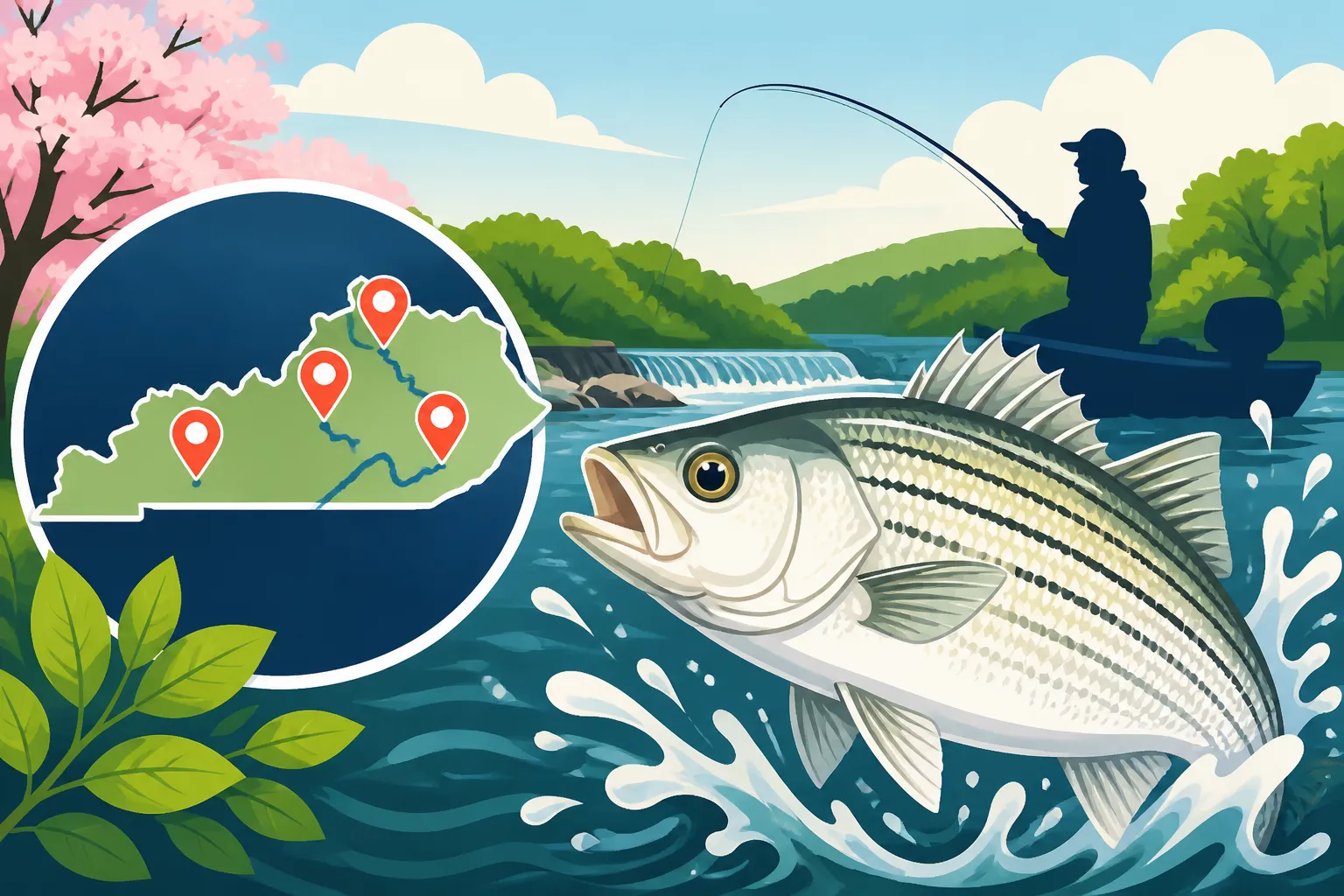
Best Spots to Catch White Bass During the Spring Run
The arrival of spring in Kentucky isn't just about warmer weather and blooming dogwoods; for many anglers, it heralds the much-anticipated white bass spring run. If you've ever felt the sheer excitement of reeling in one after another of these feisty fighters, you know why it's a can't-miss event. This guide is dedicated to helping you pinpoint the best spots and master the techniques to make the most of this thrilling, but often fleeting, opportunity across the Bluegrass State.
Understanding the White Bass Spring Run Phenomenon
When the waters of Kentucky’s rivers and lakes begin to warm up after the long chill of winter, a remarkable event kicks off: the white bass spring run. It’s a period of intense activity where these schooling fish migrate en masse from their deeper wintering grounds upstream into shallower tributaries to spawn. This congregating behavior makes them incredibly accessible and creates some of the most exciting fishing opportunities of the year.
When and Why White Bass Run
The timing of the white bass run is largely dictated by water temperature and the lunar cycle, typically beginning when water temperatures consistently reach the upper 40s to low 50s Fahrenheit, often peaking in March and April. As the water warms, an instinctual urge sends them surging upstream into the smaller creeks and rivers that feed the larger reservoirs. They are looking for rocky or gravelly bottom areas to deposit their eggs, often traveling many miles to reach these ancestral spawning grounds. This migration is a biological imperative, and they become incredibly aggressive, striking at almost anything that moves, making them a true joy for anglers. It's a race against time, as the actual spawning period is relatively short, often lasting only a couple of weeks in any given location before they begin their return journey to the main lake. Being able to predict and intercept them during this window is key.
Identifying Prime Run Conditions
Knowing when the run is happening is one thing, but knowing where to find them on any given day is the real challenge. Look for areas where creeks and rivers flow into larger lakes or reservoirs. These are their highways. Pay close attention to current. White bass often stack up below riffles, rapids, or any structure that breaks the flow, giving them a place to rest while waiting to push further upstream. Water clarity can also play a role; while they're not as finicky as some other species, excessively muddy water from heavy rains can sometimes delay or disperse the run. Conversely, stable water levels and gradually warming temperatures create ideal conditions.
Early spring rains that cause a slight rise in water levels and an increase in flow can actually concentrate fish even more as they push against the current. Many local anglers keep a close eye on weather forecasts and dam discharge rates, as these can be big indicators. You can often find groups of anglers congregating at known hotspots, a sure sign that the white bass are on the move. Don't be afraid to chat with them; anglers are often eager to share tips during such an exciting time. If you're looking for up-to-the-minute reports on specific areas, you might even check out online fishing forums or consider booking a local guide through platforms like FishingBooker, who can provide invaluable real-time insights into where the fish are biting.
Top Kentucky Rivers and Lakes for White Bass
Kentucky is blessed with numerous water bodies that host phenomenal white bass runs each spring. While the fish are spread throughout the state, a few key areas truly stand out for their consistency and the sheer numbers of fish they produce. These spots are perennial favorites for a reason, offering ample opportunities whether you're fishing from the bank or a boat.
Major River Systems: Ohio, Tennessee, Cumberland
When it comes to sheer volume and reliable runs, Kentucky's major river systems are often the first place serious white bass anglers look. The Ohio River system, which forms the northern border of the state, has several tributaries known for strong white bass runs. Creeks like the Salt River, Little Miami River (on the Ohio side but influences Kentucky waters), and Licking River can light up with activity. Anglers often target the areas below dams, like the Cannelton or McAlpine Locks and Dams, where white bass stack up before making their push. These turbulent waters are magnets for hungry fish.
Further west, the Tennessee River and Cumberland River systems, particularly the stretch upstream from Kentucky Lake and Lake Barkley respectively, are legendary. The headwaters and major feeder creeks on these rivers become bustling highways for white bass. Areas around New Johnsonville on the Tennessee River, or the larger tributaries feeding the Cumberland, can see immense schools of fish. Knowing the "Best White Bass Runs on the Ohio River in Kentucky" or other major river systems can give you a significant advantage. These river systems are massive, so focusing on the pinch points, bends, and mouths of smaller creeks will yield the best results.
Reservoirs with Excellent Runs: Kentucky Lake, Lake Barkley, Taylorsville Lake
Beyond the main rivers, Kentucky's large reservoirs are prime white bass destinations, with their feeder creeks and upper reaches becoming hot zones during the spring spawn.
Kentucky Lake is arguably the crown jewel for many species, and white bass are no exception. The massive reservoir, shared with Tennessee, has countless creeks and bays that see incredible runs. Upstream sections of the Big Sandy River and Blood River, which feed into Kentucky Lake, become particularly active. Anglers will often launch their boats at ramps far up these tributaries to intercept the fish. You can find more targeted information on areas like this, especially regarding the "Best White Bass Runs on Lake Barkley in Spring", another excellent option.
Speaking of Lake Barkley, it’s Kentucky Lake's twin, and offers equally fantastic opportunities. The Little River and Cumberland River arms of Lake Barkley are traditional hotspots. Look for shallower areas with gravel bottoms where the fish will congregate. Both Kentucky Lake and Lake Barkley are large, so finding a fishing guide through a service like FishingBooker can be incredibly beneficial for first-timers, helping you navigate the vast waters and find current hotspots.
Taylorsville Lake, located closer to Louisville, is another excellent option, especially for those in central Kentucky. The Salt River arm upstream from the main lake is a magnet for white bass. Anglers often concentrate their efforts around the Van Buren boat ramp and further upstream where the river narrows and provides more current. The runs here can be explosive and offer fantastic bank fishing opportunities, making it accessible even without a boat. When planning your trip, consider checking Kentucky Fishing Seasons: What to Catch Each Month to align your visit with peak white bass activity.
Here's a quick comparison of some prime white bass locations:
| Location | Primary Water Body | Best Access Points/Features | Common Tactics | Notes |
|---|---|---|---|---|
| Ohio River | Ohio River & Tributaries | Below Dams (Cannelton, McAlpine), Creek Mouths | Vertically jigging, casting small crankbaits | Strong currents, can be challenging from the bank. |
| Kentucky Lake | Big Sandy River, Blood River | Upstream creek mouths, tributary bends | Casting jigs, blade baits, small spoons from boat | Vast area, best with a boat, strong spring bite. |
| Lake Barkley | Little River, Cumberland River | Upstream river sections, shallow flats | Casting jigs, small crankbaits, trolling | Similar to Kentucky Lake, excellent boat access. |
| Taylorsville Lake | Salt River Arm | Van Buren ramp, upper river sections | Bank fishing with jigs/spinners, kayak fishing | Accessible, great for bank anglers, strong current upriver. |
| Barren River Lake | Barren River | Upper river arms, shallow rocky areas | Casting small jigs and inline spinners | Less well-known for white bass, but can have decent runs. |
Key Tactics for Catching Spring White Bass
Catching white bass during their spring run is often less about finesse and more about getting your lure in front of as many fish as possible. They are aggressive, especially when concentrated, but having the right approach can make all the difference between a few fish and a cooler full.
Effective Lures and Baits
When white bass are actively running, they're not usually picky. The key is to present something that mimics their natural forage (small baitfish) and can be worked effectively in current.
- Small Jigs: This is probably the most popular and effective lure. White bucktail jigs, curly-tail grubs (especially chartreuse, white, or pearl), or plastic minnows on a 1/8 to 1/4 ounce jig head are deadly. Fish them by casting upstream and letting them tumble and bounce along the bottom with the current, or by vertically jigging them in deeper holes. Many anglers swear by a double-rig setup, where two jigs are tied a foot or so apart, allowing you to cover more water and mimic a small school of baitfish.
- Inline Spinners: Brands like Rooster Tail or Mepps are classic white bass producers. Their flash and vibration are irresistible. Choose smaller sizes (1/8 to 1/4 ounce) in silver, gold, or chartreuse blades. Cast them out and retrieve them steadily, just fast enough to get the blade spinning. They work particularly well in shallower, less turbulent water.
- Blade Baits: Lures like the Heddon Sonar or something similar are fantastic, especially when fish are holding deeper or when you need to cover a lot of water quickly. Their high vibration and flash trigger aggressive strikes. Cast them out, let them sink to the desired depth, then rip them up and let them fall, repeating the process.
- Small Crankbaits: Shallow-diving crankbaits in shad patterns or bright colors can also be very effective, especially when fish are in slightly deeper pockets or along current breaks. Look for those that mimic baitfish profiles.
- Live Bait: While artificials often outperform live bait during the run due to the fish's aggressive nature, small minnows can certainly entice strikes, especially if the bite is slow or you're targeting less aggressive fish. Fished under a bobber or on a small jig head, minnows are a reliable option.
To give yourself the best chance, make sure your tackle box is ready for the season. Understanding the "Best Lures for Early Spring Fishing" will ensure you have a variety of options.
Bank Fishing vs. Boat Fishing Strategies
Both bank and boat fishing can be incredibly productive during the white bass run, but each requires slightly different strategies.
Bank Fishing: For many, bank fishing is the most accessible way to participate in the white bass run. Focus your efforts on creek mouths, river bends, and access points with deeper holes or current breaks. Areas below small rapids or riffles are often honey holes, as the fish pause there before continuing their upstream journey. Look for public access points along rivers like the Salt River arm of Taylorsville Lake or specific spots on the Ohio River. Casting jigs or inline spinners upstream and letting them drift back is a primary tactic. A longer rod (7-8 feet) can help with casting distance and managing your line in current. Remember to consult Bank Fishing Techniques for Beginners if you're new to fishing from shore. You'll often find fellow anglers gathered at prime bank access points, which is a great indicator of activity.
Boat Fishing: Having a boat opens up a lot more possibilities, allowing you to access mid-river channels, offshore humps, and more remote sections of tributaries. Boat anglers can position themselves to intercept fish traveling upstream, often anchoring just downstream of a prime current break or in a deep bend. Trolling small crankbaits or jigs can be effective for covering large areas and finding schools of fish. Once a school is located, vertical jigging directly over them can lead to fast and furious action. For bigger waters like Kentucky Lake or Lake Barkley, a robust fishing boat is often preferred, but even a smaller jon boat or kayak can be incredibly effective in the upstream tributaries. Before heading out, make sure your vessel is ready by checking out advice on "Best Boats for Kentucky Lake and Lake Barkley Fishing."
A local fishing charter, easily found on platforms like FishingBooker, can give you a significant advantage, particularly if you're new to a specific body of water. They often have real-time knowledge of fish movements and can put you right on the action.
Gear and Regulations for White Bass Fishing
Having the right equipment and understanding the local regulations are crucial for a successful and legal white bass fishing experience in Kentucky. It prevents frustration and ensures you're ready for the fight these spirited fish put up.
Recommended Rods, Reels, and Line
For white bass, you generally don't need heavy-duty gear, but a setup that offers sensitivity and enough backbone to handle a strong fight is ideal.
- Rods: A medium-light to medium action spinning rod, typically 6'6" to 7'6" in length, is perfect. The lighter tip allows for better feel and casting of smaller lures, while the medium action provides enough power to handle multiple fish at once or a surprise larger fish.
- Reels: Pair your rod with a reliable spinning reel in the 2000-3000 size range. Smooth drag is essential, as white bass can pull hard, especially in current. Brands like Shimano, Daiwa, or Penn offer excellent options in various price ranges.
- Line: For main line, 6 to 10-pound monofilament or fluorocarbon is a good all-around choice. Some anglers prefer 10-20 pound braided line for its sensitivity and casting distance, often adding a 6-10 pound fluorocarbon leader for abrasion resistance and reduced visibility. The clear water of early spring often benefits from a less visible leader. If you need help choosing, resources like "Best Rods and Reels for Kentucky Fishing" can guide your selection.
Remember, white bass can be caught one after another during a hot run, so having a spare spool of line or extra leader material can be a lifesaver. Keep your hooks sharp and your knots strong!
Kentucky Regulations for White Bass
Before you even wet a line, it's absolutely vital to be aware of Kentucky's fishing regulations, which are set by the Kentucky Department of Fish and Wildlife Resources (KDFWR). Not only is it the law, but it also helps ensure the long-term health of the fishery.
- Fishing License: First and foremost, anyone 16 years or older needs a valid Kentucky fishing license to fish in public waters. You can easily purchase one online, at local sporting goods stores, or at county clerk offices. For detailed information, check out "How to Get a Fishing License in Kentucky".
- Statewide Limits: For white bass, there is a statewide daily creel limit of 30 fish and no size limit. This means you can keep up to 30 white bass per day, regardless of their length. However, always double-check the latest KDFWR regulations pamphlet or their website, as rules can change. While the white bass limit is generous, remember that other species, like bass or crappie, have much stricter limits, so be sure you can correctly identify your catch. Knowing the "Statewide Bag and Size Limits by Fish Species" is important for any angler.
- Site-Specific Rules: While the statewide limits are generally uniform for white bass, it’s always a good practice to check for any site-specific regulations for the particular body of water you’re fishing. Sometimes, certain lakes or river sections might have unique rules designed to manage local populations. This is less common for white bass but essential to keep in mind for other species. A quick look at the "Kentucky Fishing Regulations Explained" can save you from potential trouble.
A game warden can check your license and ensure you're compliant with all regulations at any time, whether you're on the bank or in a boat. Being prepared and informed will make your fishing experience enjoyable and hassle-free.
Conclusion
The white bass spring run in Kentucky is truly a spectacular event, offering some of the most consistent and action-packed fishing of the year. From the surging waters of the Ohio River to the expansive reservoirs of Kentucky Lake and Lake Barkley, and the accessible stretches of Taylorsville Lake, there are abundant opportunities to experience this exciting phenomenon. By understanding the timing of the run, pinpointing prime locations, employing effective tactics with the right gear, and always adhering to Kentucky's fishing regulations, you're set for an unforgettable experience. So, grab your rod, hit the water, and get ready for some serious white bass action this spring!
Disclaimer
The information provided in this guide is for general informational purposes only and is subject to change. Always consult the official Kentucky Department of Fish and Wildlife Resources (KDFWR) website or their current regulations pamphlet for the most accurate and up-to-date fishing laws, limits, and licensing requirements before heading out on the water. Fishing conditions and fish behavior can vary widely based on weather, water levels, and other environmental factors.