Best Crappie Spots on Kentucky Lake
Kentucky Lake is an absolute behemoth, a sprawling body of water that can feel overwhelming when you’re trying to pinpoint those elusive crappie. It's easy to get lost in its vastness, wondering where to even start looking for a good bite among its thousands of acres. This guide is here to cut through the confusion, offering you an in-depth look at the prime crappie real estate on Kentucky Lake, ensuring your next trip is focused and fruitful.
Understanding Kentucky Lake's Crappie Fishery
Kentucky Lake, a massive impoundment of the Tennessee River, is renowned across the country for its incredible fishing, and crappie are no exception. Anglers from all over flock to these waters, drawn by the promise of hefty slabs and plentiful catches. But what makes this lake such a powerhouse for crappie, and what kinds of places do they really love to call home here?
Why Kentucky Lake is a Crappie Haven
The sheer size of Kentucky Lake, combined with its diverse underwater landscape, creates an ideal environment for both black and white crappie to thrive. Think about it: over 160,000 acres of water, nearly 2,400 miles of shoreline when you factor in all the creeks and bays – that's a lot of habitat! This vastness offers an abundance of everything crappie need: food, cover, and spawning grounds. The fluctuating water levels, managed by the Tennessee Valley Authority (TVA), also play a significant role. These changes regularly inundate new shoreline vegetation, creating fresh cover and feeding opportunities as the water rises, and concentrating fish in deeper areas when it falls. This dynamic environment keeps the crappie population robust and constantly moving, challenging anglers but also rewarding persistence. The rich nutrient flow from the Tennessee River ensures a healthy forage base, including shad and other small baitfish, which crappie absolutely gorge on, contributing to their impressive size and numbers.
Beyond the natural factors, dedicated management efforts by the Kentucky Department of Fish and Wildlife Resources help maintain a fantastic fishery. Stocking programs, habitat improvement projects, and thoughtful regulations like the Kentucky Crappie Daily Limit Rules ensure that these waters remain productive for generations of anglers. It’s a delicate balance of nature and human intervention that results in a crappie fishery that few places can rival, truly making it a special place to cast a line.
Key Habitat Types for Crappie on the Lake
Crappie are creatures of structure and cover, and Kentucky Lake provides an endless buffet of options. Knowing what to look for is half the battle. You'll find them congregating around flooded timber, submerged brush piles, old stump fields, and thick stands of hydrilla or coontail grass. These areas provide protection from predators, ambush points for baitfish, and comfortable resting spots. During different seasons, crappie will move to varying depths and types of cover. In the spring, they push into shallow, woody coves for spawning, while in the summer, they retreat to deeper ledges and offshore brush piles to escape the heat.
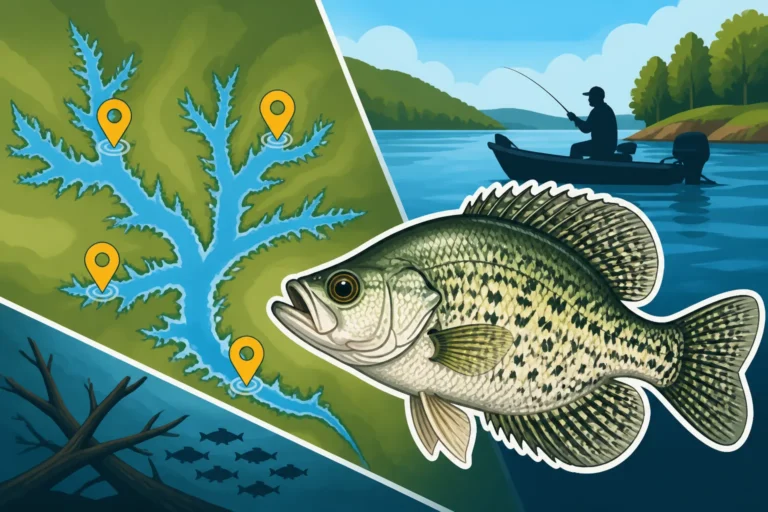
Man-made structures are also huge crappie magnets. Think about boat docks, bridge pilings, and especially the deeper roadbeds and foundations of old homesteads that were flooded when the lake was created. These spots offer consistent cover and often hold fish year-round. Many anglers, myself included, spend countless hours mapping and marking these underwater treasures. Knowing how to interpret your electronics to spot these subtle contours and hidden brush piles is key to consistent success. Without a doubt, Kentucky Lake offers some of the most diverse crappie habitat you'll find anywhere, making it a thrilling challenge for any angler.
Top Crappie Hotspots: North End of Kentucky Lake
The northern end of Kentucky Lake, particularly around the areas where larger creeks and rivers feed into it, is legendary for crappie fishing. The sheer volume of structure and fertile backwaters here create consistent action, especially during the colder and transitional months.
Big Sandy River and Spring Creek Areas
If you're looking for prime crappie action on the northern end, the Big Sandy River embayment and its feeder creeks, like Spring Creek, are absolute must-visits. These areas are characterized by vast stretches of submerged timber, particularly cypress trees and inundated hardwood forests that offer incredible cover for crappie. During the spring, when the water warms up, crappie move into the shallower portions of these creeks to spawn. Anglers often find success by jigging small plastics or minnows around the bases of cypress trees and flooded willows in just a few feet of water. The trick here is to be patient and thoroughly work each piece of structure, as crappie can be tightly grouped.
As the seasons change, crappie in Big Sandy and Spring Creek will shift their patterns. In summer, they tend to move out to the main river channel edges within the embayment, holding on brush piles and ledges in 10-20 feet of water. Winter fishing here can be fantastic too, as crappie school up in the deeper holes and channels, often suspended over baitfish. Understanding the lake's seasonal flow is crucial, and local guides often keep detailed records to predict movements. If you're planning a trip, consider looking into guides on platforms like FishingBooker who specialize in these specific areas, as their knowledge can make a huge difference in finding those hidden honey holes.
New Johnsonville and Paris Landing Backwaters
Just across the main lake from the Big Sandy, you'll find the rich backwaters around New Johnsonville (on the Tennessee side, but very relevant to Kentucky Lake crappie patterns) and the always popular Paris Landing area. These regions are a network of coves, secondary creeks, and fertile flats, making them ideal crappie territory. Around Paris Landing, you'll encounter numerous public and private docks, many of which have been enhanced with brush piles by diligent anglers over the years. These docks, especially those in slightly deeper water with access to channels, can hold crappie almost year-round.
The backwaters here offer extensive shallow cover during the spring spawn, with countless submerged stumps, grass beds, and fallen trees. Anglers often employ a variety of techniques, from casting small crankbaits parallel to cover to slow-trolling jigs with multiple poles, a method commonly referred to as "spider rigging." During the warmer months, crappie transition to deeper creek channels and brush piles just outside the main lake points. The key is to pay attention to subtle changes in depth and current, as crappie will often position themselves on the upstream side of structure to ambush bait. Knowing when to look for crappie in deep water in summer, for instance, can drastically improve your catch rates.
Mid-Lake Magic: Crappie Spots in the Central Section
As you move south into the central portion of Kentucky Lake, the landscape changes slightly, offering a different set of opportunities for crappie anglers. This mid-lake section, with its deep-water access and expansive embayments, holds some truly prolific crappie grounds.
Eagle Creek and Blood River Embayments
The Eagle Creek and Blood River areas are quintessential crappie factories in the mid-lake region. These large embayments feature extensive feeder creeks, numerous protected coves, and plenty of main lake points that transition into deeper water. What makes them so special is the combination of shallow, fish-attracting cover for spawning and deeper, channel-connected structures for holding crappie throughout the rest of the year. During the cooler months, crappie will congregate along the main river channel ledges within these embayments, often suspending over schools of baitfish in depths ranging from 15 to 30 feet. This is when vertical jigging or slow-trolling with minnows can be incredibly effective.
Come spring, the crappie move en masse into the shallower sections of Eagle Creek and Blood River, seeking out brush piles, cypress trees, and flooded buckbrush for their spawning rituals. This period is a prime time for sight fishing in clear water or fan-casting jigs into likely looking cover. The sheer amount of available cover means anglers have endless options to explore, though it also means you need to be strategic in your approach. Learning about Kentucky Crappie Fishing: Spring Spawn Run Guide can give you a significant edge here. These areas are also known for their consistent shad populations, which means the crappie are well-fed and often grow to impressive sizes, offering a rewarding challenge for anglers seeking that trophy slab.
Jonathan Creek and Cypress Creek Structures
Jonathan Creek is practically synonymous with crappie fishing on Kentucky Lake, and for very good reason. This massive creek system, along with its neighbor Cypress Creek, provides an incredible array of crappie habitat. What makes Jonathan Creek so famous are its numerous man-made brush piles and stake beds, often meticulously placed by local anglers and fishing guides over decades. These "crappie condominiums" are often located along creek channel swings, secondary points, and old roadbeds, providing vertical cover in deeper water that crappie absolutely love, especially when they are schooling up. A good fish finder is essential here to pinpoint these submerged structures.
Anglers fishing Jonathan and Cypress Creeks often employ spider rigging, slowly trolling multiple rods with jigs or minnows at various depths, effectively covering a wide water column. This technique is particularly potent when crappie are suspended or spread out. Another popular method is using a single pole to vertically present a jig or minnow directly into a brush pile, teasing the crappie out of their hiding spots. The crappie fishing around brush piles is a science in itself, requiring patience and a good feel for subtle bites. The consistent deep-water access in these creeks means that even in the dead of winter or the dog days of summer, you can find active crappie. Just remember to check the Kentucky Fishing Regulations Explained for any specific site limits or rules that might apply to these popular areas.
Southern Charms: Crappie Fishing Downstream
While the northern and central portions of Kentucky Lake get a lot of attention, don't overlook the southern reaches, particularly as you approach the main dam and deeper river sections. This area offers unique crappie opportunities, especially for those who enjoy fishing ledges and channel breaks.
Big Bear Creek and Lick Creek Concentrations
Further south, Big Bear Creek and Lick Creek offer fantastic crappie fishing, particularly during the shoulder seasons and winter. These creeks are characterized by deeper water closer to the main lake channel, with numerous bends, submerged humps, and old creek beds that act as natural crappie highways. In the late fall and early winter, crappie from shallower areas migrate into these deeper creek channels, schooling up in large numbers over structure. Finding these schools on your sonar can lead to some truly epic days on the water.
These areas are also known for excellent springtime crappie action, albeit often a bit later than the northern parts of the lake due to colder water temperatures initially. Crappie will move into the shallower coves and feeder creeks within Big Bear and Lick to spawn, favoring areas with flooded timber and sparse grass. The key difference here compared to the northern lake is often the sheer depth available nearby; crappie can quickly retreat to deeper water if conditions change. Whether you’re slow trolling minnows on long poles or casting small tube jigs, adapting to the depth and cover is crucial. Local knowledge is power in these areas, and booking a trip through a service like FishingBooker can connect you with guides who know these specific creeks like the back of their hand.
The Dam Area and Deep Water Ledges
The area immediately above the Kentucky Dam can be a serious crappie hotspot, especially during specific times of the year. This section features the deepest water on the entire lake, with pronounced ledges and rock structures that crappie will relate to. These deep-water crappie tend to be larger, well-fed individuals that are often a bit harder to entice. Fishing here is definitely more about electronics and precision. Anglers target crappie suspended over main river channel ledges, especially where baitfish are abundant. The current created by the dam's operation can also influence fish location, often concentrating them along certain breaks or behind submerged structures.
Vertical jigging with heavier jigs or large minnows is a common technique here, allowing you to stay in contact with the bottom or specific depths. Don't be surprised to find crappie holding at 20, 30, or even 40 feet in these areas during the winter and summer. The challenge is finding them, but once you do, the rewards can be significant. The transition zones between shallow flats and deep ledges are always worth exploring. This part of the lake truly showcases How to Find Crappie in Deep Water in Summer, as the fish retreat to cooler, more stable temperatures. Always exercise caution when fishing near the dam, respecting any restricted zones and changing currents.
Seasonal Strategies for Kentucky Lake Crappie
Crappie on Kentucky Lake are creatures of habit, largely dictated by water temperature and the changing seasons. Understanding these seasonal movements is perhaps the most critical factor in consistently finding and catching them throughout the year.
Spring Spawn and Shallow Water Action
Ah, spring! This is arguably the most anticipated time for crappie anglers on Kentucky Lake. As water temperatures climb into the 55-70°F range, crappie begin their annual migration from deeper wintering grounds into the shallower coves, creeks, and protected bays to spawn. This is when you'll find them concentrating in depths of 2-8 feet, seeking out flooded brush, cypress trees, willow bushes, and even old dock pilings. The crappie fishing during the spring spawn run guide is essential reading for anyone hitting the lake at this time. They are focused on reproduction, which often makes them more aggressive and easier to locate.
During the pre-spawn phase, crappie will stage on the first available cover just outside the spawning grounds. As the spawn progresses, they move onto actual beds, often guarded by the males. Your best bets for success involve light tackle, small jigs (1/32 to 1/16 ounce) tipped with soft plastics or minnows, and a keen eye for subtle bites. Casting jigs to visible cover, using a slip bobber rig, or even just a tight-lining approach can be deadly. The key is to be patient, work your bait slowly, and pay attention to where the bites are coming from. This is prime time for filling your cooler with delicious fillets!
Summer Deep Water Tactics
Once the water temperatures soar into the 80s, crappie retreat from the scorching shallows and seek refuge in the cooler, more stable environments of deeper water. This typically means you'll find them holding along creek channels, main lake ledges, and offshore brush piles in depths ranging from 15 to 30 feet, sometimes even deeper. They often suspend at specific depths over these structures, relating closely to baitfish schools. The summer can be a challenging time for crappie fishing if you don't know where to look, but incredibly rewarding if you crack the code.
Successful summer crappie fishing relies heavily on electronics. You need to be able to identify bait balls and the tell-tale arches of crappie holding nearby. Techniques like spider rigging, where you slow troll multiple rods with jigs or minnows at varying depths, are incredibly effective for covering water and finding the fish. Another popular method is vertical jigging directly over identified schools or brush piles, presenting a jig or a minnow on a heavier leadhead. Understanding how to interpret your sonar and how crappie behavior changes in response to heat and thermoclines is absolutely critical for consistent summer success. Don't be afraid to experiment with different depths until you find that sweet spot.
Fall Transition and Schooling Crappie
As the long, hot days of summer give way to the crisp air of autumn, Kentucky Lake crappie begin a fascinating transitional period. Water temperatures start to cool, triggering a change in behavior: they become much more active and aggressive as they feed heavily in preparation for winter. This is a fantastic time to be on the water! Crappie will start to move out of their deep summer haunts and push back towards shallower areas, often suspending over creek channels, points, and flats where baitfish are abundant. They'll form large schools, making them a blast to catch once you locate them.
During the fall, anglers find success by targeting schooling crappie that are chasing bait. Look for birds diving, which often indicates baitfish being pushed to the surface by predators. Focus on areas where creek channels intersect with main lake points or where significant structure exists near open water. Trolling small crankbaits or jigs can be very productive for covering water and locating these active schools. Once found, techniques like casting small jigs or using a Slip Bobber Technique for Crappie Fishing with minnows can keep the action going. The fall bite can be some of the most consistent fishing of the year, offering both quantity and quality.
Winter Crappie in Channels and Marina Docks
Winter fishing on Kentucky Lake is often overlooked, but it can provide some of the most rewarding crappie action for those brave enough to face the cold. When water temperatures drop into the low 40s and 30s, crappie move into their deepest wintering grounds. This typically means the main river channel, deep creek channels, and the protected waters of large marinas. They will often hold tight to vertical structure like bridge pilings, submerged timber, or the deep edges of boat docks, often suspending in 20-40 feet of water.
The key to winter crappie fishing is slow and subtle presentations. Crappie metabolisms slow down significantly, so they aren't going to chase a fast-moving bait. Vertical jigging small spoons or lead-head jigs tipped with minnows or tiny soft plastics directly over their heads is the most effective approach. Your fish finder is your best friend here, helping you pinpoint those tight schools of fish. Many anglers also find success fishing within protected marinas, especially around heated docks or those with good brush piles nearby. These areas can offer a slightly warmer refuge and consistent cover. Patience is paramount, but catching a limit of fat winter crappie can be a truly satisfying experience.
Essential Gear and Techniques for Kentucky Lake Crappie
Fishing for crappie on Kentucky Lake requires a thoughtful approach to gear and a versatile understanding of techniques. This isn't just about throwing a hook in the water; it's about precision, adaptation, and knowing your equipment.
Recommended Rods, Reels, and Line
When it comes to crappie fishing on Kentucky Lake, having the right rod and reel setup can make a world of difference. You're typically looking for a balance of sensitivity, moderate power, and light weight.
Rods:
For most crappie applications, a light to ultralight action spinning rod is ideal. Look for rods in the 6 to 7.5-foot range. The longer rods offer better casting distance and leverage, which is great for covering water or reaching distant structure from the bank or boat. A good example might be a 7-foot, medium-light action rod with a fast tip. This combination allows you to feel the often-subtle crappie bite, yet still have enough backbone to handle a good-sized slab or even an incidental bass. For specialized techniques like spider rigging or dock shooting, specific crappie rods are available, with spider rigging rods being much longer (up to 16 feet) to spread out multiple lines, while dock shooting rods are shorter (4-5 feet) and have a very fast action for flicking jigs into tight spots. A good sensitive graphite rod is a game-changer for detecting those light bites, especially when crappie are being finicky.
Reels:
Pair your sensitive rod with a small, lightweight spinning reel in the 500 to 1000 size range. These reels are perfectly matched for ultralight lines and smaller baits, providing smooth drag and comfortable handling for hours on the water. A good quality reel with a smooth retrieve is critical, as you'll often be slowly retrieving jigs or minnows. Durability is also a factor, as the reel will be exposed to the elements. Brands like Shimano, Daiwa, or even Pflueger offer excellent options in this category that won't break the bank.
Line:
For mainline, 4 to 6-pound test monofilament or fluorocarbon is generally preferred for crappie. Monofilament offers good knot strength and a bit of stretch, which can be forgiving when fighting a fish. Fluorocarbon, on the other hand, is nearly invisible underwater and offers superior sensitivity due to its low stretch, making it excellent for detecting those faint bites in deeper water or clear conditions. Many anglers also opt for a braided mainline (6-10 lb test) with a fluorocarbon leader (4-6 lb test). The braid provides incredible sensitivity and casting distance, while the fluorocarbon leader maintains stealth. The choice really depends on the technique and water conditions, but staying light is key.
Best Baits and Lures for Kentucky Lake Crappie
Kentucky Lake crappie aren't overly picky, but certain baits and lures consistently outperform others. Having a versatile tackle box with these essentials will prepare you for any situation.
Live Bait:
Hands down, live minnows are the king of crappie baits. Small shiner minnows are particularly effective and can be fished under a bobber, on a jig head, or as part of a multi-hook rig. Crappie find their natural movement irresistible. When fishing with minnows, try to hook them lightly through the lips or dorsal fin to keep them lively. This natural presentation is often what triggers bites when artificial lures fall short. Worms, though less common for crappie, can sometimes tempt them, especially when bluegill are also active.
Soft Plastics:
Soft plastic jigs are incredibly popular due to their versatility and effectiveness. Small tube jigs, paddle tail grubs, and curly tail grubs in the 1 to 2-inch range are staples. Colors can vary by water clarity and forage, but chartreuse, white, black/chartreuse, and various shad patterns are perennial favorites. On Kentucky Lake, you might find that subtle, natural colors work better in clear water, while brighter colors excel in stained or muddy conditions. Carrying a wide array of jig colors for Kentucky waters is always a smart move. The action of these plastics, especially when paired with a light jig head, can mimic a variety of baitfish movements, making them highly effective.
Hard Baits:
While not as commonly used as jigs or minnows, small crankbaits and jerkbaits can be incredibly effective, especially when crappie are aggressive or scattered. These baits are excellent for covering water and drawing reaction strikes. Look for shallow-diving models for spring and fall, and deeper-diving options for summer and winter when crappie are holding lower in the water column. Brands like Bandit or Rapala offer small crankbaits that crappie simply can't resist. These can be particularly good when the crappie are actively chasing schools of baitfish.
Effective Crappie Fishing Techniques for Kentucky Lake
Kentucky Lake's diverse crappie habitats call for a range of fishing techniques. Mastering a few will significantly increase your success rate.
Vertical Jigging:
This technique is all about precision and is highly effective when crappie are holding tight to structure or schooled up in deeper water, especially during summer and winter. You position your boat directly over the fish (using your electronics) and drop a jig or a minnow-tipped jig straight down to their depth. The key is to impart subtle movements to the jig – a slight lift and fall, a gentle quiver, or just holding it steady. This method is incredibly precise and allows you to target individual fish or small schools with accuracy.
Spider Rigging (Slow Trolling):
If you're looking to cover a lot of water and present multiple baits at once, spider rigging is your go-to. This technique involves using multiple long rods (often 8 to 16 feet) extended from the bow of your boat, creating a "spider web" of lines. Each rod has a jig or a minnow rig, fished at varying depths and distances from the boat. You slowly troll, often at speeds under 1 mph, allowing you to systematically search creek channels, ledges, and flats for active crappie. This is a particularly effective technique for How to Spider Rig for Crappie, especially when fish are scattered or suspended over open water.
Casting and Retrieving Jigs:
A fundamental technique, casting and retrieving jigs is effective year-round but particularly so in the spring and fall when crappie are in shallower, cover-rich areas. You cast your jig towards visible cover like brush piles, docks, or laydowns, letting it sink to the desired depth, then slowly retrieve it with a series of twitches and pauses. Experiment with different retrieve speeds and jig sizes until you find what the crappie are responding to. This method allows for a very active style of fishing and can be incredibly exciting when you hit a productive patch.
Dock Shooting:
This is a specialized technique primarily used for targeting crappie that hide under boat docks, a common scenario on Kentucky Lake. It involves bending your rod tip back towards the reel and holding the jig (or a small soft plastic) between your thumb and forefinger, then releasing it like a slingshot. This propels the jig deep under docks where crappie feel safe and unpressured. It takes practice to master, but once you do, it can unlock access to crappie that other anglers miss. The quiet presentation and ability to reach inaccessible areas make this a very rewarding technique.
No matter your preferred method, always remember to respect the lake and its regulations. Before you head out, make sure you have your Kentucky Fishing License Guide in order, as wardens frequently patrol these productive crappie waters.
A Comparative Look at Kentucky Lake Crappie Spots
To help you visualize the different opportunities Kentucky Lake offers, here's a quick comparison of some of the crappie hotspots we've discussed. This table highlights typical characteristics, preferred conditions, and general techniques that yield success in each area.
Hotspot Region Primary Crappie Species Dominant Habitat Types Best Seasons (General) Common Depths Ideal Techniques Notes
This table helps understand how different types of habitat contribute to crappie presence.
Remember, a Kentucky Fishing License Guide is important before you start. It’s vital to be aware of the rules around Kentucky Fishing Regulations Explained before you fish. Knowing the Kentucky Crappie Daily Limit Rules is essential to avoid any unexpected issues on the water.
Disclaimer
The information provided in this guide is for general informational purposes only and is not intended to be a substitute for professional advice. Fishing conditions and regulations can change without notice. Always check the current regulations with the Kentucky Department of Fish and Wildlife Resources before your trip. The author and publisher are not responsible for any incidents or losses that may occur as a result of relying on this information. Be safe, be legal, and have fun on the water!